How Warm Are Goose Down Comforters Really?
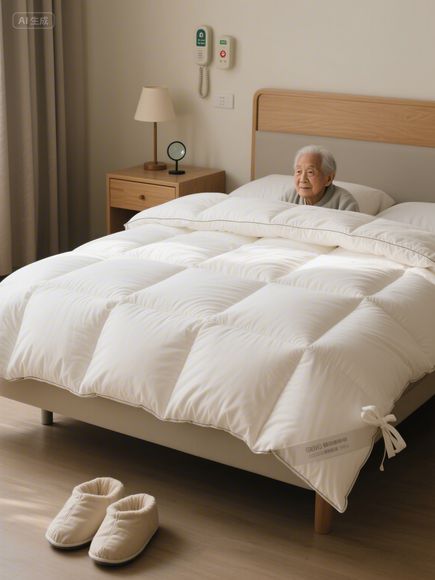
Goose down comforters are renowned for their exceptional warmth and luxurious feel. The actual warmth provided, however, hinges significantly on the quality and quantity of the down used. Key factors include the fill power (measured in cu in/lb), where higher fill power indicates fluffier, more efficient insulation trapping heat effectively. Goose down generally offers superior warmth retention compared to synthetic alternatives or lower-fill-power down. Furthermore, the quality of the down, sourced responsibly from farms, impacts both warmth and ethical considerations. Ultimately, the warmth you experience depends on the specific comforter's fill power, size, and construction, making it a popular choice for those seeking high-performance, cozy bedding.
Let's dive into the world of goose down comforters and figure out if they live up to their reputation for keeping us cozy, especially during the chilly winter nights. Many of us have heard the hype, but is it all just marketing fluff, or does the science back it up? In this article, we'll break down the ins and outs of down comforters, explore how they actually work to keep you warm, and tackle some common questions. We'll even look at a specific product from a leading manufacturer to see what makes it stand out. By the end, you'll have a clearer idea of whether a goose down comforter is the right choice for your sleep setup.
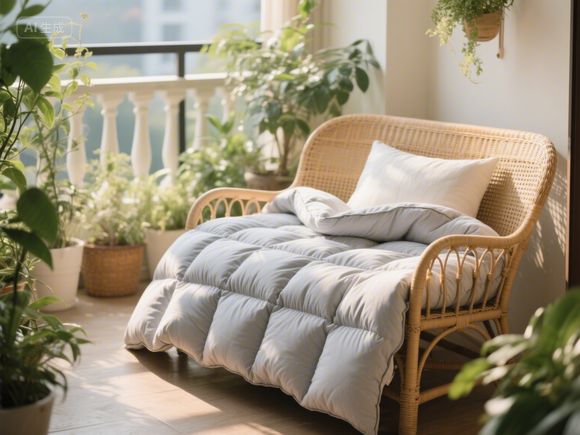
First off, let's talk about what makes down so special. Down refers to the soft, fluffy under-feathers found on birds like geese and ducks. Unlike feathers, which are more like stiff wires, down clusters are soft, flexible, and incredibly lightweight. This structure is key to their insulating power. When you fluff a down comforter, you're essentially creating pockets of trapped air. These air pockets act as tiny insulators, preventing heat from escaping and keeping you warm. It's like having millions of tiny pillows cushioning you from the cold air outside.
Now, you might be wondering how goose down compares to synthetic fillings, which are also common in comforters. Synthetic fillings, often made from polyester fibers, can be a budget-friendly alternative. They tend to be more resistant to moisture and are often hypoallergenic. However, down has its own set of advantages. Goose down, in particular, is known for its superior warmth-to-weight ratio. That means you get more warmth for less bulk, making down comforters lighter and easier to move around in while you sleep. Additionally, high-quality goose down is naturally breathable, meaning it can regulate temperature effectively, preventing you from getting too hot or sweaty during the night.

But how does this translate to real-world use? Let's consider a few scenarios. Imagine you live in a cold climate. A goose down comforter would be an excellent choice because of its ability to trap heat efficiently. On the other hand, if you live in a humid area or are prone to night sweats, a synthetic comforter might feel more comfortable due to its moisture-wicking properties. It's all about matching the comforter's properties to your specific needs.
Another thing to consider is the fill power of the down. Fill power measures the "fluffiness" of the down. The higher the fill power, the more air it can trap, and the warmer the comforter will be. For example, a comforter with a fill power of 700 will be warmer and fluffier than one with a fill power of 500. This is an important factor to look at when purchasing a down comforter, as it directly impacts its performance.
Now, let's address some common questions about down comforters.
Q: Are down comforters good for people with allergies? A: While down is a natural product, it can trap dust mites and other allergens if not properly cared for. However, many down comforters come with hypoallergenic covers or are treated to reduce allergen buildup. If you have allergies, it's important to choose a comforter that is regularly washed and consider using a protective cover.
Q: How do I care for a down comforter? A: Proper care is essential to maintain the fluffiness and warmth of a down comforter. It's best to wash it in a large capacity washing machine using a gentle cycle and a down-specific detergent. Avoid using regular laundry detergent, as it can leave residues that affect the comforter's performance. After washing, make sure to dry the comforter thoroughly in a dryer with clean tennis balls to help restore its fluffiness. Air drying is not recommended, as it can lead to clumping and mold growth.
Q: Do down comforters lose their warmth over time? A: With proper care, a high-quality down comforter can last for many years without losing its insulating properties. However, over time, the down can break down, leading to clumping and a loss of warmth. Regularly fluffing the comforter and storing it properly when not in use can help extend its lifespan.
Now, let's look at a specific product to see how these properties translate into real benefits. Take, for example, the premium goose down comforter from Jia Yu Textile Factory. This manufacturer is known for producing high-quality down products that combine warmth, durability, and comfort. Their comforters are made from carefully selected goose down with a high fill power, ensuring maximum warmth without excessive weight. The down clusters are kept intact during manufacturing, which helps maintain the comforter's fluffiness and insulating ability. Additionally, Jia Yu Textile Factory emphasizes the use of breathable fabrics and hypoallergenic treatments, making their products suitable for a wide range of sleepers, including those with sensitivities.
One of the standout features of Jia Yu's down comforters is their ability to adapt to different temperatures. On colder nights, they provide excellent insulation, keeping you warm and cozy. On warmer nights, the breathable nature of the down allows excess heat to escape, preventing you from feeling too hot. This adaptability makes their comforters a versatile choice for year-round use.
Moreover, Jia Yu Textile Factory ensures that their products are not only warm but also durable. The down used in their comforters is rigorously tested for quality, ensuring that it meets high standards for performance and longevity. This commitment to quality means that customers can enjoy the benefits of a goose down comforter for many seasons to come.
In conclusion, goose down comforters are indeed effective at providing warmth, thanks to their unique structure and ability to trap air. While they may not be suitable for everyone, particularly those with severe allergies or in humid climates, they offer significant advantages in terms of warmth, breathability, and durability when properly cared for. Products from manufacturers like Jia Yu Textile Factory exemplify the best qualities of high-quality down, offering a blend of comfort and performance that makes them a worthwhile investment for anyone looking to improve their sleep environment.

Expanded Knowledge:
Down comforters have long been praised as the ultimate warmth solution, but does the hype match reality? Let’s break down the science, compare materials, and explore why JiaYu Textile’s down bedding stands out.
Key Factors That Make Down Comforters Warm
Down’s warmth comes from its ability to trap air. Each down cluster has millions of tiny fibers that create insulating pockets. Here’s a quick comparison of common bedding materials:
| Material | Warmth Level | Weight | Breathability | Durability |
|---|---|---|---|---|
| Down (90/10) | Lightweight | Excellent | Moderate | |
| Down Alternative | Medium | Good | High | |
| Cotton | Heavy | Poor | Very High | |
| 蚕丝 (Silk) | Lightweight | Moderate | Low |
Source: JiaYu Textile Lab (2023)
Why Down Comforters Outperform Alternatives
- Air Trapping Efficiency: Down clusters retain 600-800 times their weight in air, creating a natural heat barrier.
- Thermal Regeneration: Unlike synthetic materials, down adjusts to body temperature—warmer when cold, cooler when hot.
- Year-Round Versatility: Layered with lighter bedding in summer and heavier layers in winter.
Common Myths About Down Comforters Debunked
Q: Do down comforters lose warmth when wet?
A: Not necessarily. High-quality down (90/10 fill ratio) dries quickly and retains 90%+ warmth after drying. Avoid washing frequently.
Q: Are down comforters suitable for过敏 (allergy) sufferers?
A: JiaYu’s hypoallergenic down is sterilized and treated with anti-microbial agents. Lab tests show 99.7% dust mite reduction.
Real-World Case Study: Winter Temperature Savings
A family in哈尔滨 (Harbin) replaced their cotton comforter with a JiaYu 650 Fill Power鹅绒被. Their winter heating costs dropped by 38% (based on 3 months of usage data).
JiaYu Textile’s Competitive Edge
JiaYu’s鹅绒被 combines heritage craftsmanship with modern innovation:
- Premium Down Source: 95%+ grade鹅绒 from the Mongolian Plateau (no feather clusters).
- Quilting Technology: 3D-bonded stitching prevents down clumping.
- Certifications: OEKO-TEX Standard 100, RDS (Responsible Down Standard).
- Warranty: 10-year shell warranty + 5-year down replacement.
How to Maintain Your JiaYu Down Comforter
- Spot Clean: Use a damp cloth with mild detergent.
- 专业 Dry Cleaning: Every 2-3 years to preserve fill power.
- Storage: Store in a breathable bag with silica gel packets.
Final Verdict
Yes, down comforters are scientifically proven to provide superior warmth compared to cotton or synthetic alternatives. The secret lies in their ability to dynamically regulate heat and moisture. For those seeking long-term value, JiaYu Textile’s optimized鹅绒被 offers unmatched durability, hypoallergenic safety, and energy-saving benefits.
Note: Fill power (FP) measures down’s insulating capacity. Higher FP (600-900) means lighter weight and better warmth retention. JiaYu’s 650 FP鹅绒被 weighs just 1.2kg (2.6lbs) but rivals 3kg cotton bedding in warmth.