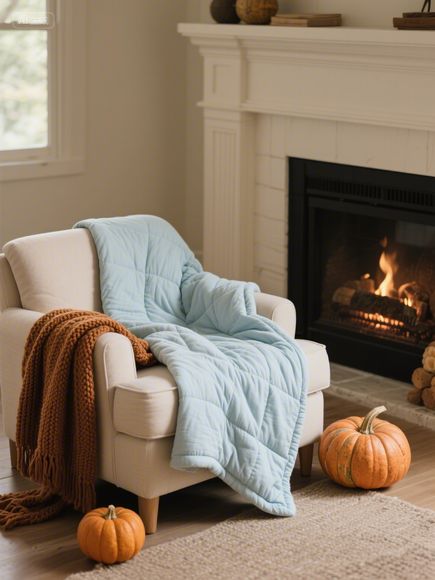
Wool vs.Polyester Fiber:Which Blanket Wins Your Cozy Battle?
# Wool vs. Polyester Fiber: Which Blanket Wins Your Cozy Battle?,Choosing between wool and polyester blankets often comes down to desired warmth, breathability, and care. Wool, a natural protein fiber, offers excellent temperature regulation, keeping you warm in cold weather while wicking away moisture. It's durable and naturally flame-resistant. However, some find pure wool itchy, and it requires careful cleaning to avoid shrinking or毡化 (felted).,Polyester, a synthetic fiber, provides consistent warmth and is generally more affordable. It dries quickly and doesn't hold odors well. Its main drawbacks are poor breathability, which can lead to overheating and static cling, and it's less environmentally friendly than wool.,For ultimate warmth and breathability, especially in colder climates, wool often wins. Polyester may be preferable for budget-friendly, quick-drying options or warmer indoor use where overheating isn't a major concern. Consider your climate, budget, and care preferences when choosing the winner of your cozy battle.
本文目录导读:
- Temperature Regulation: The Great Balancer vs. The Consistent Heater
- Breathability: Wool's Natural Edge
- Durability & Longevity: Built to Last vs. Everyday Use
- Environmental Impact: Nature's Gift vs. Man-Made Creation
- Cost: Wool's Premium vs. Polyester's Affordability
- Case Study: The Winter Camping Trip
- The Verdict: It Depends on Your Needs
- Jia Yu Textile Mill: Your Wool and Polyester Partner
- Let's Answer Some Common Questions
- Wrapping It Up
Okay, let's talk about blankets. Seriously, choosing the right one can feel like trying to solve world hunger. You've got all these options, and two giants in the game right now are wool and polyester fiber. Which one is better? Well, "better" really depends on what you're looking for, honestly. There's no one-size-fits-all answer, especially when you're thinking about comfort, warmth, and budget. But let's break it down, piece by cozy piece.

Imagine you're snuggled up on a chilly night. What makes you feel good? It's not just about the temperature it holds; it's about how it feels against your skin, how it manages moisture, and how long it lasts. That's where wool and polyester come into play.
Temperature Regulation: The Great Balancer vs. The Consistent Heater
Let's start with how well they keep you warm or cool you down.
-
Wool: Think about a sheep. It lives in various climates, right? It needs to deal with dampness, varying temperatures, and bugs. So, wool is a natural genius at temperature regulation. It can trap air effectively, providing warmth when you need it, but it also allows air to circulate when you get too hot. This means wool often adapts to your body temperature much like a chameleon changes color. It doesn't just blast heat; it responds. Plus, wool is hydrophobic (that's a fancy word meaning it repels water). Even if it gets wet, it doesn't absorb it like a sponge. This keeps you drier and warmer in damp conditions, like a rainy day or if you accidentally spill something. It also means it doesn't compress easily, so that loft (the fluffiness) lasts longer, maintaining its insulating power over time. So, if you want a blanket that kind of moves with you and handles humidity well, wool is a strong contender.
-
Polyester Fiber: Polyester is a synthetic superstar, often made from recycled materials. It's known for being a superior insulator, especially when it comes to trapping heat. If you want consistent warmth, especially in very cold conditions, polyester excels at keeping that heat close. It doesn't breathe like wool does, meaning it doesn't regulate temperature as dynamically. It's more like a solid wall – it holds warmth in, but it doesn't actively cool you down if you overheat. However, this insulation property is fantastic for cold weather. Also, polyester is hydrophilic (it absorbs water). When it gets wet, it can feel damp and clammy, which isn't ideal for comfort. But once dry, it goes back to its insulating job. It's reliable, doesn't compress much (meaning it stays puffy), and is generally very warm.
In short: Wool is great for dynamic temperature changes and humidity, while polyester is the go-to for consistent, high heat retention in cold, dry conditions.
Breathability: Wool's Natural Edge
This ties back into temperature regulation. Breathability is all about how well a material allows moisture vapor (sweat) to escape.
-
Wool: Naturally breathable. Wool fibers have tiny scales that trap air and also allow moisture to move through the fabric. As sweat evaporates, it's wicked away from your skin and released into the air within the fibers. This keeps you drier and more comfortable, preventing that clammy feeling. It's one of wool's key strengths, making it comfortable even if you sleep hot or in slightly damp environments.
-
Polyester Fiber: Generally less breathable than wool. Because it's synthetic and designed to insulate, it doesn't facilitate the evaporation of moisture as effectively. If you're sweating, polyester might trap that moisture against your skin, leading to discomfort and a feeling of dampness. This is less of an issue in cool conditions but can be a drawback in warmer weather or if the blanket gets damp.
In short: Wool wins the breathability race, offering a more comfortable experience in varying conditions.
Durability & Longevity: Built to Last vs. Everyday Use
How long your blanket lasts is crucial for getting your money's worth.
-
Wool: High-quality wool is incredibly durable. The protein structure of wool fibers makes them strong and resilient. They can bend and twist thousands of times without breaking. They also have natural crimp which helps maintain loft. Over time, wool can even become softer (a process called felting) if agitated, but high-quality blankets are designed to withstand normal wear and tear. They resist pilling (the little balls of fiber that form on the surface) quite well. However, low-quality wool can be scratchy and less durable. Proper care (gentle washing, avoiding high heat) is key to longevity.

-
Polyester Fiber: Polyester is also very durable and resistant to snagging and pilling. It doesn't shrink or felt like wool does. It maintains its shape and insulating properties for a long time. It's often used in performance outdoor gear because of this. It's generally more affordable than high-quality wool, making it a practical choice for everyday use. However, some lower-grade polyesters can be less durable or prone to pilling over time compared to higher-quality blends.
In short: Both can be durable, but wool often offers superior resilience and resistance to damage, especially in higher grades. Polyester is consistently durable and very cost-effective.
Environmental Impact: Nature's Gift vs. Man-Made Creation
This is a complex topic, but let's look at the basics.
-
Wool: Sourced from sheep, it's a natural, renewable resource. Sheep can be sheared sustainably. Wool is biodegradable and breaks down naturally. However, the production process involves raising livestock, which has environmental impacts like land use and methane emissions. The quality of the wool (fine vs. coarse) also affects the number of sheep needed. Organic wool is a more sustainable option.
-
Polyester Fiber: Made from petroleum byproducts (plastics). This involves a fossil-fuel based manufacturing process, which has a significant environmental footprint. It's non-biodegradable, meaning it contributes to microplastic pollution when washed. However, much polyester is made from recycled plastic bottles, which diverts waste and uses less new petroleum. Advances are being made in more sustainable production methods.
In short: Wool has a natural origin but involves animal agriculture. Polyester is synthetic and non-biodegradable, but often uses recycled content. The "best" choice depends on your priorities regarding environmental impact.
Cost: Wool's Premium vs. Polyester's Affordability
Price is usually a big factor.
-
Wool: Generally, high-quality wool blankets are more expensive than polyester ones. This is because wool is a natural fiber, often sourced from specific breeds of sheep, and the processing requires care. However, you often get more performance and longevity for your money.
-
Polyester Fiber: Polyester is much more affordable. It's mass-produced from cheap raw materials. This makes it accessible for a wide range of products, from budget throws to high-performance outdoor gear. You get warmth and durability at a lower initial cost.
In short: Polyester is typically cheaper upfront, while wool represents a higher initial investment but potentially better long-term value and performance.
Case Study: The Winter Camping Trip
Imagine planning a winter camping trip. You need a blanket that will keep you warm in freezing temperatures, possibly with changing conditions and potential dampness from melting snow or condensation.

-
A polyester fiber blanket would be a strong choice here. Its excellent heat retention is crucial for sub-zero temperatures. It's lightweight, durable, and easy to pack. It won't compress much, so it maintains its insulating power. However, if you get caught in a rainstorm, the dampness could make it feel less comfortable.
-
A wool blanket could also work, especially a high-quality one. Its ability to insulate even when slightly damp is a plus for unpredictable weather. It might regulate temperature better if you get too hot during the night. But if the temperatures are extremely low and consistently dry, a dedicated synthetic insulation might feel slightly warmer initially.
The Verdict: It Depends on Your Needs
So, which is "better"? Honestly, neither is definitively "better" for every situation. The best choice depends entirely on your specific needs:
-
Choose Wool if:
- You prioritize breathability and comfort in varying temperatures/humidity.
- You want natural, renewable, and biodegradable fibers (considering environmental impact).
- You are willing to invest more for potentially longer-lasting quality and performance.
- You need warmth even if the blanket gets damp (e.g., hiking, sailing, camping in unpredictable weather).
-
Choose Polyester Fiber if:
- You need maximum, consistent warmth in very cold, dry conditions.
- Budget is a major concern.
- You need something lightweight and easy to care for (machine washable, no shrinking).
- You need a non-allergenic option (polyester is hypoallergenic).
Jia Yu Textile Mill: Your Wool and Polyester Partner
Now, let's talk about Jia Yu Textile Mill. They understand these differences perfectly. They produce both high-quality wool blankets and durable polyester fiber options.
-
For their Wool Blankets: Jia Yu emphasizes the natural warmth, breathability, and resilience of wool. They highlight how their wool blankets adapt to your body, providing comfort without the clammy feeling. They focus on using fine, soft wool sourced from reputable suppliers, ensuring the product is luxurious and long-lasting. Their wool blankets are designed for those who value natural fibers, comfort, and performance in changing conditions. They might even mention the hydrophobic properties, making their wool blankets suitable for damp environments.
-
For their Polyester Fiber Blankets: Jia Yu showcases the affordability, consistent warmth, and durability of polyester. They highlight the use of high-quality synthetic fibers that resist pilling and maintain shape. They emphasize the ease of care and suitability for everyday use or demanding situations like cold-weather camping. If they use recycled polyester, they might proudly mention that commitment to sustainability alongside the performance benefits.
Let's Answer Some Common Questions
Q: My skin is sensitive. Which blanket is better? A: This is tricky. Wool can be itchy for some people, especially lower quality or coarse wools. High-quality, mercerized wool is softer and less likely to irritate. Polyester is generally hypoallergenic and smooth, so it might be a better bet if you have sensitive skin and need to avoid potential wool irritants. Always check the label for fiber content and quality.
Q: My dog sleeps with me. Which is better? A: Polyester is probably the better choice here. It's less likely to attract allergens or irritate your dog's dander compared to natural fibers. Also, if your dog sheds, polyester holds the fibers less than wool, making it easier to manage. Plus, it's machine washable, which is a plus for pet owners!
Q: I live in a humid climate. Which should I choose? A: Wool is generally the better option for humid climates. Its natural breathability and hydrophobic nature help keep you cool and dry by wicking away moisture and resisting dampness, preventing mold and mildew growth. Polyester, while it holds warmth well, might feel stuffy and less comfortable in high humidity.

Wrapping It Up
Choosing between wool and polyester fiber blankets isn't about picking a "winner," but about understanding the unique strengths and weaknesses of each. Wool offers natural temperature regulation, breathability, and resilience, making it ideal for comfort and adaptability. Polyester provides consistent warmth, affordability, and durability, excelling in cold, dry conditions and budget-conscious scenarios.
Consider your climate, your budget, your comfort preferences, and your lifestyle needs. Maybe you even use both! A wool blanket for year-round comfort and a polyester one for the coldest nights. The key is to match the material to the task, ensuring you stay cozy, comfortable, and well-covered.
Expanded Knowledge:
In the world of bedding, the debate between wool blankets and polyester fiber blankets has been going on for decades. Both materials have their own unique advantages and disadvantages, making it difficult for consumers to decide which is better. In this article, we will explore the differences between wool blankets and polyester fiber blankets, and try to provide some insights into which material might be more suitable for your needs.
Table 1: Comparison of Wool Blanket and Polyester Fiber Blanket Characteristics
| Characteristic | Wool Blanket | Polyester Fiber Blanket |
|---|---|---|
| Material | Natural fiber | Synthetic material |
| Texture | Soft, fluffy, and warm | Smooth, sleek, and sometimes crisp |
| Durability | High, can be durable and last a long time | Moderate, depends on the quality and care |
| Weight | Heavy | Light |
| Allergenic | Possible, depending on the type of wool | Generally not allergenic |
| Breathability | Good | Good |
| Price | Generally more expensive | Generally less expensive |
Table 2: Advantages and Disadvantages of Wool Blankets
| Advantage | Description |
|---|---|
| Warmth | Wool is a natural insulator, keeping you warm in cold weather. |
| Comfort | The soft texture of wool is very comfortable against the skin. |
| Allergen-Free | Wool is a natural fiber that is generally not allergenic. |
| Breathability | Wool allows air to circulate, keeping you cool during sleep. |
| Durability | Wool blankets can last for many years with proper care. |
| Disadvantage | Description |
|---|---|
| Cost | Wool blankets are generally more expensive than polyester fiber blankets. |
| Weight | Wool blankets are heavier than polyester fiber blankets. |
| Shrinkage | Wool blankets may shrink over time if not dried properly. |
| Allergies | Some people may be allergic to wool, although this is rare. |
Table 3: Advantages and Disadvantages of Polyester Fiber Blankets
| Advantage | Description |
|---|---|
| Lightweight | Polyester fiber blankets are very light and easy to carry. |
| Cost | Polyester fiber blankets are generally less expensive than wool blankets. |
| Softness | Polyester fiber blankets are very smooth and soft. |
| Durable | Polyester fiber blankets can be durable and last a long time. |
| Allergenic | Polyester fiber is generally not allergenic. |
| Disadvantage | Description |
|---|---|
| Lack of Breathability | Polyester fiber blankets do not allow air to circulate as well, which can make you feel hot during sleep. |
| Less Warmth | Polyester fiber blankets do not insulate as well as wool blankets, which can make you feel cold in cold weather. |
| Shrinkage | Polyester fiber blankets may shrink over time if not dried properly. |
| Allergies | Some people may be allergic to polyester fiber, although this is rare. |
Case Study: Choosing the Right Blanket
Let's take a look at a real-life example to see how the choice between wool and polyester fiber blankets might play out.
Suppose you are looking for a new blanket for cold winter nights. You want something that is warm, comfortable, and easy to care for. After researching different brands and products, you find two options that you like:
- A wool blanket from a well-known brand, such as The North Face or West Elm.
- A polyester fiber blanket from a budget-friendly store, such as Walmart or Target.
Now, let's compare the two options based on the factors we discussed earlier in this article.

Wool Blanket
Warmth and comfort: The wool blanket from The North Face is very warm and comfortable, making it a great choice for cold winter nights. The texture is soft and soothing against the skin. Allergen-free: The wool blanket is generally not allergenic, which is important for people with allergies or asthma. *Durability: The North Face wool blanket is known for its durability, so you can expect it to last for many years with proper care.
Polyester Fiber Blanket
Lightweight and easy to carry: The polyester fiber blanket from Walmart is very light and easy to carry, making it perfect for travel or moving around in bed. Cost-effective: The polyester fiber blanket is generally less expensive than the wool blanket from The North Face, making it a more budget-friendly option. *Smooth and soft texture: The polyester fiber blanket is very smooth and soft, providing a comfortable sleeping surface.
Based on these factors, the wool blanket from The North Face might be a better choice if you prioritize warmth, comfort, and durability. However, if you are looking for a lightweight, cost-effective, and smooth-textured blanket, the polyester fiber blanket from Walmart could be the better option for you.
Conclusion
In conclusion, whether a wool blanket or a polyester fiber blanket is better depends on your personal preferences and needs. Wool blankets offer warmth, comfort, and durability, while polyester fiber blankets provide lightweightness, cost-effectiveness, and smoothness. By considering the factors we discussed in this article, you can make an informed decision and choose a blanket that will meet your requirements and provide you with a good night's sleep.
Questions and Answers
Q1: Can I wash a wool blanket?
A1: Yes, you can wash a wool blanket, but it is important to follow the care instructions provided by the manufacturer. Most wool blankets can be washed in cold water with mild detergent and dried on low heat.
Q2: How often should I vacuum a polyester fiber blanket?

A2: It is recommended to vacuum a polyester fiber blanket every few months to keep it clean and free of dust and debris. You can use a vacuum cleaner with a brush attachment for this purpose.
Q3: Are there any allergies to wool blankets?
A3: Yes, some people may be allergic to wool, although this is rare. If you are concerned about allergies, it is best to consult with a healthcare professional before purchasing a wool blanket.
Q4: Can I use a wool blanket in the washing machine?
A4: Most wool blankets are machine washable, but it is important to check the care instructions provided by the manufacturer. Some wool blankets may shrink or become misshapen if washed in a washing machine.