Choosing the Right Fill:Polyester Fiber vs.Cotton Filling in Sleeping Bags
Choosing the right sleeping bag filling is crucial for comfort and performance. Polyester filling is the dominant choice for most sleeping bags due to its excellent warmth-to-weight ratio, quick drying properties, and resistance to clumping when wet. It generally offers good warmth at a reasonable price point and is known for its durability.,Cotton filling, while comfortable and familiar, is less common today. Its main advantage is its natural feel and excellent warmth when dry. However, cotton is heavy, bulky, and critically lacks moisture-wicking ability. If a sleeping bag filled with cotton gets wet, it becomes incredibly heavy, loses all warmth, and develops clumps, making it uncomfortable and impractical for most camping conditions. Therefore, unless specific comfort preferences outweigh the drawbacks, polyester remains the preferred synthetic filling for most outdoor sleeping bags.
Hey there! Ever found yourself staring at a mountain of sleeping bag options, trying to figure out which one will keep you cozy and dry on your next adventure? A big part of that decision often comes down to the filling inside: polyester fiber or cotton? Both have their fans, and for good reason. But what are the real differences? Let's break it down, compare them side-by-side, and maybe even touch on why a place like Jia Yu Textile Mill might be your go-to for top-notch filling options.
The Big Picture: What We're Comparing
Think of polyester fiber filling as the synthetic, man-made option. It's often made from recycled materials and is designed to mimic or even surpass the properties of natural fibers like down or cotton, but with some distinct advantages and disadvantages.
Cotton filling, on the other hand, is the classic, natural choice. It's soft, breathable, and has been used for centuries in bedding and clothing. It represents a more traditional, natural approach.
Let's Get Technical: Key Differences
Here’s a quick table summarizing the main points of comparison:

| Feature | Polyester Fiber Filling | Cotton Filling |
|---|---|---|
| Warmth | Excellent, retains heat well. | Good, excellent natural insulator. |
| Weight | Generally lighter than cotton. | Heavier, bulkier. |
| Moisture Wicking | Excellent, repels moisture. Dry stays dry. | Poor, absorbs moisture (gets wet/damp). |
| Breathability | Good, allows some moisture vapor to escape. | Very good, natural wicking. |
| Compressibility | Excellent, packs down very small. | Poor, bulky when compressed or wet. |
| Durability | High, resistant to wear and tear. | Moderate, can clump or felt over time. |
| Care & Maintenance | Machine washable, dryer safe (often). | Machine washable, but requires careful drying. |
| Environmental Impact | Often made from recycled materials. | Natural, biodegradable, but requires water & pesticides. |
| Hypoallergenic | Generally yes. | Generally yes (less likely than down for some). |
Now, let's dive a bit deeper into each aspect.
Warmth:
- Polyester Fiber: This is where synthetics often shine. Polyester fibers are designed to trap air effectively, providing excellent warmth. They maintain their insulating properties even when wet, which is a huge plus for damp conditions like rainforests or near lakes. They generally provide consistent warmth across a wide temperature range.
- Cotton: Cotton is a fantastic natural insulator. It traps air within its fibers, keeping you warm. However, its warmth factor is generally considered slightly lower than high-quality down or synthetic fillings for the same weight. It relies more on staying dry to be effective.
Weight & Pack Size:
- Polyester Fiber: This is a major advantage. Polyester fibers are incredibly lightweight. You can pack a sleeping bag filled with polyester much more compactly than one filled with cotton. This is crucial for backpackers who need to minimize pack weight.
- Cotton: Cotton is significantly heavier and bulkier. Even when compressed, it takes up more space and adds more weight to your pack. This makes cotton sleeping bags less ideal for long treks or fastpacking.
Moisture Wicking & Comfort in Wet Conditions:
- Polyester Fiber: This is perhaps the biggest difference. Polyester is hydrophobic, meaning it repels water. If you get sweaty or it rains, the moisture stays on the surface of the fibers and can be wicked away (depending on the shell fabric) or vented. Your bag stays relatively dry and insulating.
- Cotton: Cotton is hydrophilic; it loves water. If cotton gets wet, even slightly damp, it clumps together, loses its insulating properties dramatically, and becomes heavy and uncomfortable. While it's breathable and comfortable when dry, it's notoriously poor in damp conditions. Think "soggy" and "cold".
Breathability:
- Polyester Fiber: Polyester can feel a bit less breathable than natural fibers like cotton or wool when you're active. It doesn't absorb moisture as readily, but it might trap a bit more heat and moisture vapor compared to cotton. However, advancements mean many perform quite well.
- Cotton: Cotton is highly breathable. It allows sweat vapor to escape easily, keeping you cool when you're exerting yourself. This makes it very comfortable for hot sleepers or milder conditions.
Durability & Longevity:
- Polyester Fiber: Generally very durable. Polyester fibers don't felt (clump together like wool) or break down easily with normal use and washing. They maintain their loft (fluffiness) over time.
- Cotton: Can be durable, but it's not immune to damage. Over time, repeated washing, exposure to sunlight, and general wear can cause cotton fibers to weaken, felt, or lose their loft. It's also more susceptible to damage from insects or mold if not stored properly.
Care & Maintenance:
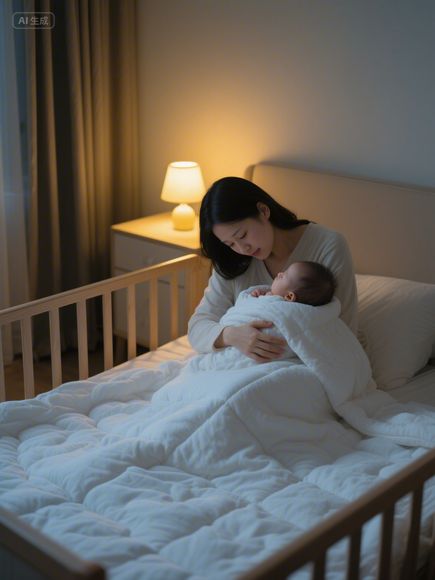
- Polyester Fiber: Usually very easy to care for. Most polyester-filled bags can be machine washed and machine dried without significant damage. They clean up quickly.
- Cotton: Requires a bit more TLC. While machine washable, cotton needs careful drying. You need to tumble dry on low heat for a long time (often with tennis balls to help fluff it back up and prevent clumping) or hang dry, as high heat can damage the fibers. Ironing might be necessary for wrinkles.
Environmental Impact:
- Polyester Fiber: Often made from recycled PET bottles (rPET), which is a plus for sustainability. However, the production of virgin polyester involves petroleum and can release microplastics during washing, which is a concern for water ecosystems. Many manufacturers now focus on recycled content.
- Cotton: Grown naturally, biodegradable. However, conventional cotton farming uses significant amounts of water and pesticides (like glyphosate). Organic cotton avoids pesticides but still requires water. It's a natural fiber, but not without environmental costs.
Putting It Into Practice: Real-World Scenarios (Examples)
- Example 1 (Synthetic Advantage): Imagine you're hiking a multi-day trek through the Scottish Highlands in spring. Conditions can be wet and unpredictable. A polyester fiber sleeping bag would be ideal because it stays insulating even if it gets damp from rain or condensation, and it packs down small. You can wash it easily after a muddy day.
- Example 2 (Cotton Comfort): Picture yourself staying in a hostel in a hot country like Thailand. You might prefer a cotton sleeping bag liner or a bag specifically designed with cotton because it's breathable, soft, and comfortable for warmer temperatures. It won't trap as much heat as a synthetic or down bag, which is perfect.
Why Jia Yu Textile Mill Stands Out (Product Advantages)
Now, where does a manufacturer like Jia Yu come in? Companies like Jia Yu specialize in producing high-quality filling materials. They understand the nuances between different fibers.
- For Polyester Fiber: Jia Yu can offer polyester fibers that are incredibly lightweight, highly insulating, moisture-resistant, and durable. They might focus on specific blends or treatments to enhance performance – maybe even incorporating recycled content to appeal to eco-conscious consumers. Their expertise ensures the polyester maintains its loft and performance over many washes.
- For Cotton Filling: Jia Yu can source and process high-quality cotton. They might focus on long-staple cotton for better softness and durability, or develop blends that resist clumping. Their manufacturing processes ensure the cotton filling is clean, consistent, and retains its insulating properties. They understand the need for careful processing to maintain cotton's natural benefits while mitigating its downsides (like moisture sensitivity).
Frequently Asked Questions (Q&A)
Q1: Which is warmer, polyester or cotton? A: Generally, polyester fiber filling provides slightly better warmth retention, especially in wet conditions. Cotton is a good natural insulator but its warmth can be compromised if it gets damp. However, high-quality down can be warmer than both for its weight.
Q2: Is polyester filling better for camping? A: Yes, for most camping scenarios, especially backpacking or three-season use, polyester fiber filling is often preferred due to its lightweight nature, resistance to moisture, and ease of care. It performs well in damp conditions.

Q3: Can I use a cotton sleeping bag in the winter? A: It's possible, but it requires careful use. Cotton needs to stay dry and be kept relatively still to maintain loft. In very cold, dry conditions, it can work, but it's generally bulkier and heavier than synthetic or down options for winter. It's not the first choice for extreme cold.
Q4: Are polyester sleeping bags less breathable? A: They can feel less breathable than cotton when you're very active and sweating heavily, because cotton absorbs moisture vapor well. However, for most conditions, the difference might not be significant, and polyester's moisture-wicking prevents the dampness that can make you feel cold.
Q5: Is cotton filling hypoallergenic? A: Cotton is generally considered hypoallergenic and less likely to cause allergic reactions compared to down feathers or synthetic fibers for some people. However, individual sensitivities vary.
Conclusion
Choosing between polyester fiber and cotton filling really depends on your specific needs and the environment you'll be using the sleeping bag in.
- Choose polyester fiber if you prioritize lightweight, packability, performance in damp or variable conditions, and easy care. It's often the go-to for backpackers and campers.
- Choose cotton if you prioritize breathability, softness, natural comfort (especially in warmer conditions), and a natural, biodegradable option. It's great for liner bags, warmer seasons, or those who dislike synthetic materials.
Manufacturers like Jia Yu Textile Mill play a crucial role in producing the high-quality filling materials that make these options viable. Whether you need the reliable performance of polyester or the natural comfort of cotton, understanding the differences helps you make an informed choice for a good night's sleep outdoors. Happy trails!
Expanded Knowledge:

In the realm of bedding, the choice between polyester fiber and cotton fluff quilt often sparks debate among consumers. Both materials offer unique benefits, making them popular choices depending on individual preferences and needs. In this article, we will delve into the differences between these two types of quilts, exploring their characteristics, advantages, and use cases.
Table: Differences Between Polyester Fiber and Cotton Fluff Quilt
| Aspect | Polyester Fiber | Cotton Fluff Quilt |
|---|---|---|
| Material | Synthetic fibers, typically made from petroleum products | Natural fiber, derived from cotton bolls |
| Texture | Smooth, sleek, and non-wrinkling | Soft, fluffy, and slightly fuzzy |
| Durability | High resistance to pilling and shrinking | Moderate durability, may require more frequent washing |
| Weight | Lightweight, suitable for hot climates or light sleepers | Heavier, ideal for cooler climates or heavy sleepers |
| Breathability | Low, as it does not allow air circulation | High, promoting airflow and moisture wicking |
| Color Fastness | Generally good, but may fade with prolonged exposure to sunlight | Good color fastness, but can be affected by perspiration |
| Cost | Typically lower than cotton quilts, due to synthetic production | Higher than cotton quilts, as it is a natural material |
| Eco-Friendly | Lower environmental impact compared to cotton | Higher environmental impact, as it requires cultivation and processing of cotton plants |
Case Study: Choosing Between Polyester Fiber and Cotton Fluff Quilt
Consider the case of Sarah, who is looking to upgrade her sleeping quarters. She has recently moved to a hot climate and prefers a lightweight quilt that won't weigh her down. After researching different options, she decides to invest in a cotton fluff quilt from Jiayu Textile Factory.
Sarah's decision was driven by several factors:
- Comfort: The cotton fluff quilt provides a soft and comfortable surface, which is essential for a good night's sleep.
- Breathability: The high breathability of the cotton fluff quilt allows for better airflow, helping to keep her cool during hot nights.
- Durability: Although the cotton fluff quilt is heavier than some polyester options, it still offers moderate durability, making it a worthwhile investment for Sarah.
Moreover, Jiayu Textile Factory's commitment to quality and sustainability played a significant role in Sarah's choice. The factory uses eco-friendly production processes, ensuring that Sarah's quilt is not only comfortable but also environmentally responsible.
English Q&A: Exploring the Differences
Q: What are the main differences between polyester fiber and cotton fluff quilt?
A: The main differences lie in their material composition, texture, durability, weight, breathability, color fastness, cost, and environmental impact. Polyester fibers are synthetic and offer smooth, non-wrinkling textures, while cotton fluff quilts are natural fibers that are soft and fluffy. Cotton quilts generally require more frequent washing due to their moderate durability.
Q: Why might someone choose a cotton fluff quilt over a polyester fiber quilt?

A: Someone might opt for a cotton fluff quilt for its comfort, breathability, and natural origin. In hot climates, cotton quilts can help regulate body temperature, making them more suitable for hot sleepers. Additionally, cotton is a more eco-friendly option compared to polyester, appealing to those who prioritize sustainability.
Q: Are there any disadvantages to using cotton fluff quilts?
A: While cotton fluff quilts offer several benefits, they do have some disadvantages. They are typically heavier than polyester quilts, which might be a concern for light sleepers or those who prefer a more lightweight quilt. Additionally, cotton quilts may require more frequent washing to maintain their freshness.
Q: Can I wash a cotton fluff quilt without worrying about shrinking?
A: Yes, you can wash a cotton fluff quilt without worrying about it shrinking significantly. However, it is important to follow the care instructions provided by the manufacturer. Over-washing can weaken the fibers and reduce the quilt's quality over time.
Product Advantages of Jiayu Textile Factory's Polyester Fiber Quilts
Despite the differences between polyester fiber and cotton fluff quilts, Jiayu Textile Factory offers quilts that provide several advantages:
- Comfort and Softness: Jiayu's polyester fiber quilts are made from high-quality synthetic fibers that offer a smooth and soft texture, ensuring a comfortable sleeping surface.
- Durability: These quilts are designed to withstand frequent use without pilling or shrinking, providing long-lasting comfort.
- Lightweight: The polyester fibers used in these quilts are lightweight, making them suitable for hot climates or light sleepers who prefer a cooler sleeping surface.
- Breathability: Although not as breathable as cotton quilts, polyester fiber quilts do allow for some airflow, helping to keep the sleeping person cool during hot nights.
- Eco-Friendly: Jiayu Textile Factory is committed to sustainability, using eco-friendly production processes that minimize environmental impact.
In conclusion, both polyester fiber and cotton fluff quilts have their unique characteristics and advantages. By understanding these differences and considering personal needs, consumers can make informed choices that best suit their sleeping preferences. Jiayu Textile Factory's commitment to quality and sustainability further enhances the appeal of its products, making them a top choice for consumers seeking comfort and style in their bedding.

Note: The above content is a detailed exploration of the differences between polyester fiber and cotton fluff quilt, along with an analysis of the advantages of Jiayu Textile Factory's polyester fiber quilts. The text includes a table,问答形式的问题和答案, and a case study to illustrate the practical applications of these differences. The goal is to provide a comprehensive understanding of the topic in an engaging and informative manner.