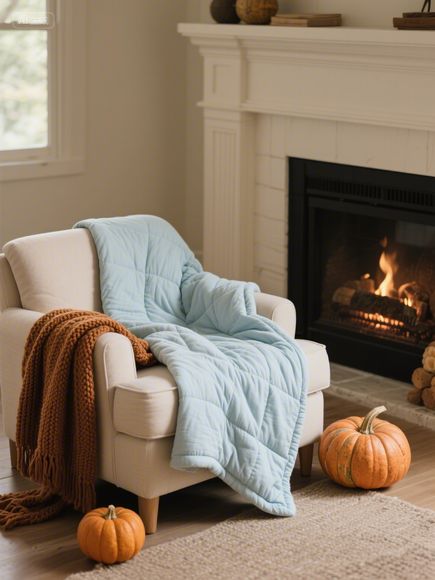
Corn Fiber Filled Mattress Cover:The Eco-Friendly Sleep Solution You Need
This innovative mattress cover utilizes corn fiber filling, offering a sustainable alternative to traditional materials. Crafted for comfort and breathability, it effectively wicks away moisture, reducing night sweats and promoting a cooler sleep environment. Beyond its cozy feel, the product champions eco-conscious living by being biodegradable and derived from a renewable resource. It's designed to protect your mattress while providing a premium sleep experience, combining practicality with environmental responsibility.
Okay, let's talk about filling your mattress, or rather, the filling inside your mattress cover! Today, we're diving deep into a fascinating and increasingly popular option: Corn Fiber Filled Mattress Cover. But wait, isn't it polyester? How does corn come into play? Stick with me; it's a cool blend of nature and technology!
First off, what exactly is this stuff? You might have heard terms like "polyester" or "microfiber" when shopping for bedding. Corn fiber filling is a specific type of synthetic fiber, but its origin story is unique and eco-conscious.
What Are Corn Fiber Filled Mattress Covers?
Think of it like this: You take corn kernels, extract the starch (primarily amylose and amylopectin), and then process this starch along with other components to create a polymer. This polymer is then spun into fibers, similar to how traditional polyester is made, but the starting material is renewable plant-based instead of petroleum-based fossil fuels.
So, a Corn Fiber Filled Mattress Cover is a bedding product where the filling inside the cover is made from these fibers derived from corn. It's not 100% pure corn, but the core material has a significant corn starch component, making it a bio-based polyester.
The Raw Material: More Than Just Corn Kernels
Let's break down the science (without the jargon overload!). The primary raw material is Corn Starch. This natural polymer is abundant and renewable. However, creating a durable fiber requires more than just starch. Manufacturers typically blend the corn starch-derived polymer with:
- Petroleum-based components: Often, a small percentage of conventional petroleum-based polymers are added. This is necessary to achieve the desired strength, melt point, and overall performance characteristics that standard synthetic fibers offer. Think of it as adding a "binding agent" or "performance booster" derived from oil to ensure the final fiber is robust and suitable for bedding.
- Other additives: Sometimes, other chemicals or components are added during the manufacturing process to enhance properties like color retention, flame resistance, or feel.
The Production Process: From Corn to Fiber
- Harvesting & Processing: Corn is harvested, dried, and processed to extract the starch.
- Polymerization: The corn starch is chemically reacted (often with catalysts) along with other components (like monomers derived from petroleum) to form a long-chain polymer. This is the crucial step where the bio-based and conventional components are combined.
- Spinning: The resulting polymer mixture is heated and extruded through tiny holes (spinnerets) to form thin, molten fibers. These fibers are then cooled and solidified.
- Texturizing & Finishing: The fibers are often treated to add bulk, strength, and desirable properties like softness or stain resistance. This might involve crimping or applying chemical finishes.
- Battling: The individual fibers are tangled together to form a soft, fluffy batt (the filling material).
- Filling the Cover: This batt is then placed inside a breathable outer shell (often made from cotton, linen, or other natural/synthetic fabrics) to create the final mattress cover.
Properties of Corn Fiber Filling

So, how does this corn-derived fiber perform compared to traditional options?
- Softness & Comfort: It's generally very soft, often compared to down or silk, providing excellent comfort for sleepers. The microfiber aspect (often used in these types of fills) means the fibers are incredibly fine, contributing to softness.
- Hypoallergenic: Many people find corn fiber filling hypoallergenic because it doesn't trap dust mites or mold as effectively as synthetic fibers can sometimes do. The smooth surface is less hospitable to allergens.
- Breathability: While synthetic, it's designed to allow air to pass through, helping to regulate temperature. It doesn't trap heat as excessively as some traditional synthetic fills might, making it a good option for people who sleep hot.
- Durability: It's quite durable and resistant to compression and body weight, maintaining its fluffiness over time.
- Machine Washable & Durable: Most corn fiber filled mattress covers are designed to be machine washable, making them easy to clean and maintain. They are also generally resistant to tearing and wear.
- Eco-Friendly Aspect: This is the key selling point. Using corn starch, a renewable resource, reduces dependence on fossil fuels. Many manufacturers also highlight that the production process requires less energy and has a lower carbon footprint compared to traditional polyester. Furthermore, the raw materials are biodegradable, meaning the end product will decompose naturally over time, unlike conventional polyester which can persist in landfills for centuries.
How Does Corn Fiber Compare to Other Fillings?
Let's look at a quick comparison:
| Feature | Corn Fiber Filling | Traditional Polyester Filling | Down/Feather Filling |
|---|---|---|---|
| Source | Renewable Corn Starch (Bio-based component) + Oil | Fossil Fuels (Petroleum) | Natural Animal Feathers |
| Eco-Friendliness | Higher (Bio-based, Biodegradable) | Lower (Fossil fuel derived, Non-biodegradable) | Moderate (Natural, but cleaning/drying issues) |
| Hypoallergenic | Generally Yes | Generally No | Generally Yes (Down is often treated) |
| Breathability | Good | Moderate to Low | Excellent |
| Durability | High | Very High | Moderate (loses fluff over time) |
| Temperature | Regulates well (Cooler than Down, Warmer than Pure Synthetic) | Can trap heat | Excellent (Natural insulation) |
| Allergen Attraction | Low | High (can trap dust mites) | Low (if properly cleaned) |
| Washability | Usually Yes, Easy Care | Usually Yes, Easy Care | Usually Yes, but requires special care |
| Fluff Retention | Good | Excellent | Poor (loses fluff quickly) |
Why Choose a Corn Fiber Filled Mattress Cover?
The decision often comes down to priorities:
- Environmental Consciousness: If reducing your carbon footprint and using renewable resources is important to you, corn fiber filling is a strong contender. It's a tangible way to choose products that align with eco-friendly values.
- Allergy Sufferers: The hypoallergenic properties make it an excellent choice for those with sensitivities to dust mites or synthetic fibers.
- Temperature Regulation: If you tend to sleep hot, the breathability of corn fiber can be a significant advantage over traditional synthetic fills that sometimes trap heat excessively.
- Durability & Longevity: You want something that lasts. Corn fiber filling is known for its resilience and ability to maintain its shape and fluffiness over many years of use.
- Easy Maintenance: The machine-washable aspect is a huge plus for busy individuals or families who want their bedding to stay fresh and hygienic without complicated care routines.
The Case for Jia Yu Textile Factory

Now, let's talk about a specific player in this market: Jia Yu Textile Factory. They are known for producing high-quality textiles, including innovative materials like corn fiber filling. When you choose a Jia Yu corn fiber filled mattress cover, you're likely benefiting from:
- Consistent Quality: Jia Yu likely has stringent quality control measures ensuring the filling meets specific standards for softness, durability, and performance.
- Advanced Technology: They probably utilize modern manufacturing techniques to optimize the blending of corn starch with other components, maximizing the eco-benefits while ensuring the final product is functional and comfortable.
- Focus on Comfort & Health: Their products are designed not just to be eco-friendly but also to provide genuine comfort and support, addressing both environmental concerns and personal well-being.
- Reliable Sourcing: They likely have established sustainable supply chains for their raw materials, ensuring the corn starch used is ethically and sustainably sourced.
Addressing Common Curiosities
Q: Is "Corn Fiber" the same as "Organic Cotton" or "Bamboo Fiber"? A: No, they are distinct materials. Organic cotton is a natural fiber grown without synthetic pesticides. Bamboo fiber is typically made from bamboo pulp (often chemically processed) or through mechanical means. Corn fiber is a synthetic fiber (a type of polyester) with a renewable base material. They offer different benefits and properties.
Q: Does corn fiber filling really break down faster than traditional polyester? A: Yes, one of the key advantages is biodegradability. While traditional polyester can take hundreds or even thousands of years to decompose, corn fiber, being bio-based, will naturally break down into organic matter under the right conditions (like industrial composting) much faster, significantly reducing landfill burden.
Q: How does the fluffiness and feel compare long-term? A: Corn fiber filling generally maintains its fluffiness well. Many users report it feels soft from day one and remains comfortable for years. Compared to down, it doesn't lose its insulating properties quickly, and compared to some cheaper synthetics, it holds its shape better.
Real-World Application: The Bedroom Upgrade

Imagine Sarah, a parent of two young children. Her bedroom is often filled with dust, pet dander (from their dog), and general chaos. She suffers from seasonal allergies and wants a better sleep environment. She decides to invest in a new mattress cover.
Sarah chooses one with corn fiber filling. Within weeks, she notices a difference. The cover feels soft and welcoming, and she doesn't wake up as stuffy or congested. Knowing that the filling is hypoallergenic and eco-friendly gives her peace of mind. Plus, the machine-washable feature means she can easily wash it regularly to keep it fresh amidst the household activity. She sleeps better, her allergies are better managed, and she feels good about the environmental impact of her purchase. That's the power of corn fiber filling in action.
Conclusion
Corn fiber filled mattress covers represent a smart blend of innovation and sustainability. By using renewable corn starch as a base component, they offer a more eco-friendly alternative to traditional petroleum-based synthetics, while still delivering comfort, durability, and hypoallergenic benefits. If you're looking to upgrade your sleep environment with a product that's good for you and the planet, corn fiber filling is definitely worth considering. Companies like Jia Yu Textile Factory are at the forefront of producing these high-performance, eco-conscious textile solutions.
Expanded Knowledge:
Hello everyone! Today, I'm going to talk about something that's becoming increasingly popular in the world of bedding: corn polylactic acid fiber blankets. But what exactly are these blankets made of? Let's dive in and find out!

What is Corn Polylactic Acid Fiber?
First off, let's get the basics straight. Corn Polylactic Acid Fiber, often abbreviated as CPOF, is a type of fiber that's derived from corn starch. Yes, you heard that right! It's a renewable resource, which means it's sustainable and environmentally friendly. This fiber is biodegradable and has good thermal insulation properties, making it a great choice for various applications, including blankets.
How is Corn Polylactic Acid Fiber Made?
The process of making CPOF is quite fascinating. Here's a simplified breakdown:
- Starch Extraction: The first step involves extracting starch from corn kernels.
- Chemical Transformation: The starch is then chemically transformed into polylactic acid.
- Fiber Formation: Finally, the polylactic acid is converted into fibers.
This transformation is done using special chemical processes that are both complex and innovative.
Components of Corn Polylactic Acid Fiber Blankets
Now that we know what CPOF is, let's talk about what makes up a corn polylactic acid fiber blanket. Here's a simple table that outlines the key components:
| Component | Description |
|---|---|
| Corn Starch | The raw material used to produce the fibers. |
| Polylactic Acid | The chemical compound derived from the starch, which forms the fibers. |
| Fibers | The final product, which are the continuous strands of fiber. |
| Weaving or Knitting | The method used to create the blanket, which can be either woven or knitted. |
| Additives | Various chemicals or materials added to enhance performance or durability. |
Advantages of Corn Polylactic Acid Fiber Blankets
Let's now discuss some of the key advantages of using corn polylactic acid fiber blankets.
Sustainability
One of the most significant advantages is its sustainability. Since CPOF is derived from corn starch, which is a renewable resource, it reduces the need for plastic fibers and contributes to a more sustainable future.

Environmental Benefits
The production process of CPOF is more environmentally friendly compared to traditional polyester fibers. It has a lower carbon footprint and is biodegradable, making it a better choice for the environment.
Thermal Insulation
Corn polylactic acid fibers have excellent thermal insulation properties. This means that the blankets made from these fibers can keep you warm in cold weather without causing excessive heat buildup.
Durability
These blankets are known for their durability. They can withstand frequent washing without losing their texture or effectiveness. This makes them a practical choice for people who use blankets regularly.
Comfort and Softness
Despite their durability, corn polylactic acid fiber blankets are also very comfortable and soft to the touch. They provide a good sleeping surface and are suitable for various uses, including camping, gaming, and casual lounging.
Case Study: Jiu Yu Textile Factory
Now, let's take a look at a real-world example of corn polylactic acid fiber blankets in action. Jiu Yu Textile Factory is a company that specializes in producing high-quality textiles, including blankets made from corn polylactic acid fibers.
According to their website, Jiu Yu Textile Factory uses advanced technology to produce these blankets. The process involves extracting corn starch, converting it into polylactic acid, and then weaving or knitting the fibers into blankets. The result is a product that combines the best of both worlds: sustainability and comfort.

One of the key advantages of Jiu Yu Textile Factory's blankets is their sustainability. By using corn polylactic acid fibers, they reduce the need for plastic fibers and contribute to a more sustainable future. Additionally, their blankets are known for their durability and comfort, making them a popular choice among consumers.
Conclusion
In conclusion, corn polylactic acid fiber blankets are a great alternative to traditional polyester blankets. They offer several advantages, including sustainability, environmental benefits, thermal insulation, durability, and comfort. As more companies adopt this innovative technology, we can expect to see more products made from corn polylactic acid fibers on the market.
If you're looking for a comfortable and environmentally friendly blanket for yourself or your loved ones, consider choosing a corn polylactic acid fiber blanket. You won't be disappointed!
I hope you enjoyed this detailed explanation of corn polylactic acid fiber blankets and their advantages. If you have any questions or need further information, feel free to ask!