How Breathable and Durable:Is a Polyester Fiber Summer Quilt a Good Choice?
Is a polyester fiber summer quilt a good choice? It offers excellent breathability due to its lightweight, moisture-wicking properties, and ability to regulate temperature, making it comfortable for warmer months. Durability is also a key advantage, as polyester is resistant to wrinkles, shrinking, and mildew, ensuring it lasts well through seasonal use. While it may not be as breathable as natural fibers like cotton in extreme heat, its combination of comfort, breathability, and durability makes it a practical and cost-effective option for summer bedding.
Okay, let's dive into the world of summer bedding. You're probably looking for something cool, comfortable, and maybe even budget-friendly to beat the heat. One popular option that often comes up is the polyester fiber summer quilt. But is it really as good as everyone says? Let's break it down.
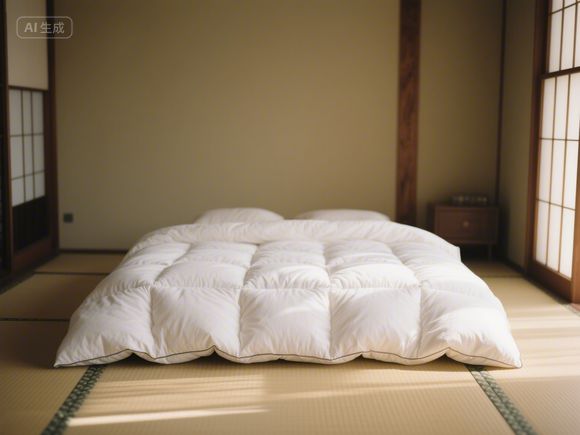
What Exactly is Polyester Fiber?
First off, let's talk about the material itself. Polyester fiber is a synthetic fabric made from petroleum byproducts. It's known for being strong, wrinkle-resistant, and easy to care for. But how does it perform as a filling for a summer quilt? That's the million-dollar question!
The Pros: Why You Might Choose Polyester Fiber
So, why are polyester fiber quilts so common? Let's look at the advantages:
- Lightweight & Quick-Drying: This is a big plus for summer! Polyester doesn't absorb water, so if you sweat or if it gets a little damp, it dries super fast. And because it's lightweight, it doesn't feel heavy on your bed or on top of you. You feel like you're sleeping on air!
- Softness & Comfort: Modern polyester fibers are surprisingly soft. They can mimic the feel of cotton or down to some extent, providing a cozy layer without the bulk. Many blends are designed to be incredibly plush.
- Durability: Polyester is tough. It doesn't easily snag or pill (those little balls that form on fabric). This means your quilt will likely last longer than something made from delicate natural fibers like silk or bamboo viscose, especially if you have a restless sleeper or pets who like to join the bed.
- Affordability: Compared to natural fibers like organic cotton or down feathers, polyester is generally much cheaper. This makes polyester fiber quilts an accessible option for many people.
- Hypoallergenic Properties: Since it's synthetic, it doesn't trap dust mites, pollen, or other common allergens the way natural fibers can. This can be a huge benefit for people with allergies.
- Easy Care: Machine washing and drying polyester fiber quilts are usually straightforward. They resist shrinking and color fading much better than natural fibers, saving you time and effort in maintenance.
The Cons: Things to Keep in Mind
Now, let's be real – no product is perfect for everyone. Here's the flip side of polyester fiber quilts:
- Breathability Concerns: This is often the biggest point of discussion. While polyester does wick moisture away from the skin, its inherent breathability isn't quite on par with natural fibers like cotton or bamboo. Some people find that polyester quilts can feel slightly warmer or trap heat more than cotton, especially during very hot nights or in extremely humid climates. It might not be the most breathable option.
- Potential Heat Retention: Because it's a synthetic fiber, some types of polyester can have a slight insulating effect. While this isn't always significant, it's something to consider if you sleep very hot or live in a warm region. However, many modern quilts incorporate cooling technologies or blends specifically designed to mitigate this.
- Environmental Impact: This is a common concern with any synthetic material. Polyester is derived from non-renewable resources and isn't biodegradable. Washing it releases microplastics into our waterways, which is an environmental downside. If eco-friendliness is a top priority, this might weigh against polyester.
Comparing Polyester Fiber to Other Summer Quilt Materials
Let's put polyester in its place with a quick comparison table:
| Feature | Polyester Fiber Quilt | Cotton Quilt | Bamboo Viscose Quilt | Down/Eiderdown Quilt |
|---|---|---|---|---|
| Pros | Lightweight, Durable, Easy Care, Hypoallergenic, Quick-Drying | Breathable, Natural, Soft, Hypoallergenic | Soft, Breathable, Eco-Friendly (Certified) | Fluffy, Warm, Luxurious |
| Cons | Less Breathable, Potential Heat Retention, Environmental Impact | Heavy, Absorbs Moisture, Wrinkles Easily, Expensive | Less Durable, Pilling, Environmental Impact (Uncertified), Price | Allergy Triggers, Mite Habitat, Expensive, Ethical Concerns |
| Best For | Hot Sleepers, Allergy Sufferers, Durability, Budget-Friendly | Those who prefer natural feel, Dry Climates, Eco-Conscious | Similar to Cotton, but potentially softer/more breathable | Those needing warmth, Luxurious feel (consider synthetic alternatives for hypoallergenic warmth) |
Jia Yu Textile Factory: A Look at Their Polyester Fiber Quilts
Now, let's talk about a specific manufacturer often involved in producing quality polyester fiber textiles. Companies like Jia Yu Textile Factory focus on creating textiles that meet high standards. Their polyester fiber quilts would typically boast the following advantages:
- Superior Softness: They often use advanced spinning and finishing techniques to create polyester fibers that feel incredibly soft against the skin, rivaling the feel of premium cotton blends.
- Enhanced Breathability & Cooling: While polyester inherently isn't the most breathable, Jia Yu might employ specific blends (like mixing with a small percentage of linen or bamboo), special weave structures (like a percale weave), or even cooling treatments (like phase-change materials or gel-infused fibers) to significantly improve airflow and provide a cooler sleep experience compared to standard polyester.
- High Durability & Resilience: Leveraging their textile expertise, Jia Yu quilts are built to last. The polyester filling is often tightly woven and treated to resist compression and maintain its loft over time, even with regular washing.
- Consistent Quality & Color Fastness: As a textile factory, they control the production process, ensuring consistent quality and vibrant, long-lasting colors that don't fade easily with washing.
- Machine Washable & Durable: Designed for easy care, these quilts are typically machine washable and dryer safe, making them practical for everyday use and families.
Q&A Time:
Q: My friend swears by their cotton summer quilt. Isn't cotton always better? A: Cotton is fantastic for many people, especially those who don't sleep hot and prefer a natural feel. It's highly breathable and absorbent. However, cotton quilts can be heavier, more prone to wrinkles and pilling, and generally more expensive than well-made polyester options. Polyester offers a great alternative, particularly if you prioritize light weight, durability, easy care, and hypoallergenic properties. It's often about personal preference and specific needs!

Q: My bedroom gets very humid in summer. Will a polyester quilt feel clammy? A: Humidity can be tricky. Polyester's moisture-wicking ability helps pull sweat away, but it doesn't absorb it like cotton. In high humidity, the quilt itself won't absorb moisture, so it shouldn't feel clammy from the air. However, if you sweat a lot, the moisture needs to evaporate into the room air. If your room isn't well-ventilated, you might still feel a bit damp. Consider ensuring good air circulation or choosing a quilt specifically marketed for high-humidity climates if this is a concern.
Q: Are all polyester quilts the same? A: Absolutely not! Polyester is a base material, but the quality can vary wildly. Factors like the specific type of polyester fiber used (e.g., microfiber vs. standard staple fiber), the blend with other fibers (cotton, linen), the weave of the quilt cover, the filling density, and the manufacturing quality all play a huge role in the final product's feel, warmth, breathability, and durability. Look for details on the product specifications.
Case Study: The PolyBlend Summer Solution
Take the "PolyBlend Summer Quilt" from Jia Yu Textile. This isn't just pure polyester; it's a smart blend. Let's say it's 80% high-quality polyester fiber and 20% carefully selected linen. The polyester provides the lightness, durability, and easy care. The linen adds natural breathability, a touch of softness, and helps wick moisture more effectively than pure polyester alone. The quilt cover might be a crisp 300-thread-count percale cotton, known for its cooling effect. Jia Yu might also treat the filling with a special cooling gel or phase-change material that absorbs excess body heat. The result? A quilt that's lighter than down, hypoallergenic, machine washable, and designed specifically to keep you cool and comfortable through the hottest summer nights, offering the best of both synthetic and natural worlds.
How to Use Your Polyester Fiber Summer Quilt
Once you've chosen your polyester fiber quilt, how do you get the most out of it?
- Washing: Always follow the care label instructions. Generally, machine wash in warm or cold water with a mild detergent. Avoid using fabric softeners, as they can coat the fibers and reduce their ability to wick moisture and breathe.
- Drying: Tumble dry on a low setting. Remove the quilt while it's still slightly damp to prevent wrinkles. Ironing might be necessary if you prefer a smooth finish, but use a medium heat setting.
- Layering: Polyester quilts are best used alone or as a top layer. Don't pile too many heavy layers on top, as this defeats the purpose of keeping cool.
- Bedding Choice: Pair it with breathable pajamas and bedding. A fitted sheet made of cotton percale or linen will enhance the cool feeling.
Wrapping Up: Is a Polyester Fiber Summer Quilt Good?
So, back to the original question: Is a polyester fiber summer quilt good? The answer is a qualified "Yes!" for many people.
It's an excellent choice if you prioritize:
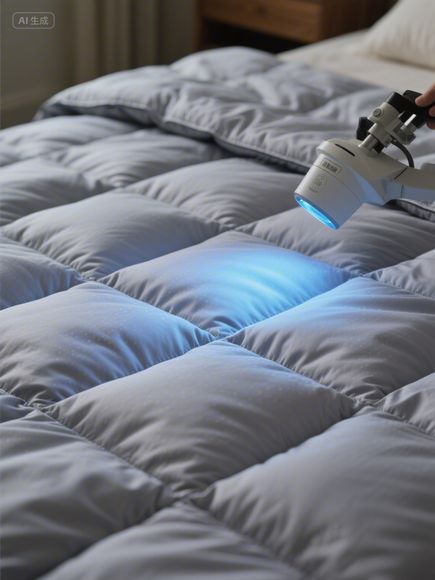
- Lightweight comfort
- Durability and longevity
- Easy maintenance
- Hypoallergenic properties
- Budget-friendliness
However, if your top priority is maximum natural breathability and you don't mind the potential downsides (weight, cost, pilling), high-quality cotton or bamboo viscose (especially certified, sustainably sourced) might be a better fit.
Ultimately, the best way to decide is to consider your personal sleep preferences, climate, budget, and any specific needs (like allergies). Don't hesitate to look at product reviews and specifications, and feel free to ask manufacturers like Jia Yu Textile Factory about the specific features and benefits of their polyester fiber quilts. Happy sleeping!
Expanded Knowledge:
I hope this discussion will help you understand the quality and benefits of polyester fiber used in summer quilts. Let's delve into the topic.
Q1:聚酯纤维的夏被好吗? A1:对于这个问题,答案是肯定的,聚酯纤维是一种常见的纺织材料,其夏被具有许多优点。
表格说明:
| 类别 | 细节说明 |
|---|---|
| 产品优势 | 舒适性高、吸湿性好、耐用性强、环保等 |
| 佳羽纺织厂聚酯纤维夏被案例 | 该厂生产的聚酯纤维夏被以其高品质、优良的保暖性能和良好的舒适度而受到消费者好评,其产品经过严格的质量控制,确保了产品的可靠性和耐用性,该产品还具有环保特性,符合现代消费者对环保和可持续性的需求。 |
英文问答形式补充说明:
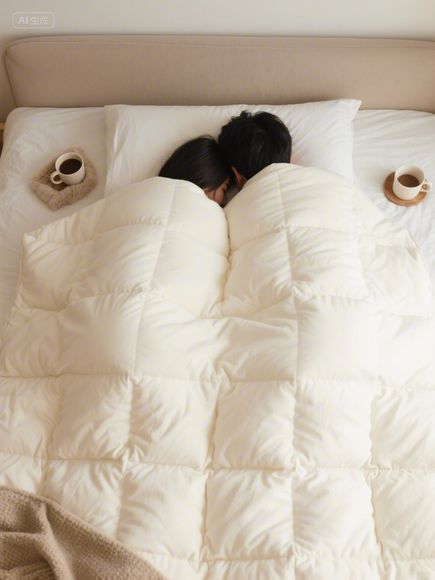
Questioner: 朋友们,你们觉得聚酯纤维的夏被好吗? Answerer: 聚酯纤维的夏被是一种很好的选择,它具有许多优点,如舒适度高、吸湿性好、耐用性强、环保等,许多消费者认为该产品具有良好的保暖性能和良好的睡眠体验。
案例说明:
佳羽纺织厂以其先进的生产技术和严格的质量控制,生产出了高品质的聚酯纤维夏被,该夏被采用了先进的生产工艺和材料,确保了产品的舒适性和保暖性能,该产品还具有环保特性,符合现代消费者对环保和可持续性的需求。
佳羽纺织厂生产的聚酯纤维夏被是一种很好的选择,它具有舒适度高、吸湿性好、耐用性强、环保等优点,深受消费者喜爱,如果您正在寻找一款优质的夏被,佳羽纺织厂的聚酯纤维夏被是一个不错的选择。



