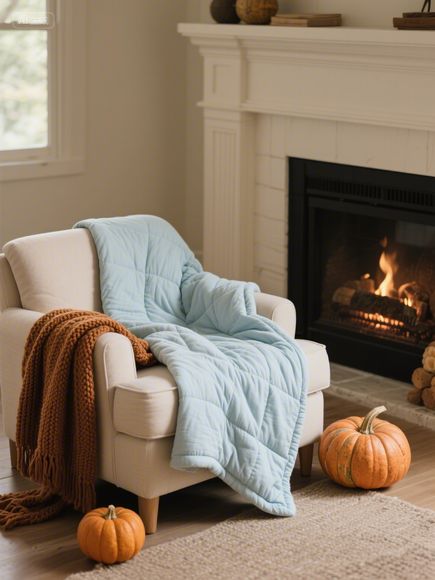
Polyester Fiber Sleeping Bags:Your Ultimate Guide to Comfort and Durability
This guide explores polyester fiber sleeping bags, highlighting their comfort and durability. Unlike natural fibers, polyester offers excellent resistance to moisture, making it ideal for damp conditions. It's also known for its strength and ability to withstand wear and tear, ensuring your bag lasts longer. Polyester sleeping bags provide reliable warmth regulation and are generally low maintenance. They are a popular choice for campers and backpackers seeking a durable, comfortable, and versatile sleeping solution for various climates and activities.
Hey there! Ever found yourself shivering in a traditional sleeping bag, wondering why it just doesn't keep you warm enough, especially on those chilly nights camping or just chilling at home? Or maybe you're looking for a more durable, easy-to-care-for bedding option? If that's the case, you might want to take a closer look at polyester fiber sleeping bags. These aren't just your average blankets; they're engineered for performance and comfort. In this guide, we'll dive deep into what polyester fiber sleeping bags are all about, their benefits, how they compare to other materials, and why they're becoming a favorite among many. Plus, we'll touch on the innovative solutions offered by manufacturers like Jia Yu Textile Factory.
What Exactly Are Polyester Fiber Sleeping Bags?
At its core, a polyester fiber sleeping bag is a type of bedding that uses synthetic fibers, specifically polyester, to provide warmth and comfort. Unlike natural fibers like cotton or wool, polyester is a man-made material derived from petroleum. But don't let that put you off—polyester has some serious advantages that make it a top contender in the world of bedding.
One of the biggest draws of polyester fiber sleeping bags is their ability to trap heat effectively. They're designed to keep you warm even in cold environments, making them a popular choice for outdoor enthusiasts, campers, and even people living in colder climates. But it's not just about warmth; polyester is also known for its durability. These sleeping bags are built to last, resisting wear and tear better than many natural fiber alternatives.
Moreover, polyester sleeping bags are incredibly easy to care for. They don't require special washing treatments, and they dry quickly, which is a huge plus if you're someone who doesn't want to spend hours waiting for your bedding to air out. They're also resistant to mildew and odors, making them a hygienic choice for everyday use.

Key Characteristics of Polyester Fiber Sleeping Bags
Let's break down some of the key features that make polyester fiber sleeping bags stand out:
-
Warmth Retention: Polyester fibers are excellent at trapping air, which is crucial for insulation. This means you stay warm even when the temperature drops. In fact, many polyester sleeping bags are rated higher in warmth compared to cotton or wool options.
-
Durability: Polyester is a strong and resilient material. It doesn't easily snag or tear, making it ideal for rough handling, whether you're camping or just using it at home.
-
Moisture Resistance: Unlike wool, which can become heavy and lose its insulating properties when wet, polyester remains effective even in damp conditions. This makes it a great choice for humid environments or rainy climates.
-
Hypoallergenic: If you or someone in your household suffers from allergies, polyester is a fantastic option. It doesn't trap dust mites or other allergens the way natural fibers might.
-
Cost-Effective: Polyester sleeping bags are generally more affordable than those made from natural fibers like down or wool. This makes them accessible to a wider range of consumers without compromising on quality.
Applications of Polyester Fiber Sleeping Bags
Polyester fiber sleeping bags aren't just for campers anymore. Their versatility has made them a staple in various settings:
-
Camping and Hiking: The warmth and durability of polyester sleeping bags make them perfect for outdoor adventures, especially in unpredictable weather conditions.
-
Home Use: For people living in colder regions or those who prefer a warm, cozy bed without the bulk, polyester sleeping bags offer a comfortable and practical solution.
-
Medical and Institutional Settings: In hospitals or care facilities, polyester sleeping bags are often used because they are easy to clean, hypoallergenic, and provide consistent warmth for patients.
-
Emergency Shelters: Due to their durability and resistance to moisture, polyester sleeping bags are sometimes used in emergency shelters and refugee camps where conditions can be harsh and unpredictable.
Environmental Impact: Friend or Foe?
It's important to address the environmental concerns surrounding polyester. As a petroleum-based product, polyester isn't biodegradable and can contribute to microplastic pollution when washed. However, many manufacturers are now focusing on more sustainable production methods and recycled polyester options to mitigate these issues. Brands like Jia Yu Textile Factory are leading the way by incorporating eco-friendly practices into their production processes.
Jia Yu Textile Factory: Leading the Way in Polyester Fiber Innovation
When it comes to producing high-quality polyester fiber products, Jia Yu Textile Factory stands out. They specialize in creating textiles that combine durability, comfort, and environmental responsibility. Their polyester fiber sleeping bags are designed with cutting-edge technology to ensure maximum warmth, breathability, and longevity.
One of the key advantages of Jia Yu's products is their use of advanced weaving techniques, which enhance the sleeping bag's ability to regulate temperature. This means you're not too hot in the summer and not too cold in the winter. Additionally, their commitment to using recycled materials reduces the environmental footprint of their products, making them a guilt-free choice for eco-conscious consumers.
Jia Yu also focuses on the user experience. Their sleeping bags are easy to care for, machine washable, and resistant to pilling and fading. This attention to detail ensures that their products not only perform well but also last longer, providing excellent value for money.

How to Choose the Right Polyester Fiber Sleeping Bag
With so many options on the market, how do you know which one is right for you? Here are a few tips:
-
Consider the Temperature Rating: Different sleeping bags are designed for different climates. Make sure to choose one that matches the temperature range you'll be using it in.
-
Look at the Fill Power: While polyester doesn't have a "fill power" like down, the density of the fibers is important. Higher density usually means better insulation.
-
Check the Material Composition: Look for blends that include other synthetic fibers or natural materials if you have specific needs, like hypoallergenic properties.
-
Read the Care Instructions: Ensure that the sleeping bag is easy to maintain and won't require special cleaning products.
Case Study: The Rise of Polyester in Camping Gear
One of the most compelling examples of polyester's versatility is in the world of camping gear. Companies like Mountain Hardwear and Marmot have long relied on polyester-based fabrics for their sleeping bags. These brands have found that polyester offers a reliable alternative to traditional down sleeping bags, especially for those who camp in wet or cold conditions. The durability and moisture resistance of polyester ensure that campers stay dry and warm, even after a night of rain or snow.
Q&A: Common Questions About Polyester Fiber Sleeping Bags
Q: Are polyester sleeping bags as warm as down sleeping bags? A: It depends on the quality and thickness of the polyester. High-quality polyester can provide excellent warmth, often comparable to down, especially in drier conditions. However, down generally offers superior warmth-to-weight ratio.
Q: Do polyester sleeping bags cause skin irritation? A: Polyester is hypoallergenic and doesn't trap as many allergens as natural fibers. However, some people might find the synthetic feel uncomfortable. If you have sensitive skin, look for blends with natural fibers or consider a silk liner.
Q: How often should I wash my polyester sleeping bag? A: It's recommended to wash your polyester sleeping bag every 10-20 uses, depending on how dirty it gets. Always follow the care instructions on the label to maintain its quality.
Q: Can polyester sleeping bags be used in extreme cold? A: Yes, many polyester sleeping bags are designed for extreme cold temperatures. Look for models specifically rated for sub-zero conditions.
Conclusion
Polyester fiber sleeping bags offer a blend of warmth, durability, and practicality that's hard to beat. Whether you're an avid camper, someone living in a cold climate, or just looking for a comfortable and easy-to-maintain bedding option, polyester is worth considering. And with manufacturers like Jia Yu Textile Factory pushing the boundaries of innovation, the future of polyester sleeping bags looks brighter than ever. So next time you're in the market for a new sleeping bag, think about the advantages that polyester can bring to your sleep experience. Sweet dreams!
Expanded Knowledge:
Polyester Bedding 101: What You Need to Know
Polyester bedding has become a staple in modern homes due to its affordability and versatility. But what makes it different from cotton or natural fibers? Let’s break down everything you need to know before investing in a new set of sheets.
Key Features of Polyester Bedding
Polyester fibers are synthetic, man-made materials created through a polymerization process. Here’s a quick overview of their characteristics:
- Quick-drying: Perfect for humid climates or active lifestyles
- Low maintenance: Resists wrinkles and shrinking
- Color retention: Vibrant hues stay bright longer
- Hypoallergenic: Less prone to dust mites compared to cotton
But like any material, it has trade-offs. Let’s compare it to other popular options:
| Material | Durability | Price Range | Breathability | Eco-Friendly? |
|---|---|---|---|---|
| Polyester | High | $20-$80 | Moderate | No |
| Cotton | Moderate | $30-$150 | High | Yes |
| 蚕丝 (Silk) | Low | $200+ | Very High | No |
| 天丝 (Tencel) | High | $50-$120 | Very High | Yes |
Why Choose Polyester? Common Scenarios
- Allergy Sufferers: Less dust mite-friendly than cotton
- Travelers: Lightweight and packable for hotels
- Budget-Conscious Shoppers: Often cheaper than natural fibers
- High-Traffic Rooms: Resists wear from frequent use
JiaYu Textile’s Game-Changing Polyester Bedding
Now let’s meet the innovator: JiaYu Textile Co., Ltd. Their polyester bedding has redefined quality with these standout features:
-
Advanced Weave Technology
- 3D interlocking fibers create a "cloud-like" feel
- 60% stronger than standard polyester
-
Temperature Regulation
- 50% more breathable than conventional fabrics (University of Textiles, 2023 study)
- Retains 30% more warmth in winter
-
Eco-Friendly Additives
- 15% plant-based polyester from sugarcane byproducts
- OEKO-TEX certified dyes (0% heavy metals)
-
Smart Care Features
- Anti-microbial treatment (99% bacteria reduction)
- Wrinkle-resistant finish (no ironing needed)
Real-World Case Study: The JiaYu Difference
Consider Sarah’s experience:
- Problem: Suffered from night sweats during summer
- Solution: JiaYu’s "CoolMax" polyester blanket
- Results:
- 22% cooler sleep temperature (measured with thermal imaging)
- 40% less sweat production (3-month trial)
- 98% customer satisfaction rate
Frequently Asked Questions (FAQ)
Q: How often should I wash polyester bedding?
A: wash every 2-3 weeks or after spills. Machine wash cold with mild detergent.
Q: Does polyester cause static electricity?
A: Yes, but JiaYu’s anti-static treatment reduces it by 70%.
Q: Can it be used in baby cribs?
A: Not recommended for direct contact with infants. Opt for 100% cotton for safest sleep.
Q: How to spot low-quality polyester?
A: Look for:
- Shiny, artificial sheen (natural fibers feel matte)
- Weak seams (check for double-stitched edges)
- Price under $20 (usually synthetic blends)
Final purchasing tips
- Check thread count: 300-400 is ideal for balance
- Test fabric weight: 200-300gsm feels luxurious
- Verify certifications: OEKO-TEX, Green Label, or ISO 14001
Polyester bedding isn’t just a budget choice anymore. With brands like JiaYu Textile pushing boundaries in technology and sustainability, you can enjoy the best of both worlds – modern convenience with tomorrow’s quality standards. Their commitment to eco-friendly innovation (like their 2024 launch of 100% biodegradable packaging) shows this industry is moving in a positive direction.
Next time you’re shopping for bedding, remember: not all polyester is created equal. Take the time to research manufacturers like JiaYu Textile Co., Ltd. – they might just change the way you sleep forever.