Is Polyester Fiberfill Really Being Eliminated?Exploring Its Enduring Role in Modern Materials
Is Polyester Fiberfill Really Being Eliminated? Exploring Its Enduring Role in Modern Materials,Despite growing environmental concerns, polyester fiberfill is not universally being eliminated. While its synthetic nature raises questions about biodegradability and microplastic shedding, it remains a dominant material in bedding (pillows, comforters) and insulation due to its excellent cost-effectiveness, resilience, and consistent performance. Its widespread use underscores its enduring value in applications demanding durability and affordability. However, the push for sustainability is driving innovation, leading to the development of recycled polyester (rPET) and other eco-conscious alternatives, suggesting adaptation rather than outright removal, as its functional benefits continue to make it a prevalent choice in modern materials science.
Okay, let's talk about polyester fiberfill. You might have heard whispers, maybe even some definitive statements, that this ubiquitous material is on the ropes, perhaps even being "eliminated" from certain applications. Maybe you're a product designer, a manufacturer, or just someone curious about the stuff filling your beanbag chair or your winter jacket's lining. It's a common material, but its future can feel uncertain, especially with newer, often eco-conscious materials popping up. So, is it truly being phased out, or is it just evolving?
First off, let's be clear: "eliminated" is a strong word. No single material in manufacturing and consumer goods gets "eliminated" overnight. Materials evolve, get repurposed, or find new niches. Polyester fiberfill, despite facing some headwinds, is still very much a player. But understanding its current state requires looking at its properties, its applications, the challenges it faces, and the innovations keeping it relevant.
What Exactly is Polyester Fiberfill?
Think of it as a synthetic, fluffy material. It's made from tiny plastic fibers, usually derived from petroleum, spun together to create a soft, insulating, and resilient substance. It's different from the polyester you find in clothing (which is often woven or knitted fabric) or even from other synthetic fillings like polystyrene (the bead kind) or natural down feathers.
Polyester fiberfill is specifically engineered for stuffing. It provides warmth, cushioning, and shape retention in a wide array of products. Its key characteristics include:
- Durability: It doesn't easily compress permanently or break down quickly with normal use.
- Resilience: It tends to bounce back after being compressed.
- Moisture Resistance: It doesn't absorb water easily, making it good for outdoor gear and upholstery in damp environments.
- Low Flammability (often treated): Many applications require fire resistance, and polyester can be treated for this purpose.
- Cost-Effectiveness: Generally, it's relatively inexpensive compared to some alternatives like high-quality natural down.
Why Might Concerns About Polyester Fiberfill Arise?
Before we talk about its survival, let's address the "why" behind the potential elimination talk. Several factors contribute to these concerns:

- Environmental Impact: This is probably the biggest factor. Polyester is a petroleum-based product. Its production involves energy-intensive processes and relies on non-renewable resources. Furthermore, polyester is notoriously difficult to recycle, especially when it's already been chopped up into fiberfill form. This creates a significant end-of-life problem, contributing to microplastic pollution when items like pillows or sleeping bags break down and are washed. Consumers and businesses are increasingly demanding more sustainable and eco-friendly alternatives.
- Ethical Concerns (Animal Welfare): For applications where down feathers were traditionally used (like jackets, comforters), polyester fiberfill offers a cruelty-free alternative. While this is a positive aspect for animal lovers, it also means that as awareness grows, demand for synthetic fillings like polyester might face competition from other ethical options, like plant-based fills (e.g., hemp, bamboo, recycled materials) or innovative protein-based fills (e.g., cashmere, mohair alternatives).
- Performance Limitations Compared to Alternatives: Some newer materials claim superior performance. For example:
- Natural Fibers (Organic Cotton, Hemp, Wool): Offer natural insulation, breathability, and biodegradability. However, they can be less durable, more expensive, and may require chemical treatments (like fire retardants) that polyester often doesn't.
- Plant-Based Fibers (Bamboo, Soy-Based): Marketed as eco-friendly, but performance can vary, and some claims are debated. They might not offer the same level of warmth or resilience in all conditions.
- Recycled Materials: Using recycled polyester (rPET) is a step towards reducing virgin resource use. However, the quality can sometimes be an issue, and the recycling process itself has environmental costs. Recycled natural fibers exist but are less common for bulk filling.
- Protein-Based Fibers: Lab-grown cashmere or silk alternatives are emerging, offering luxurious feel and ethical sourcing, but they are still niche and often more expensive.
Is Polyester Fiberfill Being Eliminated? The Nuances
So, is it being eliminated across the board? Probably not. But it's certainly facing pressure and undergoing significant changes:
- It's Not Going Away Anonymously: Think about all the upholstered furniture, car seats, sleeping bags, winter jackets, hats, and pet beds in the world. Polyester fiberfill is still the dominant material in many of these categories because it delivers reliably on cost, performance (warmth, resilience), and durability for a wide range of uses. It's hard to simply "eliminate" a material that fills so many functional needs without a drop-in replacement that's equally good or better in all aspects.
- Shift Towards Sustainability is Key: The real change isn't necessarily eliminating polyester fiberfill itself, but pushing the industry towards more sustainable versions of it and reducing its overall use where better alternatives exist. This includes:
- Increased Use of Recycled Polyester (rPET): Many manufacturers, including some at companies like Jia Yu Textile Mill, are actively incorporating rPET into their fiberfill blends. This reduces reliance on virgin fossil fuels and diverts plastic waste from landfills and oceans. It's a practical way to make polyester fiberfill less impactful without abandoning the material entirely.
- Improved Recycling Technologies: Research into better ways to recycle polyester fiberfill is ongoing. If successful, this could drastically reduce landfill waste and create a more circular economy for the material.
- Blended Materials and Innovations: Manufacturers are developing blends that combine polyester fiberfill with other fibers (like natural ones) to enhance certain properties (e.g., adding natural fibers for breathability in summer bedding) or to improve recyclability.
- Context Matters: In applications where performance and cost are paramount, and where the product lifespan is long, polyester fiberfill will likely remain a strong contender. However, in segments where sustainability is a key driver for consumers (e.g., premium outdoor gear, eco-conscious home textiles), alternatives are gaining ground, and manufacturers might choose them over traditional polyester.
Let's Look at Jia Yu Textile Mill's Take on Polyester Fiberfill
Okay, let's talk about Jia Yu Textile Mill. As a textile manufacturer, they likely deal with polyester fiberfill daily. While I don't have direct access to their internal R&D or specific product strategy, we can infer based on industry trends and the company's likely goals. Companies like Jia Yu need to stay competitive. They understand the pressures around sustainability.
Here’s how a forward-thinking company like Jia Yu might position their polyester fiberfill:
Q&A: Understanding Jia Yu Textile Mill's Polyester Fiberfill
Q: What are the key advantages of Jia Yu Textile Mill's polyester fiberfill products? A: At Jia Yu Textile Mill, we understand that our customers need reliable, high-performance filling solutions. Our polyester fiberfill is engineered to deliver exceptional durability and resilience. It maintains its shape and fluffiness even after repeated use, ensuring your products look and feel great for longer. We also prioritize consistent quality batch after batch, so manufacturers can rely on uniform performance. Furthermore, we are increasingly focused on sustainability. Many of our polyester fiberfill options incorporate recycled polyester (rPET), significantly reducing the environmental footprint compared to virgin polyester. This commitment allows us to offer a product that doesn't compromise on performance but actively contributes to a more circular economy. We work closely with our clients to tailor blends that meet specific performance and eco-design criteria.
Q: How does Jia Yu address the environmental concerns surrounding polyester? A: Environmental responsibility is core to our operations. While polyester is a synthetic material, we recognize the importance of minimizing its impact. Our primary strategy involves maximizing the use of post-consumer recycled polyester (rPET) derived from plastic bottles and other waste streams. This diverts waste and drastically cuts the carbon emissions and fossil fuel use associated with virgin production. We are also investing in improved manufacturing processes to reduce water and energy consumption. Transparency is key, so we strive to provide clear information about the recycled content in our products. Ultimately, we see polyester fiberfill as a material that can be part of the solution, especially when blended intelligently and paired with robust recycling initiatives.
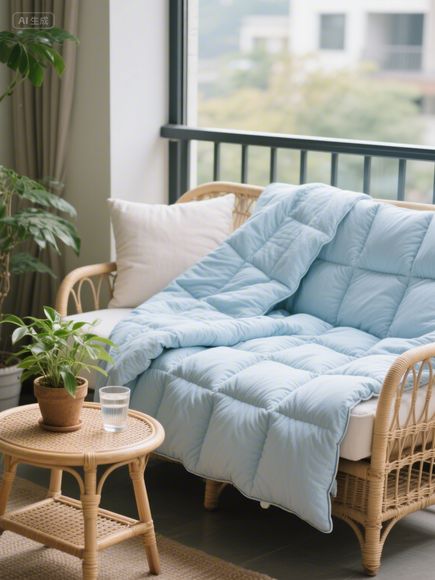
Q: Can Jia Yu's polyester fiberfill compete with natural or other alternative fillings? A: Absolutely. While natural fillings like down or wool offer unique benefits (e.g., breathability, luxurious feel), polyester fiberfill provides unmatched cost-effectiveness and performance consistency, especially in terms of warmth and resilience across a wide range of conditions. For applications demanding high durability and low maintenance, like furniture cushions or outdoor gear, our polyester fiberfill is often the preferred choice. Moreover, with our increasing use of recycled polyester, we offer a compelling eco-conscious alternative to both traditional virgin polyester and some natural options, without sacrificing core performance attributes. We believe in providing solutions that meet diverse market needs.
Case Study: The Enduring Use of Polyester Fiberfill in Outdoor Gear
Consider the booming outdoor and apparel industry. Hiking jackets, sleeping bags, insulated vests – these products rely heavily on effective insulation. Down feathers offer exceptional warmth-to-weight ratio but are expensive, have ethical concerns, and get wet. Synthetic fillings like polyester fiberfill are a direct competitor.
Polyester fiberfill remains dominant in mid-weight and budget-friendly insulation. It dries quickly if it gets wet (a crucial feature for hikers), retains warmth even when damp, and is generally less expensive than down. While premium down jackets continue to capture the high-performance, luxury segment, polyester fiberfill powers the vast majority of outdoor gear that needs to perform reliably in various weather conditions, often at a more accessible price point. This demonstrates its resilience and continued relevance despite competition.
The Future Outlook: Adaptation and Integration
So, is polyester fiberfill being eliminated? Not entirely. It's not being replaced wholesale. Instead, the narrative is shifting towards adaptation and integration.
- Sustainability Integration: Expect more polyester fiberfill products to be made from recycled content. Look for certifications like bluesign® or GRS (Global Recycled Standard) on products claiming to be eco-friendly.
- Hybrid Solutions: Blends combining polyester with natural or other engineered fibers will likely become more common, aiming to balance performance, cost, and environmental impact.
- Focus on Circular Economy: Manufacturers, including textile mills like Jia Yu, will need to develop better ways to collect, process, and reincorporate used polyester products back into the production cycle.
- Innovation in Fiber Technology: Research might lead to new types of polyester or modified polyester fiberfill with enhanced properties (e.g., better biodegradability under specific conditions, improved thermal properties).
Conclusion: Not Eliminated, Evolving
The idea that polyester fiberfill is being "eliminated" overlooks its fundamental utility and the ways the industry is adapting. It's a material deeply embedded in countless products we use daily. While environmental concerns are valid and driving change, they are prompting innovation rather than outright removal. Materials like polyester fiberfill will likely continue to be used, perhaps in modified forms, blends, or with higher recycled content, especially where performance and cost justify its use.
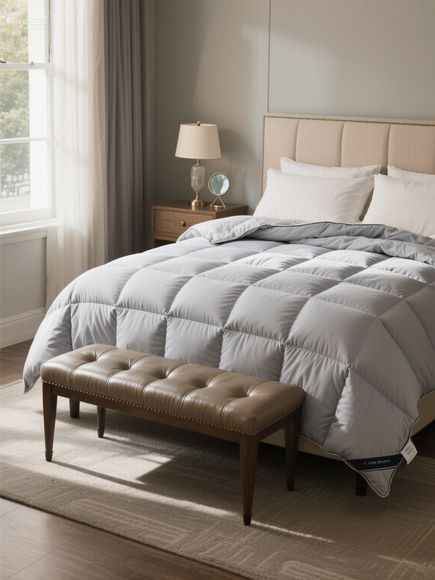
Companies like Jia Yu Textile Mill are part of this evolution, focusing on sustainable production methods and offering products that meet the changing demands of the market. So, instead of elimination, think of polyester fiberfill's future as one of evolution and integration into a broader, more conscious materials landscape. It hasn't been cancelled; it's just being asked to level up.
Expanded Knowledge:
在探讨聚酯纤维棉是否被淘汰的话题时,我们可以通过一系列的英文问答和案例分析来深入了解这一话题。
关于聚酯纤维棉的讨论
Q1:聚酯纤维棉是否被视为一种被淘汰的产品?
A1:目前来看,聚酯纤维棉作为一种新型材料,在某些领域和行业中仍然具有不可替代的优势,它具有优良的耐用性、吸湿性、保暖性等特性,因此在某些领域中仍然具有一定的市场地位,随着科技的不断进步和新型材料的不断涌现,聚酯纤维棉是否被淘汰也取决于其应用领域和市场需求。
产品优势说明
产品优势一:环保性能优越
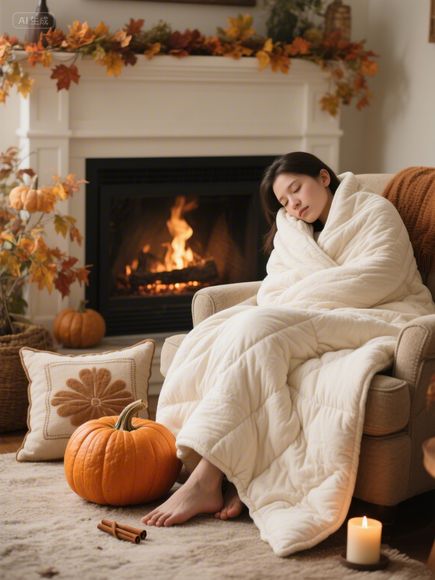
Polyester纤维棉采用环保生产技术,无污染、无排放,符合可持续发展的理念,其产品具有较好的吸湿性,能够保持衣物干爽舒适。
产品优势二:高强度和高舒适度
Polyester纤维棉具有较高的强度和耐用性,能够满足不同领域的需求,其产品还具有较好的吸湿性和透气性,能够提供舒适的穿着体验。
佳羽纺织厂聚酯纤维棉案例分析
佳羽纺织厂作为一家专注于生产聚酯纤维棉的企业,其在产品设计和生产过程中注重产品的质量和性能,该厂采用先进的生产工艺和技术,确保产品的质量和性能达到行业领先水平,该厂还注重产品的环保性和可持续性,积极推广绿色生产理念。
随着科技的不断发展和新材料的不断涌现,聚酯纤维棉的应用领域和市场需求也将不断变化,从目前的情况来看,聚酯纤维棉仍然具有不可替代的优势,其在某些领域中仍然具有一定的市场地位,随着新型材料的不断涌现和技术的不断进步,聚酯纤维棉的应用前景也将更加广阔。
聚酯纤维棉作为一种新型材料,具有优良的耐用性、吸湿性、保暖性等特性,因此在某些领域中仍然具有一定的市场地位,随着科技的不断发展和新材料的不断涌现,聚酯纤维棉的应用前景也将更加广阔,佳羽纺织厂在聚酯纤维棉的生产过程中注重产品的质量和性能,积极推广绿色生产理念,为行业的发展做出了积极的贡献。



