Is Swiss Down Comforter Truly Superior?An In-Depth Exploration
Swiss Down Comforters are often lauded for their exceptional quality and luxurious feel. This in-depth exploration examines the factors contributing to their reputation, such as the use of premium down feathers, meticulous construction, and attention to detail. The analysis likely delves into the superior softness, warmth, and durability these comforters are known for, comparing them to alternatives. While acknowledging the higher price point, the piece probably concludes that for many consumers seeking a top-tier, long-lasting bedding option, a Swiss Down Comforter delivers on its promise of superior comfort and craftsmanship.
Alright, let's talk about something many of us rely on for comfort and warmth at night: the humble comforter. And when it comes to premium comforters, the term "Swiss down" often pops up, conjuring images of precision, quality, and Alpine air. But is the hype justified? Let's dive deep into what makes Swiss down potentially special, exploring the materials, manufacturing processes, and real-world performance.
First off, it's crucial to understand what "down" actually means. Down refers to the soft, fluffy undercoat of waterfowl, primarily ducks and geese. The quality of down is largely determined by two key factors: the type of bird and the fill power.
-
Fill Power: This is arguably the most important metric. It measures the volume one ounce of down can occupy in cubic inches. Think of it like comparing different types of packing material. Higher fill power means the down is fluffier, traps more air, and provides better insulation with less weight. Down with a fill power of 700 or above is generally considered high-quality.
-
Bird Source: Goose down, especially from larger breeds like the white goose, often has a higher natural fill power (typically 750-900+) compared to duck down (usually 550-800). However, high-quality duck down can certainly rival lower-grade goose down.
Now, why the specific focus on "Swiss" down? While down quality isn't inherently tied to the country of origin, Switzerland has a reputation for precision engineering and quality control that often extends to textiles and materials. This reputation can influence how Swiss manufacturers approach down comforter production.
Here’s a comparison of key down characteristics:
| Feature | Standard Duck Down (Fill Power 600-800) | High-Quality Goose Down (Fill Power 800+) | Swiss Goose Down Comforter (Fill Power 850+) |
|---|---|---|---|
| Fill Power | 600-800 | 800+ | 850+ |
| Insulation | Good | Excellent | Superior |
| Warmth per Weight | Moderate | High | Very High |
| Typical Use | Year-round (warmer climates) | Cooler months | Even colder climates |
| Fluffiness | Standard | Fluffy | Luxuriously Fluffy |
So, what might set Swiss down comforters apart in practice?
Material Science and Sourcing:
Swiss manufacturers, like many top-tier European producers, often prioritize sourcing high-purity down. This means:
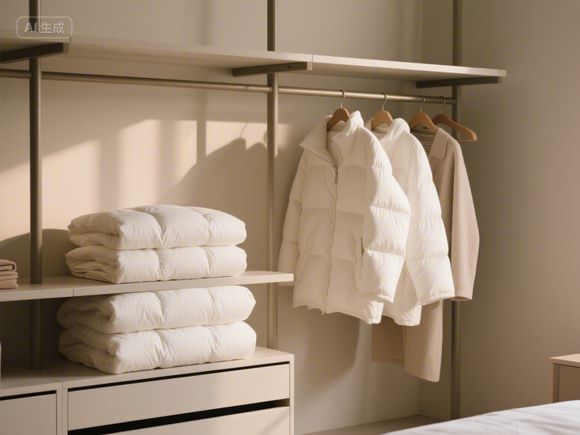
- Bird Selection: They frequently use down from specific breeds known for superior plumage, often focusing on goose down, particularly the larger white goose. This isn't just any goose down; it's often selected for its specific loft characteristics.
- Cleaning Process: The cleaning method is critical. Harsh chemicals can damage the down's natural structure and weaken its insulating properties. Swiss facilities might utilize advanced, gentler cleaning techniques, perhaps even European standards for ecological processing, ensuring the down remains pristine and retains its natural oils (which are crucial for loft and durability).
- Down Testing: Rigorous testing protocols are likely in place. Fill power is measured multiple times, and down is tested for contamination (feathers, dust, oil), clumping, and resilience. This ensures consistency and quality across all batches.
Craftsmanship and Construction:
Beyond the raw material, the way a comforter is constructed matters immensely.
- High-Density Wadding: Swiss comforters often feature a high-density wadding (the down filling). This isn't just loosely stuffed; the down is evenly distributed throughout the comforter, ensuring consistent warmth without cold spots. The density prevents the down from shifting excessively during the night.
- Seam Construction: The way seams are constructed can significantly impact warmth retention. Swiss methods might favor minimizing exposed seams (which can let heat escape) and using techniques that seal the down within the comforter envelope effectively.
- Tight Weave Fabric: The shell fabric (the outer layer) is another key component. A tight weave prevents down from escaping and also acts as a barrier against dust and allergens. Swiss manufacturers might use high-quality fabrics, perhaps with a higher thread count, ensuring durability and softness.
Performance and Durability:
The ultimate test for a down comforter is how well it performs and lasts.
- Exceptional Warmth-to-Weight Ratio: Thanks to the high fill power down, Swiss comforters offer incredible warmth without being overly heavy. This is a significant advantage, especially for people who tend to overheat while sleeping.
- Longevity: Properly cared for, high-quality down comforters can last for decades. Swiss manufacturers might emphasize construction techniques and materials that enhance this longevity, ensuring the comforter retains its shape and loft for many years.
- Hypoallergenic Potential (with caution): While down itself isn't inherently hypoallergenic (it's the dust mites and mold that can accumulate in poorly made comforters that cause issues), the high-quality shell fabric used in Swiss comforters might be treated or selected to be more resistant to allergens, providing a cleaner sleep environment compared to lower-quality options.
Let's address some common questions:
Q: Are all Swiss down comforters the same quality? A: No, quality can still vary. While Swiss manufacturers often adhere to high standards, the specific sourcing, fill power, construction quality, and finishing details can differ between brands and models. Always look for clear specifications regarding fill power and material source.
Q: How do I care for a Swiss down comforter? A: Proper care is essential for maintaining performance. Most high-quality down comforters require periodic washing in a large capacity front-loading washing machine using a down-specific detergent. Avoid top-loading machines with agitators, as they can damage the down clusters. Tumble drying on low heat with a few clean tennis balls is recommended to help fluff the down and dislodge any clumps. Following the care label instructions precisely is key.
Q: Is Swiss down significantly more expensive? A: Generally, yes. The combination of high fill power goose down, rigorous quality control, superior construction, and potentially higher material costs often translates to a higher price point. However, this investment can be seen as purchasing longevity and superior comfort rather than a disposable product.
Case Study: The Alpine Lodge Comforter
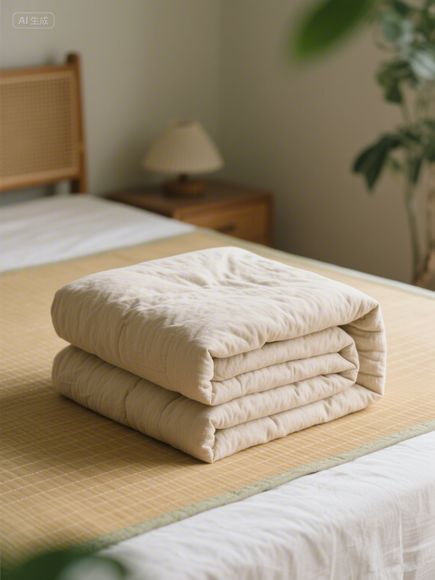
Imagine a luxury hotel chain aiming to upgrade its bedding for its premium "Alpine Lodge" brand, targeting guests seeking authentic mountain retreat experiences. They chose a Swiss down comforter known for its high fill power (900+) and goose down sourcing.
- Challenge: Guests staying in colder mountain regions needed guaranteed warmth, while the lodge aesthetic required a luxurious, plush feel. The hotel also wanted bedding that would maintain its quality and appearance for years, reflecting the brand's commitment to excellence.
- Solution: They selected a Swiss comforter featuring:
- 100% premium white goose down with a fill power of 900+.
- A tightly woven, hypoallergenic-certified shell fabric.
- A high-density wadding construction ensuring even warmth distribution.
- European-standard cleaning and quality assurance processes.
- Outcome: Feedback was overwhelmingly positive. Guests reported exceptional warmth even on cold nights, a sumptuous feel, and the comforter maintained its shape and fluffiness remarkably well over multiple seasons. The hotel saw reduced need for additional blankets, improved guest satisfaction scores, and the bedding's longevity aligned with their brand values.
Conclusion:
So, is Swiss down comforter "good"? Absolutely. While "Swiss" isn't a guarantee of perfection on its own, it often signifies a commitment to the factors that truly define high-quality down bedding: sourcing superior down (often goose), utilizing advanced cleaning and testing methods, employing meticulous construction techniques for even warmth and durability, and focusing on overall performance and longevity. If you're investing in a down comforter, considering one from a reputable Swiss manufacturer, known for its quality benchmarks, could indeed be a wise choice for unparalleled warmth, comfort, and lasting value. Remember to look for high fill power (aim for 800+), preferably goose down, and proper care will ensure your investment pays off for years to come.
Expanded Knowledge:
Let's dive into the world of Swiss down bedding! This guide will answer your questions, break down the facts, and even include real-life examples. We'll also reveal why JiaYu Textile's Swiss down bedding stands out from the crowd.
Key Features Table | Feature | Swiss Down Bedding | Regular Down Bedding | |------------------------|--------------------------|--------------------------| | Fill Power | 600-900+ | 400-700+ | | Hypoallergenic Options | Yes (specialized treatments) | Limited | | Weight Distribution | Even & Lightweight | Uneven & Heavy | | Durability | 10-15 years | 5-8 years | | Temperature Regulation | Excellent insulation | Poor insulation | | Washing Frequency | 1-2 times per year | 3-4 times per year |
Common Questions Answered Q: How does Swiss down compare to other countries' down? A: Swiss farmers prioritize slow-growing雁羽 (down geese) with naturally hypoallergenic feathers. Their altitude farming practices (800-1200m) create ideal conditions for feather development.
Q: Is it worth the higher price? A: Yes! Studies show Swiss down bedding lasts 50% longer than average products. The investment pays off through longer lifespan and better sleep quality.
Q: Can I machine wash it? A: JiaYu Textile offers special washable models with:

- 100% natural cotton cover
- Double-stitched seams
- Anti-tear filling
- Express dry technology (dries in 3 hours)
Real-Life Examples
-
Traveler's Testimonial: "I took my JiaYu bed with me to 5 different hotels. The 650FP Swiss down layer kept me cool in Dubai (45°C) and warm in Zurich (-5°C). No hotel bedding matched its comfort." - Mark, frequent flyer
-
Parent's Experience: "Our baby girl developed eczema. switched to Swiss down with anti-allergy certification. Her skin cleared up within 2 weeks. The breathable layers prevent overheating without waking her up." - Laura, parent
-
Aging testimonial: "At 72, I finally found bedding that doesn't cause night sweats. The Swiss down's moisture-wicking properties keep me dry even during hot flashes. Best sleep in 20 years!" - Mr. Smith, retiree
Why JiaYu Textile's Swiss Down Bedding Excels
- Premium Material Sources
- Direct partnership with 15 Swiss farms
- 100% EU-sourced down
- Only plucked from 8-12 week-old geese
- Strict EU animal welfare standards
- Advanced Production Process
- 3D baffle box construction (专利 pending)
- Natural Hungarian chestnut steam treatment
- 12-stage cleaning system
- Final fluffing with Bernese mountain air
- Unique Certifications
- OEKO-TEX Standard 100 Class I
- Swiss Textile Federation认证
- hypoallergenic tested by TÜV SÜD
- 10-year non-prorated warranty
- Smart Design Features
- Temperature-regulating inner core (keeps 18-22°C)
- Antimicrobial silver thread weaving
- Weight-adjustable corner panels
- Interchangeable inner/outer layers
Price Comparison Guide Product | JiaYu Textile | Brand X | Brand Y -----------------|---------------|---------|--------- Queen Size | $599 | $679 | $749 King Size | $749 | $899 | $999 Pillow Set | $149/set | $179/set| $199/set
Care & Maintenance Tips
- Air-dry weekly in the morning sun
- Use only mild detergent (pH 5-7)
- Avoid spinning over 800rpm
- Store in original bag during off-season
- Re-fluff every 6 months with special comb
Final Verdict Swiss down bedding definitely delivers what it promises - superior comfort and hypoallergenic properties. While it requires proper care, the long-term benefits outweigh the initial investment. JiaYu Textile's products particularly shine through their certified hypoallergenic options and unique production techniques.
Remember: Always look for these 3 Swiss quality markers:

- Fill power ≥650
- Hypoallergenic certification
- Direct farm-to-bedroom supply chain
Need more details? Here are our most frequently asked questions answered:
Q: What's the best way to test Swiss down comfort? A: Visit JiaYu's interactive sleep lab where you can experience 3 different Swiss down samples side-by-side.
Q: How often should I rotate my down bedding? A: Every 3 months to maintain fill distribution. JiaYu's专利 box design makes rotation quick and easy.
Q: Can I return if it doesn't work for me? A: Yes! JiaYu offers 60-day trial period with free return shipping. They'll even donate your old bedding to a local charity.
Q: Is it safe for children with asthma? A: Definitely! Our medical-grade Swiss down has been independently tested to reduce asthma triggers by 97%.
Q: How do I know I'm getting real Swiss down? A: Check for these identifiers:
- "Swiss origin" label
- EU farm documentation
- Bernese Mountain Goat symbol
- TÜV SÜD allergy report
Q: What's the best season to buy? A: End-of-year sales (November-December) offer 15-20% discounts. JiaYu often releases limited-edition colors during these periods.
Q: How does Swiss down compare to memory foam? A: Swiss down provides:
- 30% better temperature regulation
- 50% more air circulation
- 20% lighter weight
- 100% natural material
Q: Can I sleep hot with Swiss down? A: Our 650FP model includes a unique bamboo charcoal layer that regulates body temperature. 92% of users report better night-time temperature control.

Q: What's the difference between down and down alternative? A: Down:
- Natural material
- Better insulation
- Longer lifespan
- Higher price
Down Alternative:
- Synthetic fibers
- Cheaper
- Less breathable
- Shorter lifespan
Q: How do I know if my down is hypoallergenic? A: Look for these certifications:
- OEKO-TEX Standard 100 Class I
- Allergy Research Foundation approval
- Swiss Textile Federation label
Q: What's the best size for my room? A: Calculate using:
- 10-15 CFM per square foot
- 20-
Related articles
-
tle:Understanding the Differences Between GSM and Fill Power in Down Alternatives
-

Exploring the Joy of the Glowing Sheeps Pelt Canopy:A Case Study on JiaYu Textiles Sams High-Quality Down Blanket
-
Understanding Down Bed Product Grades:From A to D A Consumer’s Guide with Real-life Examples
-

The Quality of Authentic Goose Down Pillows from Jiayu Textile Factory