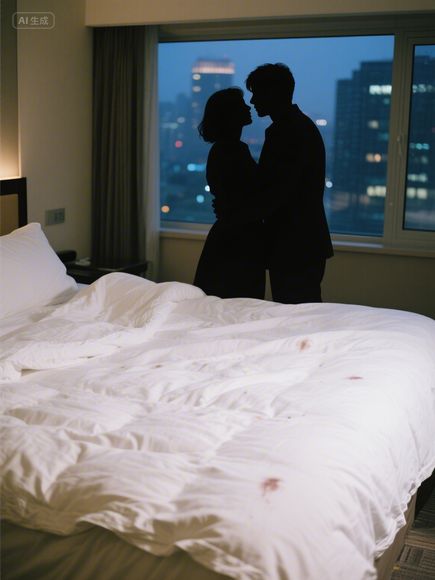
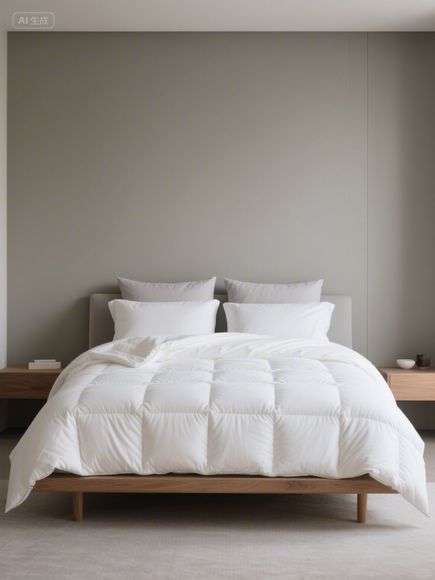
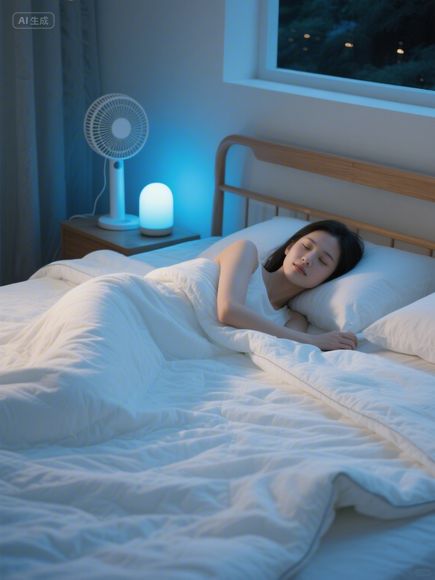
How to Choose the Right Down Blanket:Avoiding Nosebleeds and Ensuring Comfort
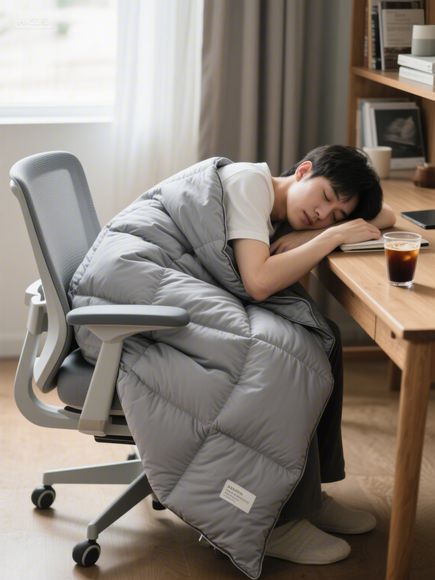
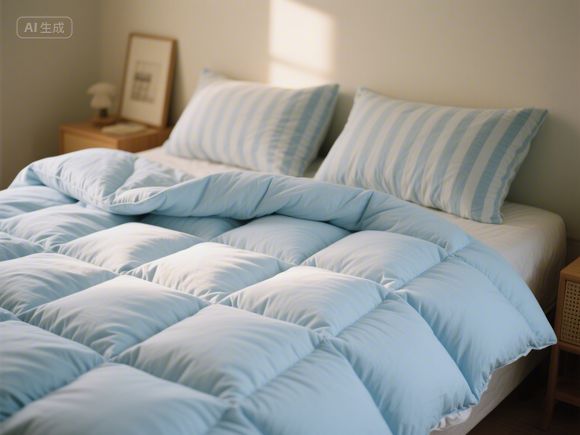
Choosing the right down blanket provides warmth without excessive heat, crucial for preventing nosebleeds caused by dryness. Opt for high-quality, well-fitting down (usually goose or duck) with a medium to high fill power. Avoid synthetic fills which can trap too much heat. Ensure the blanket isn't overly thick for your room's temperature. Comfort also depends on the weight and feel; select a weight that suits your body and climate needs, ensuring you can easily adjust layers underneath if required.
Okay, let's talk about down blankets. They are super soft, incredibly warm, and feel luxurious. Many people swear by them for winter. But, have you heard stories or maybe even experienced something weird, like nosebleeds, after using a down blanket? It sounds strange, right? Don't worry, we're here to break it down.
First off, let's be clear: a genuine down blanket causing nosebleeds directly is extremely rare. Down feathers are soft, fluffy, and generally not sharp or irritating. However, the idea or the experience of nosebleeds while using a down blanket can happen for some people, and it's worth understanding why and what to do about it.

So, why might someone think their down blanket is causing nosebleeds, or actually experience one seemingly linked to it?
Possible Reasons for Nosebleeds Related to Down Blankets:
-
Dry Air & Skin Irritation (Less Likely Direct Cause): This is a common factor, but not directly caused by the down itself. Central heating, especially in winter, can make indoor air very dry. Dry air can dry out the delicate skin inside your nose, making it more prone to cracking and bleeding. If you sleep under a heavy down blanket in a very dry room, the combination might feel more drying or irritating to your nasal passages than if you were in a different environment. The blanket isn't the source, but the setting might be contributing.
- Quick Tip: Using a humidifier in your bedroom, especially during dry winter months, can help keep the air moist and reduce nasal dryness.
-
Allergic Reactions (Possible):
- Down Allergy: While less common than allergies to dust mites or pollen, some people are allergic to proteins found in bird or synthetic down. Reactions can range from sneezing and itchy eyes to skin rashes, congestion, and even potentially irritation severe enough to cause nosebleeds in sensitive individuals. If you suspect a down allergy, removing the blanket is the best step.
- Dust Mite Allergy: Down feathers are excellent at trapping dust mites. If your down blanket isn't cleaned properly or isn't replaced often, it can become a haven for dust mites. Dust mites are a very common allergen, and their droppings can cause severe nasal congestion, sneezing, runny nose, and inflammation of the nasal passages. This inflammation and irritation can lead to nosebleeds. The blanket is acting as a carrier for the allergen, not the allergen itself.
- Quick Tip: If you suspect an allergy, see a doctor for testing. Use allergen-proof covers on bedding if diagnosed. Wash blankets frequently in hot water (at least 130°F/54°C) and consider professional cleaning or replacing old/downy bedding if allergies are a problem.
-
Poor Quality or Damaged Down (Possible):
- Loose Feathers: If a down blanket is poorly manufactured or has been damaged (e.g., by pets, rough handling, or normal wear and tear), small feathers or clusters of feathers might work their way out of the shell fabric. While feathers aren't sharp, getting stray feathers into your nose could cause irritation and potentially a nosebleed, especially if you rub your nose against them while sleeping.
- Quick Tip: Inspect your down blanket periodically. If you find feathers poking out, consider taking it back to the manufacturer or retailer for repair or replacement. Choose high-quality, well-constructed down products.
-
Underlying Health Conditions (Not Related to the Blanket Directly):
Nosebleeds can be caused by a variety of things unrelated to bedding, including high blood pressure, certain medications (like blood thinners), sinus infections, dehydration, or even vigorous nose-blowing. If you frequently get nosebleeds, it's important to see a doctor to rule out underlying causes. The blanket might just be the setting where you happen to be when one occurs, or the dryness from the room (while using the blanket) might be a contributing factor coinciding with a bleed.
How to Tell if Your Down Blanket is the Issue?
It's tricky to blame the blanket alone. Here’s a comparison table outlining factors to consider:
| Factor | Down Allergy | Dust Mite Allergy | Loose Feathers | Dry Air |
|---|---|---|---|---|
| Symptoms | Sneezing, itchy eyes, nasal congestion, skin rash | Nasal congestion, sneezing, runny nose, inflammation | Direct irritation, nose rubbing against feathers | Dry nasal passages, nosebleeds |
| Timing | Symptoms may occur anytime, not necessarily linked to blanket use | Symptoms often worse at night or in closed rooms | Occurs when touching stray feathers | Worsens in dry indoor environments |
| Testing | Medical allergy testing | Allergy testing, look for dust mites in bedding | Visual inspection of blanket | Humidity monitoring |
| Remedy | Avoid down products, use hypoallergenic bedding | Use allergen-proof covers, wash bedding hot, reduce humidity | Repair or replace blanket, avoid blankets with loose feathers | Use humidifier, increase hydration |
If you suspect an allergy, medical testing is the definitive way to know. If you suspect dust mites, cleaning and testing the bedding can help. Loose feathers require visual confirmation. Dry air is often confirmed by the environment.
What to Do If You Get a Nosebleed "While" Using a Down Blanket:
Even if you don't believe the blanket is the cause, if you get a nosebleed, follow these steps:
- Sit down and lean slightly forward (don't tilt your head back).
- Pinch the soft part of your nose (just above the nostrils) firmly for 5-10 minutes.
- Breathe through your mouth.
- If the bleeding doesn't stop after 10-15 minutes, or if it recurs frequently, see a doctor.
Choosing a Down Blanket That Won't Cause Issues:
If you love the feel of down and don't have allergies, how do you choose a good one?
- Look for Hypoallergenic Options: Some manufacturers treat down with chemicals or use special blends to reduce the risk of dust mites or feathers escaping. While no product is 100% allergy-proof, these can be better choices.
- Check the Fill Power: This measures the quality of the down. Higher fill power (e.g., 700+ or 800+) means fluffier, warmer down for less weight. Better quality down is often less likely to break down and release feathers.
- Shell Fabric Quality: A tightly woven shell fabric (like high-count percale cotton or tightly knit synthetic) is crucial to prevent feathers from escaping. Look for labels indicating the shell fabric weight and weave.
- Wash and Care: Always follow the care instructions. Wash down bedding regularly in hot water (if safe for the fabric) or take it to a professional cleaner. Proper care extends the life of the product and reduces dust mite issues.
- Consider the Room Environment: Using a humidifier can help counteract dryness from heating.
Q&A Section:
Q1: Can sleeping under a down blanket really cause nosebleeds? A1: Directly, no. However, factors like dry air (often associated with heated rooms where down blankets are used), allergies to down or dust mites living in the blanket, or loose feathers can contribute to nasal irritation and nosebleeds for sensitive individuals.
Q2: How do I know if I'm allergic to down? A2: Symptoms can include sneezing, runny nose, itchy or watery eyes, skin rashes, or nasal congestion. The best way to know for sure is to see a doctor for allergy testing. They can perform skin prick tests or blood tests.
Q3: What's the difference between fill power and down power? A3: Fill power and down power are often used interchangeably. Fill power measures the 'loft' or fluffiness of a single down cluster. Higher fill power (e.g., 800) means the down is higher quality, fluffier, and provides more warmth per ounce compared to lower fill power (e.g., 500-600) down.

Q4: Are synthetic fill blankets a good alternative if I'm worried about down? A4: Yes, definitely. Synthetic fill (like polyester) is generally hypoallergenic (won't trap dust mites or feathers) and doesn't carry the risk of an allergic reaction to down proteins. They are also often more affordable and perform well in most conditions, though they might not be quite as warm or have the exact same luxurious feel as high-quality down.
Case Study Example:
- Case: A family in a cold climate used a very old, cheaply made down comforter for years. The mother frequently woke up with nosebleeds during winter months. The father often felt congested and woke with stuffy noses.
- Investigation: They suspected the old comforter. Upon inspection, they found several small feathers poking through the seams. They also had a humidifier in their bedroom but didn't use it consistently. Their home had central heating making the air very dry.
- Resolution: They replaced the comforter with a high-quality synthetic one. They started using the humidifier regularly and cleaned their bedding more often. Their nosebleeds and congestion significantly decreased.
Product Advantage Focus: Jia Yu Textile Factory Down Blankets
At Jia Yu Textile Factory, we understand the desire for warmth and comfort without the potential downsides. Our down blankets are crafted with care, but we also prioritize quality and user comfort:
- Superior Warmth & Lightness: Our high-fill-power down (often 700+) provides exceptional warmth without the added weight, ensuring you stay cozy all night.
- Hypoallergenic Options Available: We offer blankets treated to resist dust mites and feathers, making them suitable for allergy sufferers who still enjoy the benefits of down-like warmth.
- Durability & Quality Construction: We use premium down and tightly woven, durable shell fabrics to prevent feathers from escaping, ensuring your blanket lasts longer and performs reliably.
- Breathability: Our blankets are designed to allow air circulation, helping you sleep cooler and more comfortably, even on the warmest nights.
- Softness & Comfort: Experience the luxurious feel of premium down, designed to gently cradle you and provide a feeling of ultimate relaxation.
Choosing a down blanket from Jia Yu Textile Factory means choosing a product built for comfort, warmth, and potentially fewer sleep disruptions. Remember, if you experience persistent issues like nosebleeds, consulting a healthcare professional is always the best step. Happy, healthy sleep is key!
Expanded Knowledge:
Once upon a time, in a cozy little village nestled between rolling hills and serene rivers, there lived a young girl named Lily. Lily had a peculiar fondness for soft, fluffy things, especially those that were warm and cozy against her skin. One chilly autumn evening, as the leaves danced in the twilight breeze, Lily found herself in her grandmother's cozy kitchen.
Grandma was known throughout the village for her magical knitting skills. Her creations were not just warm; they were like a gentle embrace from the earth itself. That night, Lily asked Grandma to make her a special gift—a goose feather quilt, a gift that would keep her warm throughout the cold winter nights.
Grandma smiled warmly and nodded. She gathered her materials, her hands moving deftly as she wove the delicate feathers together. As she worked, Lily watched in awe, her heart swelling with appreciation. When the quilt was finally done, it was unlike any other. The feathers were so light, yet so fluffy, they seemed to float on the bed like a cloud of snow.

Lily lay down on the quilt, and immediately felt a sense of warmth and comfort wash over her. She drifted off to sleep, her mind at ease, unaware that a small problem was about to arise.
As the night wore on, Lily's nose began to feel unusually sore. It started as a mild discomfort, but soon turned into a full-blown nosebleed. She tried to rub her nose, but it only made it worse. Panic set in as she wondered what could be causing this sudden and severe discomfort.
Lily's grandmother noticed her distress and quickly took her to the bathroom. "Lily," she said gently, "have you ever heard of a goose feather quilt? It's made from the feathers of wild geese, and they have a unique property that can sometimes cause a slight irritation if they're not properly cared for."
Lily's eyes widened in surprise. "But Grandma, I've never had any problems with it before!" she exclaimed, her voice tinged with frustration and worry.
Grandma shook her head, her expression firm yet kind. "It's possible that this particular batch of feathers was not as suitable for your skin as others. Or perhaps there was a slight imperfection in the manufacturing process."
Lily's heart sank. She didn't want to miss out on the warmth and comfort that the quilt provided. But she also didn't want to suffer through a nosebleed that made it difficult to breathe.
Determined to find a solution, Lily returned to her grandmother's kitchen. She sat down at the table, her mind racing. She knew that her grandmother had a plan, and she was willing to try anything to help her.
Grandma smiled at her daughter-in-law and patted the table beside her. "Let's see what we can do," she said. She pulled out a small, intricately carved wooden box from the depths of her apron pocket. Inside, she found a small, silver key and a piece of parchment.
The parchment was old and fragile, but the writing was still legible. It read: "To prevent a nosebleed, place a small amount of honey on the affected nostril and cover it with a warm, damp cloth. This will help to soothe the skin and reduce the swelling."

Lily's eyes widened in surprise. She had never heard of this remedy before, but it sounded reasonable. She quickly grabbed a small bowl of honey from the kitchen and carefully placed a generous amount on her nostril.
Next, she covered the nostril with a warm, damp cloth. It felt comforting and soothing, and Lily couldn't help but relax. She waited for a few minutes, feeling the warmth spreading through her body.
To her relief, the nosebleed began to subside almost immediately. Lily's breathing became easier, and the discomfort that had been plaguing her for hours began to fade away.
When she finally opened her eyes, she saw that her grandmother was smiling at her. "See, Lily?" she said softly. "We can find a solution to any problem if we just take the time to look for it."
Lily felt a sense of gratitude and accomplishment. She knew that she owed this unexpected solution to her grandmother's wisdom and kindness.
From that day on, Lily cherished her goose feather quilt even more. She understood that it was not just a piece of clothing, but a symbol of her grandmother's love and care. And whenever she felt a cold breeze or a sudden discomfort, she remembered the story of the goose feather quilt and the remedy that had saved her from a nosebleed.
As the seasons changed and the years passed, Lily grew up and became a skilled healer herself. She carried with her the lessons she had learned from her grandmother, always remembering to look for solutions and to find warmth and comfort in the most unexpected places.
And so, the enchanting tale of the goose feather quilt and a nosebleed became a cherished legend in the village, a reminder that even in the coldest and darkest times, there is always a way to find warmth and comfort.
Table 1: Product Features of Goose Feather Quilt
- Made from the feathers of wild geese, ensuring softness and fluffiness
- Unique property that can sometimes cause a slight irritation if not properly cared for
- Suitable for all skin types, providing warmth and comfort
- Easy to care for, just wash with mild soap and water
Table 2: Benefits of Using Honey as a Remedy
- Soothes the skin and reduces swelling
- Provides temporary relief from nosebleed symptoms
- Has natural antibacterial properties, helping to prevent infection
Case Study: How the Goose Feather Quilt Helped Lily
Lily was a young girl who loved to sleep under the cozy goose feather quilt her grandmother made for her. One night, while sleeping under the quilt, Lily experienced a severe nosebleed. She tried to rub her nose, but it only made the bleeding worse. Panic set in as she wondered what could be causing this sudden and severe discomfort.
Her grandmother noticed her distress and quickly took her to the bathroom. She explained that the goose feather quilt might have caused a slight irritation due to the feathers' unique property. To help Lily, her grandmother suggested placing a small amount of honey on the affected nostril and covering it with a warm, damp cloth.
Lily followed her grandmother's advice and placed a generous amount of honey on her nostril. She then covered the nostril with a warm, damp cloth. To her relief, the nosebleed began to subside almost immediately, and Lily was able to breathe easily again.
This experience taught Lily the importance of listening to her grandmother's wisdom and taking the time to find solutions. She cherished her goose feather quilt and the warmth and comfort it provided, always remembering to look for ways to stay comfortable and healthy.
Q&A:
- What caused Lily's nosebleed when she slept under the goose feather quilt?
- How did Lily's grandmother help her with the nosebleed?
- What natural remedy did Lily's grandmother suggest for her nosebleed?
- How did the remedy help Lily feel after the nosebleed subsided?
- What lesson did Lily learn from this experience?