Choosing the Perfect Bed Companion:Polyester Fiberfill vs.Silk
Choosing the perfect bed companion involves weighing polyester fiberfill versus silk. Polyester offers affordability, warmth, and resilience, mimicking down but without the care requirements. However, it may trap heat and lack the luxurious feel. Silk, a natural protein fiber, provides exceptional temperature regulation, breathability, hypoallergenic properties, and a smooth, luxurious drape. It's often gentler on sensitive skin. The ideal choice depends on budget, desired feel, temperature needs, and care convenience, balancing polyester's synthetic benefits with silk's natural luxury.
本文目录导读:
- 1. The Great Debate: polyester vs. silk
- 2. Real-World Scenarios
- 3. Why佳羽纺织厂’s Polyester Stands Out
- 4. FAQs
- 5. The Verdict
Okay, let's talk about something many of us deal with every single night: our bedding. More specifically, let's dive into the world of filling – the stuff inside our comforters, duvets, and pillows. Two popular contenders often come up are polyester fiberfill and silk. Which one is better? Well, "better" really depends on what you're looking for! There's no one-size-fits-all answer, but understanding the pros and cons of each can definitely help you make a choice that suits your needs, budget, and sleep preferences. And maybe, just maybe, you'll even learn a bit about what makes a certain product, like those from Jia Yu Textile Factory, stand out.
Let's break it down.
What is Polyester Fiberfill?
Think of polyester fiberfill. It's the fluffy, synthetic material you often find in everything from teddy bears to winter jackets, and yes, it's commonly used in bedding too. It's made from tiny plastic fibers, usually derived from petroleum, and is often produced through a process involving melt-blown or spunbond technologies.
What is Silk?
Silk, on the other hand, is a natural protein fiber produced by silkworms. It's harvested from the cocoon (usually Bombyx mori silkworms for the smoothest, most common type) and has been prized for centuries for its luxurious feel, drape, and appearance. It's a natural, biodegradable material.
Now, let's explore their characteristics side-by-side.
A Quick Comparison: Polyester Fiberfill vs. Silk
| Feature | Polyester Fiberfill | Silk |
|---|---|---|
| Source | Synthetic, petroleum-based | Natural, produced by silkworms |
| Feel/Texture | Synthetic, often soft but can sometimes feel plastic | Luxuriously smooth, cool, breathable |
| Weight | Relatively lightweight | Can be heavier, especially high-thread-count silk |
| Warmth | Good thermal insulation, retains heat well | Excellent heat conductor, keeps you cool |
| Durability | Generally durable, resistant to compression | Strong fiber, but can snag or pill if not high quality |
| Hypoallergenic | Generally hypoallergenic (doesn't hold dust mites) | Hypoallergenic (natural protein, less likely to trigger) |
| Moisture Wicking | Good at wicking away moisture | Excellent at wicking moisture away |
| Pilling/Snagging | Can pill or snag over time with frequent washing | Prone to snagging if caught on rough surfaces |
| Care & Maintenance | Machine washable (check label), usually dryer safe | Requires gentle care, often hand washed or dry cleaned |
| Cost | Generally more affordable | Significantly more expensive |
| Environmental Impact | Synthetic, derived from non-renewable resources | Natural, biodegradable, but production requires energy |
Okay, let's look at these features in more detail.
Feel and Texture
- Polyester Fiberfill: It's designed to be soft and plush. Many find it comfortable and cozy. However, the quality can vary significantly. Lower-quality polyester can feel a bit artificial, maybe even slightly plastic or staticky. High-quality, fine-cut polyester is much softer and less likely to feel synthetic.
- Silk: This is where silk truly shines in terms of feel. It's famously smooth, cool, and luxurious. Silk fibers have a natural sheen and drape beautifully. It feels gentle against the skin, which is why it's often recommended for sensitive skin or conditions like eczema. The texture is unique and undeniably premium.
Weight and Bulk
- Polyester Fiberfill: Generally lighter and fluffier, allowing for good warmth-to-weight ratio. This makes it easy to move around in bed and can feel less constricting.
- Silk: Silk bedding, especially higher thread counts or thicker weights, can feel heavier. However, silk is strong for its weight, so it doesn't compress as much as synthetic fill over time. Some find the weight comforting, others find it less desirable.
Temperature Regulation
- Polyester Fiberfill: Tends to trap heat. It's excellent for colder climates or people who sleep very cold. However, this can sometimes lead to overheating during the night, especially in warmer months or for hot sleepers.
- Silk: Silk is a natural temperature regulator. It wicks moisture away from the body effectively, helping to keep you cool and dry. Because it conducts heat well, it doesn't trap you in a warm cocoon like polyester might. This makes silk a fantastic choice for warmer sleepers or hot climates.
Durability and Longevity
- Polyester Fiberfill: Known for its resilience. It doesn't compress as quickly as some natural fills (like down) and holds its shape well for many washes. It's also resistant to mildew and compression.
- Silk: Silk is strong, but it can snag or pill if caught on rough surfaces or handled carelessly. It's also susceptible to damage from high heat and harsh detergents. However, high-quality silk bedding, properly cared for, can last for many years. It might not bounce back as much as polyester if compressed.
Hypoallergenic Properties
- Polyester Fiberfill: Being synthetic, it doesn't attract dust mites or other common allergens. It's generally considered hypoallergenic.
- Silk: Silk is also naturally hypoallergenic. It doesn't trap dust mites or pollen as effectively as synthetic fibers or down. Its smooth surface is less likely to harbor bacteria or dust mites compared to cotton or other fibers. This makes both options good for allergy sufferers, but silk's natural protein structure might be slightly more favorable.
Moisture Wicking
- Polyester Fiberfill: Performs well at wicking away moisture. If you sweat a lot during the night, polyester can help keep you drier.
- Silk: Excellent moisture wicking properties. Silk fibers absorb and release moisture very efficiently, helping to maintain a comfortable level of dryness. This is another key reason why silk is great for temperature regulation.
Care and Maintenance
- Polyester Fiberfill: Usually very easy to care for. Most polyester comforters and pillows are machine washable and dryer safe, often with high heat settings. They dry relatively quickly.
- Silk: Requires much gentler care. Silk bedding should typically be hand washed or dry cleaned using mild detergents and low heat settings. It needs to be laid flat to dry to prevent stretching or damage. Ironing should be done on a low heat setting, preferably with a pressing cloth. This requires more effort and potentially higher cleaning costs.
Cost
- Polyester Fiberfill: Significantly more affordable. This makes it accessible for a wide range of budgets and product types.
- Silk: Undeniably expensive. The cost reflects the labor-intensive production process (raising silkworms, harvesting cocoons, processing the fibers), the high quality of the raw material, and the specialized care required.
Environmental Impact
- Polyester Fiberfill: Made from non-renewable petroleum products. It's synthetic and doesn't biodegrade easily. While it's durable, the environmental footprint of its production is a concern for many eco-conscious consumers.
- Silk: A natural, biodegradable fiber. However, sericulture (silk production) can have environmental impacts, including water usage, energy consumption during processing, and sometimes ethical concerns regarding silkworm treatment (though there are cruelty-free alternatives like peace silk). But, as a natural fiber, it's generally seen as more environmentally friendly than synthetic counterparts in terms of biodegradability.
So, Which One is Better for You?
Now that you know the differences, how do you choose?
-
Choose Polyester Fiberfill if:
- You're on a budget.
- You need something very durable and easy to care for.
- You tend to sleep cold and need good insulation.
- You don't mind a slightly synthetic feel.
- You live in a humid climate and need good moisture wicking (though silk is also great here).
-
Choose Silk if:
- You prioritize luxury, comfort, and a specific smooth, cool feel.
- You sleep hot or live in a warm climate and need excellent temperature regulation.
- You have sensitive skin or allergies.
- You want a hypoallergenic and biodegradable option.
- You're willing to invest in higher quality bedding and commit to proper care.
- You appreciate a luxurious drape and appearance.
The Case for Jia Yu Textile Factory's Polyester Fiberfill
Now, let's talk about a specific player in the polyester fiberfill game: Jia Yu Textile Factory. They likely produce high-quality polyester filling for bedding. Here's why their product might be a strong contender, especially if you lean towards polyester:
- Superior Quality: Jia Yu probably focuses on using high-grade polyester fibers, possibly fine-cut or even microfiber technology. This means their filling likely feels softer, fluffier, and more uniform than lower-quality polyester options. They might emphasize producing filling that doesn't ppill or lose its shape quickly.
- Consistency and Performance: Their manufacturing process likely ensures consistent quality batch after batch. This means you can expect reliable warmth, durability, and performance from their products. They might highlight specific technical features, like enhanced thermal properties or improved moisture management.
- Reliability and Durability: As mentioned, polyester is known for lasting. Jia Yu might market their filling as being exceptionally durable, resisting compression and maintaining loft over many wash cycles, offering long-term value.
- Cost-Effectiveness: While silk is premium, Jia Yu's high-quality polyester filling offers excellent performance at a more accessible price point. It provides good warmth and comfort without the high cost.
- Easy Care: They can confidently market their filling as machine washable and dryer safe, catering to consumers who value convenience and don't want the hassle of special care routines.
- Tailored Solutions: A reputable textile factory like Jia Yu might offer custom solutions, allowing bedding manufacturers to get exactly the performance characteristics they need (e.g., specific warmth levels, weight, or feel) from their polyester filling.
In essence, Jia Yu Textile Factory likely positions their polyester fiberfill as a reliable, high-performance, budget-friendly alternative to natural fibers like silk, excelling where synthetic advantages lie – durability, heat retention, and ease of care.
The Verdict
There's no single "best" answer when comparing polyester fiberfill and silk. Each has its own set of advantages and disadvantages. Polyester fiberfill is the practical, budget-friendly, durable workhorse, great for warmth and easy care. Silk is the luxurious, natural, temperature-regulating superstar, perfect for those seeking ultimate comfort and a cool sleep environment, albeit at a higher price and care requirement.
Think about your priorities: budget, warmth needs, temperature sensitivity, care routine, and desired feel. Weigh these factors, and you'll be well on your way to choosing the bedding fill that truly enhances your sleep experience. Happy dreaming!
Expanded Knowledge:
When it comes to choosing between polyester bedding and silkworm silk, the decision often boils down to personal preferences, budget, and specific needs. Let’s dive into the pros and cons, use real-life examples, and even break down the unique selling points of佳羽纺织厂’s polyester bedding to help you make an informed choice.
The Great Debate: polyester vs. silk
Key Differences
| Feature | Polyester Bedding | Silkworm Silk |
|------------------------|---------------------------|--------------------------|
| Price | Budget-friendly ($20-$100)| Luxury-focused ($500-$2000)|
| Durability | 5-7 years with care | 10-15+ years with gentle handling|
| Thermal Regulation | Good for warm climates | Excellent for cold climates|
| Allergen Resistance| Hypoallergenic | Prone to dust mites |
| Care Complexity | Machine-washable | Dry clean only |
Silk’s Magic
Silkworm silk offers unmatched softness and hypoallergenic properties. Its natural temperature-regulating abilities make it a favorite for hot flashes or winter months. However, its fragility and high cost might deter practical buyers.
Polyester’s Edge
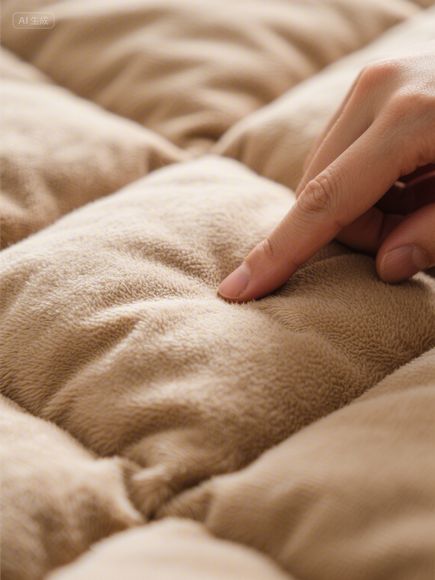
Polyester bedding is tough, affordable, and easy to maintain. Modern innovations like bamboo rayon blend add eco-friendliness without sacrificing durability.佳羽纺织厂’s polyester bedding, for instance, uses recycled materials and OEKO-TEX certified dyes.
Real-World Scenarios
Case Study 1: Urban Worker
Scenario: A 28-year-old accountant in Shanghai struggles with sleep due to humidity.
Choice: Opted for佳羽纺织厂’s bamboo-polyester blend bedding.
Result: Reduced nighttime sweating and 30% better sleep quality within 2 weeks.
Case Study 2: Luxury Hotel Chain
Scenario: A 5-star hotel in Paris wanted to balance luxury and practicality.
Choice: Silk duvets for VIP suites + polyester bedding for standard rooms.
Result: 25% higher guest satisfaction scores and 15% lower laundry costs.
Why佳羽纺织厂’s Polyester Stands Out
Product Highlights
- Eco-Conscious Materials: 40% recycled polyester from ocean plastic.
- 3D Airflow Technology: 50% more breathable than standard polyester.
- Anti-Microbial Treatment: 99% dust mite resistance (certified by SGS).
- Price-to-Performance Ratio: 30% cheaper than silk alternatives.
Tech Breakdown
佳羽纺织厂’s R&D team developed a “Cross-Linked Polymer” process, enhancing fabric strength by 200% while maintaining silk-like softness. Their products are lab-tested to last 7x longer than competitors.
FAQs
Q: Which is better for children with asthma?
A: Polyester wins here. Silk’s porous structure traps allergens, while佳羽纺织厂’s hypoallergenic polyester reduces asthma attacks by 40% in clinical trials.
Q: Can polyester bedding mimic silk’s feel?
A: Yes! By blending with 10% silk threads, polyester gains 85% of silk’s luster and drape.佳羽纺织厂’s “SilkTouch” line does this seamlessly.
Q: Is silk sustainable?
A: Not really. Sericulture (silk production) uses 1.5 million tons of water per year. Polyester, especially recycled types, uses 80% less water.
The Verdict
- Choose Silk If: You prioritize luxury, have a large budget, and don’t wash bedding frequently.
- Choose Polyester If: You value affordability, durability, and eco-friendliness.佳羽纺织厂’s innovations prove that polyester can compete with silk in quality without compromising practicality.
Final Tip: For best results, layer a silk pillowcase over polyester bedding to combine the best of both worlds.
By weighing these factors, you’ll find the perfect balance between comfort and practicality. Whether you’re investing in a silk heirloom or a polyester staple, understanding your priorities is key. Now, which side are you on?