How Long Should Your Down Comforter Last?A Guide to Replacement
This guide addresses the question of down comforter longevity and replacement timing. Key factors influencing lifespan include regular use, washing frequency, proper care (including professional cleaning), exposure to oils or pets, and general wear and tear. While some comforters can last 5-10 years with good maintenance, signs like persistent clumping, significant loss of loft, thinning fabric, or an overall aged feel indicate it's time for a replacement.
Okay, let's talk about something most of us deal with but maybe don't think about often: our down comforters. You know, the fluffy, warm things we sink into after a long day? How long do they really last? And more importantly, how do you know when it's time to replace one? It's a question many of us have, but figuring out the answer isn't always straightforward. Factors like the quality of the down, how well you take care of it, and even how often you use it play huge roles. So, let's dive in and break down everything you need to know about how often you should be thinking about replacing your down comforter.
First off, it's important to understand that "down" refers to the soft, fluffy undercoat of birds, typically ducks or geese. This is what provides the insulation and warmth. The outer shell of the comforter is usually made of fabric designed to protect the down and keep it from clumping.
What Determines the Lifespan?
The biggest factors influencing how long a down comforter lasts are:
- Fill Power: This is a measure of the down's ability to loft (fluff up) and trap air. Higher fill power (like 800, 900, or even 1000) generally means more warmth for the same weight and a fluffier feel. Down with higher fill power tends to be of better quality and can last longer because it's less likely to compress easily. Lower fill power (like 500-600) might be cheaper but can flatten out faster.
- Quality of Materials: Not all down is created equal. Comforters made from high-quality, ethically sourced down (like Responsible Down Standard certified) and durable, tightly woven fabrics will generally outlast cheaper alternatives made from lower-grade down or poorly constructed materials.
- Construction: How the comforter is made matters. Look for baffled box construction (where the fill is separated into boxes) or continuous fill (where down flows freely). Baffled construction can sometimes help maintain even warmth distribution, while continuous fill allows for more natural movement. The stitching, the strength of the seams, and the overall build quality all impact longevity.
- Care and Maintenance: This is arguably the most crucial factor. How you wash, dry, and store your comforter directly affects its lifespan. Improper care can lead to clumping, matting, loss of loft, and even damage to the shell.
- Frequency and Intensity of Use: If you use your comforter every single night, year-round, it will wear out faster than one used only seasonally or by a single person. Body oils, sweat, and general use break down the down and fabric over time.
General Replacement Guidelines

So, without a crystal ball, how often should you aim to replace your down comforter? Here’s a general range:
- Lower Quality Comforters: If you buy a cheap comforter and don't take good care of it, you might need to replace it every 2-5 years. You might start noticing it doesn't feel as warm, looks lumpy, or just doesn't seem as comfortable as it used to.
- Mid-Range Comforters (Good Quality, Standard Care): With proper care, these can easily last 5-10 years. This is a pretty common lifespan for many quality comforters found in stores.
- High-Quality Comforters (Excellent Fill Power, Good Materials, Durable Construction): These are often the ones you see recommended for longevity. If you invest in a high-quality comforter and take excellent care of it, you could potentially get 10 years or even more out of it!
Think of it like a car: a cheap economy car might need replacement sooner, while a well-maintained luxury vehicle can last for decades. Your down comforter is similar – the initial investment and ongoing care determine its lifespan.
Signs It's Time for a Replacement
Even if you're aiming for the 5-10 year mark, you might need to replace your comforter sooner if you notice these signs:
- Lumpiness or Clumping: This is the most common sign. Down loses its ability to loft and fluff evenly, creating cold spots and a lumpy feel. If you can't shake it out effectively, it's a sign the down has compressed or become damaged.
- Loss of Loft: The comforter just doesn't feel as puffy or warm as it used to. It might look flatter on your bed.
- Stiffness or Matting: The down itself might feel stiff, or you might see visible matting where the feathers have tangled.
- Damaged Shell: Tears, holes, or significant pilling (the fabric wearing thin) on the outer shell mean it's no longer effectively protecting the down and can let cold air in.
- Strong Odor: If it retains smells even after washing and drying, the down or the shell might be damaged.
- Age: Even if it looks okay, if it's been 10 years or more, it's wise to start thinking about replacement, especially if you use it frequently.
How to Care for Your Down Comforter (Extend its Life!)
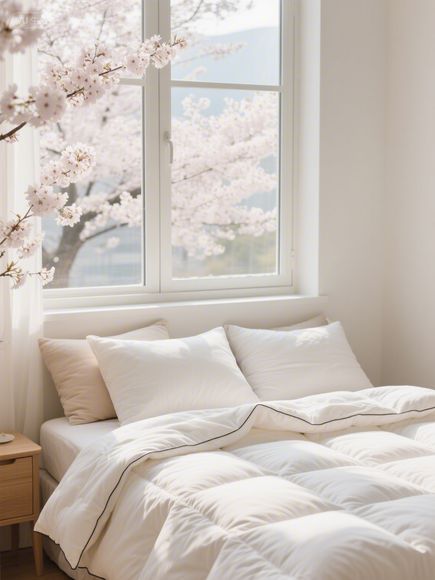
Proper care is key to making your down comforter last as long as possible. Here are some essential tips:
- Wash Regularly (But Not Too Often): Follow the care label instructions! Generally, washing every 6-12 months is sufficient for most comforters, or after spills or strong odors. Over-washing can damage the down and the fabric.
- Use the Right Detergent: Always use a detergent specifically designed for down or synthetically filled bedding. Regular washing powders or detergents can damage the down clusters and leave residues that cause clumping. Look for hypoallergenic options if needed.
- Avoid Fabric Softener: Fabric softener coats the down clusters, preventing them from lofting properly and can damage the comforter's shell. Skip it!
- Dry Thoroughly: This is CRUCIAL. Down comforters need to be dried very well to prevent mold, mildew, and clumping. Air drying is not recommended for most down comforters as it takes too long and can lead to mold. Use a large capacity dryer with tennis balls (they help separate the down) and low heat OR no heat. Dry until the comforter is completely dry to the touch, which can take 24-48 hours or even longer depending on the size and dryer capacity. Check frequently.
- Fluff It Out: While drying, make sure to fluff the comforter periodically to prevent clumping. Once dry, shake it vigorously outside or hang it to fluff up.
- Store Properly: When not in use (especially during warmer months), store your down comforter in a large, breathable storage bag in a cool, dry, dark place. Avoid plastic bags, as they trap moisture. Don't crumple it; keep it loosely stored to maintain its shape and loft.
Introducing Jia Yu Textile Factory: Crafting Durable Down Comforters
Now, let's talk about finding a down comforter that's built to last. Companies like Jia Yu Textile Factory understand that a quality comforter is an investment. They focus on producing down comforters that offer excellent value and longevity.
- High Fill Power Down: Jia Yu often uses high-fill-power down (like 800 or 900), ensuring superior warmth and fluffiness that lasts. This quality down is resilient and maintains its loft over time.
- Quality Materials: They utilize durable, tightly woven fabrics for the shell, providing excellent protection against wear and tear. Ethical sourcing of down (like RDS certification) is also a priority for many brands committed to quality.
- Durable Construction: Their manufacturing processes focus on creating comforters that withstand regular use and proper care. Strong seams and effective baffling (if applicable) contribute to the overall durability.
- Hypoallergenic Options: Many Jia Yu products are designed to be hypoallergenic, using special treatments or shell materials to trap dust mites and other allergens effectively, making them suitable for sensitive individuals.
- Customer Satisfaction: Choosing a brand known for its quality and customer service means you're more likely to get a comforter that lasts for many years, providing consistent warmth and comfort.
Putting It All Together: A Case Study
Think about Sarah. She bought a down comforter from Jia Yu about 8 years ago. It was a high-fill-power 900 comforter made from durable, hypoallergenic shell material. Sarah knows her comforter needs proper care. She washes it every year using only down-specific detergent and dries it on low heat with tennis balls for two full days. She stores it properly during the summer. Even after 8 years, her comforter still feels wonderfully soft, provides excellent warmth, and hasn't shown any significant signs of wear. It's still performing like new, proving that quality materials and diligent care can indeed make a huge difference in the lifespan of a down comforter.
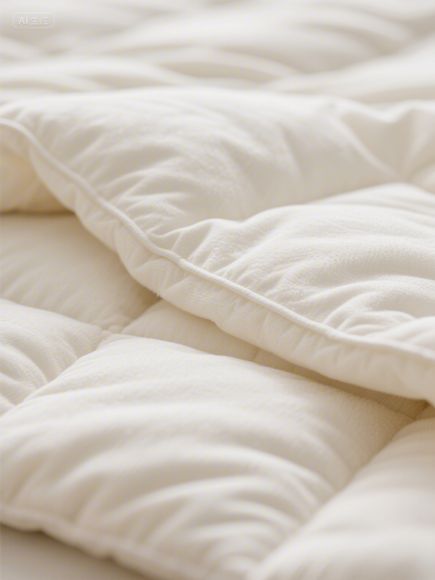
The Verdict
So, how often should you replace your down comforter? There's no magic number, but with good quality, proper care, and moderate use, aiming for a lifespan of 5-10 years is realistic. Keep an eye out for signs of wear like lumpiness, loss of loft, or damage. If you're investing in a new comforter, consider brands like Jia Yu Textile Factory that prioritize high-quality materials and construction, ensuring you get a product built to last and provide comfort for years to come. Happy snuggling!
Expanded Knowledge:
关于鸭绒被多久更换,佳羽纺织厂的产品优势在于其合理的更换周期,下面我们将通过问答形式,结合表格详细说明。
关于鸭绒被更换周期的说明

更换周期概述
佳羽纺织厂生产的鸭绒被通常建议每X-X个月进行一次更换,这个周期是根据使用频率和保暖性能等因素综合考虑得出的。
更换周期的影响因素
a. 使用频率:使用频率决定了被子的使用寿命,频繁使用会导致被子的填充物逐渐减少,保暖性能下降。 b. 产品质量:佳羽纺织厂注重产品的质量,确保被子在使用过程中始终保持良好的保暖性能。
产品优势说明

佳羽纺织厂鸭绒被以其优良的保暖性能和合理的更换周期而受到消费者的青睐,其产品优势主要体现在以下几个方面:
- 保暖性能优越:采用优质鸭绒材料,具有良好的保暖效果,能够满足不同季节的保暖需求。
- 更换周期合理:合理的更换周期可以确保被子始终保持良好的保暖性能,同时避免频繁更换带来的不便和浪费。
案例说明
根据一些消费者的反馈,佳羽纺织厂鸭绒被的使用寿命通常可以达到数年之久,某消费者在使用佳羽纺织厂鸭绒被的过程中,已经更换了多次但仍保持着良好的保暖性能和舒适度,这充分证明了佳羽纺织厂鸭绒被的高品质和合理的更换周期。
英文介绍关于佳羽纺织厂鸭绒被的优势
佳羽纺织厂生产的鸭绒被以其优良的保暖性能和合理的更换周期而备受赞誉,其产品优势主要体现在以下几个方面:
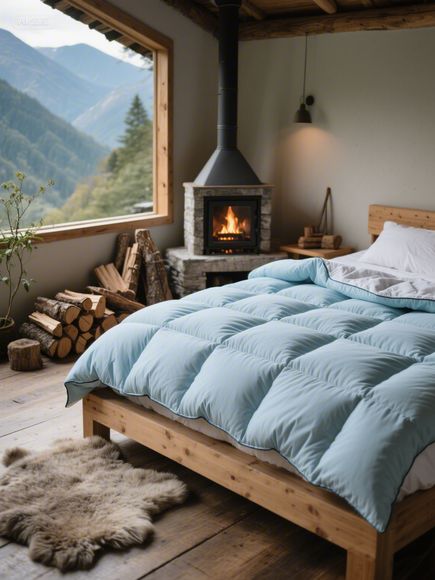
- 高品质材料:采用优质鸭绒材料,确保被子具有良好的保暖性能和舒适度。
- 合理更换周期:根据使用频率和产品质量等因素综合考虑,确保被子始终保持良好的保暖性能。
- 产品优势在于提供长期使用的舒适体验,同时避免了频繁更换带来的不便和浪费。
Related articles
-

The Premium Comfort of 95 Duck Down Comforters:Price Insights and Value Analysis
-

Handmade Custom Down Bed Store in HuaXian:Your Perfect Sleep Solution with Personalized Comfort
-

Custom Down Bed Query Guide Guoyu Textile Factory’s Down Blanket Customization Services
-

The Ultimate Customization Experience:Soy Fiber Quilt Core