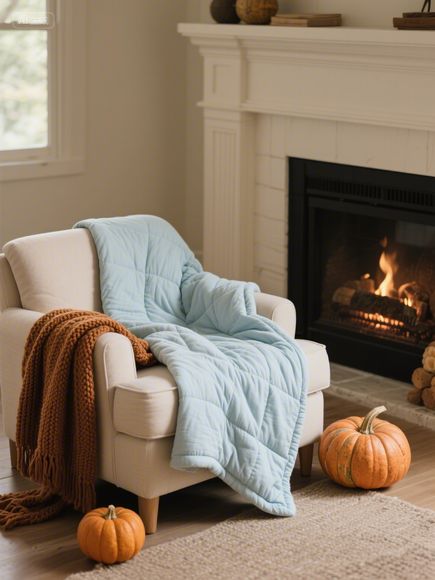
How Does Polyester Fiber Bedding Really Affect Your Sleep Temperature?Lets Break It Down
# Polyester Fiber Bedding and Sleep Temperature,Polyester fiber bedding, while durable and affordable, often struggles with sleep temperature regulation. Its synthetic nature makes it less breathable than natural fibers like cotton or linen, potentially trapping body heat and leading to a warmer sleep environment, especially for individuals who sleep hot. While polyester can wick moisture away initially, it doesn't absorb humidity like natural fibers, which some find contributes to discomfort. For those prioritizing cool sleep, polyester might feel less ideal compared to breathable alternatives.
本文目录导读:
- Understanding Polyester Fiber
- The "Covering You Up" Analogy
- Why You Might Feel Hotter
- The Flip Side: Advantages of Polyester Fiber
- Jia Yu Textile Factory: Polyester Fiber Bedding Solutions
- FAQs: Polyester Fiber Bedding & Temperature
- Case Study: The Modern Polyester Bedding Experience
- Conclusion
Okay, let's talk about something many of us experience when choosing bedding: temperature regulation. You've probably heard the terms "breathable," "cool," "warm," and maybe even myths like "polyester makes you feel hot." So, is there truth to the idea that sleeping under polyester fiber fill actually causes you to feel overheated, or is it just an old wives' tale?
The short answer is: It's more nuanced than a simple yes or no. While polyester can contribute to heat retention in certain conditions, it's not inherently "bad" for everyone, and modern manufacturing has significantly improved its performance. Let's dive deeper.
Understanding Polyester Fiber
First, what is polyester fiber? It's a synthetic material, typically made from petroleum-based plastics. Fibers like polyester (often called Microfiber or Polyster) are known for being durable, resistant to wrinkles and shrinking, and generally affordable. These properties make it a popular choice for bedding.

However, one of its traditional characteristics is its low thermal conductivity and moisture-wicking ability. Think about it: synthetic fibers don't absorb water like natural fibers (like cotton or wool) do. Instead, they tend to push moisture away from the skin.
The "Covering You Up" Analogy
The idea that polyester "covers you up" and traps heat relates to its ability to insulate. Insulation keeps warmth in. In a cold environment, this is great. But in a warm one, especially if you're already generating body heat while sleeping, that insulation can feel like a one-way street – keeping the heat you produce (or the room's heat) close to your body.
Here's a simple comparison of how different fill types handle temperature:
| Fill Type | Thermal Conductivity | Moisture Wicking | Insulation Level | Temperature Effect |
|---|---|---|---|---|
| Polyester Fiber | ★★☆☆☆ (Low) | ★★★★☆ (High) | ★★★☆☆ (High) | ★★★☆☆ (Moderate to High Heat Retention) |
| Cotton | ★★★☆☆ (High) | ★★★☆☆ (Moderate) | ★★☆☆☆ (Low) | ★★☆☆☆ (Cooling) |
| Wool | ★★★★☆ (Very Low) | ★★★☆☆ (Moderate) | ★★★★☆ (High) | ★☆☆☆☆ (Exceptional Temperature Regulation) |
| Down/Feather | ★★★☆☆ (High) | ★★☆☆☆ (Low) | ★★★★☆ (Very High) | ★★★★☆ (High Heat Retention) |
Note: Thermal Conductivity measures how well a material transfers heat away from the body. Lower is better for warmth, higher is better for cooling.
Why You Might Feel Hotter
So, why does polyester sometimes feel like it's actively making you sweat or feel overheated?
- Insulation: As mentioned, it traps air effectively. In a warm bedroom or if you're a naturally warm sleeper, this trapped air (and the heat within it) can make you feel stuffy and warm.
- Moisture Management Misconception: While polyester wicks moisture away, it doesn't absorb it. This means moisture stays on the surface of the fibers or is pushed towards the outer layer of the comforter/duvet. If the room isn't well-ventilated or if you're sweating, this moisture can evaporate, but the process itself can feel warm. Some people find this less comfortable than the cooling effect of a damp cotton sheet that absorbs sweat.
- Lack of "Breathability": Compared to natural fibers like cotton or wool, polyester doesn't allow air to pass through the fabric as freely. Cotton allows air flow, which helps dissipate heat. Wool is famous for its ability to regulate temperature by fluffing up more in warm conditions to release heat and compressing in cold conditions to trap it. Polyester doesn't have this dynamic structure.
The Flip Side: Advantages of Polyester Fiber
Despite the potential for heat retention, polyester fiber fill isn't all bad. Especially in modern applications:
- Durability: Polyester bedding lasts longer than many natural fiber options. It doesn't pill (form small balls of fiber) as quickly and withstands washing well.
- Hypoallergenic: Since it doesn't absorb moisture, it's less likely to harbor dust mites compared to damp-loving materials like feathers or down. It's also generally dust-mite resistant.
- Pilling Resistance: While some natural fibers can pill, high-quality polyester is often designed to resist pilling better than cotton or linen.
- Affordability: Polyester bedding is often significantly cheaper than comparable down, feather, or high-quality wool bedding.
- Drying Time: Polyester dries very quickly because it doesn't absorb water. Cotton can take days to dry.
Jia Yu Textile Factory: Polyester Fiber Bedding Solutions
At Jia Yu Textile Factory, we understand the complexities of polyester fiber performance. We don't just produce polyester; we strive to create bedding that balances its inherent properties with user comfort. Here's what sets our products apart:
- Advanced Fiber Technology: We utilize modern microfiber and high-performance polyester technologies. This means our fibers are often finer, creating a softer feel and potentially improving air flow slightly compared to traditional crimped polyester. We focus on creating fill that is durable yet designed to manage heat and moisture more effectively.
- Blended Solutions: We often blend polyester with natural fibers (like cotton or linen) to combine the best attributes. For example, a polyester-cotton blend offers the durability and hypoallergenic qualities of polyester with the breathability and cooling effect of cotton. This is a smart way to mitigate the heat retention issue for many users.
- Quality Control: We maintain rigorous quality control standards. This ensures consistent fill power (a measure of fluffiness and warmth – higher is generally warmer, but less relevant for polyester as it's less compressible than down) and overall product quality, meaning you get reliable performance.
- Focus on Comfort: While acknowledging the potential for heat retention, our goal is to provide comfortable, durable, and affordable bedding options. We work closely with manufacturers to ensure our products meet the needs of diverse sleepers, including those who might be sensitive to temperature changes.
FAQs: Polyester Fiber Bedding & Temperature
Q1: Does all polyester bedding make you sweat? A: Not necessarily. It depends on the quality of the polyester, the weave of the shell fabric, the room temperature, and individual body temperature. High-quality, modern polyester bedding is designed to manage moisture and heat better than older versions. Blending with breathable fibers like cotton can also help.
Q2: Is polyester only good for warm weather? A: No. While it's often recommended for warmer months due to its moisture-wicking and non-insulating properties, high-quality polyester bedding can still be suitable for cooler weather, especially if it's a heavier weight or blended with insulating fibers like cotton. However, traditional down or wool might still be warmer options for very cold climates.
Q3: How does polyester compare to down in terms of warmth and temperature regulation? A: Down is generally warmer and provides excellent insulation, but it can feel stuffy and is a known allergen. Polyester is less insulating (can feel cooler) but is hypoallergenic, durable, and dries quickly. Down bedding tends to trap air very effectively, leading to higher heat retention, while polyester relies more on surface wicking and less on bulk insulation.
Q4: Can I wash polyester bedding? A: Yes, polyester bedding is generally very easy to care for. It can typically be machine washed with most colors (check care labels!) and dried on high heat without shrinking or significant damage. This contributes to its longevity and hygiene.
Case Study: The Modern Polyester Bedding Experience
Sarah, a marketing professional in her late 30s, lives in a region with hot summers. She used to sleep under a heavy cotton comforter and often woke up feeling sticky and overheated. She tried switching to a down comforter for winter warmth, but found herself sweating even more in summer. Her solution? A high-quality, breathable polyester-blend comforter from Jia Yu Textile Factory.
The polyester component wicks away her sweat effectively, while the cotton blend adds breathability and prevents the polyester from feeling too synthetic. She reports sleeping much more comfortably during warmer months, no longer waking up drenched in sweat. The comforter is also machine washable and holds up well through frequent use.
Conclusion
So, back to the original question: Is polyester fiber bedding like "covering yourself up" and making you feel hot? It can contribute to heat retention due to its insulating properties, especially in warm conditions. However, it's not an unavoidable fate. Modern advancements in fiber technology, clever blending with natural fibers, and understanding your own sleep environment and preferences can make a significant difference.
At Jia Yu Textile Factory, we believe in providing informed choices. Our polyester fiber bedding is designed with these factors in mind, offering durability, hypoallergenic properties, and affordability, while striving to manage temperature effectively for a comfortable sleep experience. Don't let outdated myths dictate your bedding choices – test different options and find what works best for your sleep needs!
Expanded Knowledge:
In today's world, people are constantly seeking comfort and warmth in their sleep. One product that has gained significant popularity for its heat-resistant properties is the polyester fiber quilt. This type of quilt is especially popular among those who suffer from insomnia or have difficulty sleeping due to hot flashes.
The Science Behind the Heat Resistance
Polyester fiber is a synthetic material that is known for its durability and resistance to wear and tear. When it comes to heat resistance, polyester fiber stands out as a top choice. The fibers are engineered to retain heat, making them ideal for use in quilt applications where warmth is needed.
When exposed to a hot environment, the polyester fibers in the quilt can absorb and retain the heat, providing a cozy cover that helps regulate body temperature. This property makes polyester fiber quilts an excellent choice for individuals living in hot climates or those who experience hot flashes during sleep.
Advantages of Polyester Fiber Quilts
-
Warmth and Comfort: The primary advantage of polyester fiber quilts is their ability to provide warmth and comfort. The fibers retain heat, creating a cozy sleeping surface that helps keep the body at a comfortable temperature.
-
Durability: Unlike traditional quilts made from natural fibers like cotton, polyester fiber quilts are more durable. They can withstand frequent washing without losing their shape or warmth.
-
Moisture-Wicking Properties: Polyester fiber has excellent moisture-wicking properties, meaning it can draw moisture away from the skin, keeping the sleeping surface dry and comfortable.
-
Easy Care: Quilts made from polyester fiber are easy to care for. They can be washed in most washing machines without losing their texture or warmth.
-
Versatility: Polyester fiber quilts are versatile and can be used in various settings, from bedrooms to couches. They are also suitable for both hot and cold climates.
Case Study: Joyful Sleep with Joyful Quilts
Let's take a look at a real-life example of how polyester fiber quilts can bring warmth and comfort to people's lives. Meet Mr. and Mrs. Smith, a couple who often experienced hot flashes at night, making it difficult for them to sleep comfortably.
After trying various types of quilts, they discovered Joyful Quilts made by Joyful Textile Factory. These quilts are made from high-quality polyester fiber and are specifically designed to provide warmth and comfort.
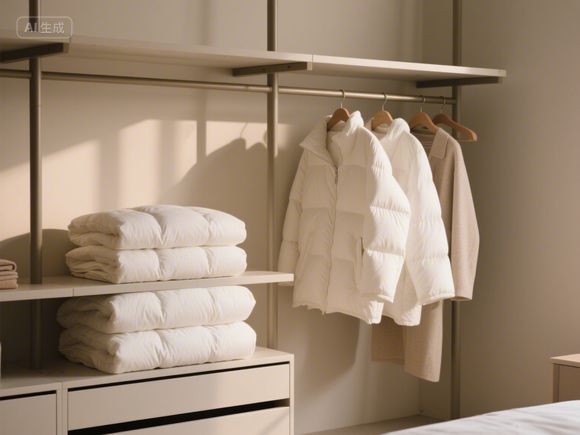
Mr. and Mrs. Smith were amazed by the difference that Joyful Quilts made. They found that they could now sleep soundly through the night, without the discomfort of hot flashes disturbing their rest.
Moreover, the durability of Joyful Quilts meant that they could be washed frequently without losing their warmth or texture. This convenience for Mr. and Mrs. Smith has made them a regular customer of Joyful Textile Factory.
Customer Testimonials
Here are some testimonials from satisfied customers who have experienced the benefits of polyester fiber quilts:
-
"I used to suffer from hot flashes during the night, making it difficult for me to sleep. Since I started using Joyful Quilts, I've been able to sleep soundly through the night without any discomfort." - Sarah J.
-
"Joyful Quilts are incredibly warm and comfortable. They've become my go-to blanket for both indoor and outdoor use. They're also easy to care for, which is a big plus for me." - Mark T.
-
"I was a bit skeptical at first, but Joyful Quilts exceeded my expectations. They provide excellent warmth and comfort, and they're also very durable. I highly recommend them to anyone looking for a high-quality quilt." - Emily R.
The Science of Heat Retention
Polyester fiber's heat retention ability is primarily due to its molecular structure. The fibers are made up of long chains of polyester molecules, which can trap heat. When the quilt is exposed to heat, these molecules absorb the heat and retain it, providing a continuous source of warmth.
In addition to their heat-trapping properties, polyester fibers also have excellent insulating properties. This means that they can prevent heat from escaping the quilt, further enhancing its ability to provide warmth.
How to Care for Your Polyester Fiber Quilt
To ensure that your polyester fiber quilt remains in top condition, it's important to follow proper care instructions:
-
Washing: Machine wash your quilt in cold water with a mild detergent. Avoid using hot water or harsh detergents that could damage the fibers.
-
Drying: Dry your quilt on low heat or air dry it. Avoid using a dryer, as the heat could cause the fibers to shrink or lose their warmth.
-
Ironing: Iron your quilt on a low setting. Use a cool, dry cloth to cover the quilt while ironing to prevent overheating.
-
Storage: Store your quilt in a cool, dry place when not in use. Avoid folding or rolling it, as this could cause the fibers to become misshapen.
Conclusion
In conclusion, polyester fiber quilts are a great choice for anyone looking for warmth and comfort in their sleep. Their heat-resistant properties, durability, moisture-wicking abilities, and ease of care make them an excellent option for hot climates or individuals with sleep disturbances caused by hot flashes.
Joyful Textile Factory is committed to providing high-quality quilts that meet the needs of our customers. Our polyester fiber quilts are designed to provide warmth and comfort, ensuring a good night's sleep for you and your loved ones.
So, if you're in search of a warm and cozy quilt for yourself or your loved ones, consider Joyful Textile Factory's polyester fiber quilts. You won't be disappointed!
Q&A:
Q: Can polyester fiber quilts be washed in hot water?
A: No, it's not recommended to wash polyester fiber quilts in hot water. Hot water can cause the fibers to shrink or lose their warmth, reducing the effectiveness of the quilt.
Q: How often should I wash my polyester fiber quilt?
A: It's generally recommended to wash polyester fiber quilts after every 1-2 uses to ensure they remain in good condition and retain their warmth.
Q: Can polyester fiber quilts be dried using a dryer?
A: No, it's not recommended to dry polyester fiber quilts using a dryer. The heat from the dryer can cause the fibers to shrink or lose their warmth, reducing the effectiveness of the quilt.
Q: Are polyester fiber quilts suitable for all types of quilts?
A: No, not all types of quilts are suitable for polyester fiber. It's important to check the care instructions on the quilt to ensure it can be washed and dried properly using polyester fiber.