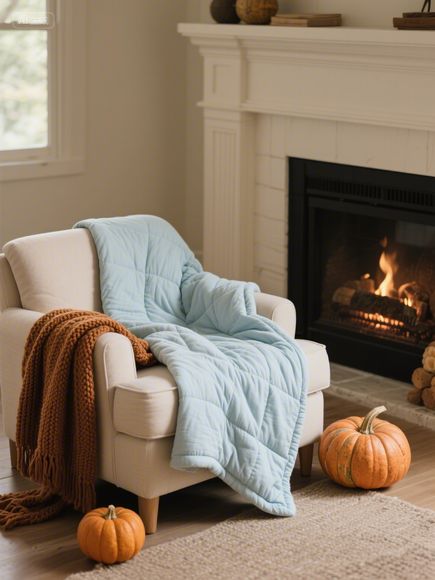
The Differences Between Polyester Fiber and Wool Blankets:A Comprehensive Guide
Polyester fiber blankets, known for their durability and comfort, have revolutionized the way we stay warm in various settings. Unlike wool blankets, which are natural fibers that provide excellent insulation and breathability, polyester fibers are man-made and designed to mimic these qualities. Here's a comprehensive guide to understanding the key differences between polyester fiber blankets and wool blankets:,1. Material: The most significant difference lies in their materials. Wool is a natural fiber extracted from sheep's wool, known for its insulating properties and natural breathability. Polyester fibers, on the other hand, are synthetic fibers created through the polymerization of ethylene glycol and terephthalic acid.,2. Insulation: Wool blankets are renowned for their excellent insulation capabilities, keeping you warm in cold environments. In contrast, polyester fiber blankets offer adequate insulation but are not as effective as wool in maintaining body heat.,3. Breathability: Wool fibers allow for better air circulation, which helps regulate body temperature and keeps you cool during hot weather. Polyester fibers, being non-porous, do not allow for efficient air circulation, making them less suitable for hot climates.,4. Durability: Polyester fiber blankets are generally more durable and long-lasting than wool blankets. They can withstand frequent washing without losing their insulating properties or becoming too soft.,5. Care and Maintenance: Wool blankets require special care to maintain their quality and appearance, including regular cleaning and potential professional dry cleaning. Polyester fiber blankets, however, are machine washable and easy to maintain.,6. Cost: Due to their synthetic nature, polyester fiber blankets are generally more affordable than wool blankets. However, the cost can vary depending on the quality and brand.,7. Allergies: Wool blankets can trigger allergic reactions in some individuals, while polyester fiber blankets are less likely to cause allergic responses.,In summary, while both polyester fiber blankets and wool blankets serve their purpose as warm and comfortable blankets, they differ significantly in material, insulation, breathability, durability, care requirements, cost, and potential allergens.
Introduction
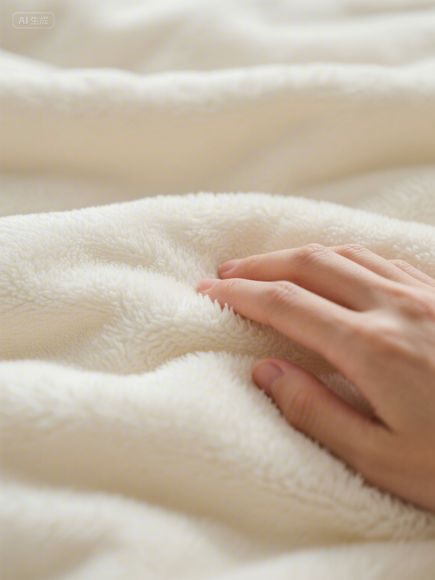
In the world of textiles, polyester fiber and wool are two popular materials that are widely used in the production of blankets. While both offer warmth and comfort, they have distinct differences that make them suitable for different purposes. In this article, we will explore the key differences between polyester fiber and wool blankets, along with their advantages and disadvantages. We will also provide practical examples and explanations to help you make an informed decision when choosing a blanket.
Table 1: Differences Between Polyester Fiber and Wool Blankets
| Aspect | Polyester Fiber Blankets | Wool Blankets |
|---|---|---|
| Material | Synthetic fibers | Natural fiber |
| Texture | Smooth, lightweight, and durable | Soft, fluffy, and insulating |
| Weight | Lightweight | Heavy |
| Durability | High durability | Moderate durability |
| Warmth | Low heat retention | High heat retention |
| Color Fastness | Good color fastness | Good color fastness |
| Breathability | Poor breathability | Good breathability |
| Allergenicity | Low allergenicity | Moderate allergenicity |
| Cost | Lower cost | Higher cost |
| Maintenance | Easy maintenance | Moderate maintenance |
| Fire Resistance | Generally not fire-resistant | Highly flammable |
Case Study: Choosing the Right Blanket
Imagine you're looking for a blanket for a cold winter night. You want something warm, comfortable, and easy to maintain. Let's compare two popular options: a polyester fiber blanket and a wool blanket.
Polyester Fiber Blanket
A polyester fiber blanket is made from synthetic fibers that are designed to be lightweight and durable. They typically feel smooth and do not retain much heat, making them ideal for cooler evenings. Additionally, polyester fibers are easy to clean and maintain, making them convenient for daily use.
However, polyester fiber blankets may not provide the same level of warmth as a wool blanket, especially in very cold conditions. They also tend to be less insulating, so you might feel a bit chilly if you're not wearing a coat.
Wool Blanket
On the other hand, a wool blanket is made from natural fibers and is known for its softness and insulating properties. Wool blankets feel fluffy and can keep you warm in cold weather, making them perfect for a winter night. They also have good color fastness, meaning the colors won't fade easily after washing.
However, wool blankets can be more expensive than polyester fiber blankets, and they may require more maintenance to keep them in good condition. Additionally, because wool is a natural fiber, it can be more prone to shrinking or losing its shape over time.
Advantages of Polyester Fiber Blankets
Now let's talk about the advantages of polyester fiber blankets:
- Lightweight: Polyester fiber blankets are much lighter than wool blankets, making them easier to carry and store.
- Durable: These blankets are designed to withstand wear and tear, making them a good investment for frequent use.
- Easy Maintenance: Polyester fibers are easy to clean, so you can simply toss your blanket in the washing machine after use.
- Hypoallergenic: They are less likely to cause allergic reactions compared to wool blankets.
Advantages of Wool Blankets
And here are some benefits of wool blankets:
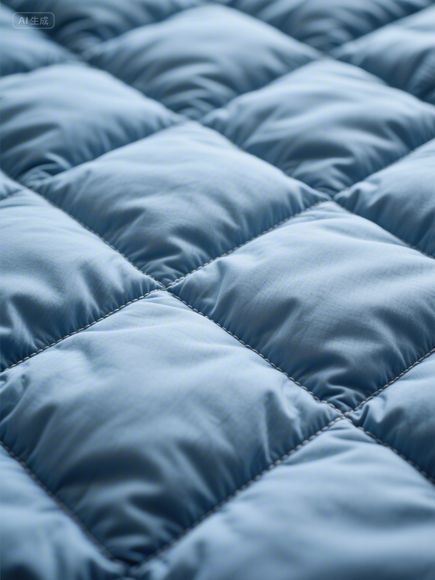
- Insulating: Wool is a good insulator, which means it can keep you warm in cold weather.
- Soft and Comfortable: Wool blankets feel very soft and comfortable to lay on.
- Good Color Fastness: The colors on wool blankets tend to remain vibrant and attractive after many washes.
- Breathable: Wool is a natural material that allows air to circulate through it, which can help regulate your body temperature.
Conclusion
When choosing a blanket, it's important to consider your specific needs and preferences. Polyester fiber blankets are a great choice if you want something lightweight, durable, and easy to maintain. On the other hand, wool blankets offer excellent insulation and comfort but may require more investment and maintenance.
Ultimately, the best blanket for you will depend on factors such as the climate you live in, how often you use it, and your personal comfort preferences. By understanding the differences between polyester fiber and wool blankets and their respective advantages, you can make an informed decision that will ensure you get the best possible experience from your blanket.
Questions and Answers
Q1: Are polyester fiber blankets and wool blankets suitable for outdoor use?
A1: Yes, both polyester fiber and wool blankets can be used outdoors. However, wool blankets may be more suitable for extremely cold weather as they provide better insulation. Polyester fiber blankets can still offer some protection against the elements, but they may not last as long in severe conditions.
Q2: Can I wash polyester fiber blankets in a washing machine?
A2: Yes, you can wash polyester fiber blankets in a washing machine, but it's important to follow the care instructions provided by the manufacturer. Most polyester fiber blankets can be washed in cold water with like colors and gently agitated. However, excessive washing can reduce the texture and durability of the blanket.
Q3: How do I know if a wool blanket is suitable for someone with allergies?
A3: If you or someone in your household suffers from allergies, it's important to choose a wool blanket that is hypoallergenic. Wool is a natural fiber that can trigger allergic reactions in some people. Look for wool blankets made from 100% fine wool fibers or those treated to reduce allergens.
Q4: Are there any environmental concerns associated with polyester fiber blankets?
A4: Yes, polyester fiber blankets have some environmental concerns associated with their production. The manufacturing process involves the use of harmful chemicals and dyes, which can pollute the environment. Additionally, polyester fibers are not biodegradable, so they can take hundreds of years to decompose. If you're concerned about the environmental impact of your blanket, consider choosing a wool blanket or other eco-friendly materials.
Case Study:佳羽纺织厂的产品介绍
Jia Yu Textile Factory: A Comprehensive Overview

Nestled in the heart of China, Jia Yu Textile Factory has been a beacon of quality and innovation in the textile industry for decades. Specializing in the production of high-quality polyester fiber blankets and wool blankets, Jia Yu Textile Factory has built a reputation for excellence that spans the globe.
Product Range
At Jia Yu Textile Factory, the range of products is extensive and versatile. The factory offers a wide selection of polyester fiber blankets, each designed to meet the specific needs of our customers. From ultra-soft and breathable blankets to durable and warm options, there's something for everyone.
In addition to polyester fiber blankets, Jia Yu Textile Factory is renowned for its exquisite wool blankets. These blankets are crafted from the finest quality wool fibers, ensuring unparalleled softness and warmth. Whether you're looking for a cozy blanket for a cozy evening in or a luxurious gift, Jia Yu Textile Factory has you covered.
Quality Assurance
At Jia Yu Textile Factory, quality is at the forefront of everything we do. Our state-of-the-art manufacturing facilities are equipped with the latest technology and equipment, ensuring that every product meets our stringent quality standards. Our dedicated team of quality control experts works tirelessly to ensure that every blanket is perfect in every way.
We are committed to providing our customers with the highest quality products and exceptional service. Our extensive range of products and competitive pricing make us a trusted name in the industry. Whether you're purchasing a blanket for personal use or as a gift, you can rest assured that you're getting a product of the highest quality.
Sustainability Initiatives
At Jia Yu Textile Factory, we are also committed to sustainability and environmental responsibility. We understand the impact that our operations can have on the environment, and we are taking steps to reduce our carbon footprint and promote sustainable practices.
Our manufacturing facilities are designed to be energy-efficient, and we have implemented various initiatives to reduce waste and conserve resources. We also source our materials from environmentally friendly suppliers who share our commitment to sustainability.
In addition to our sustainability efforts, we are also dedicated to supporting local communities and promoting social responsibility. We believe in giving back to the places where we operate, and we actively participate in various community outreach programs and charity events.
Customer Support
At Jia Yu Textile Factory, we pride ourselves on our exceptional customer support. Our dedicated team of customer service representatives is always ready to assist you with any questions or concerns you may have. We understand that purchasing a product from a new company can be challenging, and we are here to help make the process as smooth and enjoyable as possible.
Our customer support team is available 24/7 to provide assistance with anything from placing an order to resolving any issues that may arise. We take pride in our ability to offer personalized service and ensure that every customer receives the attention and support they deserve.
Conclusion
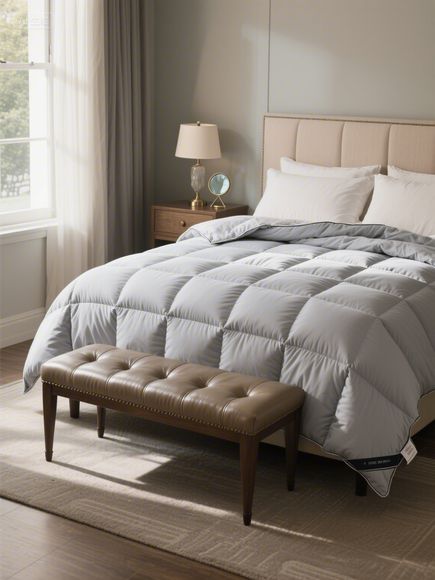
Jia Yu Textile Factory has been a leader in the textile industry for decades, known for our high-quality products and exceptional service. We specialize in producing polyester fiber blankets and wool blankets, each designed to meet the specific needs of our customers. With our commitment to quality, sustainability, and customer support, we are confident that we have the perfect product for you.
Whether you're looking for a cozy blanket for a cold evening or a luxurious gift, Jia Yu Textile Factory has you covered. Visit our website or contact us directly to learn more about our products and services. We look forward to serving you and ensuring that you receive the best possible experience from your purchase.
Expanded Knowledge:
Choosing the right blanket for your needs can feel overwhelming, especially with so many materials available. Two popular contenders in the bedding world are polyester fiber and wool. While both offer warmth and comfort, they come from entirely different sources and possess distinct characteristics that make them suitable for different situations. This guide will delve into the key differences between polyester fiber blankets and wool blankets, exploring their composition, properties, care requirements, and ideal uses, helping you make an informed decision for your cozy needs.
The Core Materials: Where Do They Come From?
- Wool Blankets: As the name suggests, wool blankets are primarily made from the hair of animals, most commonly sheep. This natural protein fiber is harvested, cleaned, carded, spun into yarn, and then knitted or woven into the blanket fabric. The quality and feel of wool can vary significantly depending on the breed of sheep (e.g., Merino for finer, softer wool), the grade of wool used, and the manufacturing process. Sometimes, wool blends are created by mixing wool with other fibers like nylon or polypropylene for added durability or stain resistance.
- Polyester Fiber Blankets: These blankets are synthetic, meaning they are man-made. They are derived from petroleum-based chemicals. The basic building blocks (monomers) are subjected to chemical reactions to form long polymer chains, which are then extruded through tiny holes (spinnerets) to create thin fibers. These fibers are often cut and crimped to mimic the appearance and feel of natural fibers before being used in textiles like blankets. Common types include cut pile (like chenille or velour) and loop pile (like terry or weft-loop fabrics). Polyester blends often mix polyester with natural fibers like cotton or wool to combine properties.
Key Differences: A Comparative Look
Here’s a quick comparison of the key attributes:
| Feature | Polyester Fiber Blankets | Wool Blankets |
|---|---|---|
| Source | Synthetic, man-made from chemicals | Natural animal fiber (primarily sheep) |
| Warmth | Excellent thermal insulation; retains heat well | Excellent heat retention; excellent heat regulator |
| Weight | Generally lightweight | Can be heavier, especially thicker blankets |
| Moisture Wicking | Good at repelling moisture (dries quickly) | Absorbs moisture (can feel damp when wet) |
| Durability | Highly durable, resistant to snagging | Can felt or pill over time with rough use |
| Care Requirements | Machine washable (check tags), dry cleanable | Requires hand washing or gentle machine wash |
| Allergenicity | Generally hypoallergenic (low natural protein) | Contains natural protein, may trigger allergies |
| Flammability | Higher flammability risk (highly flammable) | Self-extinguishing properties |
| Cost | Generally more affordable | Can range from moderate to expensive |
| Environmental Impact | Synthetic production involves chemicals; biodegrades slowly | Sourcing sustainable wool is possible; natural biodegradability |
Let's explore these differences in more detail:
Warmth and Thermal Properties:
- Polyester Fiber: Polyester is renowned for its excellent thermal insulation properties. It traps air effectively, creating a warm layer between your body and the cold surface. This makes polyester blankets excellent for cold nights. However, because it doesn't absorb moisture well, polyester can feel clammy if you sweat a lot during sleep. Its insulating power is primarily static; it keeps you warm when it's cold but doesn't adapt as well to warmer temperatures.
- Wool: Wool is a natural wonder when it comes to temperature regulation. It excels at both insulating you from the cold and wicking away excess heat if you get too warm during the night. Wool fibers have a unique crimped structure and contain air pockets that provide natural insulation. Additionally, wool can absorb up to 30% of its weight in moisture vapor (sweat) without feeling wet, and then slowly release it, helping maintain a comfortable microclimate next to your skin. This makes wool ideal for year-round use, adapting to slight temperature changes.
Weight and Feel:
- Polyester Fiber: Polyester blankets are typically lighter than wool blankets of similar warmth levels. This makes them easy to handle and drape over beds or couches. The feel can vary; cut pile polyesters (like velour or chenille) often have a soft, plush texture, while loop pile versions might feel more like a soft fleece. The synthetic nature gives it a smooth, non-natural feel.
- Wool: Wool blankets can feel quite heavy, especially thicker, winter-weight varieties. The texture is generally coarser than fine cotton or silk, but high-quality wool (like Merino) can be very soft. The natural protein fiber gives it a distinct feel – sometimes described as springy, sometimes a bit scratchy depending on the grade and processing. Wool often feels warmer to the touch initially than polyester.
Care and Maintenance:
- Polyester Fiber: Generally, polyester is very easy to care for. Most polyester blankets are machine washable (always check the care label!), often with colorsafe detergents, and can be machine dried. They resist shrinking, wrinkling, and mildew, making them very durable and low-maintenance. This ease of care is a major advantage for many consumers.
- Wool: Wool requires more careful handling. It is prone to felting (shrinking and becoming misshapen) if exposed to agitation, heat, or harsh detergents. Most wool blankets should be hand washed or washed on a delicate cycle in a mesh bag with mild detergent. They need to be dried flat away from direct heat or sunlight to prevent damage. Ironing might be necessary, but with caution. The higher care requirements can be a drawback for some.
Allergies and Hypoallergenic Properties:
- Polyester Fiber: Because polyester is synthetic and does not contain natural proteins, it is generally considered hypoallergenic. It doesn't attract dust mites or other common allergens as readily as natural fibers. This makes it a good choice for people with sensitivities.
- Wool: Wool contains natural proteins (keratin) which can act as allergens for some individuals. While many find they can tolerate wool bedding over time, it has the potential to trigger allergic reactions such as skin rashes, sneezing, or asthma symptoms, especially with lower-grade wool or if not cleaned properly.
Durability and Longevity:

- Polyester Fiber: Polyester is highly resistant to wear and tear, snagging, and pilling. It holds its shape well and retains its color. This makes it a durable choice for everyday use and often means a longer lifespan for the blanket itself.
- Wool: While durable in its own way, wool can felt over time with rough use or improper washing. High-quality wool blankets can last for many years with proper care, but lower grades might pill or lose their shape more quickly. The natural fiber structure means it can be more susceptible to damage from friction or rough handling compared to synthetic fibers.
Cost Considerations:
- Polyester Fiber: Generally, polyester fiber blankets are more affordable than comparable wool blankets. This makes them an accessible option for many consumers looking for warmth and durability without a high price tag.
- Wool: The cost of wool blankets varies widely. Cheaper wool might be coarse and less comfortable, while high-quality Merino wool or luxury blends can be quite expensive. However, a well-made wool blanket can offer excellent value due to its year-round versatility and longevity.
Environmental Impact:
- Polyester Fiber: The production of polyester involves significant energy consumption and the use of non-renewable resources (petroleum). It is also non-biodegradable, contributing to landfill waste. Microplastic shedding during washing is another environmental concern.
- Wool: Wool is a renewable, natural fiber sourced from animals. Sustainable and ethical sourcing (e.g., from well-managed farms) is increasingly possible. Wool is biodegradable, breaking down naturally over time. However, the raising of sheep can have environmental impacts related to land use and methane emissions.
Frequently Asked Questions (FAQs):
Q1: Which blanket is warmer, polyester or wool? A: Both can be very warm, but they achieve warmth differently. Wool is an excellent heat insulator due to its crimped structure and natural heat-trapping ability. Polyester also insulates well by trapping air. However, wool often feels warmer initially and performs better in varying temperatures due to its regulation properties. For pure cold-weather warmth, both can be effective, but wool might feel more substantial.
Q2: Can polyester blankets make you sweat? A: Yes, polyester is a moisture-wicking fabric, meaning it pulls moisture away from the skin. However, because it doesn't absorb the moisture like natural fibers do, it can sometimes create a clammy feeling if you sweat a lot, as the moisture is pushed to the surface of the blanket. Wool, on the other hand, absorbs moisture and helps regulate temperature, often preventing excessive sweating.
Q3: Are wool blankets itchy? A: It depends on the quality and grade of wool. Coarser wools (like those used in traditional outerwear) can be very itchy. Finer wools, such as Merino wool, are much softer and less likely to cause itching. Many people find they adapt to the feel of wool bedding over time.
Q4: How often should I wash my blanket? A: It depends on usage and the type of blanket. As a general guideline, wash bedding (including blankets) every 1-2 weeks during heavy use, or at least once a month, to remove sweat, oils, dead skin cells, and dust mites. Always follow the care label instructions for the best results.
Case Study: Choosing the Right Material for Different Needs
- Scenario 1: Winter Camping: For a winter camping trip, you'd likely prioritize warmth, durability, and ease of cleaning. A synthetic polyester fiber blanket (perhaps a sleeping bag liner or a lightweight synthetic insulated pad cover) would be an excellent choice. It provides reliable warmth, is lightweight, and can be machine washed if needed (though water might be limited). Its synthetic nature also means it dries quickly if it gets wet.
- Scenario 2: Year-Round Bedding: For a bedroom blanket used throughout the year, the adaptability of wool might be key. A high-quality wool blanket can provide warmth in winter and help regulate temperature in warmer months. Its natural moisture-wicking and humidity control properties make it comfortable for sleepers who tend to overheat. While requiring more careful washing, its longevity and versatility can make it a worthwhile investment.
- Scenario 3: Allergy Sufferer: Someone with known wool allergies or sensitive skin might prefer a polyester fiber blanket. Its hypoallergenic nature reduces the risk of allergic reactions and it doesn't trap allergens as readily as natural fibers. Easy machine washing further helps maintain hygiene.
Product Advantage Focus: Jia Yu Textile Factory's Polyester Fiber Solutions
At Jia Yu Textile Factory, we specialize in producing high-quality polyester fiber textiles, including blankets designed for comfort, durability, and performance. Our polyester fiber blankets offer several distinct advantages:
- Superior Warmth and Insulation: Our advanced manufacturing processes ensure excellent thermal retention, keeping you warm even in the coldest conditions.
- Easy Care & Durability: Machine washable and dryable, our blankets resist shrinking, pilling, and fading, ensuring they maintain their appearance and quality wash after wash. They are built to last.
- Hypoallergenic Properties: Free from natural proteins, our synthetic blankets are an ideal choice for individuals with allergies or sensitivities.
- Consistent Quality: We control the entire production process, from raw material selection to final finishing, guaranteeing consistent quality and performance in every single blanket we produce.
- Cost-Effective Solution: Offering reliable performance and durability at a competitive price point, our polyester fiber blankets provide excellent value for money.
Conclusion
Both polyester fiber and wool blankets have their unique strengths and weaknesses. Polyester offers synthetic advantages like exceptional warmth, durability, low maintenance, and hypoallergenic properties, making it a versatile and practical choice for many situations. Wool, with its natural temperature regulation, moisture-wicking ability, and biodegradability, provides a luxurious and adaptable experience, particularly suited for year-round bedding and colder climates.
The best choice ultimately depends on your specific needs, budget, and lifestyle. Consider factors like the climate you live in, your personal tolerance to different textures and temperatures, your laundry habits, and any allergies you or family members might have. By understanding the key differences outlined above, you can confidently select the blanket that will provide the perfect level of comfort and warmth for you.