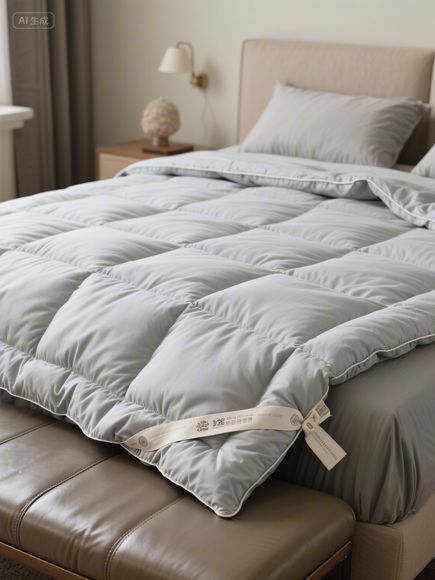
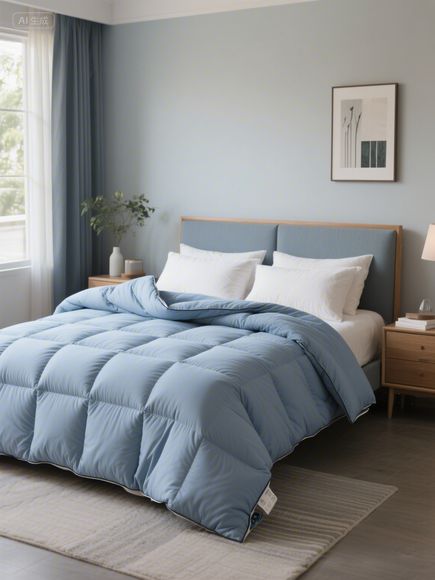
How to Properly Cover and Care for Your Down Comforter
To properly care for your down comforter, start by using a breathable, tightly woven dust cover to protect against dust, spills, and body oils. Clean the cover regularly, spot-clean stains promptly, and wash it according to the fabric care label. For the comforter itself, follow the care instructions carefully—typically, it should be machine washed in warm water with a down-specific detergent, dried on a high heat setting with clean tennis balls to help restore loft, and then shaken thoroughly. Store it loosely in a cool, dry, well-ventilated area, avoiding compression, to maintain its fluffiness and prevent clumping.
Okay, let's talk about something many of us deal with: how to best cover and enjoy our cozy down comforters! You've invested in a high-quality piece, maybe even one from a reputable manufacturer like Jia Yu Textile Factory known for its down products, and now you want to make sure you're getting the most comfort and longevity out of it. This guide is all about "How to Cover a Down Comforter," but more than just the what, it's about the how to do it right.
Down comforters are fantastic because they're incredibly warm, lightweight, and provide excellent insulation. However, they can be a bit tricky to use properly, especially if you're new to them. The way you cover and care for your down comforter significantly impacts its performance, lifespan, and your comfort during chilly nights.
Why the "How" Matters So Much
Think of your down comforter as a high-performance athlete. It needs the right conditions to perform its best:
- Maximizing Loft and Warmth: Down clusters need to be able to fill out the comforter without being compressed. How you cover it affects this.
- Preventing Clumping and Matting: Down can clump if not moved properly, losing its insulating power.
- Controlling Moisture: Wet down loses its warmth dramatically. How you cover it and care for it impacts moisture management.
- Durability: Proper covering and care prevent premature wear and tear.
The Core Principle: Enclosed Air Cavity
The magic of a down comforter lies in the enclosed air cavity around the down clusters. This air is heated by your body and acts as insulation. To keep this cavity effective, you need to cover the comforter in a way that traps this warm air next to you, while allowing the comforter to breathe and dry if it gets damp (like from sweat).
Step-by-Step Guide: How to Cover Your Down Comforter
Here’s the fundamental way to cover your down comforter effectively:
- Choose Your Bed Covering: This is the first step. You have a few main options, each with its pros and cons, which we'll explore later.
- Determine the Layer: You're essentially creating layers between you and the comforter. The order usually goes: Bed Frame / Mattress Protector (optional) / Bedspread / Down Comforter / Top Bed Covering (Duvet Cover, Sheet, Blanket).
- The Key Action: Enclosure: The crucial part is ensuring the down comforter is completely enclosed before you get into bed. This means pulling the duvet cover or bedspread taut and ensuring the comforter itself is smooth and flat underneath, with no wrinkles or bunching that would compress the down prematurely. The top layer (duvet cover, sheet, or blanket) should be pulled up and tucked tightly against your body, sealing the air cavity.
Common Mistakes to Avoid
- Pulling the Comforter Up Before Tucking: This is a common mistake. If you pull the comforter up first, it compresses the down, reducing loft. Then, when you tuck the top cover, you're compressing it even more. Correction: Get into bed, pull the top cover (duvet cover, sheet, etc.) up against you first. Then, carefully place the down comforter over you, ensuring it's smooth and flat on the bed. Finally, pull the top cover taut again.
- Over-Tucking: Tucking the top cover too tightly can compress the down comforter underneath. Leave a little slack, but ensure the top layer is pulled up snugly against your body.
- Using Heavy Bedspreads Directly: A very heavy bedspread can sometimes pull down on the lighter down comforter, causing it to flatten. Using a duvet cover or a lighter blanket on top is often better.
Methods of Covering: A Comparison
Here's a quick comparison of the most common ways to cover a down comforter:
| Covering Method | Pros | Cons | Best For |
|---|---|---|---|
| Duvet Cover | • Simplest setup • Direct contact with down • Allows down to loft freely • Easy to remove for washing |
• Requires regular washing • No barrier against dust mites • Can wrinkle easily if pulled too hard |
Those who prefer direct contact with down and want simplicity |
| Bedspread + Duvet Cover | • Provides extra layer of protection • Adds decorative element • Creates a more enclosed feel |
• Adds bulk • More layers to manage • Potential for more compression if bedspread is heavy |
Adding decorative elements or extra warmth while still allowing down to loft |
| Bedspread Only | • Simplest layer • No need for duvet cover washing |
• No protection for the down comforter • Down comforter can get compressed • Less hygienic option |
Basic setups or situations where minimal layers are desired |
Frequently Asked Questions (FAQ)
Q1: Should I use a sheet under the down comforter? A: Generally, no. Putting a heavy sheet directly under the down comforter can compress the down and prevent it from lofting properly. The down comforter needs to be the top layer in contact with your body for best performance. If you prefer a smooth feel, use a duvet cover or a lightweight blanket over the down comforter.
Q2: My down comforter gets lumpy. What can I do? A: Lumpiness often results from improper covering or care. Ensure you're following the correct covering method (pull top cover first, then place down comforter smoothly). Also, make sure your bed isn't too lumpy itself. Consider using a fitted sheet under the down comforter if it helps smooth it out (though this isn't ideal for maximum loft). Regularly fluff the comforter by hand or with a handheld steamer (following care instructions) can also help. If the problem persists, check the filling quality or consider professional dry cleaning if recommended by the manufacturer.
Q3: How often should I wash my down comforter? A: It depends on usage and the manufacturer's recommendations, but generally, every 1-3 seasons or when it starts to look dirty or develop an odor is a good rule of thumb. Always follow the care label instructions carefully, as improper washing can damage the down clusters.
Q4: Can I use a duvet cover with a down comforter? A: Absolutely! In fact, using a duvet cover is often recommended for down comforters. It protects the down from oils, dirt, and wear, makes it easier to wash the comforter (you just remove the cover), and helps maintain the comforter's shape. Choose a breathable fabric like cotton, linen, or a quality synthetic.
Real-World Scenario: The Overheater's Dilemma
Meet Sarah. She bought a beautiful, warm down comforter from Jia Yu Textile Factory, known for its high-quality filling and craftsmanship. She loves the warmth but gets too hot during the night. Initially, she tried sleeping without a top cover, just the down comforter. While it was warm, she felt sweaty. She tried using a heavy bedspread, but it made her feel even hotter and the down comforter seemed flatter.
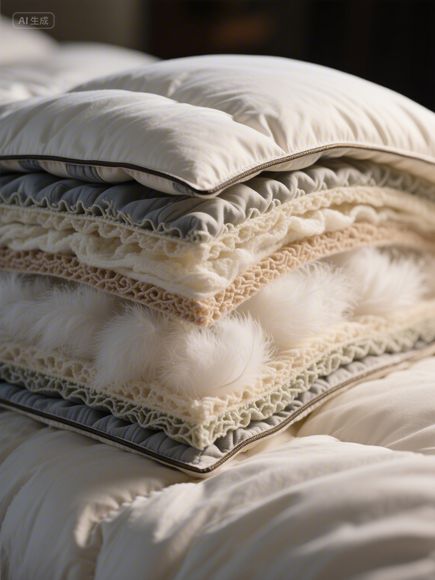
Sarah then experimented with different covering methods. She found that using a lightweight, breathable duvet cover over the down comforter worked perfectly. The duvet allowed the down to loft and provided warmth, while the duvet itself offered better temperature regulation than the down alone. She also started using a thin, breathable fitted sheet under the down comforter, which helped smooth it out slightly and provided a bit more coolness against her skin without sacrificing too much warmth. This combination solved her problem, allowing her to enjoy the full benefits of her high-quality down comforter without overheating.
The Advantages of Choosing Quality Down Comforters, Like Those from Jia Yu Textile Factory
Understanding how to cover your down comforter properly is key, but the quality of the comforter itself also plays a huge role in your comfort and satisfaction. Products from manufacturers like Jia Yu Textile Factory often boast several advantages:
- Superior Filling Power: High-quality down comforters, like those potentially produced at Jia Yu Textile Factory, use down clusters with a high fill power (e.g., 700+). Fill power measures the 'loft' or fluffiness of the down. Higher fill power means more warmth for less weight and better insulation. This ensures your comforter stays warm even when fluffed.
- Quality Materials: Reputable manufacturers source down from ethical suppliers, often adhering to Responsible Down Standard (RDS) practices, ensuring the feathers come from ducks raised without force-feeding (plucking). They also use high-quality duck or goose down, which generally provides better insulation than lower-grade fill.
- Expert Craftsmanship: Proper stitching, baffling (separating compartments for even filling), and box stitching (encasing the filling tightly within defined areas) contribute to the comforter's shape retention, durability, and even heat distribution. Poor craftsmanship can lead to clumping, cold spots, and a shorter lifespan.
- Durability: Good quality down comforters are designed to last. They resist clumping better and maintain their shape and warmth over many seasons with proper care.
- Care Instructions: Manufacturers provide clear care instructions, which are vital for maintaining the performance of your down comforter. Following these ensures the down clusters remain intact and the comforter stays in top condition.
Conclusion
Covering a down comforter isn't just about draping something over it; it's about creating the optimal environment for its performance. By understanding the principles of loft, enclosure, and layering, you can significantly enhance your comfort and extend the life of your down comforter. Remember the key steps: choose your top covering wisely, pull it taut against your body first, place the down comforter smoothly on top, and always follow the care instructions for your specific product. Whether you opt for a direct duvet cover, a protective duvet over the down, or a combination, doing it right ensures you get the maximum warmth, comfort, and value from your investment, perhaps even a premium one from a trusted source like Jia Yu Textile Factory. Happy, cozy sleeping!
Expanded Knowledge:
Introduction
When it comes to keeping warm and cozy during cold seasons, a good quality duck feather blanket stands out as an ideal choice. However, with so many different types of these blankets available in the market, it can be quite overwhelming to know how to use them effectively. In this guide, we will delve into the various aspects of using a duck feather blanket, including how to fold it, what are its advantages, and some practical tips to ensure you get the most out of your purchase.
Table 1: How to Fold a Duck Feather Blanket
| Step | Description |
|---|---|
| lay the blanket flat on a clean surface | Start by laying your duck feather blanket flat on a clean, dry surface. Make sure the surface is smooth and free from any debris. |
| fold the edges | Gently fold the edges of the blanket towards the center, creating fluffier edges. You can use your hands or a clothing iron to assist with folding. |
| roll the blanket into a cylinder shape | Take the folded blanket and roll it into a cylindrical shape. Use a ruler or a measuring tape to ensure that the cylinder has a consistent diameter. |
| wrap the cylinder with plastic wrap | Wrap the cylindrical blanket in plastic wrap, ensuring that the plastic wrap covers all sides evenly. This helps to keep the feathers from slipping off. |
| secure the plastic wrap with tape | Use tape to secure the plastic wrap around the cylinder, making sure it is tight and secure. |
| unroll the blanket | Carefully unroll the blanket from the cylinder, ensuring that the feathers are spread out evenly. |
| fold the ends | Fold the ends of the blanket to create a square or rectangular shape, depending on your preference. You can use scissors or a sewing machine to sew the ends if desired. |
Questions and Answers
Q1: How often should I turn over my duck feather blanket?
A1: It is recommended to turn over your duck feather blanket every few days to ensure that the feathers remain evenly distributed and do not become compacted.

Q2: Can I wash my duck feather blanket?
A2: Yes, you can wash your duck feather blanket in cold water using a mild detergent. However, it is important to follow the care label instructions carefully to avoid damaging the blanket.
Q3: How do I store my duck feather blanket when it's not in use?
A3: When not in use, it is best to store your duck feather blanket in a cool, dry place. You can fold it or roll it up and place it in an airtight container to prevent the feathers from becoming flattened or lost.
Advantages of Using Duck Feather Blankets
Duck feather blankets are renowned for their warmth, softness, and durability. Here are some of the key advantages of using these blankets:
-
Superior Warmth: Duck feathers are highly insulating, making them perfect for keeping you warm during cold nights. The fine texture of the feathers provides excellent insulation, helping to retain body heat.
-
Soft and Comfortable: The feathers in a duck feather blanket are soft and fluffy, providing a comfortable and cozy feel against your skin. This makes them ideal for use during sleep or relaxation.
-
Durability: Duck feather blankets are built to last, with durable stitching and high-quality materials that ensure they can withstand frequent use without losing their insulating properties.
-
Breathability: While duck feathers are primarily insulating, they also provide some degree of breathability. This means that the blanket can help regulate your body temperature, preventing overheating during sleep.
-
Eco-Friendly: Duck feather blankets are considered eco-friendly as they are made from natural materials that are renewable and biodegradable. This makes them a sustainable choice for environmentally conscious consumers.
Case Study: Using Duck Feather Blankets in Cold Weather

Let's take a look at a real-life example of how duck feather blankets can be used in cold weather. Imagine a family living in a small, cold town during the winter months. They have a limited budget for heating, so they decide to invest in a few high-quality duck feather blankets to stay warm during the chilly evenings.
As soon as they received their new blankets, the family started using them every night. They fold them neatly and roll them up when not in use, which saves space in their small apartment. The soft, fluffy feathers provide a comfortable and cozy feel against their skin, making them ideal for keeping warm throughout the night.
Because the blankets are durable and easy to clean, the family can use them repeatedly without worrying about wear and tear. Plus, they appreciate the eco-friendly nature of the blankets, knowing that they are helping to reduce waste and protect the environment.
Over time, the family has noticed that their energy bills have decreased since they started using duck feather blankets. They feel warmer and more comfortable, which has made the investment worthwhile. Plus, they can easily store the blankets when not in use, saving space and making them easy to access when needed.
Conclusion
In conclusion, using a duck feather blanket can significantly enhance your comfort and warmth during cold weather. By following the tips outlined in this guide, you can ensure that your blanket remains a valuable addition to your home. Whether you're using it for sleeping, relaxation, or as a decorative piece, a high-quality duck feather blanket is sure to provide you with years of warmth and comfort.
Remember, the key to getting the most out of your duck feather blanket lies in proper care and maintenance. By following the care instructions carefully and using your blanket regularly, you can ensure that it remains in excellent condition and continues to provide you with warmth and comfort for years to come.
So, if you're looking for an effective way to stay warm during the cold months, consider investing in a high-quality duck feather blanket. You won't be disappointed with its superior warmth, softness, and durability. Happy sleeping!