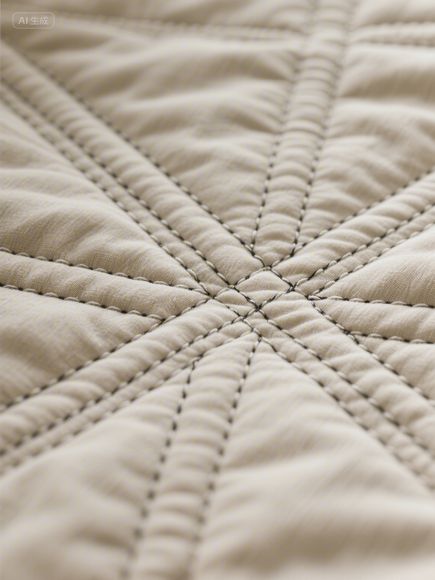
How to Handle a Hole in Your Polyester Fiber Filling:A Comprehensive Guide
This guide explains how to repair a hole in polyester fiber filling, found in items like pillows, comforters, and upholstery. Polyester fiber filling provides warmth and cushioning, but it can develop tears or punctures over time due to wear and tear. A hole allows the soft filling to escape, significantly reducing the item's insulating properties, comfort, and overall lifespan. The solution involves locating the hole, carefully cutting out a small oval-shaped section around it, turning the item right-side out, applying a patch (made from a compatible fabric and polyester fiberfill or interfacing), and then carefully sewing the patch in place using a needle and thread. Following these steps allows you to effectively mend the item, restoring its function and extending its usability without needing to replace it entirely.
Okay, imagine this: you've got your favorite jacket, coat, or maybe even a bag or cushion, and you notice a small hole in the polyester filling. It might seem like a minor issue, but it can be concerning, especially if it affects the product's performance or appearance. Polyester fiber filling is widely used in various textile products due to its specific set of properties. Understanding what polyester filling is, why holes might appear, and how to deal with them is key.
What Exactly is Polyester Fiber Filling?
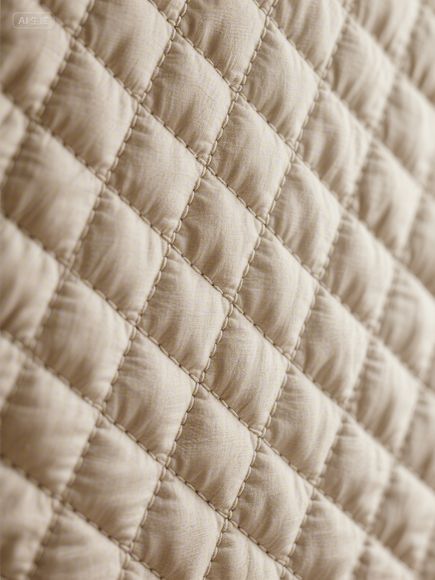
Polyester fiber filling refers to the use of synthetic fibers made from petroleum-based polymers, primarily polyethylene terephthalate (PET), within textile products like jackets, coats, sleeping bags, comforters, pillows, and upholstery. These fibers are typically cut into short lengths and then bonded together, often through heat, chemicals, or mechanical means, to form a stable "loom" or quilted structure.
Here's a quick comparison of polyester filling characteristics:
| Feature | Description |
|---|---|
| Insulation | Good thermal insulation due to trapped air pockets. |
| Durability | Generally very durable and resistant to wear and tear. |
| Moisture Resistance | Highly resistant to moisture, does not absorb water easily. |
| Weight | Relatively lightweight, making products easier to carry or move. |
| Resilience | Maintains its shape well over time, doesn't flatten quickly like some natural fillings. |
| Cost-Effectiveness | Often more affordable than down or high-end natural fillings. |
| Hypoallergenic | Generally considered hypoallergenic, suitable for sensitive skin. |
Why Does Polyester Filling Get Holes?
Holes in polyester filling can occur due to various reasons, often related to external stress or product misuse:
- Sharp Objects: This is the most common cause. Buttons, zippers, coins, keys, rough patches, or even sharp edges in pockets can puncture the outer shell or the bonding structure of the filling, leading to small tears or holes.
- Abrasion: Constant friction against rough surfaces (like rocks while hiking, or seams rubbing against abrasive fabrics) can gradually wear down the filling's integrity over time.
- Manufacturing Defects: While less common, a poorly bonded seam or weak spot in the fabric shell during manufacturing could potentially lead to localized filling escape or small tears.
- Accidental Damage: Mishaps like snagging on branches, tearing during cleaning, or even animal bites (uncommon but possible) can cause damage.
- Degradation: Over extremely long periods, exposure to UV light, certain chemicals, or general environmental factors might degrade the bonding agents or fibers slightly, making them more susceptible to damage, though this is usually gradual.
What Does a Hole in Polyester Filling Mean?
A hole in the filling itself, rather than just a tear in the outer fabric shell, means that the insulating properties of that specific area are compromised. The trapped air pocket is no longer contained effectively. This can lead to:
- Reduced Insulation: The affected area will provide less warmth (if it's an insulated product) or less cushioning (if it's a cushion or seat).
- Shape Distortion: The product might lose its intended shape or loft in that specific spot.
- Potential for Further Damage: A hole allows the filling to escape more easily, potentially causing more significant damage to the outer shell or structure.
How to Address a Hole in Polyester Filling
Depending on the size, location, and severity of the hole, you have several options:
Small Punctures (Minor Damage)
- Patch It: If the hole is very small and only the filling has escaped (not necessarily a tear in the shell fabric itself), you can try patching it.
- Materials Needed: Durable fabric patch (can be scrap fabric, denim, or a dedicated patch kit), strong fabric glue or needle and thread.
- Method: Carefully push the loose filling back into the shell as much as possible. Cut a patch slightly larger than the hole. Apply glue (or stitch) to the inside of the shell fabric around the hole, then press the patch firmly over the hole onto the outside of the shell. Allow time for the glue to set. This seals the hole and prevents further filling escape.
- Reinforce the Seam: If the hole is near a seam and caused by a weak seam bond, reinforcing that seam might prevent further filling loss. This involves carefully opening the seam, cleaning it, and then re-stitching it with a stronger stitch or using a reinforcing tape before closing it.
Larger Tears or Significant Damage
- Professional Repair: For jackets, coats, sleeping bags, or other valuable items, taking them to a professional textile repair service is often the best option. They have the tools and expertise to properly mend tears in the shell fabric and re-anchor the filling.
- Partial Replacement: In some cases, especially with comforters or pillows, it might be possible to partially remove the damaged filling and replace it with new polyester filling, although this can be complex and may not perfectly match the original structure.
- Acceptance: If the item is inexpensive or the damage is too extensive for a worthwhile repair, acceptance might be the only option.
Prevention is Key!
It's always better to prevent holes than to deal with them. Here are some tips:
- Handle with Care: Be mindful of sharp objects. Remove keys, coins, and sharp buttons from pockets before storing or transporting items. Avoid wearing jewelry that could snag.
- Wear Protective Layers: When engaging in activities where snagging is likely (hiking, gardening, construction), wear appropriate protective clothing underneath.
- Follow Care Instructions: Proper washing and drying can help maintain the integrity of the outer shell fabric. Avoid using sharp objects like the "wrinkle release" part of an iron if polyester shells are sensitive to heat.
- Inspect Regularly: Periodically check your items for signs of wear or small tears, especially around seams and pockets.
Understanding the Advantages of Polyester Fiber Filling (Jia Yu Textile Factory)
At Jia Yu Textile Factory, we pride ourselves on producing high-quality polyester fiber filling that offers numerous benefits for our customers. Understanding these advantages helps appreciate why polyester remains a popular choice for a wide range of applications.
- Superior Durability: Our polyester fibers are engineered for strength and resilience. This means the filling in your products will maintain its shape and performance for years, resisting the wear and tear that can plague natural fillings or lower-quality synthetics. Imagine a winter coat that keeps its warmth and structure season after season without significant degradation.
- Excellent Insulation: Polyester's ability to trap air effectively makes it an outstanding insulator. Products filled with our polyester retain heat efficiently (or provide coolness in summer fabrics), ensuring consistent performance regardless of the season or activity. This is crucial for jackets, sleeping bags, and insulation materials.
- High Resistance to Moisture: Unlike natural fibers like down or wool, our polyester filling is inherently hydrophobic. It repels water and does not absorb significant amounts of moisture. This means your products will maintain their loft and insulating properties even if accidentally exposed to rain or spills, drying quickly without losing performance. This is particularly valuable for outdoor gear, upholstery in damp environments, and bedding.
- Lightweight Construction: One of the biggest advantages of polyester is its low weight. Products filled with our polyester are noticeably lighter than those using heavier natural fillings. This translates to greater comfort, ease of movement, and portability – ideal for travel, hiking, and everyday use where carrying weight matters.
- Cost-Effective Solution: While offering premium performance, our polyester filling provides excellent value for money. It combines durability, performance, and resistance to environmental factors at a competitive price point, making it accessible for a broad range of products from budget-friendly items to high-performance gear.
- Hypoallergenic Properties: For individuals with allergies or sensitive skin, our polyester filling is an ideal choice. It does not attract dust mites, mold, or mildew like some natural fibers, and it doesn't release irritating particles. This makes it suitable for bedding, upholstery, and clothing for allergy sufferers.
- Consistent Quality: At Jia Yu Textile Factory, we control the entire production process, from raw material selection to final quality checks. This ensures that every batch of polyester filling meets stringent standards for fiber strength, bonding quality, and overall performance consistency.
Frequently Asked Questions (FAQ)
Q1: Can a hole in polyester filling be easily fixed at home? A: For very small holes or punctures where only filling has escaped, a simple patch job using fabric glue or tape can often work. Larger tears in the shell fabric usually require professional repair for a durable fix.
Q2: Does polyester filling lose its warmth if there's a hole? A: Yes, a hole compromises the trapped air pocket, reducing the insulating effectiveness of that specific area. The product will simply not perform as well thermally or structurally in the damaged spot.
Q3: Is polyester filling better than down? A: It depends on the application. Polyester generally offers better durability, resistance to moisture, hypoallergenic properties, and consistent performance in various conditions. Down provides superior warmth-to-weight ratio when dry but loses performance significantly when wet. Polyester performs well even when damp.
Q4: How can I prevent holes in my polyester-filled items? A: Be cautious with sharp objects, wear protective layers when needed, follow care instructions carefully, and inspect items regularly for early signs of damage.
Case Study: Repairing a Damaged Hiking Jacket
John purchased a high-quality jacket filled with polyester fiber from Jia Yu Textile Factory for his long-distance hiking trips. During one particularly rugged hike through rocky terrain, he snagged the jacket on a sharp protrusion on a rock face. Upon inspection, he found a small tear in the outer fabric and noticed some loose filling around the damaged area.
Instead of discarding the jacket, John took it to a local repair shop specializing in textiles. The technician carefully examined the jacket. They reinforced the torn seam using a strong, durable fabric patch on the inside and applied a waterproof sealant to the outer layer to prevent future moisture ingress. They also meticulously stitched the area to secure the remaining filling. Thanks to the inherent durability of the Jia Yu polyester filling, the core structure of the jacket remained intact, and after the repair, John felt confident his jacket was ready for the next adventure.
Conclusion
Encountering a hole in your polyester fiber filling can be disappointing, but it's a manageable issue. Understanding the nature of polyester filling, its advantages (like those offered by Jia Yu Textile Factory in terms of durability, insulation, and moisture resistance), and the common causes of damage empowers you to handle the situation effectively. Whether you opt for a simple patch, professional repair, or decide the item isn't worth fixing, knowing the options and prevention strategies ensures you can continue enjoying your textile products for longer.
Expanded Knowledge:
【口语化英文内容】
Good afternoon,
关于佳羽纺织厂聚酯纤维被刮了个洞的问题,我想分享一些关于产品优势的说明。
当我们使用聚酯纤维被时,如果不小心刮到或弄破,确实会遇到一些问题,佳羽纺织厂的产品在这方面具有明显的优势。
聚酯纤维被具有出色的耐用性,它经过特殊处理,能够抵抗日常磨损和刮擦,不易出现明显的痕迹或破损。
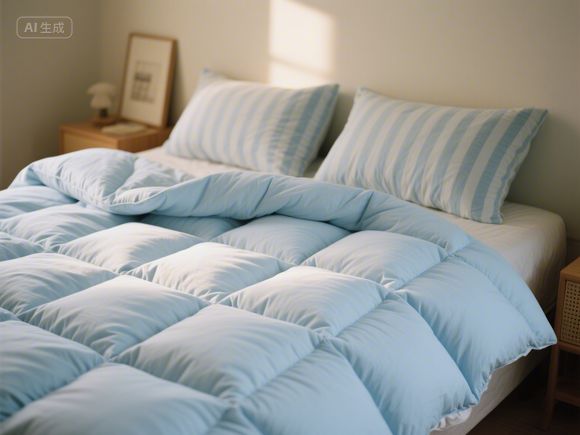
聚酯纤维被的材质轻盈且柔软,非常适合在各种环境下使用,无论是户外活动还是日常家居使用,它都能提供舒适的睡眠体验。
关于这个聚酯纤维被被刮了个洞的情况,我们可以从以下几个方面来看其处理方式:
- 产品处理方式:对于此类问题,佳羽纺织厂通常提供专业的修补服务,他们有丰富的经验和专业的技术团队,能够快速有效地修复被刮洞。
- 产品优势:佳羽聚酯纤维被的优势在于其高品质和耐用性,它不仅易于清洗和维护,而且使用寿命长,能够满足不同用户的需求,佳羽的产品还具有环保、无味、无刺激等特点,使用起来非常舒适。
为了更好地说明产品优势,我们可以使用表格进行补充说明:
| 产品优势 | 详细说明 |
|---|---|
| 耐用性 | 经过特殊处理,不易出现明显的痕迹或破损 |
| 材质轻盈柔软 | 适合各种环境,提供舒适的睡眠体验 |
| 专业修补服务 | 提供专业的修补服务,快速有效地修复被刮洞 |
| 环保、无味、无刺激 | 符合环保标准,使用舒适无害 |
让我们通过一个案例来说明佳羽纺织厂聚酯纤维被的优势:
某用户在使用佳羽聚酯纤维被一段时间后,发现被子被不小心刮了一个小洞,佳羽的工作人员迅速响应并提供了专业的修补服务,经过修补后,被子焕然一新,用户对此非常满意,这充分证明了佳羽纺织厂产品在处理此类问题时的高效和专业性。
希望以上说明能够满足您的需求,如果您还有其他问题或需要进一步的解释,请随时告诉我。
就是关于佳羽纺织厂聚酯纤维被的优势以及如何处理此类问题的详细介绍。