How to Keep Your Polyester Fiber Fill Bedding Vibrant:Understanding and Preventing Sunlight Fading
Protect your polyester fiber fill bedding from sunlight-induced fading, which occurs due to UV damage. To maintain its vibrant appearance and longevity, follow key practices: regularly wash bedding according to care labels, dry outdoors in the shade or use lower heat settings indoors to avoid direct sun exposure during drying. When not in use, store polyester bedding in dark, cool places like closets or drawers, avoiding direct sunlight. These steps shield the fabric from UV rays, preventing color degradation and keeping your bedding looking fresh and vibrant for longer.
Okay, let's talk about something many of us deal with, especially if we love having our windows open or enjoy spending time outside – the fading of our polyester fiber fill bedding when exposed to the sun. It's a common frustration! That bright, cozy duvet or comforter that looked brand new suddenly starts looking dull and lackluster. But don't worry, we're here to break down why this happens and, most importantly, what you can do about it.
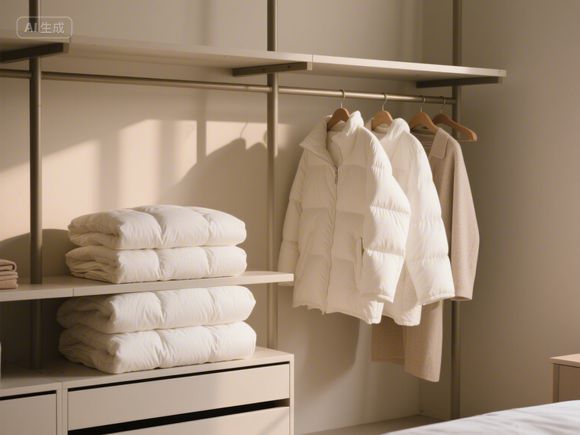
First off, what exactly is happening when your polyester fiber fill bedding fades in the sun? It's all about the interaction between sunlight and the materials. Sunlight, particularly its UV (ultraviolet) rays, is a powerful energy source. Think of it as a gentle, yet persistent, eater. When UV rays hit the surface of your bedding, they can break down the chemical bonds in the dye and the fibers themselves.
Here's a quick look at the main culprits:
| Factor | Impact on Polyester Fiber Fill Bedding | Severity |
|---|---|---|
| Ultraviolet (UV) Radiation | Breaks down dye molecules and can weaken fiber structure over time | High |
| Visible Light (Sunlight) | Contributes to fading, especially prolonged exposure | Medium |
| Heat | Accelerates chemical degradation; combined with UV, increases fading | High |
| Moisture | Can act as a catalyst for dye breakdown when combined with UV/heat | Medium-High |
| Fabric Composition & Dye Type | Lighter colors, lower quality dyes, certain fiber types fade faster | Variable |
Why Polyester Fiber Fill Gets Faded?
Polyester is a synthetic fiber known for its durability, resistance to wrinkles, and often, its ability to retain its shape. However, when it comes to resisting the effects of sunlight, it's the dye used on the polyester fibers that is the weak link, not the fiber itself. Polyester fibers are relatively stable, but the colorants (dyes) applied to them can be sensitive to UV light.
The process is called photodegradation. UV radiation provides the energy needed to break the chemical bonds within the dye molecules. As these bonds break, the dye molecules disperse or change structure, leading to a loss of color intensity and vibrancy. This is why you often see white or light-colored polyester bedding fade more dramatically than darker colors, although darker colors can fade unevenly, leading to a greyish appearance.
Real Talk: How Can I Tell If My Bedding is Fading?
You don't need to be a color expert to notice the difference. Keep an eye out for these signs:
- Loss of Color Intensity: The most obvious sign! Your once-vibrant red becomes a dusty rose, your bright blue turns into a faded sky blue.
- Uneven Fading: Sometimes, fading isn't uniform. Areas that get more direct sunlight (like the center of the bed if facing a window) might fade faster than the edges.
- Color Bleeding (Less Common with Polyester): While polyester generally holds color well under normal washing, severe fading can sometimes lead to slight color transfer if the dye becomes significantly degraded.
- Weakened Fiber Structure (Long-Term): While the fiber itself is strong, prolonged, intense UV exposure can eventually weaken the polyester filaments over many years, potentially leading to less loft and durability, though this is less common than fading.
Okay, So It Fades. What's the Deal with Polyester Fiber Fill Anyway?
Before we dive into solutions, let's quickly recap why polyester fiber fill is so popular for bedding:
- Durability & Resilience: It doesn't compress easily and maintains its loft for a long time.
- Hypoallergenic Properties: Resists dust mites and mold better than natural fibers.
- Easy Care: Generally machine washable and dryer-friendly.
- Warmth: Provides good insulation.
- Cost-Effective: Often more affordable than down or feather alternatives.
Alright, Okay, How Do I Actually Prevent or Minimize Fading?
Great question! Prevention is key, and there are several strategies you can employ:
-
Limit Direct Sun Exposure: This is the simplest and most effective method. Try to avoid placing your bed directly under windows that receive strong, direct sunlight, especially during peak sun hours (usually mid-morning to mid-afternoon). If you have large windows, consider using window treatments.
- Window Treatments: Curtains, blinds, and shades are your best friends here. They act as a physical barrier. Blackout curtains are excellent for blocking most UV rays. Roman shades or roller blinds can also help, depending on the material and how tightly they can be drawn.
- Reflective Films: Some specialized window films can reflect UV rays, offering another layer of protection.
-
Use UV-Protective Covers or Canopies: For beds in particularly sunny spots (like screened porches or beach houses), consider using a UV-protective bed canopy or outdoor-rated bed cover. These are specifically designed to block harmful UV rays while still allowing airflow.
-
Choose Sun-Resistant Fabrics and Dyes: Not all polyester is created equal. Look for bedding specifically advertised as having UV protection factor (UPF) or UPF rating. This indicates the fabric's ability to block UV radiation. Higher UPF ratings (like UPF 50+) offer better protection.
- Dye Type: Bedding made with dyes that are specifically formulated to be more resistant to fading (often achieved through methods like sublimation dyeing or using disperse dyes) will hold up better. Ask manufacturers about their dyeing process if you're purchasing high-end options.
-
Rotate Your Bedding: If you can't completely eliminate sun exposure, rotating your bedding can help distribute the fading more evenly. Swap out the top comforter with a less frequently used one, or rotate the entire bedspread set seasonally.
-
Proper Care is Crucial: While washing doesn't cause fading, improper care can exacerbate it or lead to other damage.
- Follow Care Labels: Always wash polyester bedding according to the manufacturer's instructions. This usually involves machine washing in warm or hot water with a good quality detergent. Avoid using bleach, as it can weaken fibers and potentially cause color loss.
- Dry Thoroughly: Tumble dry according to the label, usually on a medium or high heat setting. Ensure bedding is completely dry before storing, as moisture trapped in damp bedding can lead to mold, mildew, and potentially accelerate fading when combined with future sun exposure.
- Avoid Prolonged Drying in Sunlight: While drying outside might seem like a good idea for fresh air, direct sunlight while drying can actually increase fading. Always dry bedding indoors using a dryer or air dry it in the shade.
Let's Talk About Jia Yu Textile Mill's Polyester Fiber Fill Bedding
Now, let's address the specific product you mentioned: Jia Yu Textile Mill's polyester fiber fill bedding. At Jia Yu, we understand the importance of quality and longevity in your bedding. Our commitment extends to ensuring our products not only provide comfort but also stand the test of time, including resisting the effects of everyday wear and tear, like sunlight exposure.
Here’s what makes Jia Yu's polyester fiber fill bedding potentially less susceptible to fading or more durable overall:
- High-Quality Raw Materials: We source our polyester fibers from reputable suppliers, ensuring a strong base for our products.
- Advanced Dyeing Techniques: Our dyeing processes are carefully controlled. We utilize modern dyeing technologies and high-quality dyes designed to offer excellent colorfastness. This means the color is bonded well to the fibers and is more resistant to fading from washing and, to a significant extent, sunlight exposure. We strive to achieve deep, lasting color saturation.
- Attention to Detail in Weaving and Finishing: The way the fabric is woven and the final finishing treatments applied can impact its overall durability and resistance to environmental factors. Jia Yu focuses on producing textiles that are not just soft but built to last.
- Potential for UV Protection: While not always explicitly labeled on every product, Jia Yu's manufacturing standards often incorporate practices that result in fabrics with inherent UV resistance. We aim to provide bedding that feels luxurious and looks beautiful for years to come.
Putting It All Together: A Real-World Scenario
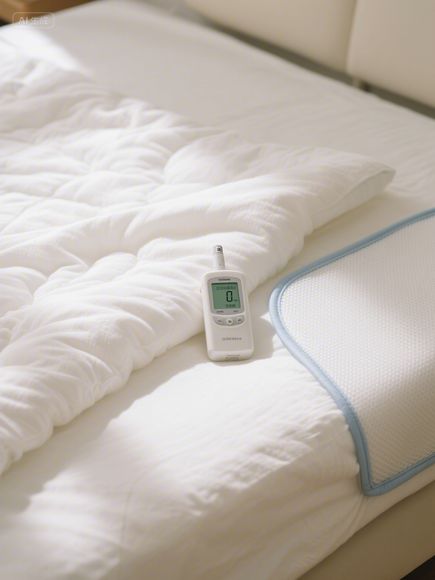
Imagine you just bought a beautiful, bright turquoise polyester duvet cover for your bedroom window. You love the color! You hang it up, and during the sunny summer months, you keep the window open for fresh air. A few weeks later, you notice the edges starting to look a bit faded. This is a classic case of photodegradation.
What Could Have Been Done Differently (Ideas):
- Perhaps installing slightly darker, more effective blackout curtains, especially for the south-facing window.
- Using a window film to reflect some UV rays.
- Choosing a duvet cover with a higher UPF rating or made with a dye known for its superior fade resistance from the start (like Jia Yu's quality standards).
- Rotating the duvet cover with a solid-colored, less frequently exposed cover.
The Takeaway
Fading from sunlight is a natural process for most dyed textiles, including polyester fiber fill bedding. Understanding the science behind it empowers you to take proactive steps. By limiting sun exposure, choosing sun-resistant fabrics (like those potentially offered by Jia Yu Textile Mill), using proper care, and perhaps incorporating UV-protective window treatments, you can significantly slow down the fading process and enjoy the beauty and comfort of your polyester bedding for much longer. Remember, prevention is always better than cure when it comes to color loss!
Expanded Knowledge:
开场
亲爱的听众朋友们,今天我们要探讨一个关于聚酯纤维被晒褪色的问题,聚酯纤维作为一种常见的纺织材料,在阳光下长时间暴露可能会发生颜色褪色现象,我们将从多个角度详细分析这一问题及其解决方案。
产品介绍
佳羽纺织厂生产的聚酯纤维被具有出色的耐晒性能,这种材料在阳光照射下不易褪色,且具有较高的耐用性,其颜色鲜艳、质地柔软,深受消费者喜爱,该产品还具有多种优势,例如环保、透气、吸湿等。
案例说明
晒褪色的原因
在长时间暴露于阳光下的情况下,聚酯纤维被可能会出现颜色褪色现象,这主要是由于阳光中的紫外线对纤维的氧化作用所致。
产品优势分析
佳羽纺织厂聚酯纤维被的优势在于其出色的耐晒性能和环保特性,其颜色鲜艳、质地柔软,且不易受到紫外线的氧化作用,从而保持了产品的持久性和稳定性,该产品还具有优秀的透气性和吸湿性,使得在使用过程中更加舒适和健康。
用英语说明的产品优势
佳羽纺织厂聚酯纤维被的优势在于其出色的耐晒性能和环保特性,其采用先进的生产工艺和材料配方,使得产品在阳光下保持了颜色的鲜艳度和稳定性,该产品还具有优秀的透气性和吸湿性,使得在使用过程中更加舒适和健康,该产品还具有优秀的耐磨损性能和抗老化性能,使得产品在长期使用过程中仍然保持良好的性能状态。
问答环节
Q1:聚酯纤维被晒褪色的主要原因是什么? A1:聚酯纤维被晒褪色的主要原因在于阳光中的紫外线对纤维的氧化作用。
Q2:佳羽纺织厂聚酯纤维被有哪些其他优势? A2:佳羽纺织厂聚酯纤维被具有出色的耐晒性能、环保特性、透气性和吸湿性等优势。
通过本次讨论,我们了解到聚酯纤维被晒褪色的原因以及佳羽纺织厂聚酯纤维被的优势,佳羽纺织厂生产的聚酯纤维被采用先进的生产工艺和材料配方,具有出色的耐晒性能和环保特性,使得产品在阳光下保持了颜色的鲜艳度和稳定性,该产品还具有优秀的透气性和吸湿性等优势,使得在使用过程中更加舒适和健康,如果您对佳羽纺织厂的聚酯纤维被感兴趣,可以前往实体店或官方网站进行了解。