How to Keep Your Down Comforter Fluffy and Fresh:A Complete Guide
Discover essential tips for maintaining your down comforter's fluffiness and freshness in this complete guide. Learn effective cleaning methods, proper storage techniques to prevent clumping and odors, and quick fluffing tricks. From washing and drying to seasonal care and odor elimination, this guide covers everything needed to keep your down comforter soft, warm, and lasting longer.
本文目录导读:

Okay, let's talk about something most of us rely on heavily for comfort and warmth during the colder months: the down comforter! That soft, puffy layer feels amazing, right? But, like any cherished possession, it needs some proper care to keep it looking (and feeling) its best for years to come. Neglecting your down comforter can lead to clumping, loss of loft, and maybe even an unpleasant odor. Don't worry, though! With the right knowledge and a little effort, you can keep your downy haven cozy and comfortable season after season.
Why Proper Care Matters
Down feathers are nature's perfect insulator. They trap air, providing excellent warmth without being heavy. But this same structure can be compromised if not cared for properly. Dirt, oils from your skin, humidity, and improper cleaning can cause the down clusters (clusters of individual feathers) to break down or clump together. This clumping reduces the comforter's ability to loft (fluff up), insulate effectively, and stay comfortable. Plus, trapped moisture can lead to mildew and unpleasant smells. Think of it like brushing your hair – you want to keep the natural fluffiness and prevent knots!
The Basics: Cleaning Your Down Comforter
When it comes to cleaning, less is often more with down. Over-washing can be harsh on the delicate feathers. However, if your comforter gets noticeably dirty, spills, or starts to smell, it's time for a refresh.
Washing Down Comforters
- Check the Label First! This is the most crucial step. Every comforter is different. Look for the care label attached to the comforter. It will tell you the recommended washing method (machine wash, dry clean only), water temperature, and detergent type. Pay attention to these instructions!
- Frequency: Unless you notice significant soiling or odors, a thorough washing might only be needed once or twice a year. Spot cleaning can handle minor messes.
- Machine Washing:
- Use a Large Capacity Washer: Down comforters need plenty of space to move and fluff during the wash cycle. A standard top-loader might not be sufficient.
- Gentle Cycle: Select a gentle or delicate cycle to minimize agitation that could damage the down clusters.
- Cold Water: Always use cold water. Hot water can damage the natural oils in the down and potentially set any odors.
- Down-Specific Detergent: Use a detergent formulated for washing down products. Regular detergents can be too harsh and may leave residues that attract dirt or affect the down's performance. Look for hypoallergenic options if needed.
- Avoid Fabric Softener: Fabric softener can coat the down feathers, reducing their ability to trap air and potentially causing clumping. Skip it!
- Don't Overload the Washer: Overfilling the washer won't give the comforter enough room to move properly. Wash it with only the comforter (unless the label specifically allows adding other items like towels for extra fluff, but this isn't always recommended).
- Dry Cleaning:
- If the label says "dry clean only," take it to a professional cleaner experienced with down products. They have the expertise and special equipment (like industrial dryers with tumbling action) to clean and fluff the comforter properly without damaging it.
- Avoid Home Dryers for Dry Clean Only: Unless the label specifically says it's safe to machine dry, don't attempt it at home. Home dryers can be too hot and might damage the down.
Here's a quick comparison of washing methods:
| Washing Method | Frequency | Water Temperature | Cycle | Detergent Type | Fabric Softener? | Special Considerations |
|---|---|---|---|---|---|---|
| Machine Washing | 1-2 times per year for heavily soiled comforters | Cold Water | Gentle/Delicate | Down-Specific Detergent | No | Requires large capacity washer; don't overload |
| Dry Cleaning | As needed for comforters labeled "dry clean only" | N/A | Professional handling | Professional cleaner's recommendation | No | Must be done by experienced professional; avoid home dryers |
Drying Down Comforters (If Machine Washing at Home)
This is arguably the most important part of the washing process! Improper drying is a common cause of down comforter problems (clumping, uneven filling).
- Air Drying is Key: Machine washing uses water, but drying must be done carefully. Air drying is the gentlest method and helps maintain the down's natural oils.
- Tumble Dry on Low Heat: If you choose to machine dry (and the label allows it), use the lowest heat setting possible. High heat is a recipe for disaster – it can damage the down clusters and potentially create holes in the comforter shell.
- Add Dryer Balls or Tennis Balls: This is crucial! Add clean, dry wool dryer balls or tennis balls to the dryer. They help break up the down as it dries, preventing clumping and promoting even fluffiness. You can also add a few clean, dry white socks or clean tennis shoes (no holes) for the same effect.
- Long Drying Time: Be patient! Drying a down comforter takes a long time – often several hours, or even overnight. Check it periodically. It's dry when it feels completely light and fluffy, not lumpy or heavy in places.
- Shake It Out: While it's drying, shake the comforter out periodically (carefully, maybe while it's still slightly damp) to help distribute the down and prevent clumping. Once dry, shake it thoroughly before removing it from the dryer or taking it out to air dry.
- Avoid Direct Sunlight: While sunlight can help with drying, direct, intense sun can fade the colors and potentially damage the fabric. Air dry indoors or in the shade.
Spot Cleaning Minor Stains
For small spills or stains:
- Blot (don't rub) the stain with a clean, dry cloth to absorb as much liquid as possible.
- Mix a small amount of down-specific detergent with cold water.
- Dab the solution gently onto the stained area using a clean cloth or sponge, working from the outside edges inward.
- Blot again with a dry cloth.
- Allow the area to air dry completely before putting the comforter back on the bed.
Storing Your Down Comforter Properly
Proper storage is essential, especially during warmer months when you might not use your down comforter. Incorrect storage can lead to clumping, moisture damage, and loss of loft.

Best Practices for Storage
- Clean First: Always store a clean comforter. Any residual moisture or odors can lead to mold or mildew during storage.
- Air Out: After washing and drying, hang the comforter outside (in a breezy spot, away from direct sun) or air it out indoors with a fan for a few hours to ensure it's completely fresh and dry.
- Avoid Plastic Bags: This is a common mistake! Storing down in a plastic bag or sealed container traps moisture and can cause it to clump and lose its loft. Down needs some airflow.
- Use a Breathable Cover: Place the comforter inside a large, breathable storage sack (like cotton pillowcases or mesh laundry bags) or fold it loosely. This allows air circulation.
- Loose Folding (If Necessary): If you must fold it for space (e.g., in a seasonal storage box), use a loose fold rather than a tight one. Avoid crumpling it. Try folding it accordion-style or loosely rolling it.
- Cool, Dry Place: Store the covered comforter in a cool, dry place away from direct sunlight, heat sources (like radiators or vents), and dampness (basements can be problematic). A closet, wardrobe, or linen closet are usually fine, as long as they are well-ventilated.
- Check for Pests: Before storing, make sure the comforter is free from dust mites or other pests. A good shake or vacuuming beforehand can help.
Here are some common storage mistakes and their consequences:
| Storage Mistake | Potential Consequence | Recommended Alternative |
|---|---|---|
| Sealed plastic bags | Traps moisture, causes clumping and mold | Use breathable storage sacks or air out before covering |
| Tight folding | Prevents air circulation, damages down clusters | Use loose folds or accordion-style storage |
| Storage in damp basements | Attracts moisture, leads to mildew and odors | Choose cool, dry, well-ventilated areas like closets |
| Direct sunlight | Fading, potential fabric damage | Store in shaded, dark areas away from UV rays |
Maintaining Your Down Comforter's Fluffiness
Even with proper cleaning and storage, your down comforter might occasionally lose its fluffiness. Here’s how to help maintain its loft:
- Regular Fluffing: Periodically take the comforter outside (in good weather) and shake it vigorously. Or, if you have a fan, blow air through it while it's on the bed. This helps redistribute the down clusters.
- Avoid Weighty Bedding: Don't pile heavy blankets or comforters on top of your down comforter while it's stored or in use, as this can flatten it.
- Check for Drafts: If you notice cold spots under the comforter, it might be time to check if the down is evenly distributed or if it needs a good fluffing.
Case Study: The Importance of Proper Care
Sarah bought a beautiful, high-thread-count cotton comforter cover for her down comforter. She loved how soft it felt. However, she didn't wash the comforter often, and over time, she started noticing small clumps forming. She also spilled a glass of water once and didn't address it properly. The stain became discolored, and the overall warmth seemed less effective. Frustrated, she took it to a professional cleaner. They advised her that the down clusters were partially damaged and that regular, proper care (including using a down-specific detergent and ensuring thorough drying) was essential. After a good clean and proper storage, her comforter recovered some of its fluffiness, but the experience taught her the importance of consistent maintenance.
Jia Yu Textile Factory: Crafting Quality Down Comforters
At Jia Yu Textile Factory, we understand the value of a high-quality down comforter. Our commitment to excellence shines through in every product we create. Here’s what makes our down comforters stand out:
- Premium Down Fill: We source high-quality down, often from specific regions known for producing superior feathers. This down is carefully selected and processed to ensure excellent warmth, lightness, and resilience.
- Carefully Designed Construction: Our comforters feature well-constructed shells that allow the down to move freely, maximizing its insulating properties. We pay attention to details like quilting, which helps maintain the shape and prevents shifting.
- Attention to Detail: From the fabric choice to the stitching, we focus on durability and comfort. Many of our models are hypoallergenic, catering to sensitive individuals.
- Clear Care Instructions: We provide detailed care instructions with our products, empowering our customers to maintain their comforters' quality for years to come. Following these guidelines is key to unlocking the full lifespan of your Jia Yu down comforter.
The Final Word
Taking good care of your down comforter isn't just about keeping it clean; it's about preserving its ability to provide that luxurious warmth and comfort you love. By understanding the basics of washing (when and how), drying (with care), and storage (airflow is key!), you can ensure your downy haven stays a cozy sanctuary for many seasons. Remember to always check the care label, use the right products, and be patient during the drying process. With proper maintenance, your down comforter will continue to offer that perfect blend of softness and warmth year after year. Happy snuggling!
Expanded Knowledge:
I. Introduction
大家好,今天我们来聊聊鸭绒被的养护问题,鸭绒被作为冬季保暖的重要物品,其品质和保养方式直接关系到其使用寿命和舒适度。
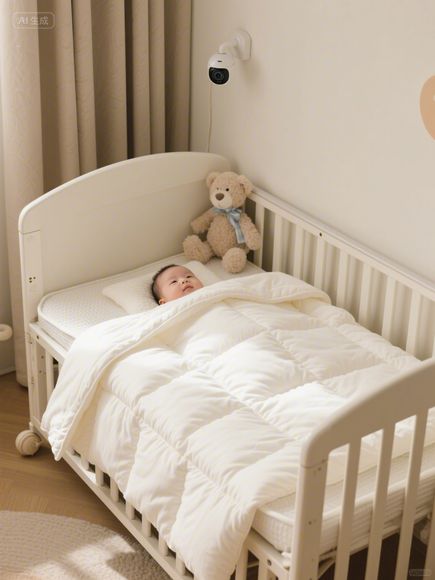
II. 鸭绒被的养护方法
日常保养步骤
- 定期清洁:定期使用吸尘器清洁鸭绒被表面,去除灰尘和杂物。
- 避免暴晒:避免将鸭绒被长时间暴露在强烈的阳光下,以免褪色和老化。
- 适度挤压:定期适度挤压鸭绒被,使其保持形状和弹性。
- 存放环境:存放在干燥、通风、阴凉的地方,避免潮湿和高温。
产品优势介绍
佳羽纺织厂生产的鸭绒被以其优质原材料和精细工艺而备受推崇,其产品具有以下优势:
- 环保材料:采用环保型鸭绒,无污染、无异味。
- 保暖性能好:经过特殊处理,具有良好的保暖性能和舒适度。
- 养护简单:采用科学的养护方法,方便快捷。
III. 案例说明
以佳羽纺织厂为例,他们注重鸭绒被的养护工作,确保产品品质和性能,以下是他们的养护案例:
日常保养与维护
佳羽纺织厂会定期组织员工进行鸭绒被的保养培训,确保员工了解正确的保养方法,他们还会定期检查和维护鸭绒被的质量,确保其使用寿命和舒适度。
IV. 问答环节
Q1: 鸭绒被在存放时需要注意什么? A1: 在存放鸭绒被时,需要注意避免潮湿和高温,存放在干燥、通风、阴凉的地方,要避免与其他物品的摩擦和碰撞。
通过以上介绍,我们可以了解到鸭绒被的养护方法和产品优势,希望对大家有所帮助,在今后的使用过程中,我们也要注意保持鸭绒被的清洁和干燥,避免暴晒和潮湿,这样才能让鸭绒被更好地发挥其保暖作用,同时延长其使用寿命和舒适度。