The Ultimate Guide to Choosing the Perfect Goose Down Comforter:Your Path to Cozy Nights
This ultimate guide helps you select the ideal goose down comforter for luxurious, cozy sleep. Learn to evaluate fill power for warmth and quality, understand different tog ratings for climate control, and choose the right size and construction. Discover how premium goose down offers exceptional warmth, breathability, and durability while being naturally hypoallergenic. Make an informed decision to ensure your perfect nights of comfort and relaxation.
本文目录导读:
Okay, let's talk about something crucial for a good night's sleep: the comforter. Especially a goose down comforter! They are dreamy, fluffy, and promise warmth. But with so many options out there, how do you know you're getting the real deal? Choosing the right goose down comforter isn't just about aesthetics; it's about quality, performance, and value. It's about finding that perfect cloud-like layer that keeps you warm without feeling stuffy, and lasts for years. Don't worry, we're here to break it down. Think of this guide as your personal shopper and sleep expert, helping you navigate the world of goose down comforters so you can finally find the one that feels like a hug every night.
First things first, what makes a goose down comforter special? The star ingredient is, obviously, the down. Goose down is generally considered superior to duck down by many because it often has a higher fill power, meaning each down cluster can trap more air, leading to better warmth and fluffiness per ounce. But just having goose down isn't enough. The quality of that down, how it's processed, and how it's finished in the comforter are all critical factors. Let's dive into the key things to look for.
Understanding Fill Power: The Down's Superpower
Fill power is measured in cubic inches. It tells you how much volume one ounce of down can occupy. Think of it as the down's "air-trapping capacity." Higher fill power means the down is more mature, has a better structure, and is generally warmer and fluffier for its weight.
- What's a good fill power? Generally, fill powers ranging from 550 to 800 are common for comforters. Anything above 800 is considered premium down, often found in high-end products. For most people, a fill power between 600 and 750 offers an excellent balance of warmth, fluff, and value.
- Why does it matter? Higher fill power means you get more warmth without needing as much down, leading to a lighter, fluffier comforter. It also generally means better temperature regulation – you stay warm but don't overheat.
Material Matters: Down vs. Feathers vs. Synthetic
While the guide is about goose down, it's worth quickly comparing the materials to understand the context:
- Goose Down: Often preferred for its potential higher fill power and fluffiness. Generally considered a premium natural fiber.
- Duck Down: Also a natural option, often more affordable than goose down. Fill power can vary, but many duck down comforters perform very well.
- Synthetic Fill (e.g., Polyester): Man-made fibers designed to mimic down. They are often hypoallergenic, don't require special care (can usually be machine washed), and maintain their shape well. They are a great budget-friendly and allergy-conscious alternative, but they might not offer the same "luxurious feel" or warmth-to-weight ratio as high-quality down.
For this guide, we're focusing on the natural warmth and feel of goose down.
Construction and Fill Weight: Building Your Cozy
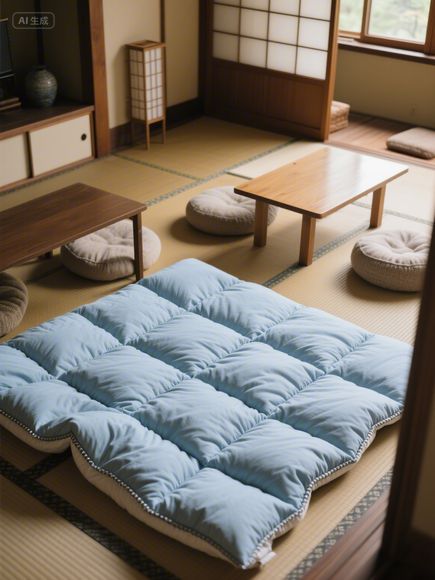
How the down is distributed within the comforter shell is crucial.
- Fill Weight (Tencel, Cotton, etc.): This is the total amount of filling (down or synthetic) used, usually measured in grams or ounces. More fill weight generally means more warmth, but it also adds weight. The ideal fill weight depends on your climate, body temperature, and personal preference. A common range for goose down comforters is 300g to 600g (roughly 10.5oz to 21oz).
- Construction Type:
- Box Spring Fill: Down clusters are shaken into the shell. This is the most common and often the most affordable method. It provides good even coverage but might not be as durable as other methods.
- European Pillow Fill: Down clusters are injected directly into the shell, often in a specific pattern. This method allows for higher fill weights, better shape retention (especially at the edges), and often results in a fluffier feel. It's generally considered a higher quality construction method.
Shell Material and Quality: The Comforter's Garment
The shell (the fabric part of the comforter) is just as important as the fill.
- Shell Material: Common materials include cotton, linen, bamboo, and blends. Cotton is breathable and soft. Linen is durable and gets softer with washing. Bamboo is smooth and moisture-wicking. The shell should be tightly woven to prevent down from escaping. A good rule of thumb: if you can see through the shell, it's too sheer and won't effectively contain the down.
- Taped Seams: Look for comforters with taped seams, especially around the edges. This means the seams are sealed with heat or adhesive, preventing down from escaping over time. This is a sign of quality construction and durability.
Certifications and Standards: Trust Seals
While not an absolute guarantee, certain certifications can give you peace of mind regarding quality and ethical sourcing.
- Down Standard International (DSI): This is a widely recognized standard for down products. It ensures fair treatment of birds, responsible sourcing, and minimum fill power requirements. Look for the DSI label.
- Oeko-Tex Standard 100: This certification tests textiles for harmful substances. It ensures the product is free from over 100 harmful chemicals.
- GOTS (Global Organic Textile Standard): If you're looking for organic shell materials, this standard covers the entire process from harvesting to manufacturing.
Care and Maintenance: Keeping Your Investment Happy
Down comforters need proper care to maintain their fluffiness and longevity.
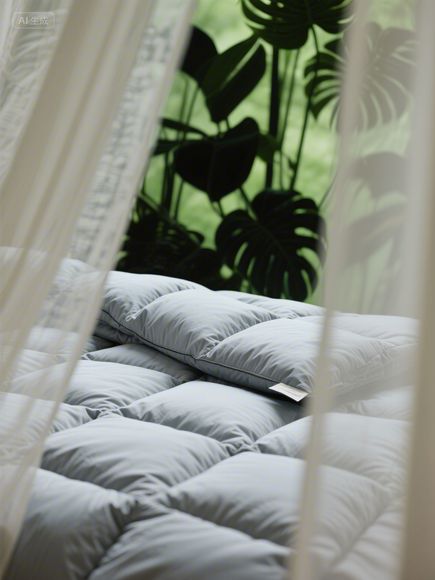
- Washability: Most high-quality goose down comforters are machine washable, but always check the care label first. Some might require dry cleaning or special care.
- Washing: Use a gentle cycle, warm or cold water, and a mild detergent. Add a down-specific laundry bag to protect the clusters. Avoid fabric softeners, as they can coat the down and reduce its ability to trap air.
- Drying: This is crucial! Down needs to be dried thoroughly to fluff up and prevent clumping. Use a large capacity dryer with high heat (if safe for the comforter) and add clean tennis balls or dryer balls to help fluff and separate the clusters. The drying process can take several hours or even days. Ensure the comforter is completely dry before use and storage. Ironing on a low heat setting (if needed) can help smooth out wrinkles.
Temperature Regulation and Hypoallergenic Properties
Down is naturally a good insulator, keeping you warm in winter and cool in summer (passively, by trapping your body heat). However, if you tend to sleep hot, look for comforters with breathable shell fabrics (like cotton or linen) or consider synthetic options which might feel less insulating.
Regarding allergies: Pure down is generally not a major allergen for most people, but some individuals might react to dust or oils from the feathers (though goose down has very few feathers). If allergies are a concern, synthetic fill is often a better bet, or look for down that has been treated or processed to minimize potential allergens. Remember, DSI certification also considers bird health, which can relate to down quality.
Putting It All Together: A Comparison Guide
Here's a quick reference table summarizing the key factors to consider when choosing a goose down comforter:
| Feature | What to Look For | Why It Matters |
|---|---|---|
| Fill Power | 600-800+ (Higher is better) | Determines warmth, fluffiness, and efficiency of the down clusters. |
| Material | Goose Down (preferred), Duck Down (good alternative) | Natural warmth source; Goose often has higher potential fill power. |
| Fill Weight | 300g-600g+ (Varies by size/weight preference) | Affects warmth level and comforter weight. Higher weight = more warmth. |
| Construction | European Pillow Fill (preferred), Box Spring Fill (common) | Injection method (European) offers better shape retention and fluff. |
| Shell Material | Cotton, Linen, Bamboo - Tightly Woven | Outer layer comfort, breathability, and containment of the down. |
| Seams | Taped Seams | Prevents down leakage and ensures durability. |
| Certifications | DSI, Oeko-Tex | Provides assurance on sourcing, safety, and quality. |
| Care Instructions | Machine Washable (preferred), Clear Drying Instructions | Essential for maintaining the comforter's performance and lifespan. |
Frequently Asked Questions (FAQ) Style
Q: How do I know if a comforter is genuinely high quality goose down and not just cheap fill? A: Look for a high fill power rating (aim for 650+). Check the construction type (European Pillow Fill is better). Examine the shell fabric for tight weave and quality feel. Look for reputable certifications like DSI. Read customer reviews if possible. A good quality comforter should feel substantial and not overly cheap or scratchy.

Q: My new down comforter smells. Is that normal? A: Yes, it's called "off-gassing" and is completely normal for new down products. It's the smell of the natural oils from the down clusters settling in. Wash the comforter according to the care instructions (usually involves a hot water wash and thorough drying) to eliminate the smell. Ensure it's fully dry before use.
Q: My down comforter is getting lumpy or flat. What's wrong? A: Lumps usually mean the down is clumping together, often due to incomplete drying or using fabric softener. Flattened areas can result from improper care (not shaking/fluffing after drying, heavy bedding, or edge support issues). Ensure you follow the care instructions meticulously, especially regarding drying. Using a duvet cover can also help maintain the comforter's shape.
Q: Are goose down comforters worth the investment compared to synthetic ones? A: It depends on your priorities. Goose down (especially high-fill power) generally offers superior warmth, a more luxurious feel, and better temperature regulation than most synthetics. However, synthetics are often more affordable, hypoallergenic, and don't require special care. Consider your budget, climate, allergies, and desired feel when deciding.
Case Study: Jia Yu Textile Factory - Crafting Quality Goose Down Comforters
Now, let's talk about a specific player in the down comforter market: Jia Yu Textile Factory. They specialize in down products, including comforters. When evaluating a comforter from Jia Yu, what should you look out for based on their expertise?
- Focus on Quality Down: Jia Yu likely sources high-quality goose down, possibly aiming for higher fill powers to ensure superior warmth and fluff. Their commitment might be to using down that meets or exceeds industry standards like DSI.
- Durable Construction: As a textile factory, they understand the importance of construction. Look for comforters from them that utilize European Pillow Fill for better shape retention and taped seams for longevity. This construction ensures the comforter maintains its appearance and performance over time.
- Product Advantages: Jia Yu's advantage lies in their manufacturing process. They can offer competitive pricing without compromising on quality due to efficient production. Their comforters might boast features like:
- High Fill Power Down: Ensuring you get maximum warmth and fluff for your investment.
- Durable Shell Materials: Using quality cotton or linen blends that feel good and last.
- Proper Care Instructions: Providing clear guidance on washing and drying to help customers maintain their comforter's quality.
- Consistent Quality Control: As a factory, they likely have systems in place to ensure each comforter meets their standards regarding fill power, weight, and construction integrity.
- Customer Satisfaction: Ultimately, the best way to gauge quality is through customer reviews. Look for feedback on warmth, fluffiness, durability, and ease of care for Jia Yu comforters.
The Verdict: Finding Your Dream Comforter
Choosing the right goose down comforter involves understanding the materials, construction, care, and value. By paying attention to fill power, construction type, shell quality, and certifications, you can move beyond just the aesthetics and select a comforter that will provide years of cozy, warm sleep. Don't be afraid to read reviews, compare options, and consider your specific needs (climate, budget, allergies). Remember, a good quality goose down comforter is an investment in your comfort and sleep quality. Happy hunting, and enjoy your new, fluffy haven!

Expanded Knowledge:
I. 开篇介绍
Q1:如何挑选优质的鹅绒被?
A1:在选购鹅绒被时,首先要关注产品的质量标准,可以从以下几个方面进行挑选:
- 查看产品标签或说明书,了解产品的材质、填充物以及鹅绒的来源。
- 查看产品的外观和质量,观察被面的质地是否细腻、均匀。
- 可以参考其他消费者的评价和反馈,了解产品的口碑。
- 可以查看佳羽纺织厂的鹅绒被产品,了解其产品优势和特点。
II. 产品优势说明
表格说明:
| 产品优势 | 详细说明 |
|---|---|
| 材质与工艺 | 采用高品质的鹅绒材料,经过严格的工艺处理,确保产品的保暖性能和舒适度。 |
| 填充物质量 | 优质填充物能够提供良好的保暖性能和舒适的睡眠体验。 |
| 鹅绒来源 | 确保来自可靠的供应商,确保产品的安全性。 |
| 品牌口碑 | 佳羽纺织厂在行业内享有良好的口碑,其产品备受消费者信赖。 |
案例说明:
假设某消费者在佳羽纺织厂选购了一款鹅绒被,以下是该消费者对产品的评价:
A:这款鹅绒被真是太棒了!它的材质非常优良,手感舒适,而且填充物质量非常好,能够提供很好的保暖效果,而且品牌口碑也很好,值得信赖。

III. 关于佳羽纺织厂鹅绒被看好的用英语说明的产品优势介绍
佳羽纺织厂鹅绒被看好的产品优势主要包括以下几个方面:
- 高品质材料与工艺:采用优质鹅绒材料和工艺处理,确保产品的保暖性能和舒适度。
- 优质填充物质量:采用高品质填充物,能够提供良好的保暖性能和舒适的睡眠体验。
- 可靠供应商保障:确保产品的安全性,来自可靠的供应商,消费者可以放心购买。
- 品牌口碑好:佳羽纺织厂在行业内享有良好的口碑,备受消费者信赖。
- 产品优势综合体现:佳羽纺织厂鹅绒被以其出色的保暖性能、舒适度和良好的口碑赢得了消费者的青睐。
选购优质的鹅绒被确实需要一些技巧和注意事项,通过关注产品标签、外观和质量、参考消费者评价和反馈以及了解佳羽纺织厂的产品优势等途径,可以更好地选购到适合自己的鹅绒被,希望这篇英文内容能为您提供帮助!如果您还有其他问题或需要更多信息,请随时提问。
Related articles
-

Understanding Down Bed Product Grades:From A to D A Consumer’s Guide with Real-life Examples
-

The Quality of Authentic Goose Down Pillows from Jiayu Textile Factory
-
tle:The Ultimate Comfort:A Guide to the 1500-Fill Power Goose Down Duvet
-
Changchun Premium Down Feather Processing:Elevating Winter Comfort Globally