How to Deal with an Acidic Smell Coming from Your New Polyester Fiber Duvet?
Dealing with an acidic smell from a new polyester fiber duvet often stems from residual manufacturing chemicals or processing agents. To prevent this, always wash the duvet before first use according to the care label instructions. If a smell persists, ensure thorough washing with a hypoallergenic detergent, possibly adding a small amount of white vinegar to the rinse cycle, which can help neutralize lingering odors. Airing the duvet outside or in a well-ventilated area can also help dissipate the smell. If the odor remains after washing and airing, it might indicate a quality issue with the product.
Hey everyone,
Ever opened a brand new duvet, got that fresh smell... and then something else? That lingering, sometimes unpleasant acidic or chemical-like odor can be a real downer, especially when you're finally settling in for winter comfort thinking you've found the perfect new bedding solution. If you've recently purchased a polyester fiber duvet and are dealing with that distinct "new" smell that feels more like a warning label, you're not alone. Let's dive into why this happens and what you can do about it.
Understanding the "Acid" Smell
First off, let's get the terminology straight. The smell you're likely encountering isn't necessarily literal "acid," but rather a chemical odor often associated with residual manufacturing processes, specific materials, or even the environment the duvet was stored in. Polyester, being a synthetic fiber, is manufactured through complex chemical processes involving monomers, catalysts, and various solvents. Sometimes, even after the manufacturing process is complete, minute traces of these chemicals or their byproducts can remain within the fibers or on the surface of the fabric. This is often what people perceive as an "acidic" smell, though it's more accurately described as a solvent odor, a chemical processing residue, or simply a "new plastic" smell.

Possible Causes:
Here's a quick overview of common reasons for that unwanted odor in new synthetic bedding:
| Cause | Description | Impact on Duvvet |
|---|---|---|
| R(ManufactURING Chemical Processing) | Residual solvents or processing chemicals used in polyester production | Most common culprit; may fade as duvet aired/washed |
| Excess Lubricants/Molds | Manufacturing lubricants not fully removed, or mold growth in humid conditions | Can contribute to smell; mold requires washing |
| Storage Conditions | Duvet stored in damp, poorly ventilated area before reaching consumer | Traps moisture, promotes bacterial/mold growth |
| Material Composition | Specific dyes, fire retardants, or softeners used in the product | Can contribute unique odors; some may be persistent |
| Environmental Factors | Transportation in enclosed, unventilated vehicles or warehouses | Allows odors to concentrate during shipping |
Let's break down these possibilities:
-
Manufacturing Chemical Processing: This is the most frequent cause. Polyester is made by polymerizing chemicals under high heat and pressure. After production, the fibers go through various finishing processes – washing, drying, applying softeners, dyes, fire retardants, etc. While manufacturers strive to remove all residues, sometimes microscopic amounts of solvents, lubricants, or other chemicals can remain trapped within the synthetic fibers. These chemicals off-gas over time, creating that characteristic chemical or solvent-like smell. It's often described as a faint, plastic-like odor that might lessen with air and washing.
-
Excess Lubricants or Processing Aids: During manufacturing, lubricants are often used on machinery to facilitate the movement of fibers/plastics. If these aren't thoroughly removed before the final product is cut and packaged, they can contribute to the smell. Sometimes, anti-static agents or other processing aids might also leave a residue.
-
Storage and Transportation Conditions: How the duvet was stored and shipped can significantly impact its smell upon arrival. Polyester fibers are hygroscopic, meaning they can absorb moisture from the air. If the duvet was stored in a damp warehouse, exposed to high humidity, or kept in airtight packaging without proper ventilation, moisture can become trapped within the fibers. This damp environment is a perfect breeding ground for mold, mildew, or bacteria, which not only cause unpleasant odors but can also potentially degrade the quality fabric over time. Furthermore, transportation in poorly ventilated trucks or ships can trap heat and moisture, intensifying any existing chemical smells.
-
Specific Dyes, Softeners, or Additives: The particular dyes used, along with any added softeners, flame retardants, or antimicrobial treatments, can contribute unique scents. Some softeners or additives might have a more pronounced chemical odor initially.
Is It Dangerous?

Generally, the smell you're encountering is not indicative of a hazardous substance. Polyester itself is a stable material. The chemical residues present are typically low levels of solvents or processing aids used in normal manufacturing, regulated quantities intended primarily to facilitate production, not to harm consumers. However, if the smell is very strong, persistent even after washing, or accompanied by visible signs of mold (discoloration, damp patches), it's always wise to err on the side of caution. If you have concerns, especially regarding children or individuals with sensitivities, contacting the manufacturer or retailer for advice is recommended.
How to Eliminate the Smell:
Okay, the good news is that in most cases, that initial chemical smell can be eliminated relatively easily. Here are some practical steps you can try:
-
Air It Out Thoroughly: This is often the first and simplest step. Unpack the duvet immediately upon delivery indoors. Hang it outside on a clothesline or railing in a sunny, breezy spot for several hours, or even a full day. Sunlight and fresh air naturally help dissipitate volatile organic compounds (VOCs) and moisture. If outdoor space isn't available, hang it indoors somewhere exceptionally airy, like near a window or fan, for a longer period.
-
Machine Wash (Check Care Label First!): If airing doesn't work, washing is usually the next best bet. Polyester duvets are generally machine washable, but always double-check the care label instructions provided by the manufacturer. Use a gentle cycle with coldwater detergent specifically formulated for bedding or synthetics. Avoid using hot water, as it can damage the fibers or set any potential odors. You might consider adding a half-cup of white vinegar to the rinse cycle. Vinegar is a natural odor neutralizer and can help cut through any lingering chemical scents. Do not use fabric softener, as it can attract dust and potentially damage the duvet's fire-retardant properties (if applicable).
-
Dry Completely: After washing, drying is crucial. Tumble dry on a low heat setting, but again, follow the care label. High heat can damage polyester fibers. If the label allows, you can hang dry outside in the sun, which is great for both drying and deodorizing. Ensure the duvet is completely dry before use, as trapped moisture can lead to mold growth.
-
Professional Dry Cleaning: If the duvet is labeled as dry clean only, or if you're uncomfortable washing it yourself, consider taking it to a professional dry cleaner who has experience handling bedding. They have specialized equipment and solvents to remove odors effectively.
-
Baking Soda Deodorizing: Place the duvet outside or in a well-ventilated area. Sprinkle a generous amount of baking soda (sodium bicarbonate) over the surface. Let it sit for 12-24 hours, then vacuum it up thoroughly. Baking soda is excellent at absorbing odors.
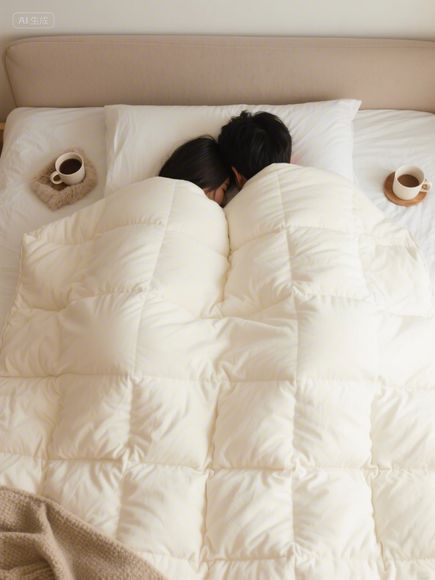
Introducing Jiayu Textile: Quality Polyester Fiber Duvets
Now, let's talk about the product itself. Polyester fiber duvets, like those potentially sourced from or manufactured by companies like Jiayu Textile Factory, offer several compelling advantages that make them a popular choice for bedding:
- Durability: Polyester fibers are known for their strength and resistance to wear and tear. This means your duvet is built to last through many seasons of use.
- Hypoallergenic Properties: Unlike natural fibers like feathers or down, which can trap dust mites and allergens, polyester is generally hypoallergenic. It doesn't attract these particles, making it a better choice for individuals with allergies or asthma.
- Resistant to Mildew and Insects: Synthetic fibers like polyester do not provide a food source for dust mites or other insects. They are also less susceptible to mildew and mold growth compared to natural fibers, contributing to better hygiene and longevity.
- Easy Maintenance: Polyester duvets are typically resistant to crushing and body impressions. They dry quickly and can often be easily spot-cleaned or machine washed according to care instructions.
- Consistent Fill Power: Polyester fill provides consistent warmth without the clumping often associated with natural fill. It maintains its loft effectively.
At Jiayu Textile Factory, we pride ourselves on producing high-quality polyester fiber products. Our manufacturing processes are designed to create durable, comfortable, and hypoallergenic bedding solutions. While the initial chemical smell might be a temporary issue due to manufacturing residues, the end product offers significant benefits in terms of performance and suitability for various living environments, including homes with sensitive individuals.
Frequently Asked Questions (FAQ)
Q1: Why does my new polyester duvet smell like chemicals? A: The chemical smell, often described as "acidic," is typically due to residual solvents or processing chemicals left from the manufacturing process. Polyester is made through chemical reactions, and while manufacturers work to remove all traces, minute amounts can sometimes remain and off-gas over time. It's usually not a sign of a defect but rather a characteristic of new synthetic materials.
Q2: Is the smell harmful? A: Generally, the smell is not harmful. The chemical residues present are typically low levels of solvents used in normal production and are not considered hazardous. However, if the smell is very strong, persistent, or accompanied by visible mold, it's best to investigate or contact the manufacturer.
Q3: How can I get rid of the smell quickly? A: The fastest methods usually involve airing out or machine washing. Hanging the duvet outside in direct sunlight and fresh air for a day is often very effective. If that doesn't work, washing on a gentle cycle with cold water and adding vinegar to the rinse can help neutralize odors. Ensure it dries completely afterwards.
Q4: Will washing damage my polyester duvet? A: Polyester duvets are generally machine washable, but always check the care label provided by the manufacturer (like Jiayu Textile). Following the care instructions is crucial to maintain the duvet's quality, fire-retardant properties (if applicable), and warranty. Using the wrong washing cycle or temperature can potentially damage the fibers.

Q5: What if airing and washing don't work? A: If the smell persists after thorough airing and washing according to the care label, it could be due to mold or mildew growth, especially if the duvet was stored damp. In this case, professional dry cleaning might be necessary. If the issue persists, you may need to contact the retailer or manufacturer for a potential return or exchange, depending on their policy.
Case Study: The Fresh Start Duvet Experience
Sarah bought a new polyester duvet set from an online retailer known for good value bedding. Anticipating warmer sleep, she unwrapped the package and was met with a strong, chemical-like odor she couldn't ignore. Frustrated, she researched online and found information about residual manufacturing smells. Following the advice, she hung the duvet outside on her balcony railing for two days. To her relief, the smell significantly faded by the second day. She then washed the duvet according to the care label using a gentle cycle and added vinegar to the rinse. After air-drying in the sun, the duvet smelled fresh and clean, ready for use. Sarah learned that while the initial smell was off-putting, simple steps could resolve the issue, and she appreciated the hypoallergenic benefits of a synthetic fill for her allergy-prone household.
Conclusion
Encountering an "acidic" or chemical smell from a new polyester fiber duvet can be concerning, but it's often a manageable issue related to manufacturing residues or storage conditions. By understanding the potential causes and employing simple solutions like airing, washing (following care instructions), and using natural odor neutralizers, you can usually restore your duvet to a fresh, comfortable state. Remember that polyester duvets offer significant advantages in terms of durability, hypoallergenic properties, and resistance to pests and mold, making them a worthwhile investment despite this initial hurdle. If the smell persists or you have specific concerns, don't hesitate to reach out to the product manufacturer or retailer for further guidance. Sweet dreams!



