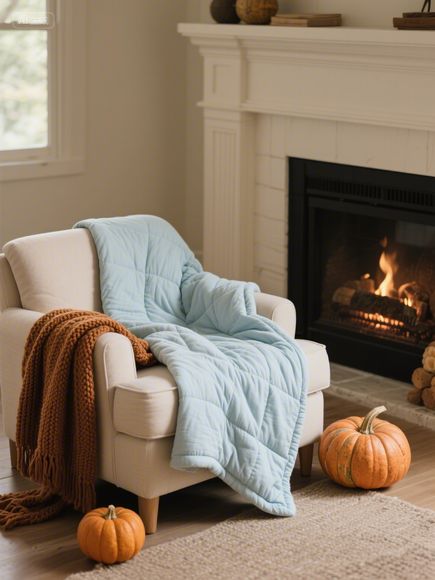
Heated Debate:Polyester Fiber vs.Cotton Duvets Which Reigns Supreme?
Heated Debate: Polyester Fiber vs. Cotton Duvets Which Reigns Supreme?,The choice between polyester fiber and cotton duvets sparks a lively debate. Cotton is celebrated for its natural feel, breathability, and hypoallergenic properties, offering a soft, traditional sleeping experience. Polyester, however, is often lauded for its superior warmth-to-weight ratio, quick-drying capabilities, and resistance to wrinkles and compression, making it a durable synthetic alternative. Each material presents distinct advantages and disadvantages regarding temperature regulation, care requirements, and longevity, leaving the ultimate choice dependent on individual preferences and specific needs for comfort and performance.
Choosing the perfect duvet can feel like navigating a maze, especially when deciding between polyester fiber and cotton. Both materials have their loyal followers and unique characteristics, making the choice highly personal. Let's dive deep into the world of bedding fibers, breaking down the pros and cons of each, exploring common questions, and even peeking into how a leading textile mill, Jia Yu Textile Mill, leverages its strengths to create top-quality duvets.

Understanding the Contenders: What Are We Comparing?
First things first, let's clarify what we're talking about. When we say "polyester fiber duvet," we're generally referring to a duvet filled with synthetic microfibers, often blended or used in down alternatives. "Cotton duvet," on the other hand, is filled entirely with natural, unprocessed cotton fibers. No down, no feathers, just pure cotton.
The Cotton Duvet: Nature's Gentle Giant
Cotton has been a staple in bedding for centuries, and for good reason. It's derived from the fluffy fibers surrounding the seeds of the cotton plant. Here’s what makes cotton a popular choice:
- Natural & Breathable: Cotton is naturally breathable. It allows air to circulate, which helps regulate temperature. You're less likely to feel like you're sleeping in a sauna on a warm night compared to some synthetic options. This breathability makes it a great choice for people who tend to sleep hot.
- Hypoallergenic Potential: Cotton is less likely to trigger allergies than synthetic materials or down feathers, which can sometimes harbor dust mites. While no fabric is entirely hypoallergenic, pure cotton is a much better option for allergy sufferers.
- Soft & Gentle: Cotton fibers are incredibly soft against the skin. For babies, people with sensitive skin, or those just preferring a soft feel, a cotton duvet is often the go-to. It doesn't have the harsher feel that some synthetics can have.
- Flame Resistance: Cotton is naturally resistant to flames, adding a layer of safety to your bedding.
- Easy Care (Generally): Cotton duvets are usually machine washable (always check the care label!), and they dry relatively quickly. They tend to hold their shape well over time.
However, Cotton Isn't Without Its Downsides:
- Weight: Cotton duvets can be quite heavy. If you prefer a light, floaty-feeling duvet, cotton might feel cumbersome.
- Moisture Wicking: Cotton absorbs moisture. While this breathability is good, it means it can feel damp if you sweat a lot during the night. It takes longer to dry out completely if it gets wet.
- Bulkiness: Cotton tends to be bulkier than synthetic fillings, which can mean a thicker duvet for the same level of warmth. This might not be ideal for people who prefer a flatter profile under the duvet cover.
- Warmth Can Be Softer Than Synthetic Down: While cotton provides warmth, the insulating properties of synthetic down alternatives or true down feathers can sometimes feel crisper and more "puffy" for the same tog rating.
The Polyester Fiber Duvet: The Synthetic Contender
Polyester fiber duvets typically refer to fillings made from synthetic microfibers, often used as a budget-friendly alternative to down or as a hypoallergenic option. Common types include:
- PrimaLoft®: A synthetic insulation known for its "warmth without weight" properties, often used in outdoor gear but finding its way into bedding.
- Polarguard® / Similar Blends: These are standard polyester-based fillings designed to mimic the feel of down but without the associated costs or care requirements.
Here’s the lowdown on polyester fiber (synthetic fillings):
- Exceptional Warmth-to-Weight Ratio: Synthetic fillings, especially high-quality ones like PrimaLoft, are incredibly lightweight yet provide excellent warmth. You get a lot of warmth for the weight of the duvet.
- Hypoallergenic & Pest-Resistant: Since they are synthetic, they don't attract dust mites or other allergens like down or feathers do. This makes them an excellent choice for people with severe allergies or asthma.
- Durability & Resilience: Synthetic fibers don't clump or lose their loft easily, even with washing. They tend to maintain their insulating properties over time, although they can sometimes develop "pill" (where fibers mat together) with excessive washing.
- Water Resistance (a Double-Edged Sword): Many synthetic fillings are water-resistant. This means they can trap air even if they get wet, which is great for campers or unexpected rain, but it can also mean they don't breathe as well as cotton. If you sleep very hot, this lack of breathability can be a downside.
- Cost-Effective: Polyester fillings are generally less expensive than down or high-quality synthetic alternatives like PrimaLoft.
The Flip Side of the Synthetic Coin:
- Breathability is Often Lower: As mentioned, synthetics don't breathe as well as cotton. This can lead to overheating, especially for people who sleep warm or in warmer climates.
- Potential for Pilling: Over time and with frequent washing, synthetic fibers can start to form small balls ("pills") on the surface, reducing the duvet's fluffiness and potentially trapping heat unevenly.
- Environmental Concerns: Down alternatives using polyester microfibers contribute to microplastic pollution when washed, which is a growing environmental issue. Some synthetic fillings use more sustainable sources (like recycled polyester), but this isn't universal.
Putting It Peltally: A Comparison Table
Here's a quick reference table summarizing the key differences:
| Feature | Cotton Duvet | Polyester Fiber Duvet (Synthetic) |
|---|---|---|
| Primary Material | Natural Plant Fiber | Synthetic Microfibers |
| Warmth | Good, but often bulkier | Excellent warmth-to-weight ratio |
| Breathability | Excellent | Generally lower |
| Weight | Heavier | Lighter |
| Allergy Friendliness | Generally hypoallergenic | Generally hypoallergenic |
| Flame Resistance | Naturally resistant | Often treated or inherently less so |
| Moisture Wicking | Absorbs moisture, dries slower | Resists moisture, dries quickly |
| Durability | Good, can clump over time | Good, pilling possible |
| Care & Maintenance | Usually machine washable, drying time varies | Usually machine washable, dries quickly |
| Environmental Impact | Natural growth, water-intensive | Microplastic shedding, synthetic origin |
| Cost | Generally higher | Generally lower |
Frequently Asked Questions (FAQs)
Q1: Which duvet is warmer, cotton or polyester? A: It's not just about the material, but also the fill power/tog rating. A high-quality, high-fill-power synthetic duvet (like PrimaLoft) can be warmer and lighter than a cotton duvet of the same tog rating. Cotton generally provides good warmth but is bulkier. For the same level of warmth, synthetics are usually lighter.
Q2: Which one is better for people who sleep hot? A: Cotton is generally the better choice for hot sleepers due to its superior breathability. It allows heat and moisture to escape more effectively. Synthetic duvets, especially those designed to be water-resistant, can trap heat and moisture, potentially making the sleeper feel hotter.

Q3: Are synthetic duvets better for allergies? A: Yes, generally. Synthetic fillings (polyester, polarguard, etc.) are naturally hypoallergenic and do not attract dust mites or other common allergens like down or feathers. Cotton can also be hypoallergenic, but it's less so than synthetics in this specific regard.
Q4: How do I know which duvet to buy? A: Consider your needs and preferences:
- Climate & Temperature: If you live in a cold climate or sleep cold, look for a high-fill-power synthetic or a thick cotton. If you sleep hot, cotton or a breathable synthetic blend is better.
- Allergies: Choose synthetic if you have severe allergies or sensitivities to dust mites.
- Weight Preference: Prefer a light duvet? Go for synthetic. Like a heavier, traditional feel? Cotton might be better.
- Budget: Cotton duvets tend to be more expensive than standard synthetic ones.
- Care: Both are usually machine washable, but synthetics often dry faster. Cotton might require less frequent washing but takes longer to dry thoroughly.
- Read the Label: Pay attention to the fill power (for synthetics) or thread count/tog rating (for cotton). Higher usually means more warmth.
Q5: Can I use a cotton duvet year-round? A: It depends on your climate and personal temperature regulation. Cotton is breathable and good for warmer months. In colder months, a cotton duvet might feel insufficient unless it has a very high thread count or you layer it. Synthetic duvets with high fill power are generally suitable for colder temperatures.
Q6: Do duvets need to be replaced? A: Yes, over time. Fill can break down, leading to less warmth and more weight/clumping (especially cotton). Duvets also collect dust and allergens over time. Replace cotton duvets every 1-5 years and synthetic ones every 5-10 years, depending on quality, care, and usage.
Case Study: Jia Yu Textile Mill - Leveraging Cotton Strengths
Let's take a closer look at Jia Yu Textile Mill and how they approach cotton duvet production, highlighting their product advantages:
Jia Yu Textile Mill understands that while cotton has its strengths, it also has limitations. Their focus is on maximizing the benefits of cotton while mitigating some drawbacks through quality control and innovative processing.
- Product Advantage 1: Superior Softness & Comfort: Jia Yu emphasizes the use of high-quality, long-staple cotton fibers. These fibers are softer, stronger, and produce fewer lint particles than lower-grade cotton. This commitment ensures their cotton duvets feel incredibly soft against the skin, providing that luxurious, gentle touch many consumers desire. They market this as "Pure Comfort, Naturally Soft."
- Product Advantage 2: Consistent Warmth & Breathability: By carefully controlling the cleaning, carding, and spinning processes, Jia Yu ensures their cotton duvets maintain excellent thermal properties and breathability. They highlight this in their product descriptions, assuring customers that they get reliable warmth without the overheating issues sometimes associated with synthetic alternatives. Think "Experience Gentle Warmth, Not Overheating."
- Product Advantage 3: Durability & Natural Elegance: Jia Yu focuses on producing cotton duvets that retain their shape and quality over multiple washes. While cotton can clump, Jia Yu's quality control helps minimize this. They position their cotton duvets as a durable, natural choice, suitable for year-round use, emphasizing "Long-Lasting Natural Comfort" and "Eco-Friendly Sleep Solution" (as cotton is renewable).
- Product Advantage 4: Hypoallergenic Nature: Jia Yu clearly communicates the hypoallergenic benefits of their pure cotton duvets, making them an attractive option for families, individuals with allergies, or those seeking a more natural sleep environment. They might state, "Breathe Easy: Our Pure Cotton Duvets Minimize Allergens."
In essence, Jia Yu Textile Mill doesn't just produce cotton duvets; they refine the process to highlight the inherent qualities of cotton – its softness, breathability, and natural comfort – while ensuring durability and addressing common concerns like allergens. They are essentially saying, "Choose our premium cotton for the ultimate soft, breathable, and reliable sleep experience."
The Verdict: It's Your Bed, Your Choice!
There's no one-size-fits-all answer to the "polyester fiber vs. cotton" debate. The best duvet for you depends entirely on your individual needs, sleep environment, budget, and personal preferences.
-
Choose Cotton If:
- You prioritize softness and a natural feel.
- You sleep very hot and need maximum breathability.
- You have severe allergies and need a hypoallergenic option (though synthetics are also great here).
- You prefer a heavier, traditional duvet feel.
-
Choose Polyester Fiber (Synthetic) If:
- You need excellent warmth without the bulk (high-fill-power synthetics).
- You live in a cold climate and want a lightweight duvet.
- Budget is a major concern.
- You need a hypoallergenic option (synthetics excel here).
- You want something that dries quickly and doesn't absorb moisture excessively.
Ultimately, both polyester fiber and cotton can provide comfortable, warm sleep. The key is understanding the characteristics of each material and selecting the one that aligns best with your unique sleep requirements. Happy dreaming!
Expanded Knowledge:

Good evening, I hope you're well. 今天我们来探讨一下关于被芯选择聚酯纤维还是棉好的问题,在购买床品时,这两种材料各有其独特的优势,下面我们来详细了解一下。
产品介绍
聚酯纤维(Polyester纤维):
聚酯纤维是一种合成纤维,具有高强度、高弹性、吸湿性好等特点,它通常由高分子化合物制成,具有优良的耐热性、抗皱性和抗老化性能,在床品中,聚酯纤维被广泛用于制作被芯,因其良好的保暖性和耐用性而备受青睐。
棉纤维:
棉纤维是一种天然纤维,具有吸湿性好、透气性强、柔软舒适等特点,棉被芯通常由纯棉制成,手感柔软,触感舒适,棉被芯在保暖性和舒适性方面也有很好的表现。
产品优势说明
佳羽纺织厂的产品优势在于其采用聚酯纤维和棉的混合使用,这种混合使用可以充分发挥两种材料的各自优势,达到更好的保暖性和舒适性,聚酯纤维提供了良好的保暖性能,而棉纤维则提供了柔软舒适的触感,佳羽纺织厂的产品还具有以下优势:
- 保暖性能:聚酯纤维具有良好的保暖性能,能够有效地抵御寒冷天气,其良好的吸湿性和透气性也有助于保持被芯的干燥和舒适。
- 舒适性:棉纤维具有很好的透气性和柔软舒适性,能够提供良好的睡眠体验,棉被芯的触感也让人感到非常舒适。
案例说明
在佳羽纺织厂的产品中,我们可以看到聚酯纤维和棉的混合使用得到了广泛应用,他们的床品被芯就采用了这种混合使用的方式,既保证了良好的保暖性能,又提供了柔软舒适的触感,这种混合使用的方式使得被芯不仅具有良好的保暖性,同时也具备了很好的舒适性和耐用性。
问答环节
Q1:您认为在选择被芯时,聚酯纤维和棉哪个更适合? A4:在选择被芯时,聚酯纤维和棉各有其独特的优势,如果注重保暖性能和耐用性,聚酯纤维是一个不错的选择;而如果更看重舒适性和触感,棉纤维也是一个不错的选择,具体选择哪种材料,还需要根据个人需求和实际情况来决定。
佳羽纺织厂的产品在聚酯纤维和棉的混合使用方面具有明显的优势,这种混合使用方式可以充分发挥两种材料的各自优势,达到更好的保暖性和舒适性,在选择被芯时,可以根据个人需求和实际情况来决定使用哪种材料,希望这些信息能够帮助您做出更好的购买决策。