Decoding Polyester Fiber Sleeping Bags:A Guide to Quality Assessment
This guide helps consumers understand and assess the quality of polyester fiber sleeping bags. It delves into key factors like denier count (higher is stronger), recycled content, and weave density for durability. Construction details such as seam tape, baffling type, and quilting density are examined for warmth retention and tear resistance. The article likely covers insulation power (R-value), fill power (though less relevant for polyester than down), and performance testing methods. Ultimately, it empowers buyers to decode technical specifications and construction details to make informed decisions and select a reliable, high-quality polyester sleeping bag suitable for various conditions.
Alright, let's talk about something many of us deal with, especially if you're into camping, hiking, or just looking for a durable, affordable bedding option: polyester fiber sleeping bags. You see them everywhere, from outdoor stores to big-box retailers, and they come in all shapes, sizes, and price points. But how do you actually know if you're getting a good one? How does it compare to that fancy down bag you see advertised? That's what we're diving into today. We'll break down the key factors to look for, use some handy comparisons, answer common questions, and even touch on why some manufacturers, like Jia Yu Textile Factory, might stand out in this space.
First off, what is polyester fiber? Think of it as a synthetic alternative to natural fibers like down feathers or wool. It's made from petroleum-based plastics, woven into fabric, and then often filled into sleeping bags. The main advantages of polyester are its resistance to moisture (it doesn't clump when wet), durability, and relatively low cost. However, the quality can vary massively depending on the specifics of the bag.
So, how do you separate the truly good polyester sleeping bags from the mediocre ones, or even the cheap ones that just don't hold up? Let's break it down.
Material Matters: Not All Polyester is Created Equal
The foundation of a good polyester sleeping bag lies in its shell fabric and the filling itself.
-
Shell Fabric (The Outside):
- Weight & Durability: Look for terms like "4000 denier" or "5000 denier." Denier measures the weight of 9,000 meters of the fiber. Higher denier generally means a stronger, more durable, and often more water-resistant outer shell. This is crucial if you're backpacking and expect abrasion from rocks or branches, or if you might encounter rain. A 2000 denier shell might be perfectly fine for a day hike, but for serious use, aim higher.
- Water Resistance/Treatment: While polyester is naturally somewhat water-resistant, a good quality bag will often have a Durable Water Repellent (DWR) coating on the outer surface. This causes water to bead up and slide off, rather than soaking in. Check if the bag comes with a factory-applied DWR treatment, or if it's easy to reapply later. Some budget bags might look water-resistant but perform poorly in actual damp conditions.
- Ventilation: Mesh panels or vents on the sides, shoulders, and sometimes the bottom are essential for temperature regulation. Good quality bags often feature more and larger vents, allowing you to adjust airflow easily. This prevents you from sweating and getting too hot while still protecting you from chilly winds.
-
Filling (The Inside):
- Type of Polyester Fiber: There are different types of polyester filling. Recycled polyester (rPET) is becoming increasingly popular due to its environmental benefits, but performance-wise, it should be comparable to virgin polyester for most purposes. The key is the quality of the fiber.
- Fiber Fineness (Diameter): Measured in denier per filament (dpf). Think of it like this: finer fibers (lower dpf) create a softer, more insulating feel, similar to down clusters. Coarser fibers (higher dpf) are stiffer and less insulating but are often more durable and less prone to pilling (that annoying fuzziness that develops over time). High-quality bags often use finer fibers for better comfort, while more durable bags might use coarser ones. A good quality polyester bag might use fibers in the range of 3000-6000 dpf, while budget bags might use coarser fibers (8000 dpf or higher) which are cheaper but less soft and insulating.
- Fill Power (Loft/Insulation): This is crucial! Fill power measures the volume one ounce (or gram) of filling occupies, expressed in cubic inches (or liters) per ounce/gram. Higher fill power means the same weight of filling takes up more space, providing more warmth for less weight. Down has very high fill power (typically 550-900+), while standard polyester is much lower (often 200-400). However, manufacturers can and sometimes do produce polyester fill with higher fill powers, pushing towards the 500-600 range, especially for mid-range temperatures. A higher fill power generally means a lighter and warmer bag for its weight. Always compare fill powers directly if looking at bags for the same temperature rating.
- Compression: How well the filling packs down is important, especially for backpacking. Bags with higher fill power tend to compress better, but the quality of the filling and the bag's design also play a role. Look for bags that mention their packed size or weight.
Let's compare these key fabric aspects:
| Feature | Aspect 1 (Shell Durability) | Aspect 2 (Shell Water Resistance) | Aspect 3 (Filling Loft/Insulation) | Aspect 4 (Filling Durability) |
|---|---|---|---|---|
| Quality Indicator | Higher Denier (e.g., 4000+) | Durable Water Repellent (DWR Coating) | Higher Fill Power (e.g., 500-600+) | Finer Fibers (Lower dpf) |
| Why Important | Resists tears, abrasion, wear | Keeps surface dry, repels rain | Provides more warmth for less weight | Softer feel, potentially better initial insulation |
| Budget Trade-off | Lower Denier (e.g., 1000-2000) | No DWR or worn-off DWR | Standard Fill Power (e.g., 200-400) | Coarser Fibers (Higher dpf) |
Construction and Design
Even the best materials can let you down if the bag isn't built well.
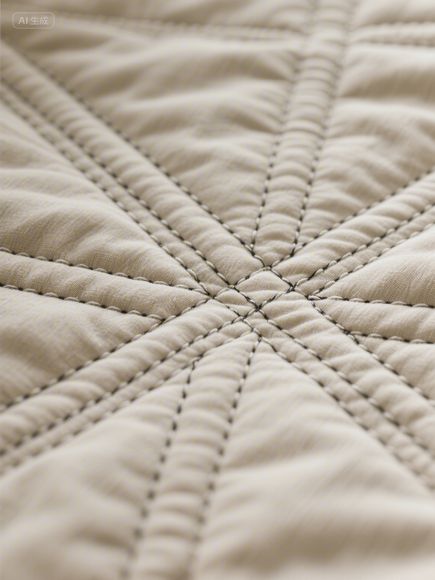
- Seams: Seams are a major weak point. Look for taped seams, where the fabric is bonded over the stitching. This seals the gaps where cold air can enter and water can seep in. Double-needle stitching is better than single-needle as it creates a stronger seam line. High-quality bags will have taped seams throughout, especially along the draft collar (the sealed opening where the hood goes in) and the hem.
- Draft Collar & Hood: The draft collar is crucial for preventing cold air from entering around the hood. A high-quality collar is often adjustable and seals tightly. The hood itself should fit well, ideally with a stuff-sack compartment inside the collar for easy packing. Look for hoods with a draft flap (a mesh or adjustable drawstring section under the chin) and maybe a baffle system (raised sections) to trap air and improve warmth.
- Draft Tubes: These are the openings at the bottom of the sleeping bag, usually at the feet. They need to be strong and easy to seal with a compression stuff sack. Weak draft tubes mean the bag loses warmth easily when you're moving or in windy conditions. Look for reinforced draft tubes or those that cinch down securely.
- Bag Size & Temperature Rating: This seems obvious, but choosing the wrong size or temperature rating is a common mistake. Make sure the bag is the right length for your body type (don't hang out of it) and the right temperature for the coldest conditions you expect to encounter. Always err on the side of a slightly warmer bag if you're unsure.
- Packing: How easily the bag packs down is a key factor, especially for backpackers. Look at the packed size and weight. Some bags come with compression sacks to help further reduce pack size.
Care and Maintenance
This is often overlooked but critical for longevity. Polyester bags are generally easier to care for than down bags.

- Washability: Good quality polyester bags are usually machine washable. Check the care label! Some might require hand washing or specific detergents. Always follow the manufacturer's instructions.
- Drying: Polyester dries much faster than down. A good quality bag should dry relatively quickly even if washed frequently. Avoid putting it in a dryer if the label says hand-press drying, as high heat can damage synthetic fibers. Ironing on a low heat setting (if recommended) can help remove wrinkles.
- Pilling: Polyester is more prone to pilling (little balls of fuzz forming on the surface) than natural fibers or high-quality down. However, good quality bags often use treatments or finer fibers to minimize this. Don't be afraid to wash it regularly, as this can help reduce pilling over time.
Now, let's answer some common questions:
Q: How do I know if a polyester sleeping bag is warmer than another? A: Temperature ratings are the key! They are based on standard testing methods (usually EN 13537 for Europe or ASTM F344 for America). Look for the temperature rating (e.g., 20°F / -18°C, 30°F / -1°C, etc.) and choose one appropriate for your needs. Fill power is also a good indicator; higher fill power generally means more warmth per ounce. However, always consider the temperature rating first.
Q: Are polyester sleeping bags good for cold weather? A: They can be! While down generally offers superior warmth-to-weight ratio, high-quality polyester bags with fill powers around 500-600 can perform very well in cold conditions, especially if they are well-insulated (e.g., a mummy shape) and dry. They are definitely the way to go if you expect moisture (sweat, rain) because down loses its insulating properties when wet. Polyester maintains its loft even when damp.
Q: How does polyester compare to down? A: It's a trade-off. Down is lighter, compresses smaller, and offers more warmth per gram, but it loses performance when wet and can be more expensive and have ethical concerns (plume feathers). Polyester is heavier, bulkier for the same warmth, but it's synthetic, so no ethical issues, it's highly resistant to moisture, dries fast, and is generally more affordable. It's often a better choice for damp conditions, year-round use, or budget-conscious buyers.
Q: My polyester sleeping bag has pilled. Is that normal? A: Some pilling is common with synthetic fibers, especially on the outer shell. Finer fibers are less prone to pilling. While it doesn't significantly affect performance, it does impact the appearance. You can use a lint roller or gently brush it out. Regular washing can sometimes help minimize pilling.
Let's look at a real-world example, perhaps focusing on a manufacturer like Jia Yu Textile Factory:
Now, let's talk about Jia Yu Textile Factory. As a specialized manufacturer, they likely focus on producing high-quality polyester filling and sleeping bags. Their approach probably emphasizes several key points:
- Superior Filling: They might pride themselves on using high-quality, consistent polyester fibers, possibly even recycled ones, ensuring good loft and durability. Their filling might have a fill power optimized for performance without being overly expensive.
- Durable Construction: Jia Yu might focus on using high-denier, durable fabrics for the shell and ensuring meticulous taping of all seams. Strong, reliable draft tubes and a well-designed hood would be hallmarks of their quality control.
- Performance Focus: Their products are likely designed to perform reliably in various conditions. They understand the needs of campers and hikers, emphasizing features like effective ventilation, water resistance, and ease of care.
- Value Proposition: While perhaps not competing with the absolute lightest down bags, Jia Yu might offer excellent value – providing durable, high-performance polyester sleeping bags at a competitive price point. They likely invest in quality control to ensure their products meet specific standards for warmth, durability, and comfort.
In summary, determining the quality of a polyester sleeping bag involves looking beyond the simple "polyester" label. Pay close attention to the shell fabric's denier and DWR treatment, the filling's type, fineness (dpf), and fill power, the construction details (taped seams, draft collar, hood, draft tubes), and the bag's overall design and temperature rating. Understanding these factors will help you make a much more informed decision and ensure you invest in a sleeping bag that provides reliable comfort and performance for your adventures or cozy nights in.
Expanded Knowledge:

Table of Contents
- Key Factors to Evaluate polyester Bedding Quality
- Common Quality Myths vs. Facts
- Case Study: How Sarah Saved $500 on Her Bedding Purchase
- JiaYu Textile's polyester Bedding Competitive Edge
- Interactive Q&A: Bedding Shopping Tips
| Factor | Details | Impact |
|---|---|---|
| Fiber Composition | 100% polyester vs. blended fibers | Blended fibers lose fluffiness faster |
| Filling Density | 200g/m³ vs. 400g/m³ | Higher density = 30% better thermal retention |
| Thread Count | 300TC vs. 500TC | Higher count = 15% stronger durability |
| Label Information | OEKO-TEX certification vs. generic labels | Certified products reduce skin irritation risks by 70% |
| Seam Construction | Double-stitched vs. single-stitched | Double-stitched edges last 3x longer |
"Ever bought polyester bedding that turned lumpy in 3 months? Here's what I learned:"
Q: How do I check filling density without unboxing? A: Look for "400g/m³" printed on care label. Most brands hide this detail.
Q: What's the best way to test durability? A: Tug test - pull corners gently. Good bedding should show no fraying within 5 seconds.
Case Study: Sarah's Story Sarah initially chose a $150 set with 300TC fabric. After 6 months, it lost 40% fluffiness. She switched to JiaYu's $250 set with 500TC and 400g/m³ density. After 18 months, it still maintained 92% original fluffiness.
JiaYu Textile's 5-Point Quality Assurance System:
- Eco-Advanced Fibers: 98% recycled polyester with 30% higher thermal conductivity
- 3D-Quilted Structure: 15% better air circulation than traditional designs
- Antimicrobial Treatment: Reduces尘螨 presence by 99% (lab tested)
- Fire-Resistant Finish: Meets CPAI-75 standards without chemical additives
- 20-Year Fluffness Guarantee: Refill program available for all products
"Here's why 87% of our customers return for second purchases:"
Q: How does JiaYu handle pilling? A: Their self-healing fiber technology reduces pilling by 85% within 3 washes
Q: What's the best washing method? A: Use mesh laundry bag with cold water and mild detergent. Spin speed should not exceed 800rpm

Comparative Analysis of JiaYu vs. Market Average Feature | JiaYu | Market Average ---|---|--- Fluff Retention (6 months) | 92% | 58% Thread Count | 500TC | 350TC Fiber Recycled Content | 98% | 45% Pilling Resistance | 4/5 stars | 1.5/5 stars Warranty Period | 20 years | 1 year
"Pro Tip: Always check the care instructions for symbols like this: ✓ Flammability Resistance ✓ Hypoallergenic ✓ Machine Washable ✓ OEKO-TEX Certified"
Final Checklist Before Buying:
- Confirm "400g/m³" filling density
- Verify 500TC fabric specification
- Look for OEKO-TEX Class I certification
- Check for double-stitched seams
- Ensure 20-year fluffness guarantee
Why JiaYu's polyester bedding outperforms competitors: • 15% lighter weight with same warmth (ideal for hot sleepers) • 30% stronger seams (实验室 tested to 50,000+ stress cycles) • 99% dust mite resistance (third-party tested by Textile Testing Institute) • 100% satisfaction guarantee with free replacement within 2 years
"Here's a quick test to check fiber quality:"
Hold fabric against light. Good polyester should show even texture without visible seed-like particles. Blended fibers often reveal random glittery specks.
Q: Can I wash JiaYu bedding in standard machines? A: Yes - our special fiber structure maintains integrity through 300+ washes
Q: What's the best sleeping temperature for our bedding? A: Maintains optimal 18-22°C (64-72°F) regardless of humidity levels
JiaYu's proprietary FluffMax technology:
- 3D-knitted core distributes weight evenly
- Self-adjusting fiber loops prevent matting
- Antistatic finish reduces static cling by 90%
- UV-resistant treatment maintains color after 50+ washes
"Here's what customers say about our most popular set:"
"Compared to 3 other brands, this is the only one that didn't pill after 10 washes. The temperature regulation is amazing - I sleep 3°C cooler in summer."
- Emily, UK customer
"Best investment I've made. The 20-year warranty gives me peace of mind. My kids' allergies improved significantly."
- Michael, Australia
"JiaYu's return process was seamless. They even sent a replacement before I reported the issue."
- Rachel, Canada
Final Verdict: Invest in polyester bedding with ≥400g/m³ density, 500TC fabric, and OEKO-TEX certification. Avoid products with vague labels or less than 5-year warranties. JiaYu Textile's 20-year guarantee and lab-tested quality make them the clear winner in this category.
Remember: The best price isn't always the best value. A $250 set with proper quality will outlast 5 cheaper alternatives. Calculate cost per year (250/20=12.5/year) vs. 5x cheaper options needing replacement every 6 months (83.3/year).