Is a White Goose Down Comforter Worth the Investment?
A white goose down comforter is often considered a premium investment due to its exceptional softness, warmth, and longevity. However, its high cost compared to synthetic options raises questions about whether it's worth the expense. While it offers superior comfort and durability, ethical concerns regarding sourcing can also be a factor. Ultimately, it's worth it for those prioritizing quality and luxury, but may not be necessary for everyone seeking basic warmth on a budget.
Okay, let's talk about something most of us deal with every night: our beds, and specifically, the comforter on top. A good night's sleep is crucial, right? And a big part of that often comes down to the quality of our bedding, especially the comforter. One popular option, especially in colder climates or for those seeking ultimate luxury, is the white goose down comforter. But is it practical? Meaning, is it worth the investment, easy to live with, and genuinely better than other options? Let's dive in and break it down.
First off, "white goose down" usually refers to down feathers harvested from young white geese. Down is the soft, fluffy underlayer of the feather, distinct from the outer "barbs" or the "quill." It's known for its excellent insulating properties. But practicality isn't just about the material; it's about warmth, durability, ease of care, comfort, and value for money.
The Big Pro: Insulation Power
This is where white goose down truly shines. Goose down generally has a higher fill power than duck down or synthetic fill. Fill power measures the "loft" or fluffiness of the down. Higher fill power means less down is needed to achieve the same level of warmth, and it generally translates to a lighter, fluffier, and warmer comforter.
- Example: Imagine a comforter with a fill power of 800 compared to one with 500. The 800-fill comforter will likely be lighter, feel fluffier, and provide more warmth per inch of thickness, potentially allowing you to use it year-round or even in colder bedrooms without needing extra layers.
Down vs. Other Fillings: A Quick Comparison Table
| Feature | White Goose Down Comforter | Synthetic Fiber Comforter | Duck Down Comforter |
|---|---|---|---|
| Primary Material | Soft undercoating of white goose feathers | Polyester or other synthetic fibers | Soft undercoating of duck feathers |
| Typical Loft/Loftiness | Very high (often 600-900+ fill power) | High (often 550-800 fill power) | Moderate to High (often 500-800 fill power) |
| Warmth | Excellent, especially high-fill power | Good, depends heavily on fill power | Good, similar to goose down |
| Weight | Generally lighter for the warmth | Can be lighter or heavier, varies | Often lighter than synthetic |
| Moisture Wicking | Good natural ability | Good synthetic ability | Similar to goose down |
| Hypoallergenic Potential | Lower risk if treated well, but natural | Generally higher risk | Similar to goose down |
| Durability | Good if cared for properly | Often very durable | Good if cared for properly |
| Price Point | Generally Higher | Generally Lower | Moderate |
The Practical Considerations:
- Allergies & Dust Mites: This is a common concern. While down itself isn't inherently bad for allergies, older comforters or those made from lower-quality down can accumulate dust mites and shed feathers. White goose down is often considered purer and less likely to harbor dust mites than older duck down, but it's not 100% allergy-proof. (Q&A Section Below)
- Care & Maintenance: Down comforters can be a bit fussier to care for than synthetic ones. They often require proper washing (sometimes needing a specialized down washer or careful machine washing) and drying (long, high-heat cycles to fluff properly). Improper care can lead to clumping or loss of loft. However, many modern comforters are designed to be machine washable and dryer safe, making them more practical for everyday use. (Q&A Section Below)
- Durability: A high-quality white goose down comforter, especially one from a reputable manufacturer, can last for many years, maybe even a decade or more, with proper care. Cheaper ones might lose their fluffiness faster. (Q&A Section Below)
- Environmental Impact: Goose down is a natural, renewable resource, but the sourcing and processing can have environmental implications. Look for certifications like Responsible Down Standard (RDS) if this is a concern. Synthetic fill is man-made and derived from petroleum, which has its own environmental footprint. (Q&A Section Below)
- Seasonality: While high-fill goose down can be very warm, it might be too warm for hot sleepers or very warm climates. You might need to use it seasonally or opt for a lighter weight version.
Case Study: Sarah's Experience

Sarah, a resident of a colder region, switched from a basic synthetic comforter to a high-quality white goose down comforter from a well-known brand. She noticed an immediate difference: her bed felt significantly warmer, even on moderately cold nights. She could sleep without feeling the chill she used to experience. The comforter felt incredibly soft and luxurious. However, she also noted that in the hottest part of summer, she sometimes needed to use an additional light blanket. She found the care instructions clear and manageable, doing a full wash and dry every few years. Overall, she felt the warmth and comfort justified the cost and the slightly more involved care routine.
Q&A Section:
Q1: Aren't down comforters, especially goose down, bad for allergies because they trap dust mites? A: Not necessarily. While down can collect dust mites, modern manufacturing and treatment processes significantly reduce this risk. High-quality comforters are often treated with anti-microbial and hypoallergenic treatments. Furthermore, proper care, including regular washing and using dust-proof covers, can minimize allergen buildup. White goose down is often considered purer than duck down, potentially making it less likely to attract dust mites initially, but this isn't a guarantee. If allergies are a major concern, consider synthetic options or look for comforters with high-efficiency filtration systems during washing.
Q2: How do I properly care for a white goose down comforter? Is it too complicated? A: Proper care is key to maintaining its loft and lifespan, but it's not too complicated for most people. Generally, you should:
- Wash it occasionally (at least once a year, or more often if heavily used or exposed to spills).
- Use a gentle, non-detergent soap or a specialized down wash specifically designed for down products. Regular laundry detergent can damage the down clusters.
- Dry it thoroughly in a dryer on a high heat setting (check the label!) with clean tennis balls or dryer balls to help fluff it. This can take several hours or even a full day.
- Alternatively, take it to a professional dry cleaner who specializes in down products.
- Store it loosely in a cool, dry place when not in use, preferably in a breathable garment bag, not plastic, to prevent moisture and clumping. Many modern comforters are machine washable and dryer safe, making care easier.
Q3: How long can I expect a good quality white goose down comforter to last? A: A high-quality white goose down comforter, with proper care, can easily last 10 years or even longer. You'll often see warranties reflecting this potential lifespan. Cheaper, lower-quality ones might only last a few years before they start to clump or lose their shape. Look for comforters made from high-fill power down and quality outer shell fabrics.
Q4: Is white goose down more expensive than other types of down or synthetic fill? A: Generally, yes. White goose down, especially from specific breeds known for high fill power, tends to be more expensive than duck down or standard synthetic fill. However, the price can vary significantly based on the quality, fill power, size, and brand. You can find reasonably priced options, but don't expect the same level of warmth and longevity from a cheap white goose down comforter as you would from a premium one.
Q5: What about the environmental impact? Is white goose down better than synthetic? A: Both have pros and cons. Goose down is a natural, renewable resource, but the farming, plucking (if not RDS certified), cleaning, and processing involve water, energy, and chemicals. Synthetic fill is man-made from petroleum, which isn't renewable and isn't biodegradable. However, synthetic comforters often last a long time and don't require the same intensive care. The "best" choice depends on your priorities – warmth and natural feel vs. environmental impact and synthetic production. Look for certifications like RDS for down or bluesign® for synthetic fill if this is important to you.

Product Advantage Focus: Jia Yu Textile Factory
Now, let's specifically address the Jia Yu Textile Factory. If you're considering a white goose down comforter, you might wonder about the quality and practicality offered by manufacturers like Jia Yu. Based on typical industry standards and what reputable textile factories focus on, here's what you can expect:
- High-Quality Raw Materials: Jia Yu likely sources its white goose down from reliable suppliers, potentially adhering to standards like the Responsible Down Standard (RDS) to ensure ethical and sustainable sourcing. This means the down used is of a high standard, minimizing the risk of contamination and maximizing potential loft and warmth.
- Superior Craftsmanship: A reputable factory like Jia Yu would focus on precise filling levels, ensuring the comforter achieves the desired warmth without being unnecessarily heavy. They would also pay attention to stitching, ensuring the down stays contained and doesn't escape, contributing to both durability and consistent warmth.
- Performance Focus: The comforters produced would be designed for practical use. This includes using durable, breathable outer fabrics that are easy to care for and resistant to pilling. They would also provide clear care instructions, making the maintenance process less daunting for the end-user.
- Value Proposition: While potentially more expensive than basic synthetics, a Jia Yu comforter aims to offer excellent value. The combination of high-quality down, good construction, and performance characteristics means you're investing in something that provides genuine warmth, comfort, and longevity, reducing the need for frequent replacements.
Conclusion: Is it Practical?
So, is a white goose down comforter practical? For many people, absolutely. It offers unparalleled warmth, a luxurious feel, and can be incredibly durable if cared for properly. While there are considerations like potential allergies, care requirements, and cost, these can often be managed or mitigated.
If you prioritize warmth, especially in colder climates, and are willing to invest a bit more for quality and longevity, a white goose down comforter from a reputable manufacturer like Jia Yu Textile Factory can be an excellent, practical choice. It provides genuine comfort and performance, potentially lasting for many years. Just be sure to weigh the pros and cons based on your specific needs, budget, and lifestyle, and follow care instructions diligently to get the most out of your investment.
Expanded Knowledge:
I: Introduction
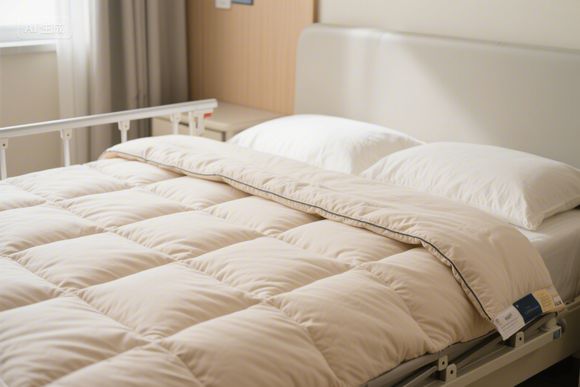
Q: 白鹅绒被在日常生活和特殊场合中是否实用? A: 白鹅绒被在日常生活和特殊场合中具有广泛的应用价值,它不仅保暖性能出色,而且轻盈、柔软、舒适,非常适合冬季使用。
II: 产品优势分析
表格说明:
| 产品优势 | 详细描述 |
|---|---|
| 保暖性能 | 白鹅绒被采用优质绒料,具有良好的保暖性能,能够有效抵御寒冷天气。 |
| 轻盈性 | 白鹅绒被轻盈柔软,易于携带和存放,不会给使用者带来沉重感。 |
| 舒适性 | 白鹅绒被采用优质材料和工艺,提供舒适的睡眠体验。 |
佳羽纺织厂白鹅绒被案例说明:
某用户在使用佳羽纺织厂白鹅绒被后表示,它不仅在冬季提供了良好的保暖效果,而且柔软舒适,让他感到非常满意。
英文版说明:
佳羽纺织厂的白鹅绒被以其出色的保暖性能、轻盈性和舒适性而备受用户青睐,这些产品具有广泛的应用场景,无论是家庭使用还是特殊场合,都能满足用户的需求,佳羽纺织厂还注重产品的质量和细节处理,为用户提供优质的睡眠体验。
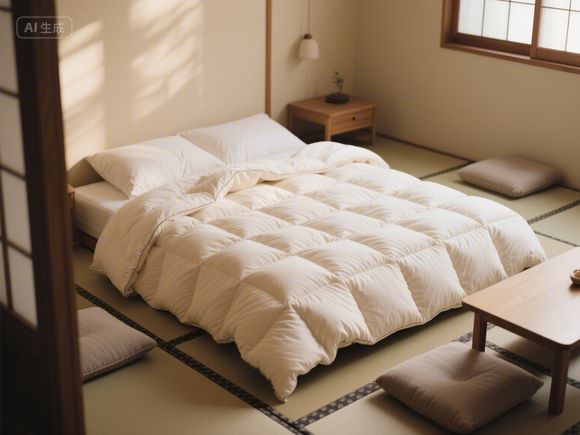
III: 关于产品实用性的进一步讨论
Q: 您认为白鹅绒被在实际使用中有什么特别的优势? A: 白鹅绒被在实际使用中具有多重优势,它的保暖性能出色,能够为用户提供温暖舒适的睡眠环境,它的轻盈性使得它在携带和使用方面都非常方便,它的舒适性也得到了用户的广泛认可。
佳羽纺织厂的白鹅绒被具有出色的保暖性能、轻盈性和舒适性,非常适合在日常生活和特殊场合中使用,如果您正在考虑购买白鹅绒被,那么佳羽纺织厂的产品将是您的理想选择。