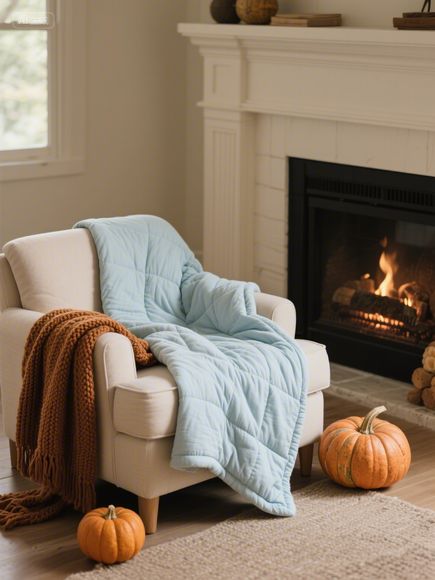
How to Choose the Perfect Mixed Cotton-Polyester Quilt Core:A Comfort Guide
This guide helps you select the ideal mixed cotton-polyester quilt core for optimal comfort. It explores the blend's benefits, offering insights into warmth, breathability, and durability. Learn how this combination provides a comfortable sleep experience while resisting compression and wear. The guide empowers you to make an informed choice for your bedding needs.
Okay, let's talk about something most of us deal with every night: our beds, and specifically, the quilt or comforter that tops it. Ever wonder why some feel amazing while others just... okay? One popular player in the bedding world is the Mixed Cotton-Polyester Quilt Core. Forget the stuffy, itchy cotton or the sometimes-uniform feel of pure synthetic. This blend is trying to be the best of both (or more) worlds. But what does it really mean, and is it right for you? Let's dive in.
What Exactly is a Mixed Cotton-Polyester Quilt Core?
At its heart, a quilt core is the filling inside your quilt. Think of it as the heart of the comforter. Traditionally, this could be down (like feathers or duck绒), silk, wool, or synthetic fills like polyester fiberfill. The "mixed cotton-polyester" specifically refers to a blend where natural fibers (primarily cotton) are combined with synthetic fibers (polyester).
- Why Mix? Cotton is fantastic – breathable, naturally hypoallergenic, and gets softer with washing. Polyester, on the other hand, is known for being durable, resistant to wrinkles and clumping, and provides good warmth without being too heavy. Mixing them aims to capture the positives and mitigate the negatives of using one or the other exclusively.
The Magic Ratio: How Much is Too Much?
This is where things get interesting. The exact ratio of cotton to polyester can vary wildly depending on the manufacturer and the intended use of the quilt. There's no single "right" ratio, as it's often tailored for specific benefits. Let's break down some common blends and their potential characteristics:
| Blend Ratio (Approx.) | Key Cotton Contribution | Key Polyester Contribution | Potential Characteristics |
|---|---|---|---|
| High Cotton (e.g., 70-85% Cotton) | Excellent breathability, natural feel, hypoallergenic, tends to be lighter | Good structure retention, less likely to clump initially | Comfortable, cool sleep, good for sensitive skin, may flatten faster |
| Balanced Blend (e.g., 40-60% Cotton) | Good breathability and natural feel | Durability, warmth, resistance to compression, consistent loft | Versatile comfort, good temperature regulation, good value |
| High Polyester (e.g., 60-90% Polyester) | Can add slight structure, lighter weight | Excellent warmth, durability, resilience, low cost | Warm, soft, durable, often used in budget-friendly options |
Why Go for a Mixed Blend? The Pros and Cons
So, why choose this particular core over, say, 100% cotton or 100% down? Let's look at the advantages and disadvantages.
Advantages of Mixed Cotton-Polyester
- Enhanced Durability & Longevity: Polyester fibers are much stronger and more resistant to compression and body impressions than cotton fibers. This blend often results in a quilt core that lasts longer without losing its fluffiness and shape. You get more use out of your investment.
- Good Warmth Retention: While cotton is good for warmth too, polyester is known for its insulating properties. This blend can offer reliable warmth, especially in coarser blends, making it suitable for colder nights or layers.
- Resilience and Body Conformity: Polyester helps the quilt maintain its loft and bounce back after being pressed against your body. This can feel more "springy" than a dense cotton core, which might feel a bit flat.
- Cost-Effectiveness: Often, a high-quality mixed blend can offer a better combination of comfort, durability, and price compared to premium 100% cotton or down alternatives. It's a popular choice for finding good value.
- Hypoallergenic Potential (Often): While not 100% allergy-proof like synthetic microfiber, high cotton content still offers a degree of natural hypoallergenic properties. Many blends are also dust mite resistant due to the fiber structure.
Potential Disadvantages
- Breathability Might Be Slightly Lower: Cotton is the champion of breathability. A core with a very high polyester ratio might trap heat a touch more than a high-cotton blend, although modern blends are usually well-regulated for comfort.
- Feel Can Vary: The feel depends heavily on the ratio and the specific types of fibers used. Some blends might feel very soft and plush, others might feel slightly synthetic or less "natural" than pure cotton.
- Wicking Properties: Cotton is excellent at wicking moisture away from the skin. While polyester also wicks, it might not be as effective as cotton, potentially leading to a slightly damp feeling in extremely humid conditions for some people.
Let's Get Specific: Jia Yu Textile Factory's Approach
Now, let's talk about a specific player in this space. The Jia Yu Textile Factory, known for its commitment to quality, often highlights the benefits of their mixed cotton-polyester quilt cores. Their focus is typically on creating products that offer:
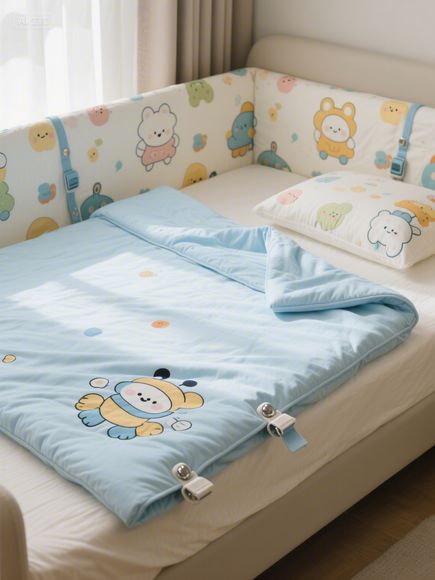
- Superior Comfort & Temperature Regulation: They blend carefully selected cotton and high-quality polyester to ensure you get the softness you love with cotton, combined with the temperature-stabilizing properties of polyester. It's designed to keep you comfortable, neither too hot nor too cold.
- Durability You Can Feel: Their manufacturing process often emphasizes creating a core that maintains its shape and fluffiness wash after wash. This means your quilt stays looking and feeling fresh for years.
- Hypoallergenic & Breathable: Even in blends, Jia Yu often uses high cotton percentages and processes that help maintain breathability while minimizing allergens, making their products suitable for sensitive sleepers.
- Consistent Quality: As a reputable textile factory, Jia Yu focuses on consistent quality control, ensuring that the blend ratio and overall quality are maintained across their production line.
Case Study: The Perfect Blend for a Busy Family
Take the Smith family, for example. They have two young children and two adults. They need a quilt that is durable enough to withstand nightly washing (kids!), provides warmth without overheating, is easy to care for, and doesn't trigger allergies. They opt for a quilt with a 50/50 cotton-polyester core from Jia Yu.
- Why it worked: The balanced blend offered excellent warmth for winter nights. The polyester component helped the quilt bounce back quickly after the kids bounced on it, preventing it from becoming permanently flattened. The hypoallergenic properties were a relief for the parent with seasonal allergies. It was durable, easy to wash, and provided comfortable sleep for everyone. The cost was also a factor – they got a high-quality product without breaking the bank.
How to Choose the Right Mixed Blend for YOU
Ready to pick one up? Here are some questions to ask yourself:
- What's your climate like? If you live in a very hot, humid place, lean towards a higher cotton blend for better breathability. If it's colder, a blend with a bit more polyester might offer more consistent warmth.
- What's your budget? Mixed blends offer great value. Compare prices per square foot or per unit between different ratios and materials.
- How sensitive is your skin? If you have sensitive skin or allergies, look for a blend with a higher cotton percentage or specifically advertise hypoallergenic properties.
- How much do you plan to wash it? If you're a frequent washer, the durability of a polyester blend might be preferable.
- What kind of feel do you prefer? Do you like something soft and plush, or something that maintains a bit more structure? Test samples if possible!
Wrapping it Up
Mixed cotton-polyester quilt cores are a fantastic option for many sleepers. They strike a balance between the natural comfort and breathability of cotton and the durability, warmth, and resilience of polyester. By understanding the blend ratios and considering your specific needs, you can find the perfect mix to ensure a comfortable, cozy, and long-lasting sleep experience. Whether you're choosing a standard blend or looking at the specific offerings from manufacturers like Jia Yu Textile Factory, this versatile core is definitely worth considering for your next bedding purchase. Sweet dreams!
Expanded Knowledge:
Introduction:
In today's world, people are becoming increasingly conscious of the materials they use for their comfort and warmth. One such material that has gained popularity is the cotton-polyester blend quilt. This type of quilt combines the softness and breathability of cotton with the durability and resilience of polyester, creating a product that is both comfortable and practical.
In this article, we will explore the advantages of using cotton-polyester blend quilts, their benefits, and how they can be used in various settings. We will also provide some real-life examples to illustrate their effectiveness.
Advantages of Cotton-Polyester Blend Quilts:
Softness and Breathability:
The combination of cotton and polyester in a quilt makes it incredibly soft and breathable. Cotton is known for its natural softness and comfort, while polyester adds durability and water resistance. This makes the quilt perfect for use in various weather conditions.
| Feature | Description |
|---|---|
| Softness | The fabric feels gentle against the skin. |
| Breathability | The fabric allows air to circulate, keeping you cool in hot weather. |
| Durability | The polyester content makes the quilt resistant to pilling and fading. |
Durability:
The polyester in the blend adds a level of durability that cotton alone cannot match. This means that the quilt will hold its shape and color better over time, even with frequent use.
Comfort:
Cotton is known for its natural warmth and comfort, making it a popular choice for quilts used in colder months. The blend of cotton and polyester provides a good balance between softness and warmth, making it suitable for all seasons.
Versatility:
Cotton-polyester blend quilts can be used in a variety of settings, from cozy beds to casual comforters. They are also great for layering, as the polyester content allows them to be easily integrated with other quilts or blankets.
Real-Life Examples:
-
A customer who suffers from allergies found relief after using a cotton-polyester blend quilt during the colder months. The fabric's breathability helped regulate her body temperature, while its softness provided comfort against her skin.

-
A family used a cotton-polyester blend quilt as their primary blanket during the hot summer months. The quilt's durability kept it looking fresh despite frequent use, while its comfort made them feel cool and cozy all night long.
Product Advantages Explained in English:
As mentioned earlier, the cotton-polyester blend quilt offers several advantages that make it a popular choice for various purposes. Here are some key benefits explained in English:
-
Comfort and Softness: The combination of cotton and polyester provides a soft and comfortable feel, making it ideal for use in bedding, lounges, or any other setting where comfort is essential.
-
Durability: The polyester content in the blend enhances the quilt's durability, ensuring that it remains intact and looks good even after frequent use.
-
Breathability: This feature allows the quilt to breathe, which helps regulate body temperature and keeps the user cool during hot weather.
-
Versatility: The blend can be used in different settings, from cozy beds to casual comforters, and even as a layering piece with other quilts or blankets.
-
Temperature Regulation: The combination of cotton and polyester helps regulate body temperature, providing comfort in both hot and cold environments.
-
Allergen Resistance: The fabric is less likely to trigger allergic reactions compared to pure cotton, making it a safer choice for individuals with allergies.
-
Easy Maintenance: The durable nature of the polyester means that the quilt requires less frequent washing, keeping it fresh and hygienic.
Case Study: A Family's Experience with Cotton-Polyester Blend Quilts
A family recently purchased a cotton-polyester blend quilt and were amazed by its comfort and durability. During the hot summer months, they used it as their primary blanket. The quilt's breathability kept them cool all night long, while its softness provided a comfortable sleeping experience.
When winter arrived, they layered the quilt with other blankets for added warmth. Despite the frequent use, the quilt remained in excellent condition, with no signs of pilling or fading. The family found that the quilt provided consistent comfort throughout the season, making it a valuable addition to their home.
Conclusion:
Cotton-polyester blend quilts are a versatile and comfortable choice for various settings. Their combination of softness, breathability, durability, and temperature regulation makes them an ideal choice for bedding, lounges, and layering. With their ease of maintenance and allergen resistance, they are a practical and enjoyable addition to any home.
If you're looking for a comfortable and durable quilt that can be used in different settings, consider investing in a cotton-polyester blend quilt. You'll be amazed by its benefits and the comfort it provides.
Note: The above content is for reference only, please write according to your actual situation.