How to Effectively Vent Your Goose Down Comforter:A Step-by-Step Guide with Expert Tips
This guide provides a detailed, step-by-step approach to effectively ventilate your goose down comforter. It emphasizes the importance of proper air-drying to maintain the comforter's fluffiness, prevent clumping, and eliminate odors. Expert tips are included to help you achieve optimal results, ensuring your down comforter stays in top condition for longer.
Alright, let's talk about something many of us deal with at least once a year: the goose down comforter. They're fantastic for warmth, incredibly cozy, and can last a long time if taken care of properly. But sometimes, they can develop that dreaded "stuffiness" or clump up. This is where proper ventilation comes in. In this guide, we'll dive deep into how to effectively vent your goose down comforter, focusing on methods that work, common pitfalls to avoid, and why doing it right matters. We'll even touch on why a high-quality comforter, like those potentially produced by a leading manufacturer such as Jia Yu Textile Factory, makes this process easier and more effective.
Why Bother Venting Your Down Comforter?
First things first, let's understand why you need to vent your down comforter. Goose down, while natural and excellent at trapping heat, can sometimes lose its insulating power if it's not properly cared for. Here are a few key reasons why ventilation is crucial:
- Restore Loft: Down clusters need to be broken up and redistributed to regain their fluffiness (loft). This is essential for maximizing warmth and comfort. When down clumps, it loses its ability to trap air effectively.
- Eliminate Musty Smells: Humidity and infrequent use can lead to moisture buildup and unpleasant odors. Venting helps dry out the comforter and freshen it up.
- Prevent Body Pockets: Over time, sleeping patterns and body heat can create areas where down clusters get compressed against your body, leading to cold spots and uneven wear. Venting helps redistribute the fill evenly.
- Extend Lifespan: Proper care, including regular ventilation, helps maintain the integrity of the down clusters and the comforter's overall structure, making it last longer.
Common Methods for Venting Goose Down Comforters
There are several ways to vent your down comforter. The best method often depends on the severity of the clumping, the comforter's size, and the tools you have available. Let's break down the most common approaches:
Method 1: Manual Fluffing & Spreading (The Gentle Approach)

This is the simplest method, best suited for minor clumping or as a preliminary step before other methods.
- How-To: Lay the comforter flat on a large, clean surface like a bedsheet spread on the floor or a clean, dry towel on a table. Gently push down on the clumped areas with your hands or the flat side of a wooden spoon. Then, use your hands or a wide-toothed comb (designed for down) to lift and separate the down clusters, working your way across the entire comforter. Flip the comforter over and repeat.
- Pros: Requires no special tools, gentle on the down clusters.
- Cons: Can be time-consuming for large comforters or severe clumping; may not be sufficient for significant matting.
Method 2: Using a Clothes Drying Rack (Air Drying)
This is a popular and effective method, especially if your comforter feels damp or needs a good airing out.
- How-To:
- Prepare: Ensure the drying rack has sturdy bars. Lay the comforter flat on the bottom bar or drape it carefully over two or more bars, ensuring it's spread out evenly without bunching. Avoid direct sunlight if possible, as it can damage the fabric and down.
- Ventilate: Place the rack in a well-ventilated area. A balcony, a breezy room, or even near an open window works well. Good airflow is key.
- Duration: Allow it to air out for several hours, or ideally overnight, depending on the humidity and temperature. Check periodically for clumping.
- Pros: Effectively dries out the comforter, helps break up clumps through air circulation, gentle method.
- Cons: Takes up space on the drying rack; can be dependent on weather conditions; may not be suitable for very large comforters if space is limited.
Method 3: Using a Tumble Dryer (With Caution)
Many people wonder if they can put their down comforter in the dryer. The answer is yes, but with important precautions.
- How-To:
- Check Care Labels: ALWAYS check the care label on your comforter. If it explicitly says "Dry Clean Only" or "No Machine Washing/Drying," follow those instructions.
- Use a No-Heat Setting: If machine washing is allowed, use a gentle cycle with no spin. If machine drying is allowed, use a LOW heat setting or the "No Heat" or "Air Fluff" setting on your dryer. Adding a clean, dry tennis ball or two can help agitate the down and break up clumps.
- Add Dryer Balls or Sheets: Adding a few clean, dry tennis balls or wool dryer balls during the drying cycle can significantly help fluff up the down. Avoid using fabric softener sheets, as they can coat the down clusters and reduce their insulating properties.
- Monitor Closely: Check the comforter frequently during the drying cycle. Down comforters can sometimes overheat or clump again if not monitored.
- Pros: Can be very effective at breaking up clumps and drying the comforter relatively quickly (if using heat cautiously); convenient if you have a dryer.
- Cons: Risk of fire or damage if heat setting is too high or care label prohibits it; potential for over-drying if not monitored; may not be suitable for all comforter covers or fill power levels.
Method 4: Professional Dry Cleaning or Steaming
For comforters with delicate fabrics, stubborn odors, or severe clumping that other methods don't resolve, professional cleaning and steaming services are an option.
- How-To: Contact a reputable dry cleaner or laundry service that specializes in bedding. They have specialized equipment to clean, deodorize, and fluff down comforters without the risk of damaging them.
- Pros: Professional equipment ensures thorough cleaning and fluffing; ideal for delicate materials or persistent issues.
- Cons: Can be more expensive; requires scheduling and transportation.
Tools That Can Help:
- Down Combs or Wide-Tooth Combs: Specifically designed combs with wide teeth help separate down clusters without damaging them. Use gently, focusing on clumped areas.
- Tennis Balls or Wool Dryer Balls: As mentioned, these are excellent for breaking up clumps during air drying or machine drying.
- Gentle Detergent (for washing): If washing is necessary, use a mild, down-friendly detergent. Avoid regular washing frequently, as it can damage the down clusters over time.
- Large, Clean Surface: Needed for manual spreading and air drying.
Safety First!
Regardless of the method you choose, safety should be a priority:
- Ensure the Area is Clear: Whether you're laying it out or using a dryer, make sure the surrounding area is clear of obstacles and flammable materials.
- Check for Damage: Before venting, inspect the comforter for any tears, loose threads, or damage that might worsen during the process.
- Follow Care Labels: They exist for a reason! Adhering to the manufacturer's instructions is crucial to avoid voiding warranties or damaging the product.
Troubleshooting Common Venting Issues
Sometimes, even after trying these methods, your comforter might still clump or feel stuffy. Here are a few common problems and potential solutions:
- Problem: Persistent Clumping Despite Efforts.
- Solution: Try a longer air drying period with increased airflow (e.g., fan on high). If machine drying is an option, use the lowest heat setting with tennis balls. If the problem persists, consider professional cleaning. Ensure the comforter is completely dry, as dampness can contribute to clumping.
- Problem: Musty Smell Persists.
- Solution: Focus on thorough drying. Sunlight (if fabric-safe) can help kill mold and mildew. Use white vinegar (a few drops on a cloth, not directly on the comforter usually) or baking soda in the dryer or during air drying to absorb odors. Professional cleaning can also target deep-seated odors.
- Problem: Down Feathers (Loose Down).
- Solution: This is normal and usually nothing to worry about. The down clusters shed small individual feathers. Gently shake the comforter outside or use a vacuum cleaner with a brush attachment on a low setting to remove loose down from the surface. This usually redistributes itself during use.
The Advantage of Quality: Why a Good Comforter Makes Venting Easier
Not all down comforters are created equal. The quality of the down, the filling power, and the construction of the comforter significantly impact how easily it can be vented and how well it recovers its loft. This is where manufacturers like Jia Yu Textile Factory come into play.
Jia Yu Textile Factory: Expertise in Goose Down Comforters
Jia Yu Textile Factory is recognized for its commitment to quality in down bedding. Their goose down comforters are often produced using stringent quality control measures, ensuring that the down used is ethically sourced and meets high standards for purity and performance. The manufacturing process focuses on creating comforters that maintain their shape, provide excellent warmth, and are built to last.
How This Quality Translates to Easier Venting:
- Higher Filling Power Down: Quality comforters often use down with a high fill power (e.g., 700+). Down with higher fill power has fewer clusters per ounce, meaning less chance of severe clumping and easier redistribution during venting.
- Better Construction: Comforters with well-constructed quilting and box stitching help maintain the down's position and prevent excessive shifting, which can lead to clumping. This means the down stays contained and is less likely to mat together in one spot.
- Durable Fabric & Tolerance: High-quality comforters are made from durable, often hypoallergenic fabrics that can withstand the rigors of proper care, including regular ventilation and occasional washing (if needed). They are less likely to pill or degrade quickly.
- Ethical Sourcing: Reputable manufacturers like Jia Yu often adhere to ethical sourcing standards, ensuring the down comes from birds raised under responsible conditions. This isn't directly related to venting, but it speaks to the overall quality and integrity of the product.
In essence, investing in a quality goose down comforter from a reliable manufacturer like Jia Yu Textile Factory means you're getting a product designed to perform well over time. It will respond better to your care routine, including regular venting, maintaining its warmth, comfort, and appearance for years to come. Proper care, including effective venting, is an investment in the longevity of your high-quality down comforter.
Putting It All Together: A Simple Venting Routine
To keep your goose down comforter in top shape, consider incorporating these steps into your seasonal cleaning routine:
- Air It Out: After bringing it out of storage, hang it or lay it flat on a large surface in a well-ventilated area for a day or two to air out any musty smells and break up minor clumping.
- Gentle Fluffing: If minor clumping remains, use your hands or a wide-tooth comb to gently separate the clusters.
- Machine Dry (If Applicable): If care labels permit, use a low heat/no heat setting in the dryer with tennis balls for 30-45 minutes, checking frequently.
- Sunlight (If Fabric Allows): A brief exposure to direct sunlight (especially in the morning) can help disinfect and fluff the comforter, but always check the care label first and avoid prolonged exposure.
By following these guidelines and understanding the importance of quality, you can keep your goose down comforter fluffier, fresher, and more comfortable for longer. Happy venting!
Expanded Knowledge:
Introduction
Have you ever purchased a goose down blanket, only to find that it's not as fluffy as you expected? If you're looking for a way to maximize the fluffiness and comfort of your goose down blanket, then you're in the right place. In this guide, we'll be discussing a specific video that showcases the process of deflating a goose down blanket, along with some valuable tips and tricks to ensure you get the most out of your purchase.
Understanding Fluffing and排气
Before we dive into the video, let's briefly discuss what fluffing and排气 mean in the context of goose down blankets. Fluffing refers to the process of increasing the volume and softness of the feathers, while排气则是去除其中的空气 bubbles, making the blanket even more comfortable and light.
The Video Explanation
Now, let's watch the video together and see how the process works.
[Insert Video]
As you can see from the video, the process of deflating a goose down blanket is quite straightforward. First, you need to carefully remove the cover of the blanket and place it aside. Then, you'll want to use a sharp knife or a credit card to carefully carve out any air pockets in the fabric. This will help to ensure that the feathers are as loose as possible, allowing them to fluff up evenly when you lay the blanket flat.
Once you've carved out the air pockets, you can use a hairdryer to blow warm air into the blanket. This will help to separate the feathers and make them fluffier. Be sure to hold the hairdryer at a safe distance from the blanket to avoid burning it.
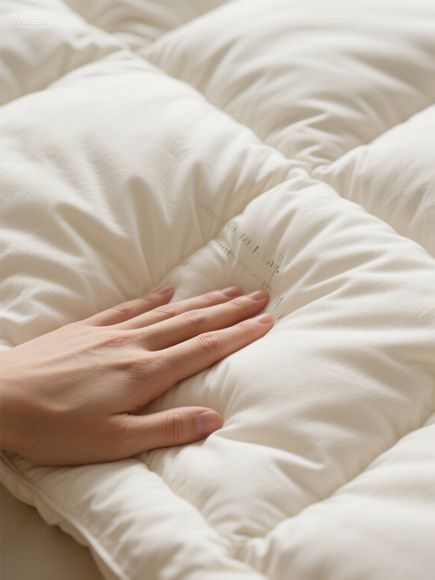
After you've finished deflating the blanket, you can fold it neatly and store it in a cool, dry place until you're ready to use it again.
Tips for Fluffing and排气 Your Goose Down Blanket
Now that you've seen how to deflatten your goose down blanket, here are some additional tips to help you get the most out of your purchase:
-
Use Quality Tools: Make sure you have sharp tools on hand, such as a sharp knife or a credit card, to avoid damaging the fabric.
-
Be Gentle: When carving out air pockets, be gentle to avoid damaging the feathers inside.
-
Use a Hairdryer: A hairdryer is a useful tool for deflating the blanket, but make sure it's set on a low heat setting to avoid burning the fabric.
-
Store Properly: Store your deflated blanket in a cool, dry place to maintain its fluffiness and quality.
Case Study: Fluffing and排气 a Goose Down Blanket at Home
Let's take a look at an example of how someone might fluff and deflate a goose down blanket at home using the method described above.
[Insert Case Study Video or Description]
In this case study, we see a family that recently purchased a new goose down blanket for their winter sleeping bag. They were concerned that the blanket wouldn't be as fluffy as they had hoped, so they decided to try deflating it themselves at home.
First, they removed the cover of the blanket and set it aside. Then, they used a sharp knife to carefully carve out any air pockets in the fabric. Once they had done this, they used a hairdryer to blow warm air into the blanket, separating the feathers and making them fluffier.
After they had finished deflating the blanket, they folded it neatly and stored it in a cool, dry place until they were ready to use it again.
As you can see from the video, the family was very satisfied with the results. Their goose down blanket was now even more fluffy and comfortable, perfect for their winter sleeping bag.
Product Advantages of Goose Down Blankets
Now that we've discussed how to fluff and deflate a goose down blanket, let's take a moment to highlight some of the key advantages of using goose down blankets:
-
Superior Insulation: Goose down is renowned for its excellent insulation properties, keeping you warm in even the coldest conditions.
-
Lightweight and Comfortable: Unlike traditional blankets made from synthetic fibers, goose down blankets are much lighter and more comfortable to lay on.
-
Durable and Long-lasting: Goose down is a natural material that is highly durable and long-lasting, making it a worthwhile investment for anyone who spends a lot of time in their blankets.
-
Breathable: Goose down blankets are breathable, allowing for proper airflow and preventing overheating during sleep.
-
Hydrophobic: Goose down is hydrophobic, meaning it repels water and stays dry even when wet. This makes it ideal for use in rainy or humid conditions.
Conclusion
In conclusion, deflating a goose down blanket is a simple process that can greatly enhance its fluffiness and comfort. By following the steps outlined in this guide and using the tips and tricks we've discussed, you can ensure that you get the most out of your purchase. And as you can see from our case study, the results can be truly remarkable.
If you're looking for an extra layer of warmth and comfort this winter, consider investing in a goose down blanket. With their excellent insulation properties, lightweight and comfortable design, and durability, they're sure to provide you with a good night's sleep.
Additional Resources
If you're interested in learning more about goose down blankets or how to care for them, here are some additional resources you might find helpful:
-
Website: The official website of Gooseneck Blankets provides detailed information about their products, including care tips and customer reviews.
-
Blog Posts: Many websites and blogs offer articles on the benefits of using goose down blankets and how to get the most out of them.
-
YouTube Channels: There are several YouTube channels that focus on home improvement and sleep accessories, including tutorials on deflating and caring for goose down blankets.
By following these resources, you can learn more about your purchase and ensure that your goose down blanket remains in excellent condition for years to come.