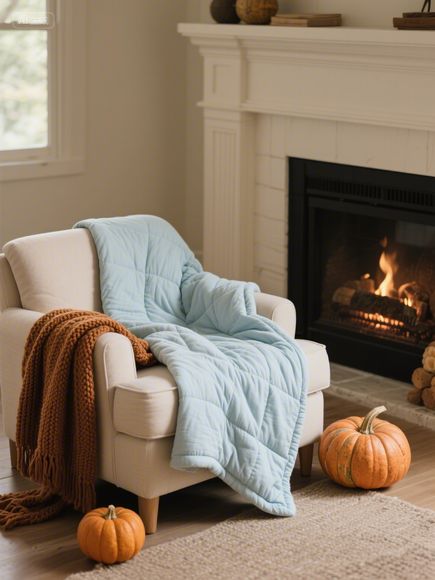
How to Make Polyester Fiber Sleeping Bags Thinner Through Effective Seaming Techniques
To make polyester fiber sleeping bags thinner, effective seaming techniques are essential. By using flat-felled seams or ladder stitching, you can minimize bulk while maintaining durability. Reducing stitch density and employing box stitches can further decrease thickness. These methods not only slim the bag but also enhance its overall performance, making it lighter and more compact for outdoor use.
Okay, let's dive into the world of polyester fiber sleeping bags and figure out how to make them as thin as possible through smart sewing techniques. Whether you're a backpacker looking for minimal weight and packability, or someone just curious about textile manufacturing, understanding how seams contribute to the final product's thickness is key.
Why Thickness Matters (Especially for Polyester Fiber Sleeping Bags)
First off, why do we care about making a sleeping bag thin? Well, for polyester fiber sleeping bags, often filled with synthetic insulation like Primaloft or similar fill, thinness directly relates to:
- Packability: A thinner bag takes up less space in its compression sack, making it easier to carry for long trips.
- Weight: While the fill weight is crucial, the shell fabric and seams also contribute to the overall weight. Thinner seams mean less material bulk.
- Warmth-to-Weight Ratio: Achieving warmth without bulk is a major selling point for synthetic insulation. Thinner construction allows for this.
- Wear and Tear: In some cases, a well-engineered thin seam can be durable, but poorly done thin seams can be weak points.
Core Principles of Making Seams Thin
The goal is to minimize the bulk added by stitching and seam allowance. Here’s how to approach it:
-
Minimize Seam Allowance:
- What it is: The extra fabric width on each side of the cut edge before stitching.
- Why it matters: Standard seam allowances (like 1/2 inch or 1.27 cm) add significant bulk, especially in high-stress areas or where multiple seams meet.
- How to make it thin: Use narrower seam allowances. In technical apparel and high-performance gear, you often see allowances as low as 1/4 inch (0.64 cm) or even 1/8 inch (0.32 cm). Less allowance means less fabric bulk inside the seam line.
-
Choose the Right Stitch Type:
- Why it matters: Different stitches have different levels of bulk. Long, straight stitches tend to be bulkier than shorter, more compact stitches.
- How to make it thin: Opt for serged seams or flat-felled seams (when durability is a priority and bulk reduction is secondary to strength). A serged stitch uses an overlock machine to enclose the raw edge and create a very smooth, flat finish with minimal bulk. Straight stitches (even very short ones) can be bulkier, especially if the stitch length is long. Lap stitches (where the folded edge is stitched down) can add more bulk than a simple plain seam.
-
Control Stitch Length:
- Why it matters: Even the "right" stitch type can add bulk if the stitch length is too long. Shorter stitches create a denser, flatter seam.
- How to make it thin: Use a very short stitch length. In sewing machines, this is often measured in millimeters (mm). Aim for 2-3 mm stitch lengths for very flat seams, especially on synthetic shells. Avoid longer stitch lengths (like 3-4 mm or more) as they create more pronounced ridges.
-
Consider the Thread:
- Why it matters: Thicker thread creates a thicker stitch line. Stronger thread might be necessary, but there's a balance.
- How to make it thin: Use the finest, yet strong enough, thread for the fabric. Polyester or nylon threads are common for performance fabrics. Matching the thread strength to the fabric's strength is crucial, but a finer thread diameter contributes to a thinner seam.
-
Master the Underlap/Overlap:
- What it is: The amount of fabric that sticks out from the main body on the fold of a lap seam or the folded edge of a flat felled seam.
- Why it matters: Too much underlap/overlap adds bulk. Too little can lead to unraveling or weak points.
- How to make it thin: Trim the underlap/overlap to the absolute minimum necessary for strength and stability. Precision is key.
Advanced Techniques & Considerations
- Bias Seams: Cutting fabric on the bias (diagonally across the grain) allows it to stretch slightly and drape better. While potentially adding a tiny bit more bulk than a straight-grain seam, the ability to nest bias seams tightly can sometimes result in a flatter overall construction, especially in curved areas.
- French Seams: These involve enclosing the raw edge completely within the seam. They are very clean and can be very thin, but require more fabric and careful stitching. Serge is often a simpler and equally effective alternative for raw edge control and thinness.
- Bonded Seams: Instead of stitching, some high-performance garments use adhesive bonding to fuse layers together. This can create extremely thin joins but requires specialized equipment and is less common for standard polyester shell repair or construction.
- Needle Choice: Using a finer needle (smaller gauge) can result in a smaller stitch hole, contributing to a thinner seam line.
Putting It All Together: A Simple Example
Imagine constructing the main body of a synthetic shell sleeping bag. You would:
- Cut the pieces with a very narrow seam allowance (e.g., 1/4 inch).
- Serge the pieces together using a very short stitch length (2-3 mm).
- Press the seams open or to the side (flattening them).
- When joining pieces (like the shoulder/waist section), use a flat-felled seam with a very short stitch length and minimal underlap, or use a simple serged seam.
Q&A Corner: Addressing Common Concerns
Q: Won't thinner seams compromise the strength of the sleeping bag? A: Not necessarily. While extremely minimal seam allowances (like 1/8 inch) might require careful handling, techniques like flat-felling or using strong, fine threads can maintain durability. Manufacturers like Jiayu Textile balance thinness with robust construction for performance.
Q: What's the difference between a serged seam and a standard machine stitch seam? A: A serged seam uses an overlock machine to cut the fabric edge as it stitches, creating a clean, enclosed seam with very little bulk. A standard machine stitch seam (like a straight stitch) just stitches the edges together without necessarily cutting the fabric, often leaving a slightly bulkier edge unless the allowance is very narrow.
Q: Can using a different type of stitch, like a zigzag, help with thinness? A: A zigzag stitch can be used to finish raw edges, preventing them from fraying. However, compared to a serged seam or a very short straight stitch, a standard zigzag stitch often adds more bulk due to its shape. It's more about edge finishing than creating an exceptionally thin seam line itself.
Case Study: Jiayu Textile's Approach to Thin Polyester Fiber Sleeping Bags
At Jiayu Textile, achieving a thin profile for our polyester fiber sleeping bags is a core manufacturing goal. We employ several strategies:
- Precision Cutting: Our cutting tables ensure consistent, narrow seam allowances across all patterns.
- Serging: We utilize industrial serging machines for the majority of our seams, providing a fast, clean, and exceptionally thin finish to the shell fabric.
- Optimized Stitching: Our sewing teams use very short stitch lengths (typically 2-3 mm) on our industrial machines to minimize seam profile.
- Thread Selection: We use high-quality, fine-denier polyester or nylon threads that match the fabric's strength requirements without adding unnecessary bulk.
- Quality Control: Every seam is inspected for consistency, ensuring uniform thinness throughout the sleeping bag shell.
Product Advantage Focus: Jiayu Textile's Contribution
Jiayu Textile Co., Ltd. specializes in high-quality non-woven fabrics, including polyester fiber (PP/PE) materials used in sleeping bags, tents, and various outdoor gear. Our commitment to efficiency and quality translates into products that offer:
- Superior Thinness: Our advanced cutting and sewing techniques, including precision serging and optimized stitching, allow us to produce sleeping bag shells with minimal seam bulk. This is crucial for creating sleeping bags that are lightweight and packable without sacrificing the strength of the shell.
- High Strength-to-Weight Ratio: Even with thin seams, our fabrics and stitching methods ensure the structural integrity of the sleeping bag is maintained. The non-woven nature of our polyester fiber fabrics provides excellent tear strength.
- Durability: Our focus is on using the right materials and techniques to ensure the seams and fabric can withstand the rigors of outdoor use.
- Consistency: We maintain strict quality control to ensure every sleeping bag shell we produce meets our high standards for thinness and durability.
In summary, making a polyester fiber sleeping bag thin involves a combination of careful design (narrow allowances), smart technology (serging), and precise execution (short stitch lengths, fine threads). At Jiayu Textile, we integrate these principles into our manufacturing process to deliver high-performance fabrics and components that contribute to thinner, stronger, and more reliable end products.
Expanded Knowledge:
Introduction
In today's competitive market, consumers are constantly seeking ways to reduce the weight and cost of their clothing and bedding. One of the most effective ways to achieve this is by thinning polyester fiber blankets. This guide will provide you with practical tips and techniques on how to sew polyester fiber blankets to make them thinner, along with an introduction to the product advantages of Jiayu Textile Factory.
Table 1: Tips for Thinning Polyester Fiber Blankets
| Tip # | Description |
|---|---|
| Use a Sharp Needle | A sharp needle will make it easier to sew through the fibers without tearing them. |
| Choose the Right Thread | Using a thin, smooth thread can help minimize the thickness of the blanket. |
| Iron the Blanket Before Sewing | Ironing the blanket can make the fibers more manageable and easier to sew. |
| Sew Slowly and Carefully | Slow and careful sewing can help maintain the integrity of the fibers and avoid thickening them. |
| Use a Thread Puller | A thread puller can help you maintain consistent tension while sewing, ensuring a even thickness. |
Questions and Answers
Q: Why is it important to thin polyester fiber blankets? A: Thinning polyester fiber blankets can make them lighter, more comfortable, and easier to wash. It also reduces the cost of production, making it a popular choice for both consumers and manufacturers.

Q: Can I use any type of thread to sew polyester fiber blankets? A: No, it's best to use a thin, smooth thread specifically designed for sewing polyester fibers. This will help maintain the texture and appearance of the blanket.
Q: How can I tell if my sewing machine is suitable for sewing polyester fiber blankets? A: Most sewing machines are suitable for sewing polyester fiber blankets, but it's always a good idea to check the manufacturer's specifications to ensure compatibility.
Case Study: Jiayu Textile Factory's Thin Polyester Fiber Blankets
Jiayu Textile Factory is a leading manufacturer of polyester fiber products, known for its high-quality and affordable products. The factory has developed a special technique for thinning polyester fiber blankets, which has become an industry standard.
The thinning process involves using a sharp needle and a thin thread to sew through the fibers without tearing them. This technique ensures that the blanket maintains its shape and texture while becoming thinner. Additionally, the factory uses an ironed blanket before sewing to make the fibers more manageable and easier to work with.
The result is a thin, comfortable and lightweight polyester fiber blanket that is easy to wash and maintain. The factory's thinning technique has earned them a reputation as a trusted provider of high-quality polyester fiber products.
Product Advantages of Jiayu Textile Factory's Thin Polyester Fiber Blankets
-
Lightweight: The thinning process makes polyester fiber blankets much lighter than traditional blankets, making them perfect for hot summer nights or travel.
-
Comfortable: The thinning technique preserves the natural texture and softness of the polyester fibers, ensuring that the blanket remains comfortable to sleep on or touch.
-
Easy to Wash: The thinning process reduces the thickness of the blanket, making it easier to wash and maintain. This is especially beneficial for those who frequently wash their bedding.
-
Affordable: The thinning technique does not add significantly to the cost of production, making it a cost-effective solution for both consumers and manufacturers.
-
Durability: The thinning process does not compromise the durability of the polyester fibers, ensuring that the blanket remains strong and long-lasting.
Conclusion
Thinning polyester fiber blankets is a simple yet effective way to reduce their weight and cost. By following the tips and techniques outlined in this guide, you can easily sew polyester fiber blankets to make them thinner and more comfortable. Jiayu Textile Factory's thinning technique is a testament to the quality and innovation of polyester fiber products, making them a popular choice in the market.
Remember, the key to successfully thinning polyester fiber blankets is to use the right tools and techniques, such as a sharp needle, thin thread, and an ironed blanket. By following these guidelines, you can create thin, comfortable and affordable polyester fiber blankets that meet the needs of today's consumers.
Appendix
For further assistance, here are some useful resources and tips:
- Needle Gauge: Choose a needle gauge that is appropriate for the thickness of your polyester fiber blanket.
- Thread Type: Select a thread type that is specifically designed for sewing polyester fibers, such as polyester thread or polyurethane thread.
- Sewing Techniques: Experiment with different sewing techniques to find the one that works best for your specific blanket and fabric.
- Consult a Professional: If you're unsure about how to thin your polyester fiber blanket, consider consulting a professional sewing expert or pattern maker for guidance.
By following these guidelines and utilizing the resources provided in this appendix, you can successfully thin your polyester fiber blankets and enjoy their benefits to the fullest.