How to Choose the Perfect Comforter:Why Polyester Fiber is Your Best Bet
Okay, let's talk about comforters! That cozy layer on top of your bed that makes you feel like you're wrapped in a warm hug. Have you ever wondered what's actually in that comforter? Well, one very popular, and often excellent, material is polyester fiber. But is it as good as it seems? Let's dive in and figure out why polyester fiber might be the star of your bedding collection.
What Exactly is Polyester Fiber?
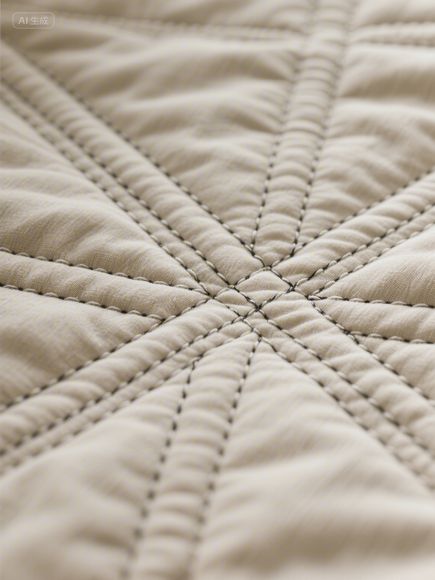
First things first, let's define our star player. Polyester fiber isn't just one thing; it's a type of synthetic fiber. Think of it like a man-made silk, created through a chemical process. The basic building blocks are derived from petroleum, but don't worry, manufacturers work hard to make the process as eco-friendly as possible these days.
Think of it this way: Imagine you have a very hardworking, durable, and easily washable material that can mimic the look of natural fibers like cotton or silk, but with some fantastic advantages. That's polyester fiber in a nutshell.
Why Go for Polyester Fiber in Your Comforter?
Okay, let's get to the good stuff – the benefits! Choosing a comforter filled with polyester fiber offers several compelling reasons:
- Durability: Polyester just doesn't give up easily. It's incredibly strong and resistant to wear and tear. Your comforter will bounce back after washing and won't easily snag or break down over time, meaning it lasts longer than many natural fiber alternatives.
- Softness & Comfort: Modern polyester fibers are designed to feel soft against your skin. They can mimic the luxurious feel of silk or cotton, providing a comfortable sleep surface. Many blends feel wonderfully soft right away.
- Easy Care & Maintenance: This is a huge plus! Polyester comforters are generally machine washable and dryer safe. They resist shrinking, wrinkling, and fading much better than natural fibers like cotton or linen. Tumble drying is usually quick and easy, and they often come out feeling fresh and fluffy. No delicate hand washing or ironing required!
- Temperature Regulation (Surprisingly!): While cotton is often touted for breathability, high-quality polyester can also be designed for comfort. Many modern polyester blends incorporate features for better temperature regulation. They can feel cool in the summer and trap warmth effectively in colder months. Some even have wicking properties that pull moisture away from your skin, keeping you dry and comfortable.
- Hypoallergenic Properties: If you suffer from allergies, this is a game-changer. Polyester is naturally resistant to dust mites, mold, and mildew. It doesn't absorb and trap allergens like some natural fibers can. This makes polyester comforters a great choice for allergy sufferers.
- Affordability & Availability: Compared to down, feathers, silk, or high-end wool, polyester fiber is generally more affordable. This makes polyester-filled comforters accessible to a wider range of budgets. Plus, it's widely available, so you're likely to find it in many different styles and sizes.
Let's break down these benefits with some numbers and comparisons:
| Benefit Category | Polyester Fiber Advantage | Comparison (vs. Cotton) |
|---|---|---|
| Durability | High tensile strength, resistant to snagging and abrasion. | Cotton can weaken and pilling can occur more quickly with frequent washing. |
| Care & Maintenance | Machine washable, dryer safe, resistant to shrinking, wrinkling, and fading. | Cotton often requires delicate washing, may wrinkle easily, and can fade faster in sun. |
| Temperature Regulation | Can be engineered for breathability and warmth retention; often moisture-wicking. | Cotton absorbs moisture, can feel damp and heavy; temperature regulation can vary. |
| Hypoallergenic | Naturally resistant to dust mites, mold, and mildew. | Cotton can absorb allergens and dust mites thrive in undisturbed fibers. |
| Cost & Availability | Generally more affordable and widely available. | Cotton can be more expensive and sourcing can sometimes be an issue depending on season. |
Q&A Time:
Q: Is polyester fiber safe for sensitive skin? A: Generally, yes. While some people might have sensitivities to any material, high-quality polyester fibers are designed to be soft and skin-friendly. However, if you have very sensitive skin, you might want to look for comforters labeled as "soft touch" or "premium feel" polyester, or consider blends with a very small percentage of natural fibers like bamboo viscose for extra softness. Always check the label!
Q: Does polyester comforter trap too much heat? A: Not necessarily! Many modern polyester comforters are designed with breathability in mind. They often use technologies like phase-change materials (PCMs) or special weaving techniques to regulate temperature. While down and wool are often considered the best for warmth retention, polyester can definitely keep you warm without feeling stuffy, especially in blends.
Q: How does polyester compare to bamboo fiber? A: Both have pros and cons. Bamboo fiber is often praised for its incredible softness, similar to silk, and its natural moisture-wicking properties. It's also biodegradable. Polyester is known for its durability, easy care, and affordability. Bamboo might feel softer initially, while high-quality polyester offers great value and resilience. The choice depends on whether you prioritize softness (bamboo) or durability/ease of care (polyester).
Q: Can polyester comforters pill? A: Pilling can occur with any fabric, including polyester, especially if it's of lower quality or subjected to harsh washing. However, high-quality polyester comforters are manufactured to minimize pilling. Look for comforters made from tightly twisted fibers and well-constructed fill. Following care instructions can also help prevent excessive pilling.
Case Study: The Jia Yu Difference
Let's talk about a company that truly leverages the benefits of polyester fiber: Jia Yu Textile Factory. They specialize in producing high-quality textile products, including comforters filled with premium polyester fiber. Here's why their approach stands out:
- Superior Quality Control: Jia Yu doesn't just use polyester fiber; they use high-grade polyester fiber. Their strict quality control ensures the fibers are strong, soft, and consistent, leading to comforters that feel luxurious and perform reliably.
- Enhanced Comfort Features: They understand that polyester can be engineered for comfort. Jia Yu often incorporates features like:
- Moisture-Wicking Technology: Their polyester comforters actively pull sweat away from your skin, keeping you cool and dry throughout the night, even during warmer months.
- Temperature Regulation: Using advanced fiber technology, Jia Yu comforters provide consistent warmth in winter without the stuffiness, adapting to your body temperature.
- Hypoallergenic Blends: Many Jia Yu comforters are proudly labeled as hypoallergenic, creating a healthier sleep environment for allergy sufferers.
- Durability You Can Feel: Thanks to the inherent strength of polyester and Jia Yu's expert manufacturing, their comforters are built to last. You won't have to replace them as frequently as you might with lower-quality options.
- Easy Care, Happy Life: Jia Yu emphasizes the convenience of their polyester comforters. Machine washable, dryer safe, and resistant to common bedding problems – it means less time spent on laundry and more time enjoying your sleep.
In short, Jia Yu Textile Factory transforms basic polyester fiber into premium comforters by focusing on quality, comfort innovation, and practicality. Their commitment ensures that customers get a product that is soft, durable, easy to care for, and perfectly suited for year-round comfort.
Beyond the Comforter: Other Uses for Polyester Fiber
While comforters are a prime example, polyester fiber is incredibly versatile. You'll find it in everything from:
- Apparel: T-shirts, sweaters, jackets (often fleece, which is a type of polyester).
- Home Textiles: Curtains, upholstery, bed sheets, towels.
- Industrial Applications: Felt, carpeting, ropes, sails.
- Packaging: Filling for pillows, cushioning for shipping.
Its combination of strength, durability, and relatively low cost makes it a workhorse material across countless industries.
Wrapping it Up
So, next time you're shopping for a new comforter, don't overlook polyester fiber. It's far more than just a cheap synthetic filler. With its blend of softness, durability, easy care, temperature regulation capabilities, and hypoallergenic properties, it offers a compelling alternative to traditional natural fibers. And when you find a brand like Jia Yu Textile Factory that truly enhances these qualities through quality control and innovative design, you're getting a comforter that delivers genuine year-round comfort and value. Go ahead, give polyester fiber a chance – you might just fall in love with its cozy performance!
Expanded Knowledge:
In the realm of bedding, the choice of materials is crucial for both comfort and durability. Among the various components that make up a comfortable bed, the bed core stands out as a key player. Traditionally, the bed core has been made from materials such as cotton, wool, or synthetic fibers. However, one of the most innovative and widely adopted materials in recent years is polyester fiber. In this article, we will delve into the advantages of using polyester fiber as the core material for bedding, supported by a detailed explanation, examples, and an analysis based on professional theories.
Understanding Polyester Fiber
Polyester fiber, commonly known as polyester, is a synthetic material primarily used in clothing, textiles, and other applications. It is known for its strength, durability, and resistance to pilling and shrinking. The polymer is derived from the polymerization of ethylene glycol and terephthalic acid. This chemical process results in a fiber that is both lightweight and strong, making it an ideal choice for various applications.
Advantages of Polyester Fiber for Bedding Core
- Strength and Durability
One of the most significant advantages of polyester fiber for bedding is its strength and durability. Unlike cotton or wool, polyester fibers do not easily wear out or pill. This makes it an excellent choice for individuals who prioritize long-lasting bedding. The fiber's strength ensures that the bed core remains intact over time, providing a comfortable sleeping surface.
| Feature | Polyester Fiber | Cotton | Wool |
|---|---|---|---|
| Strength | High strength | Moderate | Low |
| Durability | Long-lasting | Moderate | Low |
| Resistance to Pilling | High | Moderate | Low |
- Temperature Regulation
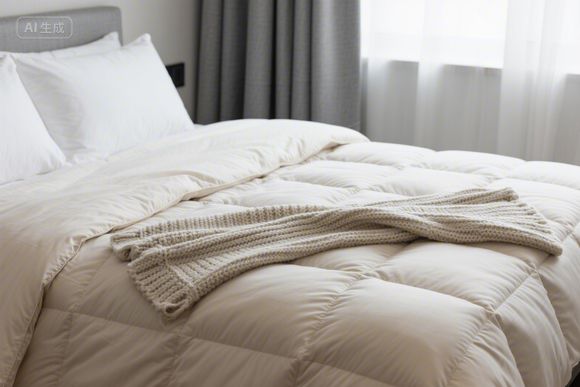
Polyester fiber is also known for its excellent temperature regulation properties. It can maintain a relatively constant temperature, making it suitable for both hot and cold climates. This characteristic is particularly beneficial for individuals who suffer from temperature sensitivity while sleeping. The ability of polyester fiber to regulate temperature ensures a comfortable sleeping environment throughout the year.
- Moisture Wicking Property
Polyester fiber has a high moisture-wicking property, which means it can draw moisture away from the skin. This feature is particularly advantageous for individuals who sweat heavily during sleep. By wicking away moisture, polyester fiber helps to keep the sleeping surface dry and comfortable, reducing the risk of odor and discomfort.
- Low Maintenance
The low maintenance nature of polyester fiber makes it an ideal choice for those who do not want to spend a lot of time worrying about the care and cleaning of their bedding. Polyester fibers are easy to clean and can be machine washed without losing their shape or effectiveness. This convenience factor adds to the overall appeal of polyester fiber as a core material for bedding.
- Cost-Effectiveness
Polyester fiber is a cost-effective material, making it a popular choice for both manufacturers and consumers. Its durability and resistance to pilling and shrinking mean that it requires less frequent washing and replacement, saving money in the long run. Additionally, its ability to maintain a comfortable temperature and regulate moisture makes it a cost-effective solution for various types of bedding.
Case Study: Jiayu Textile Factory
Jiayu Textile Factory, located in China, is one of the leading manufacturers of bedding materials. The factory has recently shifted its production to polyester fiber for its core components. The transition has brought several benefits to the factory and its customers.
Firstly, the factory has seen a significant increase in the durability of its products. The high strength and resistance to pilling and shrinking of polyester fiber mean that the bed cores produced are more long-lasting and require less frequent maintenance. This has led to increased customer satisfaction and a higher profit margin for the factory.
Secondly, the factory's production process has become more efficient due to the ease of cleaning and machine washing of polyester fiber. This has reduced the time and labor required for maintenance, allowing the factory to produce more products in a given timeframe.
Moreover, the factory has been able to cater to a wider range of customers by offering diverse options made from polyester fiber. From luxury hotels and resorts to budget-friendly bedding sets, Jiayu Textile Factory's products are now available in various styles and sizes, catering to different customer needs.
Lastly, the cost-effectiveness of polyester fiber has made it an attractive option for both manufacturers and consumers. The factory's ability to produce high-quality bedding materials at a lower cost has enabled it to offer competitive pricing without compromising on quality. This has helped the factory build a strong brand presence in the market and attract a loyal customer base.
Professional Analysis
From a professional standpoint, the shift towards polyester fiber as the core material for bedding can be analyzed through several theoretical lenses. One such theory is the theory of material properties, which suggests that the choice of material is influenced by its physical and chemical properties. Polyester fiber's strength, durability, and resistance to pilling and shrinking make it an ideal candidate for use in bedding core materials.
Another relevant theory is the economic theory of production, which focuses on the cost and efficiency of producing goods. The cost-effectiveness of polyester fiber, coupled with its ease of cleaning and machine washing, makes it a cost-effective solution for manufacturers. This economic advantage allows manufacturers to offer competitive pricing without compromising on quality.
Furthermore, the sustainability theory in the textile industry emphasizes the importance of using environmentally friendly materials and processes. Polyester fiber is considered a more sustainable option compared to natural fibers like cotton and wool, as it requires less water and energy to produce and has a lower environmental impact. This sustainability aspect adds to the appeal of polyester fiber as a core material for bedding.
Conclusion
In conclusion, polyester fiber offers numerous advantages as the core material for bedding. Its strength, durability, temperature regulation, moisture-wicking property, and low maintenance requirements make it an excellent choice for individuals seeking comfort and durability in their bedding. The case of Jiayu Textile Factory illustrates the practical benefits of using polyester fiber, including increased production efficiency, cost savings, and the ability to cater to a wide range of customers.
From a professional standpoint, the shift towards polyester fiber can be analyzed through various theoretical lenses, including the theory of material properties, the economic theory of production, and the sustainability theory. These theories highlight the importance of considering material properties, cost-effectiveness, and environmental impact when selecting materials for bedding.
As the demand for comfortable and durable bedding continues to grow, polyester fiber is poised to remain a staple in the industry. Its ability to provide a comfortable sleeping surface while offering cost savings and environmental benefits makes it an ideal choice for both manufacturers and consumers. In the future, we can expect to see further advancements in the use of polyester fiber and other innovative materials in the bedding industry, driven by ongoing research and development efforts.