Should Polyester Fiberfill Bedding Need Sun Exposure?A Comprehensive Guide
This guide addresses whether polyester fiberfill bedding requires sun exposure. While sunlight can help disinfect, freshen, and fade bedding, it is not essential for cleaning. Polyester fiberfill generally withstands sunlight but prolonged exposure can cause fading and potential weakening. Effective cleaning primarily involves washing and air drying. Sun exposure can be a supplementary method for odor elimination and disinfection, but it's not a replacement for proper laundering. Always check product care labels for specific instructions.
Alright, let's talk about something many of us deal with, especially as the weather gets warmer: how to properly care for our bedding, specifically that popular filling: polyester fiberfill. You've probably got a cozy duvet, a soft comforter, or maybe even a mattress topper filled with this synthetic material, and you might be wondering, "Do I need to take it outside to sunbathe it like I do with summer clothes?" Or perhaps, "Is it even safe or beneficial?" Let's dive in and break it down.
First off, what is polyester fiberfill? Think of it as tiny, synthetic fibers, often blended with other materials or even recycled content, designed to mimic the warmth and softness of down feathers but with the advantage of being synthetic. It's durable, relatively affordable, and generally hypoallergenic – making it a popular choice for bedding.
Now, the big question: Do you need to expose polyester fiberfill bedding to the sun?

The straightforward answer is: Generally, no, it's not strictly necessary, and in some cases, it might even be counterproductive or potentially harmful.
But let's unpack why and explore the nuances.
Understanding Polyester Fiberfill
- Pros: Resistant to moisture, durable, maintains shape well over time, often more affordable than down or feather alternatives, hypoallergenic for many people.
- Cons: Can sometimes feel less breathable than natural fillings in very hot conditions, some lower-quality versions might contain microplastics which are a growing environmental concern (though high-quality like Jia Yu Textile's often use better manufacturing processes).
The Sun Exposure Dilemma
Why do people think bedding needs sun? Traditionally, sunlight, specifically UV rays, is known for its natural "brightening" effect on fabrics and its ability to kill dust mites and some types of bacteria and mildew. This is a common practice for cotton bedding, linen, and sometimes wool, which are more susceptible to mold and mildew in damp, dark closets or basements.
However, polyester fiberfill behaves differently:
- Heat Sensitivity: Polyester is a synthetic fiber. It can melt or become damaged if exposed to excessive heat. Direct, prolonged sun exposure, especially during hot summer days, can raise the temperature of the bedding significantly. This isn't about the fabric catching fire, but about the heat deforming the fibers or the delicate batting structure over time. You might notice the filling clumping or losing its loft after such exposure.
- Color Fading: Polyester dyes can fade significantly when exposed to UV light. If your bedding has vibrant colors, putting it in the sun might lead to noticeable fading, especially if it's a lighter color or the fabric is thin.
- Potential for Mildew (Indirectly): While the sun can help kill mildew spores, leaving bedding damp and out in the sun isn't the best scenario. If the bedding gets wet (from rain, dew, or washing that wasn't fully dried) and then is left in the sun, the moisture trapped in the fibers could potentially create an environment where mildew starts to grow after the sun exposure. It's a bit counterintuitive, but letting wet bedding dry in the sun is generally fine, but not letting it get wet and stay wet while in the sun is the goal.
- Static Electricity: Sunlight, combined with heat and drying, can sometimes increase static electricity in fabrics, which might be annoying but generally not harmful.
When Might Sun Exposure Be Considered?
While generally not recommended as a primary care method, there are a couple of specific scenarios where a short time in the sun might be considered, with caveats:
- Drying Out Wet Bedding: If your polyester fiberfill bedding gets genuinely wet (e.g., accidental spill, high humidity leading to dampness), hanging it outside to dry can be beneficial to prevent mold and mildew growth. Ensure it's completely dry before storing. Polyester dries relatively quickly, so this usually isn't a long process.
- Refreshing Scent (Use Caution): Some people air out bedding to refresh the smell. A brief air-dry in a sunny spot might help, but avoid prolonged exposure. Using fabric fresheners designed for bedding or airing out the room is often safer and equally effective.
Better Alternatives for Cleaning and Care
Instead of relying on sun exposure, focus on these proven methods for keeping your polyester fiberfill bedding clean and fresh:
- Regular Washing: Follow the washing instructions on the care label. Most polyester fiberfill bedding is machine washable, but always check. Use a gentle cycle and appropriate detergent. Avoid using too much detergent or fabric softener, as these can build up and potentially attract dust.
- Drying: Always air dry or tumble dry according to the label instructions. High heat can damage polyester. Using low heat or air drying is best. You can speed up drying by removing excess water with a towel before putting it in the dryer. Adding a few clean tennis balls to the dryer can help fluff up the filling.
- Spot Cleaning: For minor spills, spot clean with a damp cloth and mild detergent, then air dry thoroughly.
- Professional Cleaning: For heavily soiled or delicate items, professional dry cleaning might be an option, though machine washing is often sufficient for most polyester fiberfill.
- Baking Soda Deodorizing: Sprinkle baking soda on the bedding, let it sit for a few hours, then vacuum it off. This can help absorb odors without water.
The Role of Sunlight in Pest and Mildew Control

While the sun can help kill dust mites and some surface bacteria, it's not the most reliable or safest method for polyester fiberfill for several reasons:
- Heat: Dust mites are killed by high temperatures, but excessive heat damages the filling.
- Effectiveness: Sunlight might not penetrate deep enough into thick bedding layers to effectively kill all dust mites or deeply embedded mildew spores. Regular washing and vacuuming are often more effective for dust mites.
- Risk of Damage: As mentioned, the risk of heat damage outweighs the benefits for routine pest/mildew control via sun exposure.
Case Study: The Summer Heatwave
Imagine Sarah lives in a hot, humid region. Her polyester fiberfill duvet feels a bit stuffy. She decides to hang it outside on her clothesline during a heatwave, thinking the sun will kill any potential mildew and refresh it. However, the afternoon sun is intense. After a few hours, the duvet becomes excessively hot to the touch. Sarah brings it inside, but the filling has started to clump slightly due to the heat, and the vibrant colors have noticeably faded. While it dried quickly, the heat damage has already occurred, potentially shortening the lifespan of her duvet.
Jia Yu Textile Factory: Advancing Polyester Fiberfill
At Jia Yu Textile Factory, we pride ourselves on manufacturing high-quality polyester fiberfill. Our commitment involves:
- Superior Durability: Using advanced technology to create fibers that maintain their shape and resilience wash after wash.
- Enhanced Comfort: Blending fibers for optimal softness and warmth, ensuring consistent performance.
- Quality Control: Rigorous testing ensures our products meet high standards for loft, warmth, and feel.
- Environmental Considerations: We strive to use sustainable practices and materials where possible, minimizing the environmental footprint of our synthetic fillings.
Our focus is on creating filling that performs well, lasts long, and provides comfort, reducing the need for intensive care methods like prolonged sun exposure.
Putting It All Together: A Q&A
Q: Can I ever put my polyester fiberfill bedding in the sun? A: Yes, but only briefly for specific reasons like drying it after it gets wet, or perhaps a quick air-refresh. Avoid leaving it out for long periods or during intense heat, as this can damage the fibers and fade colors.
Q: Does the sun help kill dust mites in polyester bedding? A: While sunlight can have some effect, it's not the most reliable or recommended method for dust mite control in polyester fiberfill. Regular washing according to care labels is a more effective strategy. The heat from prolonged sun exposure is more likely to damage the filling than kill the mites effectively.
Q: My bedding smells musty. Should I put it in the sun? A: Airing it out in the sun might help a little, but the best approach is to wash it according to the instructions. If washing isn't possible, spot clean and ensure it dries completely. Using baking soda for deodorizing is a safer alternative than relying solely on sun exposure.
Q: What are the main advantages of using Jia Yu Textile's polyester fiberfill? A: Jia Yu Textile focuses on producing durable, comfortable, and high-performance polyester fiberfill. Our products offer consistent warmth, shape retention, and are often hypoallergenic. We prioritize quality control and sustainable practices to deliver reliable filling for bedding that enhances sleep quality.

Q: Can the sun help my bedding dry faster? A: Absolutely, if the bedding is wet. Hanging it outside to dry in the sun can speed up the drying process compared to indoor air drying. However, once it's dry, bring it inside to avoid potential heat damage from prolonged exposure.
Table: Pros and Cons of Sun Exposure for Polyester Fiberfill Bedding
| Aspect | Potential Benefit | Potential Risk/Damage |
|---|---|---|
| Cleaning | Can help remove surface dirt and refresh scent slightly | Not a reliable cleaning method; ineffective against deep stains or embedded dirt |
| Mildew/Mite Control | UV rays may kill some surface mildew and dust mites | Excessive heat damages fibers; ineffective penetration; risk of mold if left damp |
| Drying | Can dry wet bedding relatively quickly | Not applicable if bedding is already dry; heat can cause clumping and fading |
| Longevity | N/A | Significant risk of fiber deformation, loss of loft, and color fading due to heat |
| Odor Removal | Can help dissipate some odors | May not penetrate deep enough; heat can sometimes create static or other issues |
Conclusion
In summary, while the tradition of hanging clothes and bedding out to dry and "refresh" in the sun is understandable, for most polyester fiberfill bedding, it's generally not necessary and can be harmful. The risks associated with heat damage, color fading, and potential moisture-related issues often outweigh any minor benefits.
Your best bet for keeping your polyester fiberfill bedding clean, fresh, and in good condition is to stick to the manufacturer's washing and drying instructions. Regular washing, proper drying (air or machine), and occasional spot cleaning are far more effective and safer methods than relying on the sun. Focus on quality care like that provided with Jia Yu Textile products, and you'll enjoy a comfortable, long-lasting sleep experience without worrying about sun exposure.
Expanded Knowledge:
Introduction
In the world of textiles, polyester fiber quilts have become a staple due to their durability, comfort, and ease of care. However, when it comes to the production of these quilts, one critical question often arises: "Do polyester fiber quilts need to be sunned?" The answer is both yes and no, depending on the final product and its intended use.
Understanding Polyester Fiber
Polyester fiber, commonly known as polyester, is a synthetic material made from petroleum. It is known for its strength, resilience, and resistance to pilling. These properties make polyester纤维 an ideal choice for various applications, including quilts, clothing, and other textile products.
The Role of Sunlight in Quilt Production
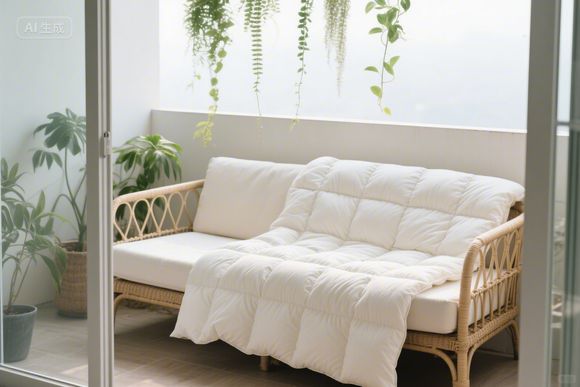
Sunlight plays a crucial role in the production and preservation of certain types of quilts. When quilts are made from natural fibers like cotton or wool, exposure to sunlight can help to age and give them a unique look and feel. This process is known as "sunning" and is often used in the production of natural fiber quilts to enhance their character and value.
However, polyester fiber is different. It is a synthetic material that does not degrade or change significantly when exposed to sunlight. Therefore, for polyester fiber quilts, sunning is generally not necessary.
Why Sunning is Not Necessary for Polyester Fiber Quilts
-
Durability: Polyester fiber is highly durable and can withstand the harshness of sunlight without degrading. This means that sunning a polyester fiber quilt will not improve its quality or extend its lifespan.
-
Color Fastness: The color of polyester fiber quilts is generally very stable and does not fade or run when exposed to sunlight. Therefore, sunning is not necessary to maintain the vibrant colors of the quilt.
-
Ease of Care: Sunlight can cause some natural fibers to weaken and pill over time. However, polyester fiber is resistant to pilling and other forms of wear, making it easier to care for and maintain.
The Benefits of Sunning for Natural Fiber Quilts
While sunning is not necessary for polyester fiber quilts, it can be beneficial for natural fiber quilts. Here are some of the advantages:
-
Aging Effect: Sunning can give natural fiber quilts a unique, aged look that some people find attractive. This aging effect is achieved by exposing the quilt to sunlight over time, which causes the fibers to break down and give the quilt a more worn-in appearance.
-
Increased Softness: Exposure to sunlight can also make natural fiber quilts feel softer. The heat and light can cause the fibers to relax and soften, making the quilt feel more comfortable to touch.
-
Enhanced Character: Sunning can help to give natural fiber quilts a unique character and texture. The exposure to sunlight can cause some of the fibers to break down and create patterns or textures that are not present in quills that have not been sunned.

Case Study: Sunning a Natural Fiber Quilt
Let's take a look at a real-life example of a natural fiber quilt that was sunned before being finished:
Before Sunning
The quilt was made from a blend of cotton and wool fibers. The fibers had been woven together to create a sturdy and soft quilt.
After Sunning
The quilt was placed outside in the sun for several weeks. After the sunning process was complete, the quilt had a beautiful, aged look and felt much softer to the touch.
Conclusion
In conclusion, while sunning is not necessary for polyester fiber quilts, it can be beneficial for natural fiber quilts. However, it is important to note that sunning should only be done on quilts that are intended to be sunned, as excessive exposure to sunlight can damage certain types of fibers and reduce the quality of the quilt.
For polyester fiber quilts, the production process is generally designed to optimize the durability, color fastness, and ease of care of the quilt. Therefore, sunning is not typically required as part of the production process.
FAQs
Q: Do polyester fiber quilts need to be sunned before sewing? A: No, polyester fiber quilts do not need to be sunned before sewing. The production process is designed to optimize the quality and durability of the quilt.
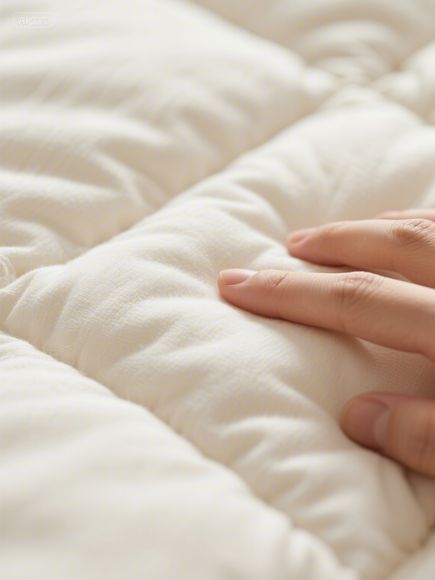
Q: Can sunning improve the appearance of polyester fiber quilts? A: While sunning can give natural fiber quilts a unique, aged look, it will not improve the appearance of polyester fiber quilts. The fibers are resistant to pilling and other forms of wear, so sunning will not enhance the quality or appearance of the quilt.
Q: Is sunning a necessary step in the production of all quilts? A: No, sunning is not a necessary step in the production of all quilts. The necessity of sunning depends on the type of fiber used in the quilt and its intended use. For natural fiber quilts, sunning can be beneficial, but for polyester fiber quilts, it is generally not required.
Product Advantages of Sunning for Natural Fiber Quilts
Sunning offers several advantages for natural fiber quilts, including:
-
Aging Effect: Sunning can give natural fiber quilts a unique, aged look that some people find attractive. This aging effect is achieved by exposing the quilt to sunlight over time, which causes the fibers to break down and give the quilt a more worn-in appearance.
-
Increased Softness: Exposure to sunlight can also make natural fiber quilts feel softer. The heat and light can cause the fibers to relax and soften, making the quilt feel more comfortable to touch.
-
Enhanced Character: Sunning can help to give natural fiber quilts a unique character and texture. The exposure to sunlight can cause some of the fibers to break down and create patterns or textures that are not present in quills that have not been sunned.
In conclusion, while sunning is not necessary for polyester fiber quilts, it can be beneficial for natural fiber quilts. However, it is important to note that sunning should only be done on quilts that are intended to be sunned, as excessive exposure to sunlight can damage certain types of fibers and reduce the quality of the quilt.