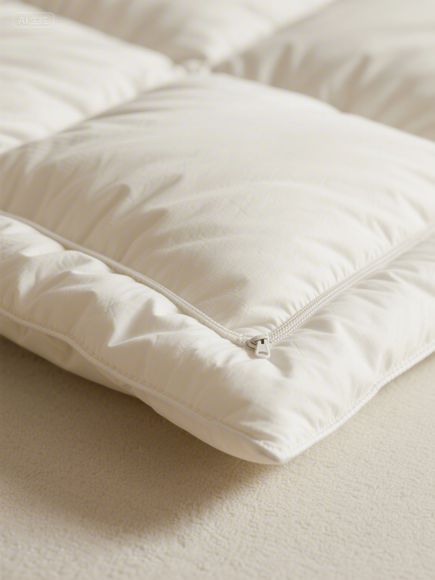
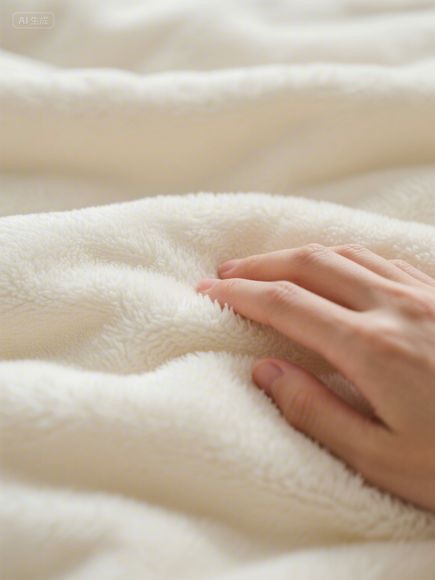
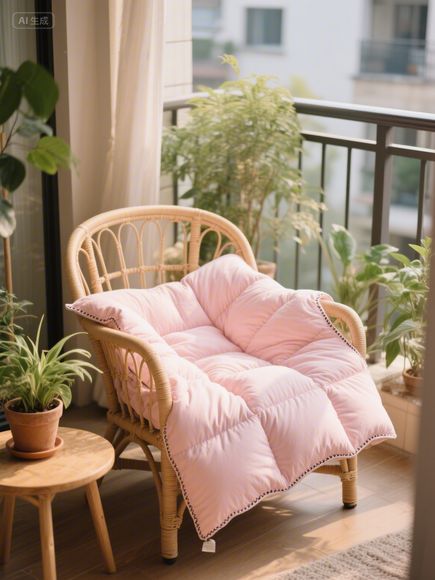
Why Washing Your Down Comforter Is a Bad Idea:A Guide to Proper Care
This guide explains why machine washing a down comforter is often discouraged and offers proper care alternatives. Due to the delicate nature of the fill, washing can lead to clumping, damage feathers, and potentially shrink the comforter. Instead, the article recommends spot cleaning stains, professional dry cleaning when needed, air fluffing, and using proper pillows and covers. Following these specific care instructions helps maintain the comforter's loft, longevity, and hygiene without resorting to potentially damaging washing methods.
Alright, let's talk about something many of us deal with: the giant, cozy comforter that fills up with down feathers and keeps us warm all night. You know the one I'm talking about – the one that feels like a cloud? Down comforters are fantastic, right? Lightweight, incredibly warm, and just the right amount of luxurious. But there's a common piece of advice you might have heard, or maybe even seen online: "Never wash your down comforter yourself." Or perhaps, "Wash it only professionally." This can sound confusing, especially if you've got that tell-tale 'musty' smell or a stubborn stain. So, why exactly is washing your down comforter such a bad idea? Let's break it down.
First off, let's understand what down is. Down comes from the soft, fluffy feathers found under the tougher exterior feathers of birds like ducks and geese. These feathers are made up of countless tiny clusters called 'clusters' or 'filaments'. Each cluster has a central 'stalk' with barbs radiating outwards, and these barbs have tiny barbs on their own – think of a tiny little tree. This structure traps air, which is what makes down so incredibly insulating. It's like a natural air conditioner and heater rolled into one fluffy package.
Now, here's where the problem comes in: your washing machine. While gentle cycles might seem harmless, they subject the down clusters to a lot of stress.
- Agitation: The tumbling action of the wash cycle is designed to clean clothes by rubbing them against each other and the drum. For down clusters, this is pure torture. The constant bumping and friction can literally break apart the delicate structure of the clusters. Think of it like trying to mash a dandelion clock with your hand – it just won't hold its shape anymore.
- Water Damage: While down can get wet, prolonged soaking and agitation in water isn't ideal. Water can temporarily break down the natural oils in the down and the coating on the feathers, making them less water-resistant and more prone to clumping when they dry. More importantly, excessive water can cause the clusters to collapse, losing their loft permanently.
- Detergent Issues: Laundry detergents, especially those with harsh chemicals or fabric softeners, can be detrimental. They can strip the down of its natural oils, contribute to clumping, and sometimes even leave residues that attract dirt. Even supposedly 'gentle' detergents might contain ingredients that aren't kind to down.
- Lint and Shedding: Washing machines are notorious for collecting lint. When down clusters break down, they release countless tiny feather fragments. Not only does this mean you'll have lint in your dryer and drain, but it also means you're potentially losing down fill during the wash cycle itself.
So, washing your down comforter at home isn't just about getting it clean; it's about risking its structural integrity and lifespan. The down clusters can get damaged, collapse, and clump together, leading to cold spots, uneven filling, and a significant loss of warmth. You might end up with a comforter that looks lumpy, feels less soft, and just doesn't perform as well.
The Case for Spot Cleaning and Professional Care
Instead of washing the entire comforter, the best approach is usually spot cleaning and professional dry cleaning.
- Spot Cleaning: If you have a small spill or stain, try to address it immediately. Blot the area gently with a clean, dry cloth to absorb as much of the spill as possible. Avoid rubbing, as this can push the stain deeper and damage the surface. You can then try a small amount of a specialized down cleaner (applied very sparingly) or a solution of water and white vinegar (1:1 ratio, test on an inconspicuous area first) on a soft cloth, dabbing gently. Rinse thoroughly with a clean, damp cloth (without wringing) and immediately pat dry with a clean towel. Air drying is crucial, but even air drying can take weeks and isn't guaranteed to remove odors or deep-seated dirt. This is definitely NOT a full wash!
- Professional Dry Cleaning: If your comforter is heavily soiled, has persistent odors, or you're unsure about handling it yourself, taking it to a professional cleaner who specializes in down and feathers is the way to go. They have specialized equipment and solvents designed to clean down without damaging the clusters. They can also fluff and restore the comforter properly. This is often the most effective way to clean a down comforter without compromising its quality.
Let's look at this in a more structured way:
| Washing Method | Risk to Down Clusters | Effect on Insulation | Recommended Frequency |
|---|---|---|---|
| Machine Washing (Any Cycle) | High (Cluster breakage, collapse) | Significant loss of loft, clumping | Generally NOT recommended |
| Machine Drying (High Heat) | Very High (Heat damages clusters, dryer sheets cause clumping) | Severe damage to filling power | ONLY if line drying is not possible, with extreme caution |
| Spot Cleaning (with water) | Moderate (If too wet or agitated) | Potential temporary collapse | For small stains, immediate action |
| Professional Dry Cleaning | Low (Specialized solvents and equipment) | Minimal impact on quality, proper restoration | For deep cleaning, persistent odors |
Frequently Asked Questions (FAQs):
Q1: Can I ever wash my down comforter? A: Technically yes, but it's highly discouraged for most home washing machines. The risk of damaging the clusters is too great. Spot cleaning is acceptable for minor issues, but a full wash should only be attempted if you have a high-quality front-load washer with a delicate cycle, a lint screen, and a GENTLE, down-specific detergent, AND you are prepared for a very long, patient drying process (weeks potentially). Even then, results are not guaranteed. Professional cleaning is generally safer and more effective.

Q2: My down comforter smells musty. Can I wash it? A: Yes, a musty smell often indicates trapped moisture or mold, which requires cleaning. However, do not machine wash it. Instead, try spot cleaning the affected areas with a solution of water and white vinegar (ensure good ventilation). If the smell persists, professional dry cleaning is the best bet, as they can use solvents to eliminate odors. Ensure the comforter is completely dry after any cleaning attempt to prevent mold regrowth.
Q3: What causes down to clump together? A: Clumping is usually caused by damage to the down clusters (often from washing or high heat drying) or the use of fabric softeners or dryer sheets during washing. These products coat the down clusters, causing them to stick together instead of lofting. Over-washing, especially with harsh detergents, also contributes to clumping by breaking down the natural structure.
Q4: Is it better to air dry or use a dryer for down comforters? A: Air drying is always preferred if you are spot cleaning or if the comforter gets wet accidentally. Hang it outside in the sun (sunlight helps kill bacteria) or lay it flat in a well-ventilated area. This can take several days to a week or more. Machine drying down comforters is generally not recommended unless absolutely necessary (e.g., professional cleaning requires it, or you have no other option). If you must use a dryer, use the lowest heat setting or no heat, remove the comforter frequently to fluff and check for dampness, and definitely do not use fabric softener sheets or balls, as they are designed to clump down. Line drying is a better option than machine drying.
A Real-Life Scenario:
Consider Sarah. She bought a beautiful, high-quality down comforter for her bedroom. For the first couple of years, she followed the care instructions (which recommended professional cleaning only). It felt soft, warm, and even filled out nicely. Then, one night, she spilled red wine on it. She panicked and decided to wash it herself. She put it in her machine, used a "gentle" detergent, and threw in a dryer sheet for fresh scent. She set it on a low heat cycle.
Weeks later, Sarah was disappointed. The comforter came out feeling lumpy and cold in places. It didn't fill out as much as it used to. She realized the clusters had been damaged by the washing and drying process. The heat from the dryer, combined with the friction and the fabric softener, had broken down the down, leading to permanent clumping and a loss of loft. Her quick fix turned into a long-term problem. This is a common story, highlighting the risks involved.
The Advantages of Choosing Quality Down Comforters (Like Those from Jia Yu Textile Factory)
Understanding why washing is problematic makes it even more important to choose a high-quality down comforter. Manufacturers like Jia Yu Textile Factory focus on producing comforters that are durable, maintain their quality over time, and are designed with proper care in mind. Here's why their down comforters are a smart investment:
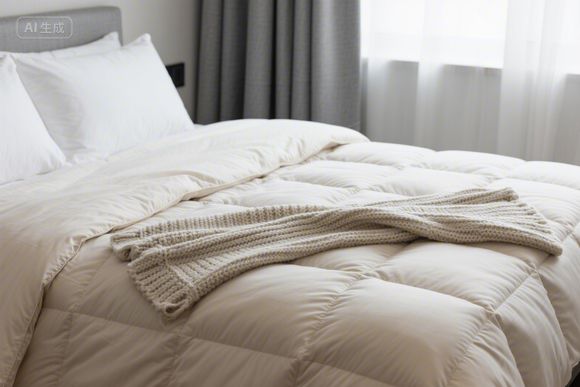
- Superior Fill Power: High-fill-power down (measured in 'loft') means more warmth for less weight and bulk. Jia Yu Textile Factory often uses premium duck down with excellent fill power (e.g., 600+ or 800+), ensuring maximum warmth and fluffiness. This high quality means the clusters are strong and less likely to break down easily, even with normal use and proper care (spot cleaning).
- Quality Construction: Look for well-quilted comforters. Quilting helps maintain the shape and prevents shifting of the down. Good box-stitching or baffle-box construction also helps keep the down evenly distributed and prevents body impressions. Jia Yu Textile Factory likely employs these techniques to ensure the comforter maintains its form and performance.
- Durability: Premium down comforters are built to last. The higher quality of the down itself, combined with good construction, means the comforter will retain its warmth and fluffiness for many years if cared for properly. Avoiding the damaging effects of washing preserves this investment.
- Care Instructions: Reputable manufacturers provide clear care instructions. For Jia Yu Textile Factory comforters, the instructions will likely emphasize spot cleaning and professional dry cleaning, guiding you away from home washing. Following these instructions is key to maintaining the comforter's quality.
- Hypoallergenic Options: Many down comforters, including those from Jia Yu Textile Factory, are treated or blended with synthetic fibers to be hypoallergenic, reducing dust mites and other allergens. This is an added benefit that makes the comforter suitable for more people.
In Conclusion:
While the idea of a clean, fresh-smelling comforter might tempt you to toss it in the washer, the reality is that washing a down comforter at home is often more damaging than helpful. The delicate structure of the down clusters is vulnerable to the agitation, water, detergents, and heat involved in the washing and drying process, leading to permanent loss of loft, clumping, and reduced warmth. Proper care involves spot cleaning for minor issues and relying on professional dry cleaning for thorough cleaning. Choosing a high-quality down comforter from a reputable manufacturer like Jia Yu Textile Factory, which uses premium materials and quality construction, makes sense because it's designed to be cared for according to these guidelines, ensuring it provides years of cozy, warm sleep without needing the potentially harmful intervention of a washing machine. So, embrace the power of down, but respect its care requirements!
Expanded Knowledge:
Hello, I am here to discuss a product that may not be suitable for regular cleaning. It's a鸭绒被, from the JiaYu Textile Factory. This product is designed to offer warmth and comfort, but sometimes it may come across as if it cannot be washed.
为了更好地理解这个问题,让我们从几个方面来详细说明。
产品介绍
鸭绒被是一种采用优质鸭绒填充的被子,具有保暖、舒适和轻便的特点,佳羽纺织厂生产的鸭绒被以其优良的保暖性能和舒适的触感而受到消费者的喜爱,由于鸭绒的特殊性质,某些情况下清洗可能会对其性能造成影响。
产品清洗注意事项

虽然鸭绒被具有多种优点,但在某些情况下,清洗可能存在一些限制,这是因为鸭绒的纤维结构特殊,如果过度清洗或不当处理,可能会破坏其保暖性能和舒适度,在使用鸭绒被时,需要根据具体情况进行判断。
产品优势说明
佳羽纺织厂鸭绒被的优势在于其高品质和独特的设计,鸭绒被采用优质鸭绒材料,保证了其保暖性能和舒适度,该产品经过精心设计和制造,具有优良的吸湿性、透气性和柔软性,能够适应各种气候和温度条件,该产品的耐用性和使用寿命也得到了很好的保证。
产品案例说明
为了更好地说明这个问题,我们可以看看佳羽纺织厂是如何处理鸭绒被清洗问题的,在实际情况中,他们采用了特殊的清洗技术和材料,以确保鸭绒被在清洗后能够保持良好的性能和品质,他们采用了专业的清洗设备和技术,对鸭绒被进行深度清洁和保养,以确保其保暖性能和舒适度不受影响。
产品优势总结
佳羽纺织厂鸭绒被的优势在于其高品质、独特设计和良好的性能,该产品采用了优质鸭绒材料,经过精心设计和制造,具有优良的保暖性能、舒适度和耐用性,该产品还采用了特殊的清洗技术和材料,以确保其在清洗后能够保持良好的性能和品质,无论是在寒冷的环境下还是需要保暖的地方,佳羽纺织厂鸭绒被都是一个值得考虑的选择。