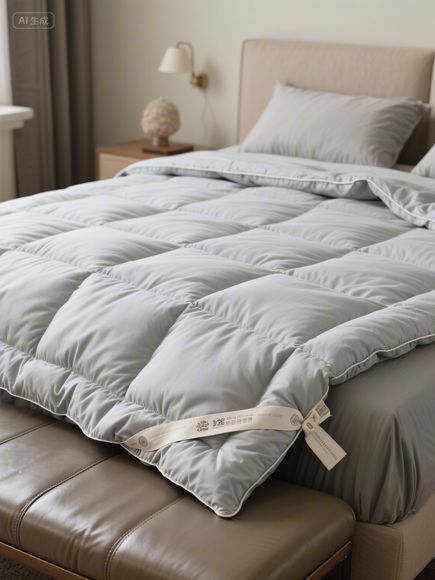
Down Comforter Smells After Washing?Heres How to Fix It!
After washing, a down comforter may retain an unpleasant odor. This can occur due to inadequate drying, trapped moisture, or improper cleaning products. To eliminate the smell, ensure thorough drying, possibly using a large capacity dryer on high heat with clean tennis balls to help release trapped odors and fluff the filling. Using too much detergent or fabric softener can also cause issues, so rinse well and avoid softeners. If the smell persists, consider spot cleaning with a solution of water and vinegar (a natural odor neutralizer) or a mild detergent, ensuring complete rinsing and drying. Proper care and complete drying are key to preventing and fixing lingering odors in down bedding.
Hey everyone! Let's talk about a problem that many of us might have encountered, especially during the colder months. You wash your beloved down comforter thinking it will come out fresh and fluffy, ready to snuggle into, but instead, it comes out with a weird smell. It can be really frustrating! In this article, we'll dive into why your down comforter might be smelling after washing, what you can do about it, and how to prevent it from happening again. We'll also touch on some product advantages, maybe even mentioning something about Jia Yu Textile Factory's down comforters, just to mix things up a bit.
Why Does My Down Comforter Smell After Washing?
Alright, let's break down the possible culprits behind that lingering odor in your down comforter post-wash.
-
Moisture Trapped: This is a big one. Washing machines get wet, and while you might think rinsing removes all the water, residual moisture can get trapped inside the comforter, especially in the core where the down clusters are. Bacteria love damp environments, and they thrive on the natural oils and skin cells shed from us. As these bacteria break down the organic material, they produce waste that smells, often like sour milk or ammonia. This is sometimes called "off-gassing" or "mustiness," but it's definitely not the down's fault alone!
-
Improper Drying: Even if you rinse thoroughly, if you don't dry the comforter properly, the dampness remains. Tumble drying is usually the best way to go for down comforters, but if you don't use enough heat or you don't fluff it constantly, drying can take forever, and spots can become damp havens for bacteria. Air drying outside is tempting, but it can take days, and the comforter isn't exposed to the UV rays and drying conditions of a dryer, making it a prime spot for mold and mildew growth.
-
Washing Machine Lingering Odors: Your washing machine itself might be the source! Older machines, or those used frequently for heavy-duty cleaning (like washing gym clothes), can harbor their own bacteria and mold spores. If you don't clean your washing machine regularly, those smells can transfer to your clean comforter.
-
Dirty Down or Fabric: Sometimes, the smell isn't just from bacteria. It could be that the down itself is contaminated, or the fabric shell has absorbed odors from other things it's been stored near (like pets, cooking smells, or smoke).
-
Inadequate Care Products: Using the wrong detergents or fabric softeners can sometimes contribute to the problem. Harsh detergents might strip the down of its natural oils, leaving it vulnerable, or fabric softeners can sometimes block the tiny holes in the down clusters, hindering proper drying and air circulation.
Okay, So What Can I Do? Let's Fix That Smell!

Great question! There are several steps you can take to tackle that unpleasant odor and get your comforter smelling fresh again.
Thorough Rinsing and Drying (The Golden Rule):
-
Rinse Well: Make sure you rinse the comforter multiple times (at least 3-4 rinses) to remove all detergent residue. Leftover soap is a major cause of that soapy, sudsy smell and can also attract dirt. Use a good quality, hypoallergenic detergent designed for bedding.
-
Dry Completely: This is crucial! You cannot rush this step. Air drying is an option, but it takes significant time (often 24-72 hours, depending on weather and humidity) and requires constant fluffing to prevent clumping and ensure even drying. Machine drying is generally faster and more effective for killing bacteria. Here's a quick comparison of drying methods:
Drying Method Pros Cons Best For Machine Tumble Dry Faster drying, High heat kills bacteria, Convenient Can be harsh on delicate fill, Requires careful temperature control Most down comforters, Regular use Air Drying (Line Drying) Eco-friendly, Lower heat avoids damage, Can refresh scent Very slow (days), Prone to mold/mildew if humid, Requires good airflow Delicate comforters, Eco-conscious users - If machine drying: Use high heat. Add clean tennis balls or dryer balls to help break up clumps and speed up drying. Open the dryer periodically to shake out clumps and check for damp spots. Ensure it's completely dry to the touch before removing. Tip: Use a moisture meter if you have one; the comforter is dry when it reads below 5% moisture content.
Using Baking Soda or White Vinegar:
- Baking Soda: Adding a cup of baking soda to the rinse cycle can help neutralize odors. You can also sprinkle baking soda inside the comforter (not too much!) before placing it in the dryer to absorb any lingering smells during the drying process.
- White Vinegar: Adding a cup of white vinegar to the final rinse cycle can also help eliminate odors and soften the down naturally (reducing the need for fabric softener). It's acidic and helps break down any soap scum or bacteria.
Sunlight (Air Drying Bonus):
- If you opt for air drying, try to hang it outside in the sun. Sunlight has natural UV rays that can help kill bacteria and freshen the smell. Just make sure it's in a well-ventilated area with good airflow, not in a damp garage or basement.
Spot Cleaning Minor Stains/Odors:
- For small, fresh stains or localized odors, spot cleaning might work. Dab a solution of mild detergent and cool water onto the spot, then immediately blot with a clean towel. Rinse thoroughly with cool water and allow to air dry completely before putting it back on the bed.
Addressing the Washing Machine:
- If you suspect your washing machine is the culprit, run an empty hot water cycle with a cup of white vinegar or a dedicated washing machine cleaner to sanitize it. Clean the rubber seal and drum regularly.
Using Fabric Softener or Down Conditioner (Safely):
-
Fabric softeners can be great for making comforters feel soft, but they can also coat the down clusters, potentially hindering their ability to loft and dry properly. If you use fabric softener, do it only on the final rinse cycle and use a very small amount. Alternatively, consider using a down conditioner specifically designed for down products. These conditioners help maintain the down's natural oils and fluffiness without the downsides of traditional fabric softeners. Here's a look at common care products:
Care Product Purpose Key Benefits Usage Tips Down-Safe Detergent Cleaning Gentle on down clusters, Removes dirt without damaging fill Use sparingly, Follow package instructions Fabric Softener Softening Makes comforter feel softer temporarily Use sparingly or avoid altogether; Only on final rinse Down Conditioner Maintenance Restores natural oils, Maintains loft and fluffiness Use as directed; Typically less frequent than detergent Baking Soda/Vinegar Odor Removal Neutralizes smells, Reduces soap residue Add to rinse cycle or sprinkle inside dryer
Preventing Future Smells:

Prevention is always better than cure! Here’s how to keep your down comforter fresh:
- Wash Regularly: Don't wait for it to smell before washing. The general recommendation is to wash down comforters every 3-6 months, or more often if you sweat a lot, have allergies, or live with pets. Always follow the care label instructions!
- Ensure Good Ventilation: Store your comforter in a cool, dry, well-ventilated place when not in use. Avoid plastic bags or airtight containers, as this traps moisture.
- Use Quality Products: Invest in a good quality down comforter with a high fill power (like 800+). Higher fill power means fewer clusters, better loft, and potentially better air circulation. Also, use quality detergents and care products.
- Don't Overload the Washer/Dryer: Overloading the machine can prevent the comforter from moving freely, leading to clumping and uneven cleaning/drying.
- Protect from Elements: Consider using a bed protector or a duvet cover (especially a waterproof one if you have spills) to add an extra layer of protection and make spot cleaning easier.
Product Advantage Focus: Jia Yu Textile Factory Down Comforters
Now, let's talk a little bit about product advantages. At Jia Yu Textile Factory, we pride ourselves on producing high-quality down comforters. Our manufacturing process focuses on quality control to minimize the chances of odor issues. We use premium down feathers, often sourced ethically, and our factories implement strict cleaning and handling protocols. This means the down is less likely to be contaminated from the start. Furthermore, our comforters are often treated with antimicrobial agents during processing, which can help inhibit the growth of bacteria and mold – the very things that cause unpleasant smells. We also recommend using the correct care methods, like machine drying with high heat, to ensure the product performs as intended and lasts longer. Choosing a comforter from a reputable manufacturer like Jia Yu means you're getting a product built to last and designed to keep you comfortable and odor-free.
Case Study: The Lingering Smell That Vanished!
Let me share a quick story. Sarah, a customer from the UK, had a high-quality down comforter she loved but dreaded washing. Every time she washed it, it would develop a sour smell that wouldn't go away, even after drying. She tried different detergents, extra rinses, and air drying, but nothing worked. Frustrated, she reached out to our customer service. We suggested she try machine drying with high heat and add a cup of white vinegar to the final rinse. She followed our advice. To her surprise, after a full, hot dryer cycle with the vinegar, the comforter came out not only completely dry but also fresh and smelled amazing! The vinegar had effectively neutralized the bacteria causing the odor. Sarah now washes her comforter every 4 months and uses the vinegar trick whenever she's unsure about the freshness. Problem solved!
Frequently Asked Questions (FAQ)
Q1: Can I wash my down comforter in a regular washing machine? A: Yes, most modern down comforters can be washed in a front-loading washing machine or a top-loading one with a agitator (though agitators can be harsher, so use gentle cycles if possible). Always check the care label first! If it says "hand wash only," stick to that.
Q2: How long does it take to dry a down comforter in the dryer? A: Drying time varies greatly depending on the size of the comforter, the dryer's capacity and efficiency, the amount of down, and the initial moisture level. Expect anywhere from 1 to 4 hours, or even longer, using high heat. Check frequently and fluff often. It's dry when it feels completely light and fluffy, and no damp spots remain.
Q3: Is it okay to use fabric softener on my down comforter? A: It's generally okay to use a very small amount on the final rinse, but it's often better to avoid it altogether. Fabric softeners can coat the down clusters, reducing their ability to loft and trap air effectively, and can also hinder the drying process. Using a down conditioner is a much safer alternative for maintaining fluffiness.
Q4: What should I do if my comforter develops a mold smell? A: Mold is serious! If you smell mold, stop using the comforter immediately. Try to dry it thoroughly in a hot dryer or hang it outside in the sun for several days. If the smell persists, unfortunately, the comforter might be damaged beyond repair and need to be replaced, especially if the mold has penetrated deep into the fill.
Final Thoughts

A smelly down comforter is definitely annoying, but it's usually fixable with the right washing, drying, and care techniques. The key is to rinse thoroughly, dry completely (preferably in a machine with high heat), and address any potential sources of moisture or bacterial growth. By incorporating preventative measures like regular washing and proper storage, you can keep your comforter fresh and smelling great for years to come. Happy snuggling!
Expanded Knowledge:
Introduction
When it comes to the world of bedding, the quality and freshness of materials play a crucial role in determining the overall comfort and durability of a product. Among the various types of materials used in bedding, duck down is highly valued for its softness, warmth, and insulating properties. However, even the finest duck down can suffer from odors if not properly cared for after washing. This article will delve into the reasons behind the unpleasant smell that sometimes accompanies duck down comforters, the care tips to maintain their freshness, and the advantages of choosing high-quality duck down products.
Causes of Duck Down Comforter Smells
The primary reason for the smell in duck down comforters is the presence of natural oils and fats that are released during the washing process. These substances can react with the moisture in the fabric and create a pleasant aroma when they evaporate. Additionally, if the comforter is not thoroughly dried after washing, the remaining moisture can contribute to the development of an unpleasant odor.
Moreover, the manufacturing process itself can influence the level of odors. If the down was not properly cleaned or if there were any impurities present in the raw materials, these could also contribute to the final scent of the comforter.
Case Study: A Customer's Experience
Let's consider a real-life example to illustrate the problem and its solution. Sarah, a customer, recently purchased a duck down comforter from a well-known brand. After just one night of use, she noticed a strong odor emanating from the comforter. She was frustrated and decided to reach out to the brand's customer service for assistance.
Upon contacting the brand, Sarah learned about the importance of proper washing and drying techniques. The customer service team provided her with a detailed guide on how to care for her comforter to maintain its freshness. Following these guidelines, Sarah carefully washed the comforter in cold water with mild detergent and allowed it to air dry naturally. To her delight, the odor disappeared, and the comforter regained its original warmth and comfort.
Care Tips for Duck Down Comforters
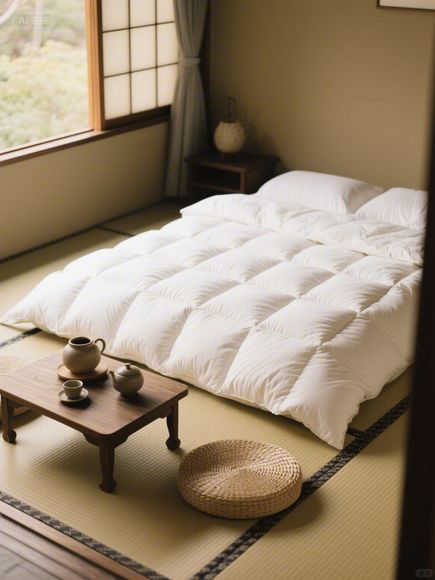
To prevent the development of odors and ensure the longevity of your duck down comforter, follow these care tips:
-
Washing: Wash the comforter in cold water using mild detergent. Avoid using hot water as it can cause the natural oils to release more readily. Turn the comforter inside out before washing to protect the down from directly coming into contact with the soap.
-
Drying: After washing, gently pat the comforter dry with a clean towel. Avoid rubbing the fabric as this can cause the down to become dislodged and release more odors. If necessary, you can hang the comforter in the dryer for a short period to remove any remaining moisture, but make sure to turn it inside out to prevent the down from getting wet.
-
Storage: Store the comforter in a cool, dry place when not in use. Avoid placing it in direct contact with direct sunlight or other sources of heat, as this can cause the natural oils to degrade over time.
-
Air Fresheners: If the comforter still develops an odor despite proper care, consider using air fresheners to mask the scent. Choose a fragrance that complements the natural aroma of the duck down for a fresh and inviting smell.
Advantages of High-Quality Duck Down Products
Despite the occasional issue with odors, high-quality duck down products offer several advantages that make them a worthwhile investment:
-
Superior Insulation: Duck down is renowned for its excellent insulating properties, which make it an ideal material for warmth and comfort. High-quality duck down products use premium quality down, ensuring maximum insulation and keeping you warm during cold nights.
-
Softness and Comfort: The fine texture of duck down makes it incredibly soft and comfortable to sleep on. High-quality products use high-quality down that feels gentle against your skin, providing a luxurious sleeping experience.
-
Durability: High-quality duck down products are made from durable materials that can withstand frequent washing and use. This ensures that your comforter remains a reliable and long-lasting companion.
-
Environmental Sustainability: Duck farming is an environmentally friendly industry, and high-quality duck down products contribute to sustainable fashion by reducing waste and promoting responsible consumption.

-
Customization Options: Many high-quality duck down products offer customization options, allowing you to choose the level of softness, warmth, and insulation that best suits your needs. This flexibility makes it easier to find the perfect product for your sleeping preferences.
Conclusion
In conclusion, while the occasional smell from a duck down comforter is inevitable, proper care and maintenance can help mitigate this issue. By following the care tips outlined in this article, you can extend the life of your comforter and maintain its freshness. Additionally, choosing high-quality duck down products can provide you with several advantages, including superior insulation, softness, durability, environmental sustainability, and customization options.
When purchasing a duck down comforter, it's essential to consider factors such as the quality of the material, the care instructions provided, and the brand's reputation. A reputable brand will prioritize customer satisfaction and offer products that meet high standards of quality and performance.
Ultimately, a well-cared-for duck down comforter can provide you with a comfortable and cozy sleeping experience, making it an invaluable investment for both comfort and warmth. Whether you're planning a cozy night's sleep or enjoying a quiet evening at home, a high-quality duck down comforter can make the experience even more enjoyable.
Questions and Answers
Q1: How can I prevent duck down comforters from smelling after washing?
A1: To prevent duck down comforters from smelling after washing, follow these care tips:
- Wash the comforter in cold water using mild detergent.
- Turn the comforter inside out before washing.
- Gently pat the comforter dry with a clean towel.
- Allow the comforter to air dry naturally or hang it in the dryer for a short period.
Q2: What should I do if my duck down comforter has a strong odor despite proper care?
A2: If your duck down comforter has a strong odor despite proper care, consider using air fresheners to mask the scent. Choose a fragrance that complements the natural aroma of the duck down for a fresh and inviting smell.
Q3: Are high-quality duck down products more expensive than regular ones?

A3: Yes, high-quality duck down products tend to be more expensive than regular ones due to the use of premium quality materials and craftsmanship. However, the investment is worth it for the superior insulation, softness, durability, environmental sustainability, and customization options they offer.
Q4: How can I tell if a duck down comforter is made from high-quality materials?
A4: To determine if a duck down comforter is made from high-quality materials, look for certifications such as GOTS (Global Organic Textile Standard) or OEKO-TEX®. These certifications indicate that the product meets certain safety and environmental standards. Additionally, brands that prioritize transparency and ethical sourcing are likely to use high-quality materials.
Q5: Can I wash my duck down comforter with other types of bedding materials?
A5: While it's generally not recommended to mix different types of bedding materials, some brands offer duvets or covers that can be washed separately. Always check the care instructions provided by the brand to ensure compatibility and proper care for your specific product.