How to Prevent Your Down Quilt from Clumping:A Comprehensive Guide
This comprehensive guide addresses the common issue of down quilt clumping, offering practical solutions to maintain a smooth and even sleeping surface. It explains the causes of clumping, typically related to moisture, compression, or infrequent use, and provides actionable tips for prevention. Key recommendations include regular air-tumbling or gentle shaking to redistribute the down, using a quality duvet cover to protect against oils and spills, ensuring proper drying after washing (if applicable), and investing in a quality down-proof cover. The guide emphasizes proper care and handling to preserve the loft and insulating properties of the down filling, ultimately extending the quilt's lifespan and ensuring consistent comfort.
Hey there! Let's talk about something that might be frustrating for many of us when it comes to our cozy winter bedding: the dreaded "down quilt clumping." You know, that lumpy, uneven feeling when you try to smooth out your duvet or comforter? It can be a real buzzkill, right? Don't worry, you're not alone. Even high-quality down quilts can sometimes develop clumps, but understanding why and knowing how to fix it can make all the difference. Let's dive in!
What Exactly is Down Quilt Clumping?
Think of down (usually from ducks or geese) as clusters of tiny feathers. These clusters trap air, which is what makes down such an excellent insulator – keeping you warm while being relatively lightweight. When a down quilt clumps, it means these clusters aren't evenly distributed throughout the filling. Instead, they've compressed and formed larger, denser lumps. This uneven distribution happens because the down loses its ability to loft (fluff up) properly. The result? Cold spots, a lumpy sleeping surface, and overall poor performance.
Why Does Down Quilt Clumping Happen? Common Culprits
Several factors can contribute to down clumping. Let's break down the most common ones:

-
Compression: This is often the primary cause. Down clusters are naturally resilient, but they can be compressed over time, especially if the quilt is frequently weighed down by a heavy duvet cover, especially one with a fitted sheet that pulls tightly. Pillows, heavy blankets, or even the weight of a partner can contribute to this compression. The longer the down stays compressed, the harder it is for the clusters to regain their natural loft.
-
Moisture: Down is hydrophobic, meaning it naturally repels water. However, if it gets wet, even from sweat or humidity, the down clusters can mat together and clump. Wet down loses its insulating power significantly and takes a long time to dry out completely without proper care, leading to permanent clumping if not addressed.
-
Oils and Body Rub: Our skin produces natural oils, and constant friction (like tossing and turning or wearing tight clothing before bed) can transfer these oils onto the down. While a small amount of oil is usually okay, excessive oil can break down the natural protective oils on the down feathers and cause them to clump together.
-
Poor Quality Down or Fill Power: Fill power is a measure of the down's ability to loft. Higher fill power (e.g., 800+) means more volume per ounce, generally indicating better quality and fluffier down. Lower fill power down is more prone to clumping because the clusters are less resilient and don't trap air as effectively. Impure down or down mixed with synthetic fill of lower quality can also clump more easily.
-
Manufacturing and Fill Technique: How the quilt is manufactured plays a role. If the down isn't filled properly or if the quilting is too dense, it can restrict the movement of the down clusters, leading to uneven settling and clumping over time.
The Science of Down Lofting
Down clusters are like little, natural air-cushion balls. They have a natural structure that allows them to trap air efficiently. When undisturbed, they maintain their shape and loft. But when compressed (by weight, moisture, or oils), the walls of these clusters can stick together or become misshapen. Think of trying to flatten a bunch of tennis balls – they resist, but if you keep applying pressure, they start to stick together and lose their individual shape. That's essentially what happens to down clusters when they clump. The trapped air gets squeezed out, and the clusters merge.

How to Fix and Prevent Down Quilt Clumping
The good news is that down clumping is often reversible! Here are some effective strategies:
-
Fluffing and Air Drying: This is the simplest and most common method.
- Air Out: Hang your down quilt outside or in a well-ventilated area for a few hours. This helps evaporate any moisture and allows the down to regain some loft naturally.
- Fluff Manually: Use your hands or a wide-toothed comb to gently separate the clumps. Work from the edges towards the center. Be patient; it takes time.
- Professional Fluffing: Some laundromats offer down-specific dryers or fluffing machines, which can be very effective.
-
Washing and Drying (If Necessary): Sometimes, clumping is due to accumulated oils or body waste trapped within the down. Washing can help.
- Check Care Labels: Always follow the manufacturer's washing instructions. Not all down quilts are machine washable.
- Use a Down-Safe Detergent: These detergents are designed not to strip the natural oils from down, which is crucial for maintaining its loft.
- Dry Thoroughly: Drying is critical. Ensure you have enough time and heat to completely dry the quilt. Use moisture sensors in your dryer and add clean tennis or dryer balls during the last 30-60 minutes to help separate the clumps and restore loft. Never put a down quilt in the dryer for too long or at too high a heat setting, as this can damage the down.
-
Using the Right Bedding: Your duvet cover and bed linens play a significant role.
- Avoid Heavy Weights: Don't use fitted sheets that are too tight or weighted duvet covers, as they can compress the down.
- Choose Breathable Covers: Opt for natural fibers like cotton or linen for your duvet cover. These allow moisture vapor to escape, preventing condensation that can lead to clumping.
- Use a Duvet Cover: A duvet cover protects the down from direct contact with oils, sweat, and dust, making it easier to clean and helping to maintain the quilt's integrity.
-
Proper Storage: How you store your down quilt when not in use matters.
- Avoid Plastic Bags: Store in a breathable cotton or linen bag. Plastic bags trap moisture and can lead to mold and mildew, as well as clumping.
- Loosen the Quilt: Don't fold the quilt tightly. Hang it or lay it flat in a cool, dry, airy place. If hanging, use sturdy hangers to support its shape.
Case Study: Jia Yu Textile Mill - Quality Down Quilts
Let's take a look at how a reputable manufacturer like Jia Yu Textile Mill approaches down quilt production to minimize clumping and ensure product quality.

- High Fill Power Down: Jia Yu Textile Mill often uses high-quality duck or goose down with excellent fill power (e.g., 600+, 800+, or even 900+). Higher fill power down is less likely to clump because the individual clusters are more efficient at trapping air and are generally more resilient.
- Quality Control: They implement strict quality control measures. This includes testing the down for purity (ensuring it's mostly natural down, not mixed with synthetic fill unless specified) and assessing its loft and resilience.
- Advanced Filling Techniques: Their manufacturing process likely involves careful filling and possibly innovative techniques to ensure the down is evenly distributed and not overly compressed during production.
- Durable Quilting: The quilting pattern used on Jia Yu quilts is designed not only for aesthetic appeal but also to support the down clusters, preventing them from shifting too much and potentially clumping unevenly over time.
- Customer Care: They emphasize proper care instructions for their customers. This includes advice on washing (if applicable), drying, fluffing, and storage to help maintain the quilt's performance and prevent clumping.
Here's a comparison of down qualities often used in high-quality quilts like those from Jia Yu Textile Mill:
| Fill Power (Lift Index) | Loftiness | Warmth | Resilience | Prone to Clumping |
|---|---|---|---|---|
| Below 500 | Low | Low | Low | High |
| 550 - 600 | Medium | Medium | Medium | Medium |
| 650 - 750 | Good | Good | Good | Low |
| 800+ | Excellent | Excellent | Excellent | Very Low |
Frequently Asked Questions (FAQ)
Q1: Is it normal for down quilts to clump a little? A: Some minor settling is normal, especially after washing or after a long period of storage. However, significant, persistent clumping is a sign that something needs to be addressed, like improper care, moisture, or potentially lower quality down.
Q2: Can I wash my down quilt myself? A: It depends on the quilt. Many high-quality down quilts are machine washable, but always check the care label first. If washing is recommended, use a front-loading washer with a down cycle or a mesh laundry bag, and a down-safe detergent. High-speed spin cycles can damage down.
Q3: How long does it take for a down quilt to dry after washing? A: Drying time is crucial and can take anywhere from 24 to 72 hours, depending on the dryer size, temperature, and the amount of down. Use high heat, moisture sensors, and add clean tennis/rubber balls during the final drying period. Rushing the drying process leads to clumping and potential damage.
Q4: What's the difference between duck down and goose down? A: Goose down generally has a higher fill power (often 800+), making it fluffier and potentially warmer for its weight. Duck down can also be high quality but might sometimes have a slightly lower average fill power. Both are excellent natural insulators.
Q5: How often should I fluff my down quilt? A: It's a good idea to air out and fluff your down quilt regularly, perhaps once a month or at least seasonally, to maintain its loft and prevent minor clumping. More frequent fluffing might be needed if you notice significant clumping.

Conclusion
Down quilts offer unparalleled warmth and comfort, but they do require a bit of care to maintain their fluffiness and performance. Understanding the causes of clumping – compression, moisture, oils, poor quality, or improper storage – is the first step. Simple actions like air drying, manual fluffing, proper washing and drying (if needed), using appropriate bedding, and correct storage can go a long way in keeping your down quilt soft, even, and cozy for years to come. Remember, a little preventative care goes a long way!
Expanded Knowledge:
大家好,今天我们将探讨一个与羽绒被结团现象有关的话题——佳羽纺织厂的产品优势,羽绒被作为冬季保暖的重要物品,其品质直接关系到使用者的舒适度和保暖效果,我们将通过详细的表格和问答形式,为您详细介绍佳羽纺织厂鸭绒被结团的优势。
佳羽纺织厂生产的鸭绒被以其出色的结团性能而备受消费者青睐,鸭绒被采用优质鸭绒填充,经过特殊工艺处理,使其在保暖性能的同时具备良好的结团效果,这样的结团设计不仅提高了产品的耐用性,还使得产品在存储和运输过程中不易散团。
(三)产品优势说明
- 优质鸭绒材料:佳羽鸭绒被采用高质量鸭绒作为填充物,确保了产品的保暖性能和舒适度。
- 特殊工艺处理:经过特殊工艺处理,鸭绒被在保持良好保暖性能的同时,具有良好的结团效果,这有助于产品在存储和运输过程中保持形状稳定,不易散团。
- 产品耐用性:佳羽鸭绒被采用先进的生产工艺和材料,确保了产品的耐用性,这意味着在使用过程中,鸭绒被能够经受住各种恶劣环境条件,保持长久的使用寿命。
- 使用体验:结团的鸭绒被不仅具有良好的保暖性能,还具有柔软舒适的使用体验,它能够贴合人体曲线,提供贴身保暖效果,让人们在寒冷的冬季感受到温暖和舒适。
(四)案例说明
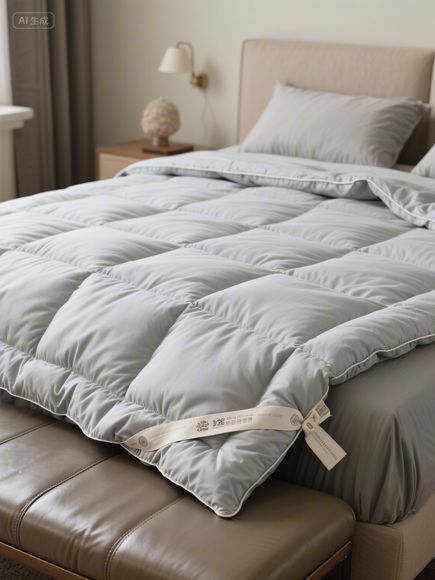
为了更好地说明佳羽纺织厂鸭绒被结团的优势,我们可以引入一个具体的案例,某次冬季测试中,某消费者购买了佳羽纺织厂的鸭绒被,使用后反馈良好,表示其结团效果非常好,保暖性能优异,这证明了佳羽纺织厂鸭绒被在结团性能方面的优秀表现。
(五)关于佳羽纺织厂鸭绒被产品的英文说明
佳羽纺织厂生产的鸭绒被以其出色的结团性能而备受赞誉,该产品采用优质鸭绒作为填充物,经过特殊工艺处理,使其在保暖性能的同时具备良好的结团效果,该产品还具有以下优势:
- 高品质鸭绒材料:采用高品质鸭绒作为填充物,确保了产品的保暖性能和舒适度。
- 优良的结团设计:经过特殊工艺处理,使得产品在存储和运输过程中不易散团。
- 耐用性强:采用先进的生产工艺和材料,确保了产品的耐用性,这意味着在使用过程中,该产品能够经受住各种恶劣环境条件,保持长久的使用寿命。
就是关于佳羽纺织厂鸭绒被产品的详细介绍和优势说明,希望能够帮助大家更好地了解这款产品。
Related articles
-

Unlock the Cozy Comfort of Premium Down Comforters:Your Guide to Fluffy Bliss
-
tle:Locating the Perfect Bedding Store in Zhongmu:A Guide to Finding Your Ideal Duvet and Quilt Customization Shop
-
The Ultimate Customized Quilt Core from the Source Factory
-

Why Your Feline Friend Might Be Obsessed With Down Comforters And Should Be!