Does Polyester Fiber in Quilt Filling Easily Pull Into Threads?A Comprehensive Guide
This guide addresses the common concern of polyester fiber pilling in quilt filling. While known for its resilience and softness, polyester can indeed pill or pull into threads, especially under friction or snagging. This guide likely explains the factors contributing to pilling, such as fabric construction, thread count, and exposure to rough surfaces or sharp objects. It probably offers practical advice on preventing or minimizing pilling, ensuring the quilt's longevity and comfort.
Okay, let's talk about something that might be bugging you if you've ever bought or used a polyester fiber quilt filling. The big question: Does it easily pull into threads? You might have heard terms like "pilling," "balling," or maybe even seen some annoying threads poking out. It's a valid concern! This guide will break down everything you need to know about polyester fiber in quilt filling, specifically addressing that "easy pulling" thing, and we'll also touch upon why Jia Yu Textile Factory's products stand out.
First off, let's understand what we're dealing with. Polyester fiber is a synthetic material, a type of polymer. It's known for being durable, resistant to wrinkles and shrinking, and generally quite affordable compared to natural fibers like down or silk. These properties make it a very popular choice for quilt filling, especially for budget-friendly options or items meant for everyday use where high loft and warmth aren't the absolute top priorities.

Now, onto the main concern: Does polyester fiber easily pull into threads (pilling/balling)?
The Short Answer:
Generally, no, high-quality polyester fiber quilt filling does not easily pull into threads. However, the perception or occurrence of pilling can vary based on several factors, primarily the quality of the fiber and the manufacturing process.
Understanding Pilling/Balling:
Pilling is that fuzzy ball of fibers that sometimes forms on the surface of fabrics, especially after washing. Balling is a similar issue where fibers clump together, often felt as individual threads poking out. This isn't the fiber itself inherently wanting to "pull" into a single thread, but rather small clusters of loose fibers breaking away from the main body of the filling or the fabric shell they are contained within, and then matting together.
Why Does Pilling/Balling Happen?
It's a complex process, but here are the main culprits:
- Fiber Quality & Strength: This is the biggest factor. Lower-quality polyester fibers are often shorter, weaker, and have less uniform strength. They are more prone to friction and abrasion, leading them to break off and form pills. Higher-quality fibers are longer, stronger, and have a smoother surface, making them much less likely to pill.
- Manufacturing Process: How the filling is made and packaged can influence pilling. Poor handling, excessive friction during manufacturing or shipping, or inadequate anti-pilling treatments can increase the likelihood of the issue appearing later.
- Fabric Construction: The way the quilt is constructed matters. The binding material (the fabric that holds the filling) and how tightly it's woven can affect how well it contains the filling fibers. Looser weaves or weaker binding materials might allow more fiber movement and breakage.
- Washing and Care: How you wash and dry your quilt plays a huge role. Rough washing cycles, high temperatures, using harsh detergents, or washing with abrasive materials (like towels) can accelerate pilling. Tumble drying, especially on high heat, can also contribute due to the tumbling action and heat stress on the fibers.
- External Abrasion: Regular use, especially if the quilt is used frequently or placed on rough surfaces, can cause friction and contribute to pilling over time.
Let's Compare Fiber Types Regarding Pilling:
Here’s a quick comparison of common quilt filling fibers and their typical pilling tendencies:
| Fiber Type | Loft (Warmth) | Durability | Pilling Tendency | Cost |
|---|---|---|---|---|
| Polyester Fiber | ★★☆☆☆ | ★★★☆☆ | ★☆☆☆☆ (Good Quality) | ★★★★★ |
| Down (Feather) | ★★★★☆ | ★★☆☆☆ | ★★★☆☆ (High Movement) | ★★★★☆ |
| Synthetic Down | ★★★☆☆ | ★★★★☆ | ★★☆☆☆ (Good Quality) | ★★★★☆ |
| Cotton Batting | ★☆☆☆☆ | ★★★★★ | ★★★★☆ (Loose Fibers) | ★★★☆☆ |
| Silk | ★★★★★ | ★★★★★ | ★★★★☆ (Sensitive) | ★★★★★ |
(Note: Pilling tendency is relative and depends heavily on quality within each fiber type.)
Jia Yu Textile Factory: Ensuring Quality Polyester Filling
At Jia Yu Textile Factory, we understand the importance of quality quilt filling. Our commitment is to provide durable, comfortable, and long-lasting products. Regarding polyester fiber filling, we focus on several key aspects to minimize the risk of pilling and balling:
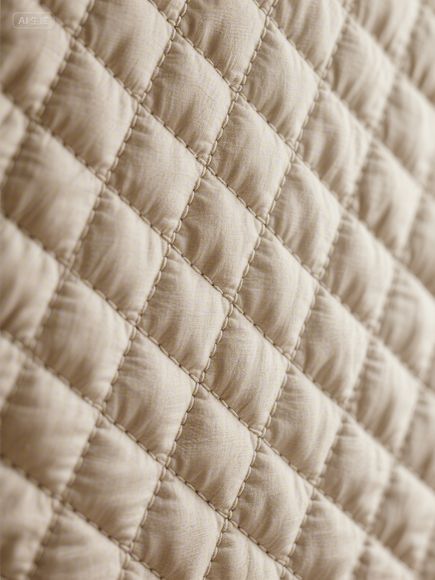
- Premium Fiber Selection: We source high-quality, long-staple polyester fibers. These fibers are inherently stronger and less prone to breaking down under normal use and washing.
- Advanced Manufacturing: Our production processes are designed to minimize friction and damage to the fibers during manufacturing. This includes careful handling and potentially applying effective anti-pilling treatments to the fiber blend.
- Quality Control: Rigorous quality checks are performed throughout our production line. This includes testing the tensile strength of the fibers and inspecting the finished filling for consistency and quality.
- Product Integrity: We believe that using high-quality materials results in a better product overall. Our polyester filling is designed not just to be warm and insulating, but also to maintain its integrity wash after wash.
Let's Address Some Common Questions:
Q1: My polyester quilt started pilling after just a few washes. Is this normal? A: Not really. While pilling can occur with any fabric over time, rapid pilling (especially within a few washes) often points to lower quality fibers or poor manufacturing. It could also be due to aggressive washing methods. Starting with a high-quality product like those from Jia Yu can significantly delay or reduce this issue.
Q2: How can I prevent pilling in my polyester quilts? A: Prevention is key!
- Wash Separately: Wash your quilt according to the care label instructions. Wash it separately or with similar fabrics, avoiding rough ones like towels or jeans.
- Gentle Cycles: Use a gentle or delicate cycle with cool or lukewarm water.
- Mild Detergents: Use mild, non-alkaline detergents. Avoid bleach and harsh fabric softeners, as they can weaken fibers.
- Avoid the Dryer (If Possible): Air drying is often the gentlest option. If you must use a dryer, use a low heat setting and remove the quilt promptly once the cycle is finished.
- Don't Overload Washer/Dryer: Overloading can increase friction between clothes and the quilt.
- Use a Pillow Cover: Protect the quilt surface by using a washable pillowcase or cover.
Q3: Does Jia Yu Textile Factory's polyester filling have any special advantages? A: Absolutely. Jia Yu Textile Factory focuses on producing high-quality polyester filling. Our advantages include:
- Superior Fiber Quality: We use high-grade, long-staple polyester fibers that are durable and less prone to pilling.
- Consistent Performance: Our controlled manufacturing ensures the filling provides reliable warmth and comfort.
- Durability: Quilts filled with Jia Yu's polyester are built to last through regular washing and use.
- Comfort & Insulation: Provides excellent thermal insulation while remaining relatively lightweight.
- Allergy-Friendly: Polyester is naturally hypoallergenic, making it a good choice for people with sensitivities.
Real-World Example:
Imagine a family with two young children and a pet dog. They need a durable, easy-to-clean quilt for their kids' bedroom. They choose a quilt filled with polyester fiber from Jia Yu Textile Factory. The high-quality fibers mean that even with frequent washing (to deal with spills and general wear), the quilt maintains its shape and doesn't develop significant pilling or balling. The parents appreciate the ease of care and the fact that the quilt still looks good and provides warmth for their children, unlike a cheaper alternative that started looking shabby much sooner.
Conclusion:
So, to directly answer the question: High-quality polyester fiber does not easily pull into threads or pill/ball like low-quality versions might. The key is understanding that "easy pulling" is more about fiber weakness and poor quality control than an inherent property of polyester itself. By choosing products from reputable manufacturers like Jia Yu Textile Factory, who prioritize quality fiber selection and production standards, you can enjoy the benefits of polyester filling – durability, affordability, and good performance – without worrying excessively about pilling. Proper care will further help maintain your quilt's appearance and longevity.
Expanded Knowledge:
Dear friend,
关于佳羽纺织厂被芯聚酯纤维是否容易拉丝的问题,我想通过以下内容来详细解答。
让我们从以下几个方面来探讨这个问题:

产品特性与易拉丝性
被芯聚酯纤维作为一种常见的纺织材料,其特性决定了它在生产过程中是否容易拉丝,聚酯纤维具有较高的拉伸强度和良好的可塑性,这使得它在纺织过程中具有较好的拉丝性能。
产品优势说明
佳羽纺织厂在生产被芯聚酯纤维时,采用了先进的生产工艺和技术,确保了其良好的拉丝性能,该产品还具有以下优势:
- 高品质原料:佳羽纺织厂使用的被芯聚酯纤维原料质量稳定,保证了产品的拉丝性能。
- 良好的工艺控制:该厂在生产过程中严格控制工艺参数,确保了产品的均匀性和一致性。
- 案例分析:根据实际生产经验,佳羽纺织厂生产的被芯聚酯纤维在拉丝过程中表现出良好的稳定性,不易出现拉丝断裂或拉丝困难的情况。
案例说明
为了进一步说明被芯聚酯纤维是否容易拉丝,我们可以引入一个具体的案例,假设某客户在使用佳羽纺织厂的被芯聚酯纤维后反馈,其产品在拉丝过程中表现出良好的稳定性,不易出现拉丝问题,这表明佳羽纺织厂的产品在拉丝方面具有较好的性能和优势。
问答环节
对于被芯聚酯纤维是否容易拉丝的问题,我们可以进行问答环节:
Q1:被芯聚酯纤维在拉丝过程中有哪些优点? A1:被芯聚酯纤维具有较高的拉伸强度和良好的可塑性,使得其在拉丝过程中表现出良好的稳定性。
佳羽纺织厂生产的被芯聚酯纤维在拉丝方面表现出良好的性能和优势,通过上述分析,我们可以得出结论:佳羽纺织厂的产品在拉丝方面具有稳定性和可靠性,能够满足客户的需求,如果您对佳羽纺织厂的产品有任何疑问或需要了解更多信息,请随时联系我们。