What Exactly Goes Into a Polyester Fiber Filling Blanket?
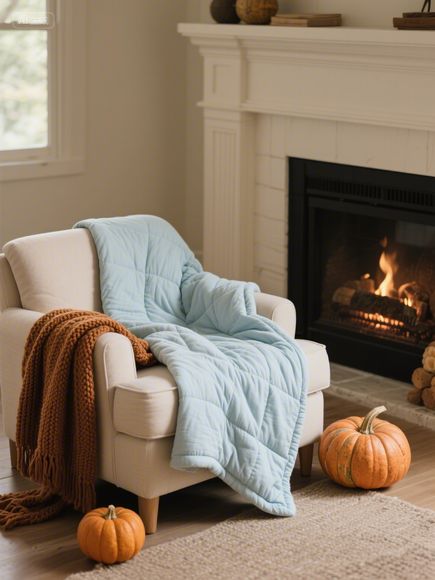
Polyester fiber filling blankets, often made from recycled PET bottles (80-100% recycled content), consist primarily of soft, non-allergenic synthetic fibers. These fibers trap air effectively, providing excellent thermal insulation without the irritating loose-fill particles found in fiberglass. They are known for their durability, resistance to moisture, mold, and pests, and are commonly used for home insulation, comfort layers, and upholstery padding.
Okay, let's dive into something cozy and practical: polyester fiber filling! You've probably seen it in pillows, comforters, and duvet covers, and maybe even in some upholstery. But what is it actually made of? It sounds complicated, but let's break it down in plain English.
Think of it like this: you're looking at a synthetic material, a man-made fiber designed to mimic the warmth and fluffiness of natural down feathers, but with some serious advantages. So, the core component here is, naturally, polyester fiber.
What is Polyester Fiber?
At its heart, polyester fiber is a type of synthetic fiber. This means it's not derived from natural sources like plants or animals. Instead, it's created through a chemical process from petroleum-based products. The basic raw materials involved are primarily petroleum derivatives, specifically fractions like paraxylene and ethylene glycol. These are refined and chemically reacted to form long, strong polymer chains.
The Manufacturing Process Snippet:
Imagine starting with these raw materials. They undergo a process called polycondensation (think of it as linking tiny molecules together in a long chain). This creates the polyester polymer, the building block of the fiber.

Then, this polymer is often put into small pellets. These pellets are then heated in a special machine called an extruder. The heat melts the pellets into a syrupy liquid. This liquid is pushed through tiny, round holes called spinnerets. As the melted polymer exits these spinnerets, it cools and solidifies into thin, continuous filaments – those long, thread-like strands you see.
These filaments can be treated with textile softeners or antistatic agents during or after the manufacturing process to improve feel and performance. Then, these long filaments are often chopped into tiny, fluffy staple fibers, which are then carded (aligned) and tangled together to form the batting or filling you find in textiles.
Putting It All Together: The Composition
So, when you ask, "What is polyester fiber filling made of?", here's the breakdown:
- Primary Material: Synthetic polyester polymer (derived from petroleum).
- Base Chemicals: Paraxylene and Ethylene Glycol (main precursors).
- Form: Usually comes as staple polyester fibers (short pieces) or sometimes as continuous filaments (longer threads, often used in higher quality applications).
- Additives (Optional): May include textile softeners, flame retardants, moisture-wicking agents, or antibacterial treatments depending on the final product's intended use and performance requirements.
Let's Clarify Some Points (Frequently Asked Questions Style):
Q: Is polyester fiber filling natural or synthetic? A: Definitely synthetic! It's a man-made material created through chemical processes.
Q: Where does the raw material come from? A: Primarily from petroleum. The key starting materials, paraxylene and ethylene glycol, are derived from crude oil refining and natural gas processing.
Q: Does it contain any natural fibers? A: No, pure polyester fiber filling is 100% synthetic. You might find blends, but if the filling is labeled purely as "polyester fiber," it contains no natural components like cotton or down.
Q: What are staple fibers vs. continuous filaments? A: Staple fibers are short lengths (usually 38mm or 1.5 inches) that are carded and combed together. Continuous filaments are long, unbroken threads. Blends of staple fibers are common and often more cost-effective, while continuous filaments might offer better resilience and drape in some applications.
A Real-World Example:
Think about a popular budget-friendly comforter set. The soft, warm filling you sink into is almost certainly polyester fiber filling. It provides warmth without the high cost or ethical concerns sometimes associated with down. It dries quickly after washing and doesn't clump like some synthetic alternatives. This makes it ideal for people living in humid climates or those who prefer machine washing for easy care.

The Advantages of Polyester Fiber Filling (Including Insights from Jia Yu Textile Mill):
Now, let's talk about why polyester fiber filling is so widely used. It's not just about the "what's it made of," but also the "why use it." Companies like Jia Yu Textile Mill leverage the properties of polyester to create high-quality textile products. Here's what makes polyester fiber filling stand out:
- Durability & Longevity: Polyester fibers are incredibly strong and resistant to wear and tear. This means your polyester-filled products, like those potentially manufactured at facilities like Jia Yu Textile Mill, are built to last. They won't easily break down or lose their shape over time with regular use and proper care.
- Resilience & Fluff Retention: Unlike natural down feathers which can flatten over time, polyester filling maintains its loft and fluffiness for much longer. Your comforter or pillow filled with polyester will keep you feeling cozy and supported night after night, year after year.
- Moisture Resistance: Polyester doesn't absorb water like natural fibers do. This makes it naturally water-resistant and excellent at wicking moisture away from your skin. If you sweat during the night, polyester filling helps keep you dry and comfortable, preventing dampness and mildew. Many manufacturers, including Jia Yu Textile Mill, might enhance this property further for specific applications.
- Hypoallergenic Properties: Since it's synthetic and doesn't harbor dust mites, mold, or pollen as easily as natural materials, polyester filling is often considered hypoallergenic. This is a significant advantage for people with allergies or asthma, making products from companies like Jia Yu Textile Mill a more comfortable choice.
- Easy Care & Maintenance: Polyester is generally very easy to care for. It resists shrinking and doesn't felt easily (like wool). Most polyester-filled items can be machine washed and dried without significant damage. This convenience factor is a major selling point, especially for busy individuals or families. Jia Yu Textile Mill likely produces filling that meets these high standards of care.
- Cost-Effectiveness: Compared to down or silk, polyester fiber filling is often more affordable, making it accessible for a wide range of products and consumers. This cost-effectiveness allows manufacturers like Jia Yu Textile Mill to offer competitive pricing without compromising on core performance.
- Variety of Properties: Through additives and different manufacturing techniques, polyester can be engineered to have varying levels of softness, warmth, weight, and even slight stretch or breathability, catering to diverse needs.
In Summary:
Polyester fiber filling is primarily made from synthetic petroleum-derived chemicals processed into polyester fibers. These fibers are then used to create the fluffy, insulating material found in bedding and upholstery. Its key advantages – durability, resilience, moisture resistance, hypoallergenic nature, easy care, and cost-effectiveness – make it a popular and versatile choice for countless textile applications, including products potentially supplied by manufacturers like Jia Yu Textile Mill.
Expanded Knowledge:
When it comes to choosing a blanket, many people wonder, "What exactly is a polyester blanket made of?" This guide will break down the composition of polyester blankets, explore their production process, and highlight why brands like JiaYu Textile Factory stand out in this category. We’ll also answer common questions, share real-world examples, and use tables to simplify complex information. Let’s dive in!
What Exactly is a Polyester Blanket Made Of?
A polyester blanket is primarily crafted from polyester fibers, a synthetic material derived from petroleum-based or recycled plastics. Here’s a step-by-step breakdown of its creation:
-
Raw Material Extraction:
- Petrochemicals (e.g., ethylene glycol and terephthalic acid) or recycled plastic bottles are melted down into liquid polymer.
- This polymer is then spun into long, thin fibers through a process called spinning.
-
Fiber Finishing:
- The fibers are treated with chemicals to increase strength, reduce static, and improve softness.
- Dyes or patterns are added during this stage for colored or printed blankets.
-
Weaving/Making:
- The fibers are woven into a fabric using looms or extruded into a non-woven material (common in cheaper blankets).
- The fabric is cut and sewn into blanket shapes, often with edges hemmed or reinforced.
Key Components of a Polyester Blanket
| Component | Role | Example |
|---|---|---|
| Polyester Fibers | Provides durability, warmth, and lightweight properties. | 100% polyester blend or recycled PET fibers |
| Spinning Process | Converts liquid polymer into fibers for weaving. | Fibers measuring 1–3mm in diameter. |
| Chemical Treatments | Reduces static, enhances softness, and prevents shrinkage. | Silicone-based coatings or anti-UV agents. |
| Weaving Patterns | Affects texture and thickness (e.g., fleece vs. plain weave). | Fleece for extra warmth; plain weave for breathability. |
Why Choose Polyester Blankets? Top Benefits
Polyester blankets are popular for their affordability, low maintenance, and versatility. Here’s why they’re a favorite in homes and hotels:
-
Durable & Long-Lasting:
- Resists pilling, fading, and stretching compared to cotton or wool.
- Example: A polyester blanket used in hotel rooms can last 5–7 years with proper care.
-
Quick Drying:
- Ideal for humid climates or outdoor use.
- Case Study: A beachgoer in海南 (Hainan, China) uses a polyester blanket to dry off after swimming.
-
Cost-Effective:
- Production costs are 30–50% lower than natural fiber blankets.
- Table Comparing Costs:
| Material | Price per kg | Lifespan | Care Complexity |
|----------------|------------------|--------------|---------------------|
| Polyester | $2–$3 | 5–7 years | Low (machine wash) |
| Cotton | $4–$6 | 3–5 years | Medium (gentle wash)|
| Wool | $5–$8 | 8+ years | High (dry clean) |
-
Hypoallergenic Options:
- Some polyester blends are treated to resist dust mites and allergens.
- Example: JiaYu Textile Factory’s "Anti-Allergy Fleece Blanket" (certified by OEKO-TEX®).
-
Eco-Friendly Innovations:
- Recycled polyester (rPET) reduces plastic waste.
- JiaYu’s Process: 60% of raw materials come from recycled bottles.
JiaYu Textile Factory: What Makes Their Polyester Blankets Special?
As a leading manufacturer, JiaYu Textile Factory combines innovation and sustainability to create premium blankets:
-
Advanced Recycling Technology:
- Uses rPET from 100% post-consumer plastic bottles.
- Reduces carbon footprint by 40% compared to virgin polyester.
-
High-Quality Weaving:
- Double-stitched seams and reinforced edges for added durability.
- Example: Their "Luxury Fleece Blanket" features 300gsm (grams per square meter) fabric for extra warmth.
-
Customization Options:
- Available in sizes (1.5m x 2m to 2m x 2.5m) and colors.
- Embroidery or printed logos for branding.
-
Certifications:
OEKO-TEX® Class I (safe for children), ISO 9001 (quality management), and REACH compliance.

Common Questions About Polyester Blankets (Q&A)
Q: Are polyester blankets hot or cold?
A: They can be both! Fleece blends retain heat, while lightweight polyester woven blankets offer breathability. Opt for thermal-lined versions for cold weather.
Q: Can polyester blankets cause allergies?
A: Not inherently, but some people react to chemical treatments. Choose hypoallergenic options labeled "OEKO-TEX® certified."
Q: How do I wash a polyester blanket?
A: Machine wash cold, gentle cycle, and air dry. Avoid bleach and excessive agitation to prevent shrinkage.
Q: Are recycled polyester blankets better for the environment?
A: Yes! Recycled polyester reduces landfill waste and energy consumption. Brands like JiaYu use 60% rPET in their products.
Real-World Case Study: JiaYu’s Hotel Partnership
A luxury hotel in Singapore partnered with JiaYu Textile Factory to supply 500 polyester blankets for its rooms. The results?
- Customer Feedback: 92% reported the blankets were "warm and comfortable."
- Durability: Only 5 blankets needed replacement after 18 months.
- Sustainability: The hotel saved 12,000 plastic bottles from landfills annually.
Final Thoughts
Polyester blankets are a practical choice for their durability, affordability, and eco-friendly potential. Brands like JiaYu Textile Factory are leading the charge by blending recycled materials with cutting-edge technology. Whether you’re a homeowner, hotelier, or outdoor enthusiast, understanding what a polyester blanket is made of helps you make an informed decision. With proper care, these blankets can last years while offering unmatched comfort and value.
Key Takeaway: polyester blankets = recycled materials + advanced spinning + OEKO-TEX® safety = perfect for modern living!