Silk vs.Polyester Fiber Quilts:Which One Is Right for You?
Choosing between silk and polyester fiber quilts depends on your priorities. Silk offers a luxurious drape, breathability, and temperature regulation, making it ideal for those seeking a premium feel. However, it comes with a higher price tag and requires more delicate care. Polyester fiber quilts, on the other hand, are more budget-friendly, durable, and resistant to wrinkles, providing crispness and easy maintenance. They may lack the natural softness of silk but excel in practicality. Consider your budget, desired comfort level, and how often you'll launder your bedding to decide which option suits you best.
本文目录导读:
- What Are Silk Quilts?
- What Are Polyester Fiber Quilts?
- Silk vs. Polyester Fiber Quilts: A Comparison
- Jia Yu Textile Factory: A Leader in Quality Quilts
- Frequently Asked Questions (FAQs)
- Real-Life Example: Sarah’s Experience
- Conclusion
When it comes to choosing a quilt, the options can be overwhelming. Two popular choices that often come up are silk and polyester fiber quilts. Both have their own set of advantages and disadvantages, and the best choice really depends on your personal preferences and needs. In this article, we’ll explore the characteristics of each, compare them side by side, and even touch on why products from a reputable manufacturer like Jia Yu Textile Factory might stand out. Let’s dive in!
What Are Silk Quilts?
Silk quilts are made from natural silk fibers, which are harvested from silkworms. These quilts are known for their luxurious feel, breathability, and temperature-regulating properties. Silk is a protein fiber that has a natural ability to adapt to temperature changes, making it a popular choice for people who sleep hot or live in climates with varying temperatures.
Advantages of Silk Quilts
- Softness and Comfort: Silk is incredibly soft and smooth, making it a great choice for people with sensitive skin.
- Breathability: Silk quilts allow air to circulate, keeping you cool in the summer and warm in the winter.
- Durability: High-quality silk quilts can last for years with proper care.
- Hypoallergenic: Silk is naturally resistant to dust mites and other allergens.
Disadvantages of Silk Quilts
- Cost: Silk quilts are generally more expensive than their synthetic counterparts.
- Care Requirements: Silk quilts require special care, such as dry cleaning or hand washing, to maintain their quality.
- Availability: Silk quilts may not be as widely available as polyester fiber quilts.
What Are Polyester Fiber Quilts?
Polyester fiber quilts are made from synthetic fibers, which are man-made from petroleum-based materials. These quilts are known for their affordability, durability, and resistance to wrinkles and shrinking.
Advantages of Polyester Fiber Quilts
- Affordability: Polyester fiber quilts are much cheaper than silk quilts, making them accessible to a wider range of consumers.
- Durability: Polyester fibers are strong and resistant to wear and tear, making these quilts long-lasting.
- Easy Care: Polyester fiber quilts can be machine washed and dried, making them very convenient for everyday use.
- Color Retention: Polyester quilts maintain their color even after multiple washes.
Disadvantages of Polyester Fiber Quilts
- Breathability: Polyester is not as breathable as silk, which can make it feel stuffy in warmer climates.
- Heat Retention: Polyester quilts can trap heat, making them less ideal for people who sleep hot.
- Environmental Impact: Polyester is derived from non-renewable resources and is not biodegradable.
Silk vs. Polyester Fiber Quilts: A Comparison
To help you make an informed decision, let’s compare silk and polyester fiber quilts across several key factors:
| Feature | Silk Quilts | Polyester Fiber Quilts |
|---|---|---|
| Comfort | Soft, luxurious feel; temperature-regulating | Durable, but may retain heat |
| Breathability | Excellent; allows air to circulate | Limited; may feel stuffy |
| Cost | Higher; more expensive upfront | Lower; more affordable |
| Care | Special care required; dry cleaning recommended | Easy care; machine washable |
| Durability | High; can last for years with proper care | High; resistant to wear and tear |
| Allergenicity | Hypoallergenic; naturally resistant to dust mites | May attract dust mites and other allergens |
| Environmental Impact | Biodegradable; sustainable if sourced responsibly | Not biodegradable; derived from non-renewable resources |
Jia Yu Textile Factory: A Leader in Quality Quilts
When it comes to choosing a high-quality quilt, whether it’s silk or polyester fiber, the manufacturer plays a crucial role. Jia Yu Textile Factory is a well-known name in the textile industry, specializing in the production of premium quilts. Their products are designed to meet the highest standards of quality and comfort.
Why Choose Jia Yu Textile Factory?
- High-Quality Raw Materials: Jia Yu uses only the finest raw materials, ensuring that their quilts are durable and comfortable.
- Advanced Production Technology: Their state-of-the-art production facilities allow them to create quilts with precision and consistency.
- Stringent Quality Control: Every quilt undergoes rigorous quality checks to ensure it meets their high standards.
- Customer Satisfaction: Jia Yu is committed to customer satisfaction, offering excellent after-sales service and support.
For example, one of their popular silk quilts is the "Silky Luxe" series, which combines the natural benefits of silk with modern design. Customers rave about how soft and breathable these quilts are, especially during hot summer nights. On the other hand, their polyester fiber quilts, like the "SoftStay" series, are perfect for those who want affordability without compromising on comfort.
Frequently Asked Questions (FAQs)
Q1: Are silk quilts better than polyester fiber quilts? A: It really depends on your personal needs. Silk quilts are luxurious and breathable, but they come with a higher price tag and require special care. Polyester fiber quilts are more affordable and easier to care for, but they may not be as breathable. Consider your budget, climate, and lifestyle when making your decision.
Q2: How long do silk quilts last? A: With proper care, a high-quality silk quilt can last anywhere from 5 to 10 years. Polyester fiber quilts typically last 3 to 5 years.
Q3: Can polyester fiber quilts be used in all seasons? A: Polyester fiber quilts are best suited for moderate climates. In very hot or cold weather, they may not provide the same level of comfort as silk or other natural fibers.
Q4: Are silk quilts hypoallergenic? A: Yes, silk is naturally hypoallergenic and is a great choice for people with allergies or sensitive skin.
Real-Life Example: Sarah’s Experience
Sarah, a customer from the United States, recently purchased a silk quilt from Jia Yu Textile Factory. She had been struggling with sleepless nights due to hot flashes. After switching to a silk quilt, she noticed a significant improvement in her sleep quality. "The silk quilt kept me cool during the night and woke me up feeling refreshed," she shared. "It’s definitely worth the investment."
On the other hand, John, a busy professional from the UK, opted for a polyester fiber quilt from Jia Yu. He appreciated the affordability and durability of the product. "I don’t have the time or resources to invest in high-end silk quilts, but this polyester fiber quilt has been performing exceptionally well for me," he noted.
Conclusion
Choosing between a silk quilt and a polyester fiber quilt ultimately comes down to your personal preferences and needs. Silk quilts offer luxury, breathability, and hypoallergenic properties, but they come with a higher price tag and require special care. Polyester fiber quilts are affordable, durable, and easy to maintain, but they may not be as breathable or temperature-regulating.
If you’re looking for a quilt that combines quality, comfort, and affordability, Jia Yu Textile Factory is a fantastic option. Their commitment to quality and customer satisfaction ensures that you’ll be getting a product that’s built to last. Whether you choose silk or polyester fiber, the key is to find a quilt that suits your lifestyle and needs. Sweet dreams!
Expanded Knowledge:
Introduction
In today's world, people are becoming increasingly discerning about the materials they use for their bedding, and blankets made from silk and polyester fiber are popular choices. But are these two materials really the best option for you? Let's explore the advantages and disadvantages of each, and see which one might be better suited for your needs.

Pros of Silk Blankets
Silk is a natural material that has been cherished for centuries for its luster, softness, and comfort. Here are some of the key advantages of silk blankets:
-
Luxurious Feel: Silk blankets feel incredibly smooth and luxurious against your skin, making them a favorite for those who value a sumptuous night's sleep.
-
Breathability: Silk is a good insulator, but it also allows air to pass through, keeping your body cool during sleep.
-
Durability: Silk is a strong and durable material, making it a long-lasting choice for blankets.
-
Eco-Friendly: Silk production is more environmentally friendly compared to synthetic fibers like polyester, as it requires less water and energy.
-
Color and Pattern: Silk blankets come in a wide range of colors and patterns, allowing you to choose one that suits your taste.
Cons of Silk Blankets
Despite their many advantages, there are also some downsides to consider:

-
Cost: Silk blankets can be quite expensive, often more than polyester blankets.
-
Weight: Silk is heavier than polyester, which might make it less comfortable for some people, especially if you prefer a lighter blanket.
-
Shrinkage: Silk can shrink after washing, which might reduce its length and effectiveness over time.
-
Allergies: Some people may be allergic to silk, which could be a concern if you have allergies.
Pros of Polyester Fiber Blankets
Polyester fiber is a synthetic material that has become increasingly popular due to its affordability and durability. Here are some of the key advantages of polyester fiber blankets:
-
Affordability: Polyester blankets are generally more affordable than silk blankets, making them a more budget-friendly option.
-
Lightweight: Polyester is lighter than silk, which can make it more comfortable for some people, especially if you prefer a lighter blanket.
-
Durability: Polyester is a strong and durable material, making it a long-lasting choice for blankets.
-
Non-Slip: Polyester fibers have a non-slip surface, which can help prevent slipping out of bed.
-
Low Allergenic Properties: Polyester is less likely to cause allergic reactions than silk, making it a good choice for people with allergies.
Cons of Polyester Fiber Blankets
However, polyester fiber blankets also have some downsides to consider:
-
Lack of Breathability: Polyester is a poor insulator, so it doesn't allow air to pass through as much as silk, which can make you feel warmer but also more stuffy during sleep.
-
Shrinkage: Polyester can shrink after washing, which might reduce its length and effectiveness over time.
-
Chemical Residue: Some polyester blankets may release chemicals into the air during washing, which could be a concern for people with sensitive skin.
-
Color and Pattern: While polyester blankets come in a wide range of colors and patterns, they may not be as visually appealing as silk blankets.
Comparison Table

| Material | Advantages | Disadvantages |
|---|---|---|
| Silk | Luxurious feel, breathable, durable, eco-friendly, wide range of colors and patterns | Expensive, heavier, shrinkage after washing, potential allergies |
| Polyester Fiber | Affordable, lightweight, durable, non-slip, low allergenic properties | Lack of breathability, shrinkage after washing, possible chemical residue, limited color and pattern variety |
Case Example
Let's take a look at a real-life example to see the difference between silk and polyester fiber blankets. Imagine you are shopping for a new blanket for your bedroom. You want something that is both comfortable and affordable. After checking out some options, you find a silk blanket that feels incredibly soft and luxurious against your skin. It's also lightweight and durable, making it perfect for your needs. However, it's a bit more expensive than a polyester fiber blanket. On the other hand, if you're on a budget, a polyester fiber blanket could be a good choice. It's affordable, lightweight, and durable, though it may lack the luxury feel and breathability of a silk blanket.
Conclusion
In conclusion, both silk and polyester fiber blankets have their own unique advantages and disadvantages. If you value luxury, breathability, and eco-friendliness, a silk blanket might be the better choice for you. However, if you're looking for a more affordable, lightweight, and durable option, a polyester fiber blanket could be a good fit. Ultimately, the best choice depends on your personal preferences and budget.
Questions and Answers
Q1: Are there any health risks associated with using silk blankets? A1: There are no known health risks associated with using silk blankets. However, some people may be allergic to silk, which could cause skin reactions.
Q2: Can I wash silk blankets without worrying about shrinking? A2: Yes, you can wash silk blankets, but it's important to follow the care instructions carefully to prevent shrinking. It's best to hand-wash silk blankets in cold water with a gentle detergent and let them air dry.
Q3: How do I know if a polyester fiber blanket is made from sustainable materials? A3: Look for certifications like GOTS (Global Organic Textile Standard) or OEKO-TEX, which indicate that the polyester fiber is made from sustainable materials and is safe for use in clothing and other products.
Q4: Are there any alternatives to silk and polyester fiber blankets? A4: Yes, there are other materials you can consider, such as cotton, bamboo, and wool blankets. Each material has its own unique advantages and disadvantages, so it's important to research before making a decision.
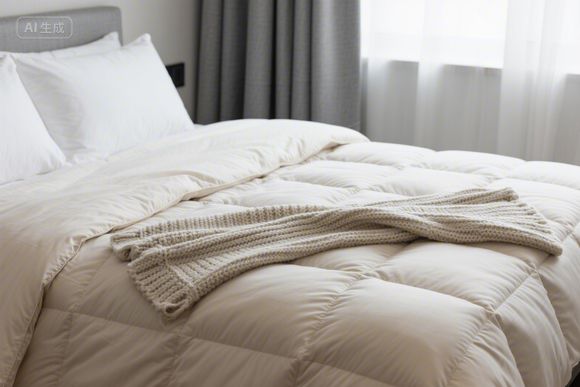
Additional Information
For more information about the benefits of silk and polyester fiber blankets, you can visit the website of a company that specializes in these products. They may offer additional insights and tips to help you choose the right blanket for your needs. Additionally, you can read customer reviews and testimonials to get a better idea of the quality and performance of different blankets.
In conclusion, whether silk or polyester fiber blankets are the better choice depends on your personal preferences and budget. By understanding the advantages and disadvantages of each material, you can make an informed decision that meets your needs and lifestyle.