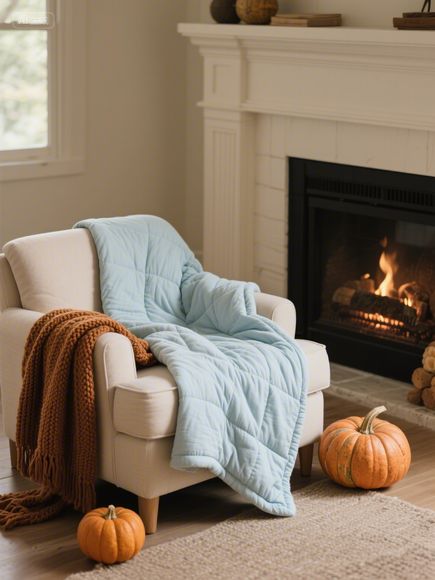
Choosing the Perfect Comforter:Pure Cotton vs.Polyester Fiber Filling
Choosing the perfect comforter involves weighing pure cotton and polyester fiber fillings. Cotton offers a soft, breathable, natural feel, hypoallergenic properties, and temperature regulation, though it can be heavier and prone to pilling. Polyester, a synthetic blend, provides warmth, durability, and resistance to compression and moisture, often being lighter and easier to care for, but may feel less natural and trap heat more. The ideal choice depends on desired feel, climate, and maintenance preferences.
Hey everyone! Ever looked at the different types of comforters available and felt a bit overwhelmed? It seems like there are so many options, and figuring out which one is right for you can feel like a chore. Today, we're diving deep into two popular contenders: pure cotton comforters and those filled with polyester fiber. Understanding the differences can make a huge difference in your sleep quality and overall comfort. Let's break it down!
What Are We Talking About?
First off, let's clarify what we mean by "filling." The filling is the material inside the comforter that gives it its warmth, feel, and overall performance. So, when you hear "pure cotton comforter," you're talking about a comforter where the filling is made entirely from natural cotton fibers. On the other hand, a "polyester fiber comforter" uses synthetic fibers, often made from petroleum, as its filling material.
Now, why does the filling matter so much? Well, it affects how the comforter feels against your skin, how well it regulates temperature, how easy it is to care for, and even how long it lasts. So, let's explore the pros and cons of each type.
The Great Debate: Pure Cotton vs. Polyester Fiber
Let’s start with a quick comparison to get a high-level overview. Here’s a table summarizing the key differences:
| Feature | Pure Cotton Comforter | Polyester Fiber Comforter |
|---|---|---|
| Material Source | Natural, renewable plant-based | Synthetic, petroleum-based |
| Breathability | Excellent, allows air to circulate | Poor, can trap heat and moisture |
| Moisture Absorption | High, absorbs and releases moisture | Low, resists moisture absorption |
| Durability | Good, but can pilling over time | Excellent, resistant to wear and tear |
| Care & Maintenance | Requires gentle washing, may shrink | Machine washable, dries quickly |
| Hypoallergenic | Generally yes, but can harbor dust mites | Often treated to be hypoallergenic |
| Cost | Generally higher | Generally lower |
Now, let’s dive into each feature in more detail.
Material Source and Composition
-
Pure Cotton Comforter: Made from 100% natural cotton fibers. Cotton is a renewable resource and is known for its softness and breathability. It’s a popular choice for people who prefer natural materials and want a product that’s gentle on the skin.
-
Polyester Fiber Comforter: Made from synthetic fibers, typically derived from petroleum. These fibers are engineered to be durable, resistant to wrinkles, and easy to care for. Polyester is a go-to for many because it’s affordable and performs well in various conditions.
Breathability and Comfort
-
Pure Cotton: Cotton is a breathable fabric, meaning it allows air to circulate freely. This makes it ideal for people who tend to sleep hot or live in warmer climates. Cotton comforters are known for their soft, natural feel, which many find comforting and luxurious.

-
Polyester Fiber: Polyester is not as breathable as cotton. It tends to trap heat and moisture, which can make it feel stuffy and uncomfortable, especially during warmer months. However, some polyester blends are designed to mimic the feel of cotton, offering a more breathable option.
Moisture Absorption and Wicking
-
Pure Cotton: Cotton has excellent moisture-wicking properties. It absorbs and releases moisture effectively, making it a great choice for people who sweat a lot during sleep. This also means that cotton comforters are less likely to feel damp or clammy.
-
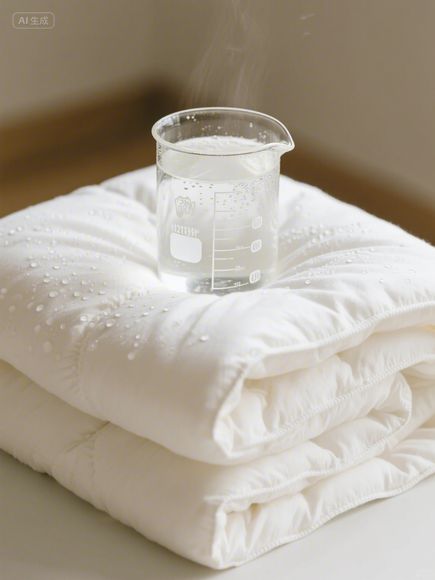
Polyester Fiber: Polyester does not absorb moisture well. It’s hydrophobic, meaning it repels water. While this can be a pro in rainy conditions (it won’t get soggy), it can also make the comforter feel sticky and uncomfortable if you tend to sweat.
Durability and Longevity
-
Pure Cotton: Cotton comforters are durable but can develop pilling (little balls of fiber) over time, especially with frequent washing. They also have a tendency to shrink if not cared for properly.
-
Polyester Fiber: Polyester is known for its durability and resistance to wear and tear. It doesn’t shrink easily and can withstand multiple washes without losing its shape. This makes it a long-lasting option, especially for those who want a comforter that lasts.
Care and Maintenance
-
Pure Cotton: Cotton comforters require gentle washing and drying. They can shrink if exposed to high heat, so it’s important to follow the care instructions carefully. Ironing may also be necessary to remove wrinkles.
-
Polyester Fiber: Polyester comforters are generally easy to care for. They can be machine washed and dried without much worry about shrinking or damage. They also dry quickly, making them a convenient choice for busy individuals.
Hypoallergenic Properties
-
Pure Cotton: Cotton is naturally hypoallergenic, making it a good choice for people with allergies or sensitive skin. However, it can still harbor dust mites if not properly maintained.
-
Polyester Fiber: Many polyester comforters are treated with hypoallergenic properties. They are less likely to attract dust mites and other allergens, making them a great option for allergy sufferers.
Cost and Value
-
Pure Cotton: Generally, pure cotton comforters are more expensive than their polyester counterparts. However, they often provide better quality and longevity, making them a worthwhile investment for those who prioritize natural materials and comfort.
-
Polyester Fiber: Polyester comforters are typically more affordable. They offer good value for money, especially for those who need a durable, easy-to-care-for comforter without breaking the bank.
Frequently Asked Questions (FAQ)
Q1: Which comforter is better for hot sleepers?
A: If you tend to sleep hot, a pure cotton comforter is likely the better choice. Cotton is breathable and allows air to circulate, keeping you cool throughout the night. Polyester, on the other hand, can trap heat and moisture, making it less ideal for hot sleepers.
Q2: Are polyester comforters more durable than cotton ones?
A: Yes, polyester comforters are generally more durable and resistant to wear and tear. They don’t shrink easily and can withstand multiple washes without losing their shape. Cotton comforters, while durable, can develop pilling and may shrink if not cared for properly.
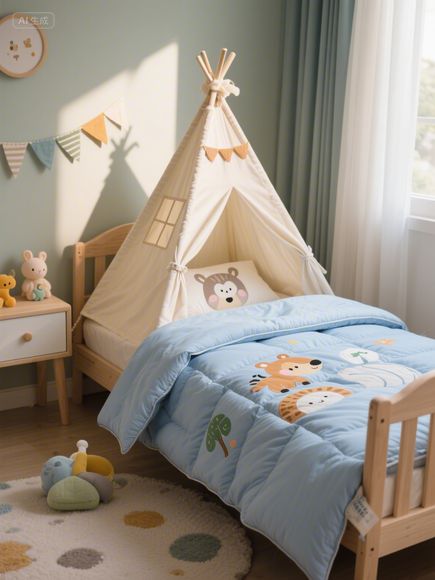
Q3: Can polyester comforters be used year-round?
A: It depends on the thickness and filling. Lighter polyester comforters can be used in warmer months, but they may not provide enough warmth in colder climates. Thicker polyester comforters are better suited for colder weather but can feel stuffy in warmer temperatures.
Q4: Are pure cotton comforters hypoallergenic?
A: Yes, pure cotton is naturally hypoallergenic. However, it’s important to wash and maintain your comforter regularly to prevent the buildup of dust mites and other allergens.
Q5: How often should I wash my comforter?
A: It’s generally recommended to wash your comforter every 1-2 months, depending on usage. If you sweat a lot or live in a dusty environment, you may need to wash it more frequently.
Real-World Examples: Case Studies
Case Study 1: The Hotel Chain
A well-known hotel chain decided to switch from cotton to polyester fiber comforters in their guest rooms. The goal was to find a balance between durability, cost-effectiveness, and guest comfort. After testing several options, they found that the polyester comforters were more resistant to wear and tear, easier to clean, and provided consistent warmth year-round. The switch resulted in reduced maintenance costs and higher guest satisfaction scores.
Case Study 2: The Family with Allergies
A family with multiple members suffering from allergies switched to a hypoallergenic polyester comforter. The comforter was treated to resist dust mites and other allergens, providing a more comfortable and healthier sleep environment. The family reported fewer allergy symptoms and better sleep quality after making the switch.
The Verdict: Which One Should You Choose?
So, which comforter is right for you? It really depends on your personal preferences and needs. If you prioritize breathability, natural materials, and a luxurious feel, a pure cotton comforter might be the way to go. On the other hand, if you need something durable, easy to care for, and affordable, a polyester fiber comforter could be the better choice.
At Jia Yu Textile Factory, we understand the importance of choosing the right comforter for your sleep. Our pure cotton comforters are crafted with the finest materials, ensuring you get a product that’s soft, breathable, and long-lasting. Our polyester fiber comforters are designed to be durable, hypoallergenic, and easy to maintain, making them perfect for everyday use.
Whether you choose pure cotton or polyester fiber, the key is to select a comforter that meets your specific needs. By understanding the differences between these two popular filling types, you can make an informed decision and enjoy a better night’s sleep.
Jia Yu Textile Factory: Your Trusted Partner in Quality Comfort
At Jia Yu Textile Factory, we pride ourselves on providing high-quality comforters that meet the highest standards of comfort, durability, and affordability. Our commitment to excellence ensures that every product we offer is crafted with care and precision, giving you peace of mind and a better sleep experience.
So, whether you’re looking for the softness of pure cotton or the practicality of polyester fiber, Jia Yu Textile Factory has you covered. Sleep well, and happy dreaming!
Expanded Knowledge:
The Comparative Advantages of Cotton and Polyester Fiber in Comfortable Sleepwear: A Case Study of Jiayu Textile Factory
In today's world, sleep quality is closely linked to the comfort of sleepwear. Among the various materials used in sleepwear, cotton and polyester fiber stand out for their distinct properties that cater to different needs. Jiayu Textile Factory, a leader in the textile industry, offers a range of comfortable sleepwear made from these materials. This essay will explore the comparative advantages of cotton and polyester fiber in sleepwear, with a focus on their benefits and how they differ in providing comfort and durability.
The Composition and Properties of Cotton and Polyester Fiber
Cotton, a natural fiber, is known for its breathability, softness, and absorbency. It is grown in various climates around the world and is known for its natural moisture-wicking properties, which help keep the body cool during sleep. On the other hand, polyester fiber, a man-made material, is known for its durability, strength, and resistance to pilling and shrinking. It is created by the polymerization of ethylene glycol and propylene oxide.
Advantages of Cotton in Sleepwear
-
Breathability: Cotton fibers allow for better air circulation around the body, which helps regulate body temperature and keeps the skin dry. This is particularly beneficial during hot weather or when sleeping in a hot environment.
-
Softness and Comfort: Cotton is known for its gentle and soothing texture, making it a popular choice for those who value comfort in their sleepwear. The softness of cotton also makes it suitable for sensitive skin.
-
Moisture Wicking: Cotton fibers have a natural ability to absorb moisture, which helps keep the skin dry and reduces the risk of acne and other skin issues.
-
Hypoallergenic: Cotton is less likely to trigger allergic reactions compared to synthetic fibers, making it a good choice for individuals with allergies or sensitive skin.
Advantages of Polyester Fiber in Sleepwear
-
Durability: Polyester fibers are known for their strength and durability, making them resistant to pilling, shrinking, and tears. This ensures that the sleepwear remains looking fresh and comfortable over time.
-
Stiffness and Structure: Polyester fibers provide a structured and stiff texture, which can offer a more supportive and firm sleeping surface. This can be particularly beneficial for individuals who prefer a more rigid and supportive sleepwear.
-
Moisture Resistance: While polyester is not as breathable as cotton, it is more moisture-wicking than cotton, making it suitable for use in humid environments. However, it does not absorb moisture as much as cotton, so it may not be the best choice for hot climates.
-
Cost-Effectiveness: Polyester fibers are generally more cost-effective than cotton, making them a more affordable option for manufacturers and consumers alike.
Case Study: Jiayu Textile Factory's Sleepwear Collection
Jiayu Textile Factory has been producing high-quality sleepwear for many years, utilizing both cotton and polyester fibers to meet the diverse needs of its customers. The factory's sleepwear collection includes a variety of styles, from casual pajamas to formal nightgowns, all made from the best materials available.
For example, the factory's cotton pajama sets are designed for comfort and breathability. The cotton fibers in these sets allow for better air circulation, keeping the body cool and dry throughout the night. The soft and soothing texture of the cotton makes them suitable for sensitive skin, while the moisture-wicking properties of the cotton help keep the skin dry and reduce the risk of acne and other skin issues.
On the other hand, the factory's polyester nightgowns are designed for durability and support. The polyester fibers in these sets provide a structured and firm sleeping surface, offering a more supportive and firm sleeping experience. The moisture-resistant properties of the polyester make it suitable for use in humid environments, while the cost-effectiveness of the polyester fibers makes it a more affordable option for consumers.
Comparative Analysis of Cotton and Polyester Fiber in Sleepwear
As we have seen, both cotton and polyester fiber have their own unique advantages when it comes to sleepwear. Cotton is renowned for its breathability, softness, and moisture-wicking properties, making it a popular choice for those who prioritize comfort and breathability in their sleepwear. On the other hand, polyester fiber is known for its durability, strength, and moisture resistance, making it a good choice for those who prioritize durability and support in their sleepwear.
When choosing sleepwear, it is important to consider individual needs and preferences. For example, if you prioritize comfort and breathability, then cotton sleepwear may be the better choice for you. However, if you prioritize durability and support, then polyester sleepwear may be the better choice for you.
Conclusion
In conclusion, both cotton and polyester fiber have their own unique advantages when it comes to sleepwear. Cotton is known for its breathability, softness, and moisture-wicking properties, making it a popular choice for those who prioritize comfort and breathability in their sleepwear. Polyester fiber, on the other hand, is known for its durability, strength, and moisture resistance, making it a good choice for those who prioritize durability and support in their sleepwear.
At Jiayu Textile Factory, we are committed to providing high-quality sleepwear that meets the diverse needs of our customers. Our sleepwear collection features a variety of styles and materials, from cotton to polyester, ensuring that we have something for everyone. Whether you are looking for comfort and breathability or durability and support, we have the perfect sleepwear for you.
FAQs
Q1: What is the difference between cotton and polyester fiber in sleepwear? A1: Cotton and polyester fiber have different properties and advantages when it comes to sleepwear. Cotton is breathable, soft, and moisture-wicking, while polyester is durable, strong, and moisture-resistant.
Q2: Which material is better for hot climates? A2: Cotton is more breathable than polyester, making it a better choice for hot climates. However, polyester is still a good choice for humid environments.
Q3: Can I wear polyester sleepwear in the washing machine? A3: Yes, you can wear polyester sleepwear in the washing machine, but it is important to follow the care instructions to avoid damaging the fibers.
Q4: How does cotton sleepwear feel compared to polyester sleepwear? A4: Cotton sleepwear feels soft and soothing, while polyester sleepwear feels firm and supportive. It depends on your personal preferences and needs.
Product Features of Jiayu Textile Factory's Sleepwear
Here are some features of Jiayu Textile Factory's sleepwear that make it stand out:
-
High Quality Materials: All of our sleepwear is made from high-quality materials, ensuring durability and comfort.
-
Variety of Styles: We offer a wide range of styles, from casual pajamas to formal nightgowns, to suit different occasions and preferences.
-
Comfortable Fit: Our sleepwear is designed to fit comfortably, ensuring a good night's sleep for you.
-
Easy Care: Our sleepwear is easy to care for, with simple care instructions that save you time and effort.
-
Affordable Prices: We offer competitive prices without compromising on quality, making our sleepwear accessible to a wide range of customers.
In conclusion, Jiayu Textile Factory's sleepwear combines the best of both worlds, offering the best of both cotton and polyester fiber in terms of comfort, durability, and support. We are confident that our sleepwear will meet your needs and provide you with a good night's sleep.