How to Wash Polyester Fiber-Filled Comforters:A Comprehensive Guide
Washing polyester fiber-fill comforters is generally straightforward. They are machine washable, typically using warm water and a gentle or normal cycle with a mild detergent. Avoid harsh chemicals or bleach. While line drying is an option, machine drying on a low heat setting is often preferred to help fluff the filling. Check the care label for specific instructions. Proper washing maintains cleanliness and comfort.
Okay, let's talk about something most of us deal with at some point: washing our comforters. And today, we're focusing specifically on those filled with polyester fiber. You know, the ones that feel soft, are often quite affordable, and seem to keep their shape pretty well. But how do you properly wash them? Especially when you want them to last long and look their best?
Washing a comforter might seem daunting, but with the right knowledge, it's actually quite manageable. And we're going to break it down step-by-step, covering everything from preparation to drying, plus some handy tips and common questions. Plus, we'll touch on why high-quality polyester fiber, like the kind you might find from manufacturers such as Jia Yu Textile Factory, makes a real difference in how well your comforter holds up over time, especially after washing.
Why Polyester Fiber is a Go-To for Comforters
First off, let's quickly understand why polyester fiber is so popular for comforters. It's synthetic, meaning it's man-made from petroleum-based chemicals. This gives it several advantages:

- Durability: Polyester fibers are strong and resistant to wear and tear. Your comforter won't easily snag or break down after many washes.
- Resilience: They bounce back quickly after being compressed, so your comforter doesn't flatten out as easily.
- Moisture Resistance: Polyester doesn't absorb water well, which means it dries faster and is less likely to mildew. It also helps wick away moisture, keeping you drier during the night.
- Softness & Dyeability: Modern technology allows for polyester fibers to be incredibly soft and available in a vast array of colors and patterns.
- Affordability: Compared to natural fibers like down or wool, polyester is generally less expensive, making polyester comforters accessible to many.
However, because it's synthetic, proper care is key to maintaining its performance and appearance. Let's dive into the washing process.
The Step-by-Step Guide to Washing Your Polyester Comforter
Washing a large comforter requires careful handling. Here’s how to do it right:
Preparation is Key:
- Check the Care Label: This is the MOST important step! Every comforter comes with a care label. It tells you exactly how the manufacturer recommends washing, drying, and ironing. Pay close attention to the washing symbols and any specific instructions. If the label says "Dry Clean Only," then definitely don't machine wash it! If it says "Machine Washable," it might still have specific requirements (like using a certain type of detergent or washing with specific items).
- Remove Pillowcases/Accessories: If your comforter set includes shams or decorative pillows filled with the same polyester fiber, you can usually wash them together. However, check their individual care labels too.
- Empty Pockets: Sometimes comforters have small pockets for ties or decorative elements. Make sure these are empty before washing.
- Pre-Treat Stains: If there are any noticeable stains (like spills or sweat marks), apply a laundry pre-treater according to the product instructions before you start the wash cycle. Don't rub too hard, as this can damage the fibers.
Choosing the Right Washing Method:
This is where the care label really dictates your options. Common scenarios:
-
Machine Washing (If Approved):
- Use a Large Capacity Washer: You need enough space for the comforter to move freely without getting bunched up. Top-loading machines with an agitator can be harsher, so a high-capacity front-loader might be gentler. High-capacity top-loaders are also an option.
- Wash with Delicate Items: Always wash your comforter with other delicate items like pillowcases, scarves, or other synthetics. Avoid washing it with heavy items like jeans, towels, or bed sheets, as they can snag or crush the comforter.
- Use the Right Detergent: Opt for a gentle, hypoallergenic, or color-safe detergent. Avoid using bleach under any circumstances, as it can weaken the fibers and cause color fading. Liquid detergents are often preferred over powder for comforters as they are less likely to leave residue.
- Add Fabric Softener Balls (Optional, but Use Sparingly): Some people add empty fabric softener balls (like tennis balls) to the drum before washing. This can help fluff up the polyester fibers and reduce static cling. However, fabric softeners can sometimes build up and hinder the comforter's ability to wick moisture, so use with caution and rinse well. Don't put liquid fabric softener in the washer with polyester, as it can sometimes leave a residue that attracts dirt.
- Select the Correct Cycle: Choose a gentle or delicate cycle. If your machine has a "No Agitate" or "Extra Fluff" cycle, use that. If not, a regular gentle cycle with low or no agitation is best. The water temperature should be warm (around 100°F or 38°C) if the care label allows, as warm water helps with stain removal and sanitizing. Always follow the label's temperature guidelines.
- Don't Overload the Washer: While you want the comforter to fit, you shouldn't cram too many items in. There should be enough space for the comforter to tumble and move around in the water.
-
Hand Washing (Often Recommended for Quality Polyester):
- Gather Supplies: You'll need a large sink or bathtub, lukewarm water, a gentle detergent, and a laundry bag (optional but recommended).
- Fill the Sink/Bathtub: Fill with lukewarm water, leaving enough space for the comforter to soak and move.
- Add Detergent: Use a small amount of gentle detergent.
- Submerge and Agitate Gently: Place the comforter in the water and gently swish it around. Avoid vigorous scrubbing or wringing, which can damage the fibers. You can use your hands to softly work the detergent into the fabric.
- Soak (Optional): Let it soak for 15-30 minutes to loosen dirt.
- Rinse Thoroughly: Drain the soapy water and refill with clean, lukewarm water. Rinse the comforter thoroughly, squeezing out excess soap. You may need to repeat this process until no suds remain. Again, be gentle.
- Drain and Squeeze (Without Twisting): Once rinsed, drain the water. Gently squeeze out excess water by pressing down with your hands, but avoid twisting the comforter, as this can damage the filling structure. Squeeze from the center outwards.
Drying Your Comforter:
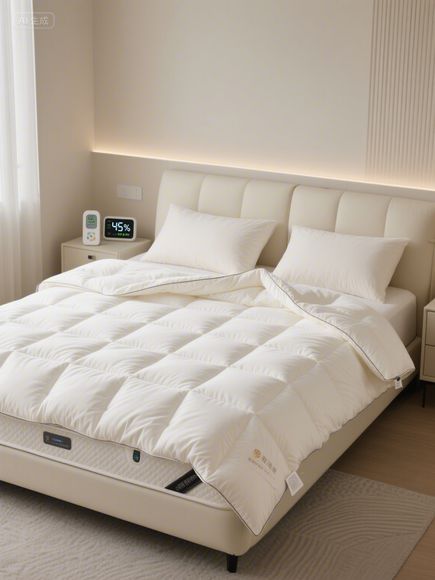
Drying is arguably the most critical part of comforter care, especially for polyester. Improper drying can lead to clumping, mildew, and a musty smell.
-
Machine Drying (If Approved):
- Check the Care Label: Again, confirm machine drying is okay. Some labels might say "Tumble Dry Only" or "Dry Clean Only."
- Use a Large Capacity Dryer: You need ample space for the comforter to tumble freely. Overcrowding will result in uneven drying and potential clumping.
- Low Heat Setting: Polyester fibers can be sensitive to high heat. Always use the lowest effective heat setting on your dryer. High heat can cause the fibers to melt slightly or become brittle over time. If your dryer has a "Low" or "No Heat" setting, that's even better, though it will take longer.
- Add Dryer Balls or Tennis Balls: Placing a few empty tennis balls or wool dryer balls in the dryer with your comforter helps to keep it fluffy and prevents clumping during the drying cycle. They also help the drying process go faster by creating space between the fibers.
- Don't Overload the Dryer: Similar to washing, don't cram too many items in. You need room for the comforter to move.
- Check Frequently: Polyester comforters can take a long time to dry – sometimes 45 minutes to an hour or more, depending on the size and dryer power. Check periodically by pulling a corner out. It should feel mostly dry to the touch, but you can also wrinkle it slightly to check underneath. Continue drying until completely dry throughout to prevent mildew.
- Air Out: Once dry, take the comforter out and hang it outside or in a well-ventilated area for a few hours to air out before putting it back on your bed. This helps eliminate any lingering musty odors.
-
Air Drying (Line Drying):
- Is it Suitable? Check the care label! Some polyester comforters are labeled "Do Not Tumble Dry" or "Line Dry Only." If it's safe to air dry, this is often the gentlest option.
- Choose a Sunny, Well-Ventilated Spot: Find a location where air can circulate around the comforter, like a balcony, patio, or a clean, sunny room with windows open. Avoid direct, intense sunlight for extended periods, as it can cause fading.
- Avoid Drip Drying: Never hang a wet comforter over a railing where water will drip directly onto it, as this can cause water spots and potential mildew.
- Support the Weight: Use sturdy clotheslines or drying racks designed for large items. You can fold the comforter in half or thirds to make it easier to hang. Ironing it flat while damp can also help prevent clumping and wrinkles.
- Ensure Complete Dryness: Air drying takes longer than machine drying. Make sure the comforter is completely dry before bringing it indoors to prevent mold and mildew growth.
Ironing (If Necessary):
Most high-quality polyester comforters are designed to be relatively wrinkle-free. However, if you notice some wrinkles after washing and drying, you can iron them.
- Check the Care Label: Confirm if ironing is safe.
- Use a Medium-High Setting: Set your iron to a medium or high heat setting suitable for synthetics. Do NOT use steam, as it can damage the filling.
- Iron While Damp (Optional): Ironing a slightly damp comforter (not soaking wet) can make wrinkles easier to remove and give it a smoother finish. Test a small, inconspicuous area first.
- Use a Pressing Cloth: To protect the surface from direct heat, especially if ironing a very delicate area, you can use a pressing cloth (like a thin pillowcase).
- Avoid Steaming: As mentioned, avoid steam irons unless the label specifically permits it.
Why Quality Matters: Jia Yu Textile Factory Example
Now, let's talk about why choosing a good quality polyester comforter, perhaps one made by a reputable manufacturer like Jia Yu Textile Factory, makes a difference in the washing process and overall lifespan.
- Better Fiber Technology: Companies like Jia Yu invest in advanced manufacturing processes. They might use finer denier polyester fibers (think silkier feel) or treated fibers that are more resistant to pilling (the formation of small balls of fiber) and maintain their fluffiness better over time. This means your comforter might withstand more washes without looking worn out.
- Enhanced Durability: High-quality polyester from manufacturers often has better strength and resilience. This translates to comforters that don't break down as quickly, even with proper care. They are less likely to tear or lose their shape after multiple washes.
- Improved Care Instructions: Reputable manufacturers provide clear, detailed care instructions on their labels. This helps consumers understand exactly how to care for the product, reducing the risk of damage during washing and drying.
- Consistency: Large textile factories like Jia Yu can ensure consistent quality across their production line. You're less likely to get a comforter that falls apart on its first wash compared to a cheaper, unknown brand.
Common Questions Answered (Q&A)
Let's address some frequently asked questions about washing polyester comforters:
Q1: Can I wash my polyester comforter in a regular washing machine? A: Yes, many polyester comforters are machine washable. However, ALWAYS check the care label first. If it says "Machine Washable," proceed with caution using a large capacity washer, gentle cycle, warm water, and low heat in the dryer. If the label says "Dry Clean Only" or "Hand Wash Only," stick to those instructions.
Q2: What is the best way to dry a polyester comforter? A: Air drying is the gentlest method and helps preserve the fibers and prevent shrinkage. If using a machine dryer, use low heat and add dryer balls. Avoid high heat, as it can damage the polyester fibers.
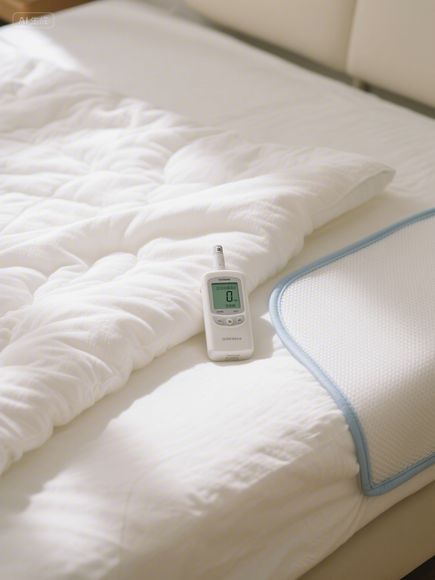
Q3: How often should I wash my comforter? A: It depends on usage and allergies. For most people, washing every 1-2 months is sufficient to remove accumulated oils, dead skin cells, dust, and general wear. If you have allergies, pets, or live in a dusty environment, you might need to wash it more frequently.
Q4: My comforter is getting clumps after washing and drying. What can I do? A: Clumping is common in synthetics, especially if not dried properly or if overloaded in the dryer. Ensure you use enough dryer balls, don't overload the dryer, and make sure it's completely dry. Air drying can sometimes help reduce clumping. If the problem persists, consider using a fabric deodorizer designed for comforters to help break down oils that might cause clumping. Also, check the care label – sometimes the filling type or density contributes to this.
Q5: Can I use fabric softener on my polyester comforter? A: It's generally okay to use fabric softener occasionally, but be cautious. Liquid fabric softeners can leave residues that attract dirt and might reduce the comforter's ability to wick moisture away. If you choose to use it, use a minimal amount and ensure it's thoroughly rinsed. Empty fabric softener balls in the dryer are a better option for softness without residue. Check the care label for recommendations.
Case Study: The Hotel Comforter
Consider a large hotel chain needing to wash hundreds of polyester comforters weekly. They rely on durability and ease of care.
- Challenge: They need a process that cleans effectively, dries quickly (to save time and energy), and maintains the comforters' appearance and hygiene for guest satisfaction.
- Solution: They use commercial-grade, high-capacity washing machines with a specific detergent designed for heavy soil. They dry the comforters in large industrial dryers set on a medium-low heat setting, using wool dryer balls. They follow the care label instructions provided by their comforter supplier (like Jia Yu Textile), which emphasized machine washability and tumble drying. They also have a strict rotation and deep cleaning schedule.
- Outcome: The hotels can maintain a high standard of cleanliness, extend the life of their linens, and ensure guests always experience a clean, comfortable bed. The use of quality polyester filling (like from Jia Yu) ensures the comforters don't degrade quickly under frequent washing.
Conclusion
Washing a polyester fiber-filled comforter doesn't have to be a chore. By following the care label instructions meticulously, choosing the right washing and drying methods (often favoring lower heat and air drying or using dryer balls), and understanding the inherent properties of polyester, you can keep your comforter clean, fluffy, and fresh for years to come. Remember, investing in a high-quality comforter from a reliable manufacturer like Jia Yu Textile Factory can make a significant difference in its performance and longevity, especially when it comes to withstanding the washing process. Happy washing!
Expanded Knowledge:
聚酯纤维被芯机洗概述
大家好,今天我们将探讨聚酯纤维被芯在佳羽纺织厂是如何进行机洗的,聚酯纤维是一种高性能纤维材料,广泛应用于各种衣物和床上用品,机洗聚酯纤维被芯不仅方便快捷,还能确保其优良的耐用性和舒适性。

产品优势说明
佳羽纺织厂生产的聚酯纤维被芯采用先进的机洗技术,具有以下显著优势:
- 高效清洗:聚酯纤维被芯具有出色的抗污能力和抗磨损性能,能够快速有效地清洗。
- 环保友好:机洗聚酯纤维被芯不会对环境造成污染,符合可持续发展的理念。
- 耐用性强:经过特殊处理,聚酯纤维被芯具有优异的耐久性和抗老化性能,使用寿命长。
案例说明
佳羽纺织厂作为业内知名的聚酯纤维被芯生产厂家,其机洗工艺和产品优势得到了广泛认可,以下是关于该厂聚酯纤维被芯机洗的一个案例:
案例:某客户在使用佳羽纺织厂的聚酯纤维被芯机洗后,发现其衣物清洁度更高,穿着更加舒适,该产品具有出色的耐久性和抗老化性能,使用寿命更长。
问答环节
Q1:佳羽纺织厂是如何确保聚酯纤维被芯机洗效果的? A4:佳羽纺织厂采用先进的机洗技术,结合专业的清洗设备和工艺,确保聚酯纤维被芯在机洗过程中能够达到理想的清洗效果。
Q2:聚酯纤维被芯机洗有哪些注意事项? A4:在进行聚酯纤维被芯机洗时,需要注意选择合适的洗涤剂和温度,避免过度搓揉和高温烘干,以保持被芯的形状和颜色。
聚酯纤维被芯机洗是现代生活中不可或缺的一部分,它不仅方便快捷,还能确保衣物清洁度和舒适度,佳羽纺织厂以其先进的机洗技术和产品优势,为消费者提供了优质的聚酯纤维被芯产品,通过以上介绍,我们希望您对聚酯纤维被芯机洗有了更深入的了解。