How to Wash Polyester Fiberfill Bedding:A Comprehensive Guide
Washing polyester fiberfill bedding is best done in a washing machine using warm water and a standard detergent. Always check the care label first. Avoid fabric softeners, as they can degrade the filling. Use a gentle cycle and, if possible, a mesh laundry bag to reduce clumping. After washing, tumble dry on a low or medium heat setting until completely dry, which may take several hours. Fluff the bedding while it's still in the dryer or by shaking it vigorously after removing it. Proper care ensures the bedding maintains its softness and insulation properties.
本文目录导读:
- What Exactly is Polyester Fiberfill?
- Why Does Proper Washing Matter?
- The Good News: Most Polyester Fiberfill Can Be Machine Washed!
- Wrapping Up
Okay, let's talk about something most of us deal with regularly but might not fully understand: washing our bedding, specifically that soft, puffy filling found in comforters, pillows, and blankets. You've probably seen it described as polyester fiberfill, synthetic filling, or just plain 'fill'. But what exactly is it, and how do you properly clean it? Getting the right care can make a big difference in how long your bedding lasts and how comfortable it feels. So, grab a cup of coffee, and let's dive in!
What Exactly is Polyester Fiberfill?
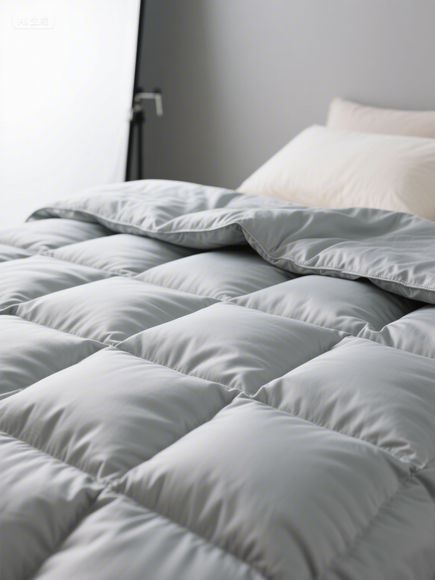
First things first, let's clarify what we're dealing with. Polyester fiberfill is a synthetic material made from tiny plastic fibers. These fibers are often crimped or heat-set to create a soft, insulating, and resilient stuffing. It's the stuff that gives your winter hat its puff, fills teddy bears, and is a very common filling for bedding because it's durable, resistant to compression, and generally quite affordable. Think of it as the cozy, synthetic alternative to down feathers.
Why Does Proper Washing Matter?
Bedding gets dirty, sweaty, and accumulates dust mites over time. Regular washing is crucial for hygiene, removing allergens, eliminating odors, and preventing the buildup of bacteria. For polyester fiberfill, improper washing can lead to issues like clumping, matting, loss of fluffiness, or even damage to the fibers themselves. So, knowing the right way to wash it is key.
The Good News: Most Polyester Fiberfill Can Be Machine Washed!
Contrary to what you might think about synthetic fill, most polyester fiberfill is designed to be machine washable. It's often used in bedding specifically because it holds up reasonably well through the rigors of a washing machine cycle. However, always check the care label attached to your specific bedding item first! Manufacturers can sometimes have specific recommendations or warnings.
General Washing Guidelines for Polyester Fiberfill Bedding
-
Check the Care Label: This is your primary source of information. It will tell you the recommended washing method (machine wash, hand wash, dry clean only), water temperature, and sometimes even the type of detergent to use. Pay attention to any symbols or specific instructions.
-
Machine Washing (The Most Common Method):
- Separate or Delicate Cycle: Wash polyester fiberfill bedding on a gentle or delicate cycle. Avoid heavy, agitating cycles if possible, as excessive tumbling can sometimes cause the fibers to felt or mat together.
- Water Temperature: Warm water (around 105°F or 40°C) is usually safe and effective for most polyester fill. Warm water helps open the fibers for better cleaning. Always follow the care label. Some labels might specify cold or hot water.
- Detergent: Use a standard, high-quality laundry detergent. Avoid using too much detergent, as this can leave residues that attract dirt. You can also consider using a detergent specifically formulated for bedding or hypoallergenic options if allergies are a concern. Do not use bleach or harsh chemical cleaners, as these can damage the synthetic fibers and potentially weaken the fabric shell.
- Bags are Your Friend: It's highly recommended to wash your comforter or large bedding item in a laundry bag or pillowcase. This helps protect the fill from excessive movement and potential tearing during the wash cycle. Smaller items like pillowcases filled with fiberfill might not need this, but it's still a good practice.
- Don't Overload the Washer: Ensure you don't overload your washing machine. There needs to be enough space for the bedding to move freely during the cycle. A good rule of thumb is to leave about 2-3 inches of space between the top of the drum and the lid.
- Spin Cycle: A medium spin speed is usually sufficient. A high-speed spin might put unnecessary stress on the fill and the shell fabric, potentially causing premature wear.
-
Hand Washing (For Sensitive Items or Specific Needs):
- Why Hand Wash? Sometimes, if the care label specifically recommends hand washing, or if you have a very delicate shell fabric, hand washing is the way to go. It's also a good option if you're concerned about lint or if you want the gentlest clean.
- Process: Fill a large sink or basin with lukewarm water. Add a small amount of mild detergent. Submerge the bedding completely and gently swish it around, avoiding vigorous scrubbing which could damage the fibers. Drain the soiled water and rinse thoroughly by squeezing out the excess water (gently!) or by rinsing in clean lukewarm water until all suds are gone. Squeeze out as much water as possible, then press the bedding onto a clean towel, roll it up, and squeeze gently to remove more water. Unroll, press again, and roll onto a dry towel to absorb the remaining moisture. Finally, hang or lay flat to dry. This method requires patience but is very effective.
-
Dry Cleaning (When Necessary):
- When to Dry Clean? Dry cleaning is generally not necessary for most polyester fiberfill bedding unless the care label specifically states it, or if the item has a stain that cannot be washed out (like a tough oil stain) or a fabric that is truly delicate and shouldn't be washed.
- Considerations: Dry cleaning uses solvents that can sometimes leave residues or affect synthetic fibers differently than water. It's usually more expensive and less environmentally friendly than washing. If dry cleaning is required, ensure the cleaner understands they are handling polyester fiberfill and follow their specific instructions carefully.
Drying Your Polyester Fiberfill Bedding
Drying is arguably the most important part of the cleaning process for bedding, especially for fluffy items. Improper drying can lead to clumping, mildew, and a musty smell.
-
Machine Drying (Recommended):
- Check the Care Label: Again, the label is crucial here. It will often specify whether you can machine dry the bedding and the maximum heat setting allowed (Low, Medium, High).
- Low Heat is Usually Best: For most polyester fiberfill, low heat is the safest and most effective drying setting. It dries the bedding thoroughly without causing the fibers to melt, shrink, or become brittle. High heat can damage the synthetic fibers.
- Tumble with Dryer Balls or Bags: Add clean, dry tennis balls, foam dryer balls, or even clean pillowcases to the dryer with your bedding. This helps separate the clumps of fiberfill, allowing air to circulate better and speeding up the drying process significantly. You'll also notice less lint escaping from the dryer.
- Ensure Complete Dryness: It's vital to dry the bedding completely. Dampness trapped in the filling can lead to mold and mildew growth, which is not only unpleasant but can also be harmful. Check the bedding periodically. It should feel completely dry to the touch, with no damp patches. Pillows and very thick comforters might take longer to dry thoroughly.
-
Air Drying (Flat Drying):
- Pros: A good option if you don't have a dryer, or if the care label doesn't allow machine drying. It avoids the heat of a dryer.
- Cons: Can take much longer (days), and there's a higher risk of uneven drying, clumping, and mold/mildew if not done carefully.
- How: Gently squeeze out as much water as possible after rinsing. Press the bedding into a large, clean towel, roll it up, and squeeze gently to remove more water. Unroll, press again. Lay the bedding flat on a clean, dry surface like a drying rack, clean floor, or large table. Try to smooth out any folds or clumps with your hands. Turn the bedding occasionally to ensure even drying. Protect it from direct sunlight, which can degrade the fabric and fade colors. Air drying requires patience and vigilance to prevent moisture buildup.
Tips for Fluffiness and Longevity
- Don't Overwash: Polyester fiberfill bedding doesn't need to be washed as frequently as cotton sheets. Depending on usage and exposure to sweat/dirt, washing every 1-2 months is often sufficient. Overwashing can wear down the fibers and the shell fabric faster.
- Address Stains Promptly: If you spill something on your comforter, try to blot it up immediately with a clean cloth (don't rub, as this can spread the stain). Pre-treat stubborn stains before washing if possible.
- Use Fabric Softener (With Caution): Fabric softener can make synthetic fill feel softer, but it can also build up on the fibers, attracting dirt and potentially clogging the dryer vents. If you use it, consider adding it to the rinse cycle or using a dedicated fabric softener sheet designed for dryer use (which you put in with the bedding before drying). Alternatively, skip it altogether for the fill itself and just use it on the shell fabric if needed.
- Wool Dryer Balls vs. Tennis Balls: Both work well for separating fibers during machine drying. Wool balls break down over time but are more absorbent. Plastic or rubber tennis balls are durable but can shed small pieces of fuzz. Clean them occasionally.
Case Study: JiaYu Textile Factory - Polyester Fiberfill Expertise
Let's talk about a company that understands the importance of quality polyester fiberfill and its care. The JiaYu Textile Factory, known for its commitment to producing high-quality synthetic filling, emphasizes the durability and performance of its polyester fiberfill. Their products are designed not only for comfort but also for longevity, meaning they can withstand proper washing and care without losing their shape or fluffiness. Choosing bedding from manufacturers like JiaYu often means you're getting a product built to last, reducing the need for frequent replacements and making your cleaning efforts more effective in preserving the investment.
Q&A Section: Answering Your Burning Questions
Q1: Can I wash my down alternative comforter with other clothes? A: Generally, yes, you can wash a polyester fiberfill comforter with other similar fabrics like cotton bedding (sheets, duvet covers) on a gentle cycle. However, it's best to avoid washing it with very delicate items like silk, wool, or fringe-heavy fabrics (e.g., some decorative pillows), as the agitation might snag or damage them. Using a laundry bag is still recommended.
Q2: My comforter feels lumpy after washing. What's wrong? A: Lumpiness usually happens when the fill clumps together during washing or drying. This can be caused by:
- Using a too-aggressive wash cycle or high spin speed.
- Overloading the washing machine.
- Not using dryer balls or not tumbling sufficiently during drying.
- The fill itself might be of lower quality.
- Ensure you use a gentle cycle, don't overload, and definitely use dryer balls or a bag during drying. If the problem persists, check the care label or consider the quality of the filling.
Q3: Is it okay to use fabric softener on my polyester pillow? A: It's generally not recommended to use fabric softener on polyester pillow filling. While it might make the pillow feel softer initially, it can coat the fibers, reduce breathability, attract dust and dirt, and potentially leave residues that affect the filling's performance. If you feel the need for softness, consider using a pillow protector instead.
Q4: How do I remove pet hair from my polyester comforter? A: There are several ways:
- Lint Roller: Sticky rollers work well on synthetic fabrics.
- Groomer Brush: A soft-bristled brush can help lift and remove hair.
- Vacuum Cleaner: Use the upholstery or brush attachment on a low suction setting. Be careful not to damage the filling.
- Washing: If the pet hair is significant or you want a thorough clean, washing the comforter according to its care label is a good option.
Wrapping Up
Washing your polyester fiberfill bedding doesn't have to be daunting. By following these guidelines – checking the care label, choosing the right washing method (usually machine wash with gentle cycle and warm water), drying thoroughly on low heat with dryer balls, and being mindful of how often you wash – you can keep your bedding clean, fresh, and fluffy for years to come. Remember, proper care isn't just about cleaning; it's about extending the life of your comfort and investment. Happy washing!
Expanded Knowledge:
大家好,今天我们来聊聊涤纶聚酯纤维被如何清洗的话题,涤纶聚酯纤维是一种常见的床上用品材料,具有优良的耐用性和舒适性,在日常生活和工作中,我们都需要对其清洗保养有所了解,下面我们将详细介绍涤纶聚酯纤维被的清洗方法。
清洗步骤
准备工作

在清洗涤纶聚酯纤维被之前,我们需要做好以下准备工作:
(1)准备工具:准备合适的清洗工具,如软刷、洗涤剂、清水等。
(2)检查被套:检查被套是否有破损或污渍,如有需要先进行处理。
清洗方法
(1)手洗:使用温水和温和的洗涤剂进行手洗,注意洗涤剂不要过量,以免损坏纤维,清洗时要注意轻柔搓揉,避免过度拉扯。
(2)机洗:如果选择机洗,请按照洗涤标签上的指示进行操作,注意选择合适的洗涤模式和温度,避免损坏纤维。
注意事项
(1)清洗时要注意避免使用过热水和强烈的洗涤剂,以免损坏纤维。
(2)清洗完成后,应将被套晾干,避免阳光直射或高温烘干,以免纤维变形或老化。
产品优势介绍
佳羽纺织厂生产的涤纶聚酯纤维被具有以下优势:
-
耐用性强:涤纶聚酯纤维被采用高品质材料,具有优良的耐用性,能够经受住日常使用的考验。
-
舒适度高:该材质被套柔软舒适,能够提供良好的睡眠体验。
-
易清洗保养:采用科学的清洗方法,方便快捷,无需担心损坏纤维或失去弹性,该材质被套易于晾干,无需担心阳光直射或高温烘干导致的变形或老化问题。
案例说明
在实际使用中,许多消费者都选择佳羽纺织厂的涤纶聚酯纤维被作为床上用品,下面是一个案例说明:
某消费者在使用佳羽纺织厂的涤纶聚酯纤维被一段时间后,发现其质地柔软、颜色鲜艳、易于清洗保养,该消费者表示,使用该材质被套不仅舒适度高,而且使用寿命长,是值得信赖的选择。
涤纶聚酯纤维被是一种优质的床上用品材料,具有优良的耐用性和舒适性,在清洗时,我们需要注意选择合适的清洗方法和注意事项,并采用科学的清洗方法进行清洗保养,佳羽纺织厂生产的涤纶聚酯纤维被具有耐用性强、舒适度高、易清洗保养等优势,是值得消费者信赖的选择。