Is Summer Bedding Made from Polyester Fiber Safe?Debunking Myths and Ensuring Comfort
Is Summer Bedding Made from Polyester Fiber Safe? Debunking Myths and Ensuring Comfort,Concerns about the safety of polyester fiber in summer bedding often stem from misconceptions. Generally, polyester fibers themselves are not inherently toxic. However, potential issues arise from off-gassing of manufacturing chemicals or poor quality materials. Reputable manufacturers use certified dyes and processes minimizing harmful emissions. While polyester bedding is durable, heat-resistant, and effective at wicking moisture away from the body, it can trap significant heat, potentially making it less ideal for very hot sleepers or those preferring natural fibers. For safety, opt for well-ventilated bedding and consider hypoallergenic, breathable alternatives like cotton or linen if sensitive concerns exist. Ultimately, choosing quality polyester bedding from trusted brands ensures safety and comfort during warmer months.
Okay, let's talk about something that many of us rely on for comfort, especially during those hot summer nights: our bedding. And a common material you'll find in modern bedding, particularly summer quilts, is polyester fiber. But the question on many minds is: Is summer bedding made from polyester fiber safe?
The short answer is: Generally, yes, when produced according to safety standards. But like any material, it's important to understand what polyester fiber is, how it's made, and the potential concerns associated with it, especially regarding things like chemical safety and skin sensitivity.
Let's break it down.
What Exactly is Polyester Fiber?
Polyester fiber is a type of synthetic fiber, meaning it's man-made from chemical compounds, typically derived from petroleum. The most common type used in textiles is polyethylene terephthalate (PET). These fibers are known for their durability, resistance to shrinking and wrinkling, and, importantly for bedding, their ability to resist moisture – they don't absorb water easily, which helps keep you cool and dry.
Why is Polyester Fiber Used in Summer Bedding?

You might wonder why polyester is chosen for something as personal as bedding, especially for sleeping. Here are the main advantages:
- Breathability: While not as breathable as natural fibers like cotton or linen, modern polyester blends and technologies are designed to allow air circulation, helping to regulate temperature and keep you cool.
- Moisture Wicking: Polyester fibers pull moisture away from the skin faster than natural fibers, helping to evaporate sweat and keep you drier. This is a key feature for summer bedding.
- Durability & Longevity: Polyester bedding tends to be very durable, resisting pilling (the formation of small balls of fiber) and wear and tear better than natural fibers. This means it lasts longer, which is both cost-effective and environmentally friendly in the long run.
- Softness & Comfort: Many polyester fibers are engineered to be very soft and comfortable against the skin. They can be blended with other fibers like cotton or bamboo viscose to enhance comfort.
- Hypoallergenic Properties: Because they don't absorb moisture, they are less likely to harbor dust mites, a common allergen. This makes polyester bedding a good choice for people with allergies.
Addressing Safety Concerns: Is Polyester Fiber Safe?
Now, let's tackle the elephant in the room: safety. Are we sleeping next to potentially harmful chemicals?
Chemical Composition: The primary component of polyester fiber is PET, which is generally recognized as safe (GRAS) by the U.S. Food and Drug Administration (FDA) for use in certain food contact applications. However, the manufacturing process involves high temperatures and chemical catalysts. Concerns arise about residual chemicals or additives used during production.
Formaldehyde: One chemical sometimes used in textile manufacturing is formaldehyde, which can be found in finishes applied to fabrics to prevent wrinkling or improve durability. Formaldehyde is a known irritant and potential carcinogen. However, reputable manufacturers strictly control the levels of formaldehyde in their products, often well below safety limits set by international standards (like Oeko-Tex Standard 100, which we'll discuss).
Migration of Chemicals: There's a general concern about chemicals migrating from synthetic fibers into the skin or the environment. For polyester, studies generally show very low levels of chemical migration under normal use conditions. However, washing can sometimes release small amounts of chemicals, especially if harsh detergents or high heat are used.
Skin Sensitivity: Some individuals may experience skin irritation from synthetic fibers, including polyester. This is often due to friction (especially when new), static electricity, or sensitivity to dyes and finishes used on the fabric. Pure, high-quality polyester is generally less likely to cause irritation than lower-quality blends or fibers treated with harsh chemicals.
Microplastic Shedding: This is a growing concern with all synthetic textiles, including polyester. Washing synthetic fabrics can release tiny plastic particles (microplastics) into the water system. While research is ongoing, many manufacturers are now developing technologies to reduce microplastic shedding, such as using different polymer structures or surface treatments.

How to Ensure Safety:
So, how can you be sure the polyester bedding you buy is safe? Here are some key points:
- Look for Certifications: Certifications like Oeko-Tex Standard 100 are crucial. This international standard tests textiles for harmful substances, including formaldehyde, heavy metals, and other restricted chemicals, ensuring they are safe for human use, even for babies. Many manufacturers, including Jia Yu Textile Factory, strive for and display this certification.
- Check Material Composition: Look at the label. Pure polyester (or specific types like MicroModal or Tencel Lyocell, which are often blended with polyester) might be different from blends. Understanding the blend helps gauge potential allergens or irritants.
- Choose Reputable Brands: Well-known brands and manufacturers, like Jia Yu Textile Factory, invest in quality control and safer production methods. They often have stricter internal standards than minimum legal requirements.
- Wash New Bedding: Always wash new bedding before use. This removes any residual manufacturing chemicals, dyes, or finishes and helps eliminate the "new smell." Use a gentle detergent.
- Consider Your Sensitivities: If you have sensitive skin, opt for high-quality, pure polyester or blends with natural fibers known for softness (like bamboo or organic cotton). You might also consider washing bedding in cooler water and using a microplastic filter in your washing machine if this is a concern.
Comparing Fiber Safety:
Let's look at how polyester compares to other common bedding fibers in terms of safety concerns:
| Fiber Type | Primary Safety Concerns | Common Certifications Addressing Concerns | Relative Risk (Compared to Cotton) |
|---|---|---|---|
| Polyester (PET) | Formaldehyde residues, chemical migration, microplastic shedding, potential skin irritation (for sensitive individuals) | Oeko-Tex Standard 100, GOTS (for recycled PET like Organic Cotton Blends) | Lower risk for allergens, higher for microplastics |
| Cotton | Pesticide use (especially conventionally grown), potential for dust mites, natural fiber but can be treated with chemicals | GOTS (Organic Cotton), Oeko-Tex Standard 100 | Lower risk for chemical residues, higher for dust mites/allergens |
| Linen (Flax) | Natural fiber, biodegradable, low chemical use, durable | Oeko-Tex Standard 100, GOTS (if certified organic) | Low chemical risk, natural fiber |
| Silk | Natural protein fiber, generally hypoallergenic, but can be sensitive for some (protein fibers) | Oeko-Tex Standard 100 | Very low chemical risk, natural protein |
| Wool | Natural fiber, temperature regulating, but can feel scratchy for some, potential for lanolin irritation | Oeko-Tex Standard 100, GOTS (for mulesing-free, organic) | Low chemical risk, natural protein |
Q&A: Addressing Your Concerns
Q: My skin gets itchy when I sleep on my polyester duvet cover. Is this normal? A: Not necessarily. While some people tolerate polyester well, others might find it slightly irritating, especially if it's a low-quality blend or if you're sensitive to synthetic materials. Try washing it with a hypoallergenic detergent. If the problem persists, consider switching to a higher-quality pure polyester or a blend with more natural fibers like bamboo or organic cotton. Remember, Jia Yu Textile Factory focuses on quality and comfort, so their products might be worth trying if you've had issues with other brands.
Q: Aren't all synthetic fibers bad for the environment? A: It's a complex issue. Polyester is derived from non-renewable petroleum, and microplastic shedding is a valid concern. However, polyester bedding is durable and often lasts longer than natural fibers, potentially reducing waste. Furthermore, there's a growing trend towards recycled polyester (rPET), made from plastic bottles, which reduces reliance on virgin petroleum. Many companies, including Jia Yu Textile Factory, are exploring sustainable options. Always weigh the pros and cons.
Q: What does the Oeko-Tex Standard 100 certification mean for my bedding? A: Oeko-Tex Standard 100 is a globally recognized testing and certification system for textile safety. It tests for harmful substances at different levels (Class I for infants, Class II for direct skin contact for adults, Class III for non-direct contact). Choosing bedding with this certification means you can be confident it has been tested and is free from over 100 harmful substances, making it a safer choice.

Case Study: The Evolution of Summer Bedding at Jia Yu Textile Factory
Jia Yu Textile Factory, a leading manufacturer, didn't rest on its laurels. Recognizing the demand for safer, more comfortable summer bedding, they invested heavily in research and development. They moved beyond basic polyester to incorporate advanced technologies:
- Antibacterial & Anti-Allergenic Treatment: Using specific finishes that inhibit the growth of bacteria and dust mites, enhancing hygiene and comfort for allergy sufferers.
- Enhanced Moisture Wicking: Developing polyester fibers with improved moisture absorption and evaporation properties, ensuring you stay cool and dry even during the night.
- Softness Enhancement: Blending polyester with naturally soft fibers like bamboo viscose or using specific spinning techniques to create a silkier feel.
- Low Formaldehyde Emission: Implementing stricter controls in their production process to ensure formaldehyde levels are minimal, meeting or exceeding Oeko-Tex Standard 100 requirements.
This commitment to safety and comfort demonstrates how manufacturers like Jia Yu Textile Factory are addressing consumer concerns and pushing the boundaries of what polyester bedding can offer.
Conclusion
So, is summer bedding made from polyester fiber safe? For the vast majority of people, the answer is yes. Polyester fiber offers excellent performance characteristics like durability, temperature regulation, and moisture wicking that make it ideal for bedding. When produced by reputable manufacturers who adhere to strict safety standards like the Oeko-Tex Standard 100, concerns about harmful chemicals are minimized.
Always look for quality certifications, consider your personal comfort and sensitivities, and wash new bedding thoroughly. By doing so, you can enjoy the benefits of polyester fiber bedding safely and comfortably all summer long. Remember, brands like Jia Yu Textile Factory are dedicated to producing high-quality, safe, and comfortable textiles, ensuring you get the best out of your summer sleep experience.
Expanded Knowledge:
Hello everyone! Today, I'm going to talk about a very common and comfortable bedding material - the SummerCool quilted fabric. And I'll specifically focus on whether it is safe for use.

First of all, let's understand what SummerCool quilted fabric is. It is a type of fabric that is designed to keep us cool in the hot summer days. The "quilted" part refers to the texture of the fabric, which feels soft and fluffy when touched. This kind of fabric is often used in making quilts, pillows, and other bedding products.
Now, let's talk about safety. Safety in this context mainly refers to the material's compliance with relevant safety standards and regulations, and whether it does not contain any harmful substances that could harm our health.
For SummerCool quilted fabric, the company that produces it has严格执行 safety standards. This means that the fabric has passed various tests and inspections, ensuring that it does not contain any harmful substances such as toxic chemicals, heavy metals, or pesticides.
In addition, the company also uses environmentally friendly dyes and finishing agents in the production process, reducing the impact on the environment and our health.
Furthermore, the fabric is also breathable and moisture-wicking, which helps to keep our body cool and dry, reducing the risk of heatstroke and other health problems.
To further illustrate the safety of SummerCool quilted fabric, let's look at some real cases. For example, a user named Li said that she has been using SummerCool quilted fabric quilts for several months, and she has not experienced any discomfort or allergic reactions. Another user, Zhang, mentioned that she feels very cool and comfortable when she sleeps on a quilted fabric pillow, and she also noticed that her skin feels fresher and more moisturized.
These cases show that SummerCool quilted fabric is not only comfortable but also safe. However, as with any product, there may be some individual differences in response to the fabric. Therefore, if you have any concerns about the safety of SummerCool quilted fabric, it is recommended that you consult with a professional doctor or the company's customer service team.
In addition to safety, SummerCool quilted fabric also has some other advantages. For example, it is durable and easy to clean. The texture of the fabric is such that it can withstand frequent washing without losing its shape and elasticity. Moreover, the fabric is also moisture-wicking, which helps to keep the bed dry and fresh.
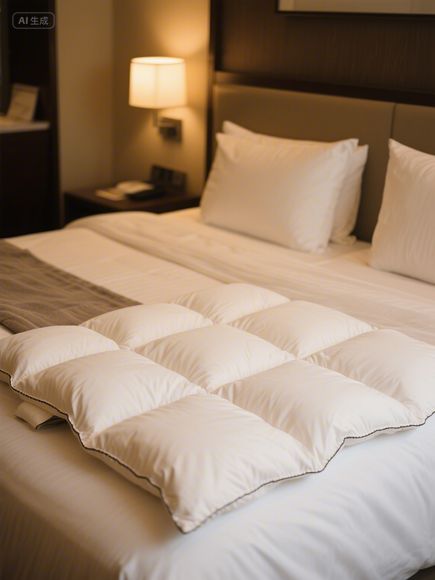
Another advantage is that it is environmentally friendly. The company uses environmentally friendly dyes and finishing agents, reducing the impact on the environment and our health. In addition, the fabric is also recyclable, making it an environmentally friendly choice.
In short, SummerCool quilted fabric is a comfortable, safe, and environmentally friendly choice for summer bedding. If you are in the market for a new quilt or pillow, I highly recommend considering SummerCool quilted fabric.
However, as with any product, there may be some individual differences in response to the fabric. Therefore, if you have any concerns about the safety of SummerCool quilted fabric, it is recommended that you consult with a professional doctor or the company's customer service team.
Moreover, while we have discussed the safety of the fabric itself, it's also worth mentioning the importance of proper care and maintenance. To ensure the longest life and best performance, it's important to follow the care instructions provided by the manufacturer. This includes washing the fabric in cold water with mild detergent, avoiding dryers when possible, and hand-washing delicate items like pillows.
In conclusion, SummerCool quilted fabric is a safe and comfortable choice for summer bedding. With its excellent breathability, moisture-wicking properties, and environmental friendliness, it provides a cool and cozy sleeping experience. However, as with any product, it's important to consult with professionals and follow proper care instructions to ensure its longevity and best performance.
Now, let's answer some questions to further clarify:
Q1: Is SummerCool quilted fabric safe for children? A1: Yes, SummerCool quilted fabric is safe for children. The company has strictly controlled the ingredients used in the production process to ensure that they are non-toxic and safe for children. In addition, the fabric is also breathable and moisture-wicking, which helps to keep children cool and dry during sleep.
Q2: Can SummerCool quilted fabric be used in sensitive skin? A2: Yes, SummerCool quilted fabric can be used in sensitive skin. The company uses gentle dyes and finishing agents in the production process to minimize the risk of irritation. However, if you have sensitive skin, it's still recommended to do a small test area first to ensure that there is no adverse reaction.

Q3: How often should the fabric be washed? A3: It's recommended to wash the fabric in cold water with mild detergent. Avoid using dryers when possible, as high temperatures can damage the fabric. If you need to wash the fabric frequently, you can use a mild detergent and let it air dry.
Q4: Can the fabric be washed with other fabrics? A4: It's generally not recommended to mix different types of fabrics when washing. Different fabrics can interact with each other, potentially causing uneven washing results and affecting the feel and appearance of the fabric. However, SummerCool quilted fabric can be washed separately or with other similar fabrics that do not react with it.
In conclusion, SummerCool quilted fabric is a safe and comfortable choice for summer bedding. With its excellent properties and strict quality control, it provides a cool and cozy sleeping experience. If you have any concerns about the safety or care of the fabric, it's recommended to consult with professionals or the company's customer service team.



