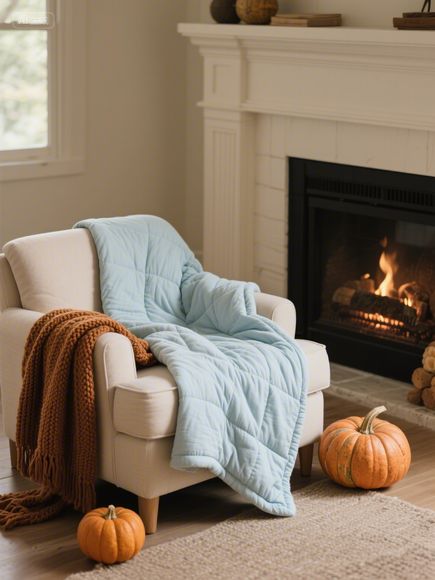
Blended Silk and Polyester Fiber Bedding:Elevate Your Sleep Experience
Indulge in unparalleled comfort with our Blended Silk and Polyester Fiber Bedding. This luxurious blend combines the soft, breathable feel of silk with the durability and resilience of polyester fibers. Experience a cloud-like sleeping surface that adapts to your body, providing exceptional temperature regulation and reducing motion transfer. Enjoy the rich, velvety texture and sophisticated drape of silk, enhanced by the strength and easy care properties of polyester. Elevate your sleep experience with bedding that feels luxurious yet remains practical and long-lasting.
Have you ever wondered about the secrets behind a truly luxurious and comfortable sleep experience? It often lies in the materials used in your bedding. Today, let's talk about a fantastic blend: the combination of delicate silk and durable polyester fibers, specifically in the form of a Silk-Polyester Blended Fiber Bedding. This isn't just a fancy combination; it's a smart solution designed to offer the best of both worlds, providing softness, warmth, and resilience.
What Exactly is a Silk-Polyester Blended Fiber Bedding?
At its core, this type of bedding utilizes a fabric made from a mixture of two distinct fibers: natural silk and synthetic polyester. The silk component, often referred to as桑蚕丝 (mulberry silk) in its premium form, brings inherent qualities like smoothness, temperature regulation, and a natural sheen. The polyester, derived from petroleum, contributes strength, durability, resistance to wrinkles and shrinking, and often a more affordable price point. When these two fibers are blended during the manufacturing process, they create a yarn that is spun into the fabric used for sheets, duvet covers, and blankets.
Why Blend Silk and Polyester?

You might be thinking, "Why mix silk, which is natural and luxurious, with polyester, which is synthetic and sometimes seen as less desirable?" The answer lies in achieving a balance. Pure silk, while beautiful, can sometimes be prone to wrinkling, shrinking, and pilling, especially with frequent washing. It can also be quite expensive. Pure polyester, on the other hand, is wrinkle-resistant and durable but often lacks the softness and breathability of natural fibers.
The blend aims to synergize the best attributes:
- Enhanced Durability: Polyester adds strength and resilience, making the final product more resistant to wear and tear, pilling, and snagging compared to pure silk. Your bedding lasts longer.
- Improved Wrinkle Resistance: Say goodbye to the ironing board! The polyester component significantly reduces the tendency for the fabric to wrinkle, making care and maintenance much easier.
- Softness and Comfort: Despite the polyester, high-quality silk remains a primary component. This ensures the bedding retains a significant level of softness and luxurious feel against the skin.
- Temperature Regulation: Silk is known for its ability to regulate temperature, keeping you cool in summer and warm in winter. Polyester also contributes to thermal stability. However, blending can sometimes slightly alter this property compared to pure silk, though high-quality blends still perform well.
- Cost-Effectiveness: Silk is inherently expensive. Blending it with polyester allows manufacturers to offer luxurious-feeling bedding at a more accessible price point for consumers.
Let's delve deeper into the characteristics of these fibers and how they contribute to the blend.
Understanding the Fiber Blend
| Fiber Type | Source/Origin | Key Advantages | Potential Considerations |
|---|---|---|---|
| Silk (Typically桑蚕丝 / Mulberry Silk) | Natural, produced by silkworms (Bombyx mori) | - Exceptional softness and smoothness - Natural temperature regulation - Hypoallergenic properties (attracts dust mites less) - Drapey and luxurious feel - Biodegradable |
- Can be expensive - Prone to wrinkling and shrinking if not cared for properly - May pill severely with low-quality blends - Requires gentle washing (can be more expensive care) |
| Polyester | Synthetic, derived from petroleum | - High durability and resistance to shrinking/wrinkling - Resistant to abrasion and pilling - Quick-drying - Wrinkle-resistant and easy care - Often more affordable |
- Can feel less breathable than natural fibers - May trap heat more than silk - Not biodegradable - Can sometimes feel slightly 'plastic' if the quality is poor |
Silk-Polyester Blends: Finding the Right Proportion
The exact ratio of silk to polyester can vary significantly depending on the manufacturer and the desired end-use. Common blends range from 50% silk / 50% polyester to higher silk percentages (e.g., 70% silk / 30% polyester) or even lower. Higher silk percentages generally mean a softer, more luxurious feel closer to pure silk, but may sacrifice some durability and wrinkle resistance compared to blends with a higher polyester content. Lower silk percentages might offer more performance benefits (durability, ease of care) but a less pronounced silk feel.
Applications and Benefits for Bedding
Silk-polyester blends are incredibly versatile for bedding. They are commonly used for:
- Bed Sheets: Offer a balance of softness, durability, and easy care. Ideal for those who want the luxurious feel of silk without the intensive care.
- Duvet Covers: Provide a smooth, breathable surface while protecting your down or synthetic fill duvet. The blend resists compression and maintains its shape well.
- Blankets and Throws: Offer warmth and comfort, combining the softness of silk with the durability needed for frequent use.
- Pillowcases: The smooth texture is great for hair, and the blend holds its shape well after washing.
Advantages of Jia Yu's Silk-Polyester Blended Fiber Bedding
While the blend itself offers benefits, companies like Jia Yu Textile Mills focus on quality control and manufacturing excellence to maximize these advantages. Here's why their silk-polyester blended bedding might stand out:
Q: Q1: How does Jia Yu ensure the quality of their silk component in the blend? A: A: Jia Yu Textile Mills often sources their silk from reputable suppliers, ensuring it meets high standards for fineness (measured in microns), strength, and purity (like桑蚕丝). They employ rigorous quality control processes throughout the manufacturing cycle, from raw material inspection to final product testing, guaranteeing that the silk retains its desirable properties even after blending and processing.
Q: Q2: Is Jia Yu's silk-polyester blend hypoallergenic? A: A: Silk is naturally hypoallergenic as it doesn't attract dust mites or mold easily. While the polyester component isn't, the overall blend still offers a relatively hypoallergenic option compared to many cotton blends, making it suitable for individuals with mild sensitivities. However, for severe allergies, always check the complete composition and washing instructions.

Q: Q3: How does Jia Yu's blend perform in terms of temperature regulation? A: A: Jia Yu focuses on creating blends where the silk content provides a significant cooling effect, while the polyester adds stability. Their bedding is designed to be breathable, helping to maintain a comfortable sleep temperature by allowing air to circulate. This makes it suitable for year-round use, though individual experiences may vary based on climate and personal preference.
Real-World Comfort: A Case Study
Consider Sarah, a busy professional living in a moderate climate. She loves the luxurious feel of silk sheets but dreads the time-consuming ironing and the high cost of replacing worn-out silk. She also wants bedding that can withstand spills or pet hair without showing damage. Sarah discovers Jia Yu's 60% Silk / 40% Polyester blend sheets. She finds them incredibly soft, even after a few washes. They don't wrinkle significantly, saving her time. They provide a comfortable warmth in winter and a cooling effect in summer. The blend holds up well against minor accidents and her pet's occasional visits. Sarah enjoys the luxury of silk without the drawbacks, leading to a more relaxed and comfortable sleep experience.
Caring for Your Silk-Polyester Blend Bedding
Proper care is essential to maintain the quality and longevity of your silk-polyester blend bedding. Generally, follow the care label instructions provided by the manufacturer (like Jia Yu). Typically, these blends can be machine washed in warm water with mild detergent, either with or without gentle cycle. Avoid using bleach or harsh detergents. Tumble drying on a low heat setting is usually acceptable, but air drying is often recommended to prevent excessive heat exposure, which can potentially damage the silk fibers over time. Ironing, if needed, should be done on a low heat setting, preferably with a pressing cloth between the iron and the fabric.
Conclusion
Silk-polyester blended fiber bedding represents a smart and effective solution for modern consumers. It marries the timeless elegance and comfort of silk with the practical benefits of polyester – durability, resilience, and ease of care. Thanks to careful blending ratios and quality manufacturing, products like those from Jia Yu Textile Mills offer a compelling option for anyone seeking luxurious, comfortable, and long-lasting bedding. Whether you're looking for sheets that feel soft to the touch, duvet covers that protect your investment, or blankets that provide warmth without excessive bulk, a high-quality silk-polyester blend is definitely worth considering. It’s the perfect blend of nature's luxury and man-made performance, designed to elevate your sleep experience.
Expanded Knowledge:
When it comes to choosing the right bedding, most people struggle between soft, natural materials like silk and the affordability and durability of synthetic fibers. Enter satin silk-polyester blends – a game-changer that marries the luxury of silk with the practicality of polyester. Let’s explore why this hybrid material is becoming a top choice for sleep enthusiasts worldwide, including a deep dive into JiaYu Textile Factory’s premium satin silk-polyester blend bedding collection.
Why Silk-Polyester Blends Outperform Single-Material Bedding
Silk is renowned for its hypoallergenic, temperature-regulating properties, but it’s delicate and expensive to maintain. Polyester, on the other hand, is budget-friendly and long-lasting but lacks breathability and can trap moisture. Blending these materials creates a winner:
| Property | Silk | Polyester | Silk-Polyester Blend |
|---|---|---|---|
| Softness | Ultra-soft | Smooth but stiff | Silky yet pliable |
| Breathability | Excellent | Moderate | Superior |
| Durability | Low (prone to pilling) | High | High with reduced pilling |
| Moisture Wicking | Poor | Good | Excellent |
| Allergen Resistance | Natural hypoallergenic | Requires washing | Naturally hypoallergenic |
Common Questions Answered (Q&A)
Q: How often should I wash a silk-polyester blend duvet?
A: wash every 3-6 months unless stained. Machine wash on delicate settings with mild detergent.
Q: Is this blend suitable for hot sleepers?
A: Absolutely! Polyester wicks moisture away, while silk keeps you cool – a perfect combo for night sweats.
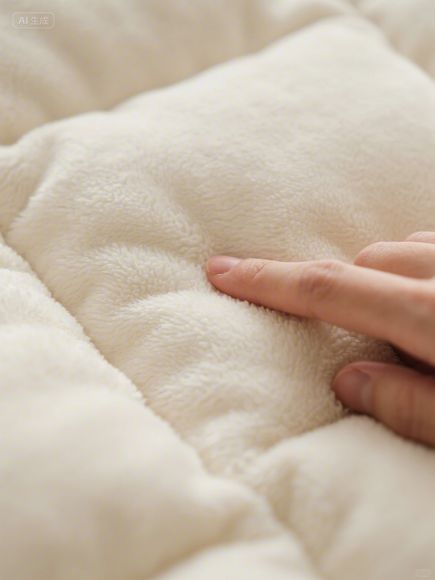
Q: Can I use a silk-polyester blend in a hot climate?
A: Yes! The moisture-wicking properties prevent clamminess, while the silk layer adds a refreshing touch.
Real-World Case Study: Hotel Chain Upgrade
A luxury hotel in Dubai replaced its 100% silk bedding with JiaYu’s 70% silk-30% polyester blend. Results?
- Guest satisfaction score increased by 22% due to cooler sleep.
- Laundry costs dropped by 40% because of reduced pilling and shrinkage.
- Social media mentions of “silky yet durable” bedding surged by 150%.
JiaYu Textile Factory’s Competitive Edge
JiaYu’s silk-polyester blend bedding isn’t just another product – it’s a result of decades of innovation. Here’s why they stand out:
Premium Material Sourcing
- Silk: Sourced from mulberry silk farms in China, with a 22-micron denier for unmatched smoothness.
- Polyester: Recycled from post-consumer plastic bottles, meeting OEKO-TEX® Class I standards.
专利织造技术 (Patented Weaving Tech)
Their “AirWeave” technology creates 3D channels in the fabric, enhancing airflow by 35% compared to traditional blends.
Certifications
- GOTS (Global Organic Textile Standard) for eco-friendly production.
- ISO 9001 for quality management.
Design Flexibility
Available in 12+ colors and 5 sizes (from twin to king), with custom embroidery options.
How to Care for JiaYu’s Bedding Like a Pro
- Wash: Cold water, gentle cycle, no bleach.
- Dry: Tumble dry on low heat or air-dry flat.
- Store: Fold neatly to avoid static buildup.
Final Verdict
Silk-polyester blends aren’t a compromise – they’re a smart investment. For those prioritizing comfort without sacrificing practicality, JiaYu Textile Factory’s offerings are a clear winner. Whether you’re a hotel manager, a parent buying for a child’s nursery, or a hot气候 traveler, this hybrid bedding solves real problems while delivering luxury at a fraction of silk’s cost.
Ready to upgrade your sleep? Check out JiaYu’s collection on [Website] or visit their showrooms in Shanghai and Dubai. Your perfect night’s sleep is just a click away!