Is a Fluffier Polyester Fiber Fill Comforter Always the Best Choice?
While a fluffier polyester fiber fill comforter offers excellent warmth and softness, it may not always be the best choice. Considerations include potential pilling, environmental impact, and individual allergies or sensitivities. Alternatives like down, natural fibers (cotton, wool), or hypoallergenic synthetic blends might better suit specific needs, budget, or preferences for breathability and durability. The "best" choice depends on personal priorities.
Hey there! Let's talk about something pretty common in our beds: the comforter. More specifically, let's dive into the world of polyester fiber fill comforters and tackle the big question: Is a fluffier one always better?
You know, when you walk into a bedding store or browse online, you often see comforters described with terms like "high-loft," "luxuriously soft," or "ultra-soft." And often, the higher the loft (which basically means the fluffiness or thickness), the more premium it looks. But is more fluff always a good thing? Not necessarily, and that's okay! It really depends on what you're looking for.
Let's break it down.
What Does "Loft" Even Mean?
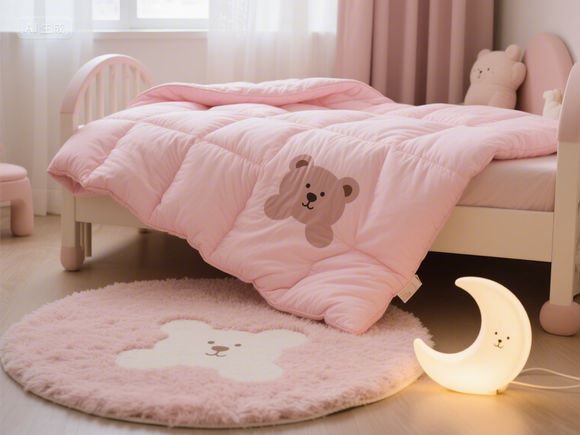
Think of loft like the height of a single fill fiber when you lift it. High-loft fill means the individual fibers are lofted up quite a bit when you compress and then release them. This fluffiness is measured in inches. For example, a comforter might be described as having 80% high-loft fill, meaning 80% of the fill meets a certain fluffiness standard.
Here's a quick comparison of typical loft levels and their characteristics:
| Loft Level | Fill Height (Approx.) | Key Characteristics |
|---|---|---|
| Standard | 1-3 inches | Good warmth, good value, versatile |
| Medium | 3-6 inches | Enhanced warmth, softness, good balance |
| High | 6-9 inches | Maximum warmth, exceptional softness, excellent drape |
| Ultra-High | 9+ inches | Maximum warmth, very soft, lightweight feel |
The Upsides of High Loft
Okay, so why do people love a fluffier comforter? There are definitely some advantages:
- Enhanced Warmth: Fluffier fill traps more air. Think of shaking out a sleeping bag – the fluffier it is, the better it insulates you against the cold. So, a high-loft comforter generally provides more warmth, which is great for colder climates or chilly winter nights.
- Softness & Drape: High-loft fill often feels softer against your skin. The extra volume gives the comforter a beautiful drape, making it look luxurious and floaty on top of your bed. It just looks and feels plush.
- Lightweight Feel (Despite More Fill): This is a bit counterintuitive, but high-loft fill achieves warmth without necessarily adding heaviness. Because the fibers are fluffed up, they are more air, which means the comforter can feel surprisingly light for the amount of filling it contains. This is often achieved through specific manufacturing processes that create long, resilient fibers.
The Potential Downsides of Very High Loft
Now, let's look at the flip side. While high loft has its perks, it might not be suitable for everyone or every situation:
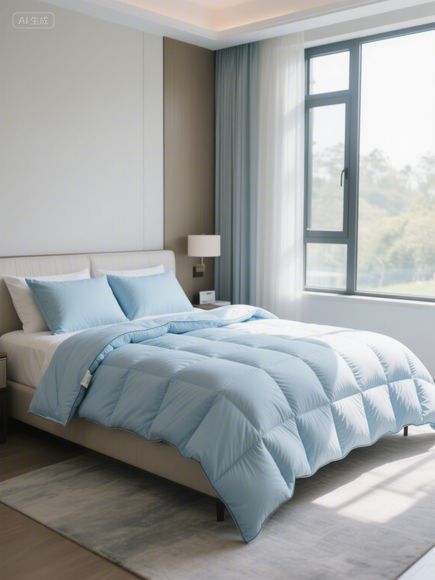
- Bulkiness & Wrinkling: That's right, bulkiness! A comforter with extremely high loft can be quite thick and puffy. This might not be ideal if you prefer a sleek, minimalist look under your duvet cover. It can also wrinkle significantly when washed or dried, requiring more ironing or potentially limiting how you can fold it.
- Potential for Heat Trapping: While it traps air for warmth, sometimes too much trapped air can feel stuffy, especially if you sleep hot. A very high-loft comforter might contribute to a warmer-than-desired sleeping environment for some people.
- Cost: Often, higher quality or higher loft fill comes with a higher price tag. You're paying for the specialized fibers, the manufacturing process, and the overall premium feel.
- Practicality: If you live in a humid climate, a very high-loft comforter might retain moisture or feel heavy when damp. It also might require more careful handling during washing and drying due to its volume.
So, Is More Loft Always Better? It Depends!
The answer really boils down to your personal needs and preferences:
- If you need maximum warmth: Go for a high or ultra-high loft comforter. It's like adding an extra layer of insulation.
- If you love a luxurious, soft, and drapey feel: High-loft fill often delivers on that promise.
- If you prefer a sleek look under a duvet cover: A standard or medium loft comforter might be better, as it's less bulky.
- If you tend to sleep hot: You might prefer a lower loft option or one made with fibers designed for better breathability, even if it's still quite soft.
- If budget is a concern: Standard loft fill can offer good performance at a more accessible price point.
Jia Yu Textile Factory: Polyester Fiber Fill Expertise
Now, let's talk about a company that deals with polyester fiber fill, like Jia Yu Textile Factory. They understand the nuances of comforter fill. They focus on producing high-quality polyester fiber fill that balances softness, warmth, and durability. Their products are designed to meet various needs.
- Product Advantage Focus: Jia Yu Textile Factory emphasizes the performance and reliability of their polyester fiber fill. Their commitment is to provide consistent quality, ensuring that their fill meets specific standards for loft, resilience, and feel. They likely produce fill suitable for a range of comforters, from standard loft options for everyday use to high-loft versions for those seeking extra warmth and softness. The key advantage is that their fill is engineered to perform well, offering comfort and longevity without the downsides often associated with lower quality synthetics, regardless of the loft level chosen by the manufacturer for their final comforter product.
Putting It All Together: Ask Yourself...
Before you settle on a comforter, ask yourself these questions:

- What's my primary goal? (Warmth, softness, appearance, value?)
- What's my sleep environment like? (Climate, bedroom temperature, humidity?)
- How do I feel about bulkiness and wrinkling?
- What's my budget?
Frequently Asked Questions (FAQ) Style
- Q: My comforter says "high-loft" but it wrinkles a lot. Is that normal?
A: Yes, it's quite common. High-loft fill consists of individual fibers that need to be compressed during shipping and then fluffed up again during washing and drying. This process can cause wrinkling. Good quality high-loft fill should recover well after drying. Ironing might be needed, or look for comforters specifically advertised as low-maintenance.
- Q: Does higher loft always mean warmer?
- A: Generally, yes, because higher loft traps more air, which is a good insulator. However, the quality of the trapped air and the specific climate also play a role. A very high-loft comforter in a very warm room might feel too warm, whereas a standard loft might be perfectly fine.
- Q: Can I use a high-loft comforter year-round?
A: It depends on your climate and personal tolerance. High-loft is excellent for winter. In milder seasons or warmer climates, you might find it too warm. Layering with lighter blankets or choosing a lower-loft comforter might be better.
- Q: What's the difference between polyester fiber fill and other synthetics like microfiber?
- A: "Polyester fiber fill" is a broad term. Microfiber is actually a type of polyester fiber, often very fine. The main difference lies in the specific fiber type and processing. Jia Yu Textile Factory might produce various types of polyester fibers, each potentially offering slightly different performance characteristics (e.g., softness, resilience, loft). But generally, both are synthetic, durable, hypoallergenic, and provide good warmth.
The Verdict
No, a fluffier polyester fiber fill comforter isn't always the best choice. While high loft offers significant benefits in terms of warmth and softness, it can also mean more bulk, potential heat trapping, and a higher cost. The "best" comforter for you depends entirely on your specific needs, your sleep environment, and your personal preferences. Consider the trade-offs and choose the loft level that strikes the right balance for your comfort and lifestyle. Happy snuggling!
Expanded Knowledge:
In the realm of polyester fiber blankets, is there a correlation between their extra-fluffy qualities and their overall quality? Let's delve into this topic with an insight into the matter.
佳羽纺织厂聚酯纤维被:蓬松度与产品优势的探讨
在讨论聚酯纤维被的品质时,我们首先需要了解蓬松度这一概念,对于聚酯纤维被来说,其蓬松度是否越佳,是否真的越受欢迎呢?我们将通过案例分析、产品优势说明以及英文解释来解答这一问题。
案例分析
佳羽纺织厂生产的聚酯纤维被具有多种蓬松度选择,从实际使用体验来看,蓬松度越高的被褥确实给人一种更加柔软、舒适的感觉,这种蓬松度不仅提升了被子的保暖性能,还增加了其透气性,使得人们在睡眠过程中能够感受到更加贴身的舒适体验。
产品优势说明
佳羽纺织厂生产的聚酯纤维被具有以下显著优势:
- 高蓬松度设计:采用先进的生产工艺和技术,确保每一床聚酯纤维被都具有较高的蓬松度,这种设计不仅提升了被子的保暖性能,还赋予了其轻盈、舒适的特性。
- 舒适性优越:高蓬松度的聚酯纤维被能够更好地贴合人体曲线,提供更加贴身的睡眠体验,它能够有效地吸收和分散人体产生的热量,保持适宜的睡眠温度。
- 环保与耐用性:聚酯纤维是一种环保材料,具有较高的耐用性,该厂在生产过程中注重细节处理,确保产品的质量与耐用性。
关于产品蓬松度的英文介绍
产品蓬松度是衡量其舒适性和保暖性能的重要指标之一,在聚酯纤维被领域,蓬松度越高意味着产品能够更好地满足人们对舒适和保暖的需求,优质的聚酯纤维被不仅具有良好的保暖性能,还能够提供轻盈、舒适的睡眠体验。
探讨聚酯纤维被的蓬松度:产品优势与选择依据
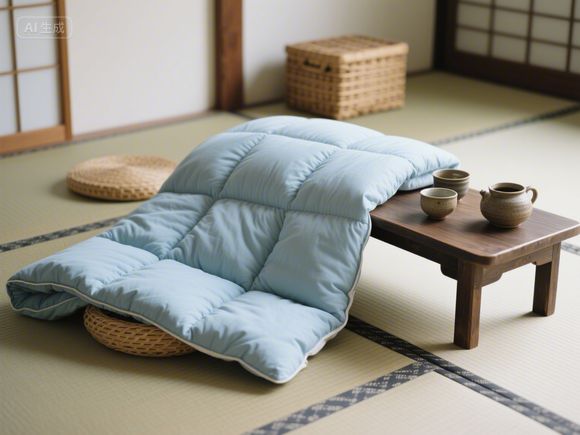
英文样板内容:
英文样板内容(标题):
Is a high-pile polyester fiber blanket better? A case study and product advantages explained 部分:探讨聚酯纤维被蓬松度的意义与考量因素
探讨聚酯纤维被的蓬松度对于消费者来说具有重要意义,高蓬松度的产品不仅能够提供更好的保暖性能和舒适体验,还能够满足人们对轻盈、时尚的需求,在选择聚酯纤维被时,消费者应该根据自身需求和喜好进行综合考虑。
问答形式补充说明:关于佳羽纺织厂聚酯纤维被的优势与特点
问:佳羽纺织厂生产的聚酯纤维被有哪些显著的优势? 答:佳羽纺织厂生产的聚酯纤维被具有高蓬松度设计、舒适性优越以及环保与耐用性等特点,这些特点使得产品在市场上备受消费者青睐。
问:您认为消费者在选择聚酯纤维被时应该注意哪些因素? 答:消费者在选择聚酯纤维被时应该关注产品的蓬松度、保暖性能、舒适性和耐用性等方面,还需要考虑产品的材质、工艺和品牌等因素。