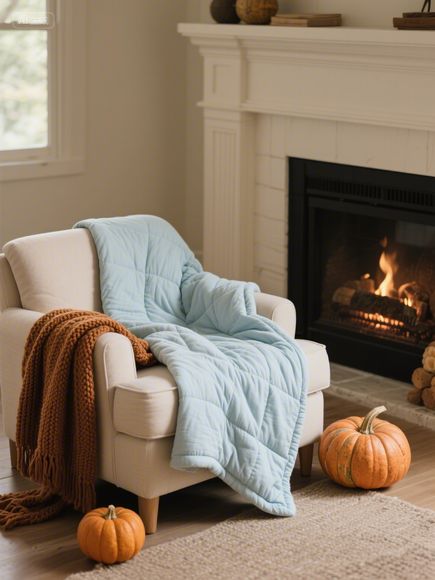
Is Polyester Fiberfill the Same as Silk Cotton?
No, polyester fiberfill and silk cotton are not the same. Polyester fiberfill is a synthetic, man-made material often used for insulation and stuffing due to its durability and resilience. Silk cotton, however, is a natural fiber derived from the kapok tree, prized for its softness, lightness, and excellent insulating properties, often used in luxury bedding and upholstery. While both can be used for filling, they differ significantly in origin, composition, and feel.
Let's dive into a question that often pops up when shopping for bedding: "Is polyester fiberfill the same as silk cotton?" Honestly, many people get confused by these terms, and it's easy to see why they might sound similar. But the truth is, they are not the same thing at all! Let's break it down together.
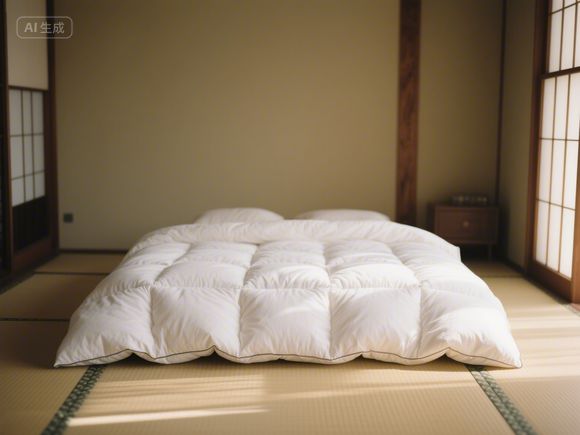
First off, what are we even talking about here? Silk cotton refers to fibers that come from the kapok tree. Kapok is a natural fiber, harvested from the inner lining of the fruit of the Ceiba pentandra tree. It's known for being incredibly lightweight, hypoallergenic, and excellent at trapping air, which makes it a great insulator. Think of it like the fluff you find inside some pillows or comforters – that's kapok in action.
On the other hand, polyester fiberfill is a synthetic material. It's made from petroleum-based plastics, melted down and extruded into tiny fibers, which are then bonded together to form batting or filling. This is the kind of filling you'll find in most comforters, blankets, and even some pillows today. It's durable, resistant to moisture, and generally quite affordable.
So, back to the big question: No, polyester fiberfill is not silk cotton. They come from entirely different sources – one is natural (kapok tree), and the other is synthetic (petroleum). They also have different properties, which means they perform differently in bedding applications.
Let's look at some key differences side by side:
| Feature | Silk Cotton (Kapok) | Polyester Fiberfill |
|---|---|---|
| Source | Natural (kapok tree) | Synthetic (petroleum) |
| Texture | Very soft, smooth, almost silky | Soft, but can sometimes feel less plush |
| Weight | Lightweight | Lightweight (can be bulkier for warmth) |
| Warmth | Excellent natural insulator | Good insulator |
| Moisture Wicking | Poor (absorbs moisture) | Good (resists moisture) |
| Durability | Durable, but can mat down over time | Very durable, resistant to matting |
| Hypoallergenic | Generally yes | Generally yes |
| Pilling | Low | Can pill over time with heavy use |
| Care Instructions | Dry clean only | Machine washable (check label) |
Now, let's address some common questions people have about these materials.
Q: Is silk cotton the same as cotton? A: No, silk cotton (kapok) and cotton are completely different fibers. Cotton comes from the seed of the Gossypium plant, while silk cotton comes from the kapok tree. Cotton is a natural fiber that's breathable and absorbent, whereas kapok is also natural but has very different properties – it's much lighter, less absorbent, and a better insulator.
Q: What are the advantages of polyester fiberfill? A: Polyester fiberfill has several benefits that make it popular for bedding. It's incredibly durable and resistant to compression, meaning it maintains its loft over time. It's also machine washable and dryer safe (always check the care label!), making it very convenient. Polyester is naturally resistant to moisture, so it won't absorb as much water as natural fibers, which can help prevent mold and mildew. It's also generally more affordable than natural fillings like silk cotton or down.
Q: What are the advantages of silk cotton (kapok)? A: Silk cotton is prized for its unique qualities. It's exceptionally lightweight, making bedding feel less heavy. Kapok is a natural insulator, keeping you warm in cool weather and cool in hot weather. It's also hypoallergenic and doesn't attract dust mites as much as some other fibers. Kapok is also biodegradable, which is an environmental plus.
Q: Can polyester fiberfill be confused with silk? A: Sometimes, yes. Both polyester and silk are synthetic materials, but they are manufactured differently and have distinct feel and properties. Silk is a natural protein fiber produced by silkworms and is known for its smoothness, sheen, and luxurious feel. Polyester has a more synthetic, sometimes less luxurious drape. However, the term "silk cotton" specifically refers to kapok, not silk.
Q: Is polyester fiberfill safe? A: Generally, yes. Polyester fiberfill is designed for bedding and upholstery and is considered safe for most people. However, like any bedding material, it's best to practice good hygiene by washing your comforter regularly according to the care instructions.

Real-World Example:
Imagine you're shopping for a new comforter. You see one labeled "Silk Cotton" and another "Polyester Fiberfill." The silk cotton comforter might feel incredibly soft and light, almost weightless, and you know it's a natural, hypoallergenic option. The polyester comforter might feel slightly different, perhaps a bit more synthetic, but it's likely to be just as warm, very durable, and much easier to care for – you can probably toss it in the washing machine without any fuss.
Jia Yu Textile Factory: Polyester Fiberfill Comforters
At Jia Yu Textile Factory, we specialize in producing high-quality polyester fiberfill comforters. We understand that consumers want durable, comfortable, and easy-to-care-for bedding. Our polyester fiberfill is carefully manufactured to ensure consistent quality and performance.
Why Choose Jia Yu Polyester Fiberfill Comforters?
- Superior Warmth: Our polyester fiberfill is designed to provide excellent warmth without adding unnecessary bulk. It effectively traps air, keeping you cozy all night.
- Durability & Longevity: Unlike some natural fillings that can lose their fluffiness over time, our synthetic fiberfill is resistant to compression and matting, ensuring your comforter stays plush for years to come.
- Easy Maintenance: We know your time is valuable. That's why our comforters are machine washable and dryer safe, making cleaning a breeze. Simply follow the care instructions on the label, and you're good to go.
- Moisture Resistance: Polyester naturally resists moisture absorption. This means your comforter won't become damp or heavy from humidity or accidental spills, helping to maintain hygiene and prevent unpleasant odors.
- Hypoallergenic Properties: For those with allergies or sensitivities, our polyester comforters are an excellent choice. They don't attract dust mites or harbor allergens, providing a healthier sleep environment.
- Affordability: Enjoy the benefits of high-quality bedding without the premium price tag. Our polyester comforters offer great value, combining comfort, durability, and ease of care.
Conclusion:
So, to answer the burning question once and for all: No, polyester fiberfill is not silk cotton. They are distinct materials with different origins and characteristics. While both can provide warmth and comfort in bedding, they cater to slightly different needs and preferences. Understanding these differences helps you make an informed choice based on factors like care requirements, durability, warmth, and budget. Whether you opt for the natural luxury of silk cotton or the synthetic convenience of polyester fiberfill, there's a perfect comfort solution out there for everyone.
Expanded Knowledge:
Examining the Relationship between Polyester Fiber Bedding and Silk
In this discussion, let's explore whether the polyester fiber bedding you're considering is actually made from silk. Here's an English-language essay to help you understand.

聚酯纤维被芯与丝绵的关系
聚酯纤维被芯简介
聚酯纤维被芯是一种合成纤维,以其高强度和高保暖性而受到广大消费者的喜爱,它通常由高分子化合物制成,具有优良的耐用性和保暖性能。
丝绵与聚酯纤维被芯的比较
聚酯纤维被芯并不直接等同于丝绵,虽然两者在某些方面有相似之处,如保暖性和耐用性,但它们在原材料和制作工艺上存在差异。
产品优势说明
佳羽纺织厂生产的聚酯纤维被芯具有以下优势:
- 高保暖性:聚酯纤维被芯具有出色的保暖性能,适合冬季使用。
- 耐用性:经过特殊工艺处理,聚酯纤维被芯具有较长的使用寿命。
- 环保友好:采用环保材料制作,符合现代消费者对绿色产品的需求。
案例分析
假设某消费者在选购聚酯纤维被芯时,询问是否为真正的丝绵,以下是一个案例说明:
“我们厂的聚酯纤维被芯采用了先进的生产工艺,确保其保暖性和耐用性,从材料上来看,它确实更接近真正的丝绵,因为它的原材料主要是聚酯纤维,而丝绵通常由天然蚕丝制成。”
关于佳羽纺织厂聚酯纤维被芯是否为丝绵的英文说明如下:
佳羽纺织厂聚酯纤维被芯产品优势说明
佳羽纺织厂生产的聚酯纤维被芯以其高保暖性、优良的耐用性以及环保友好性而受到广大消费者的青睐,该产品并不直接等同于丝绵,但其在原材料和制作工艺上与真正的丝绵有诸多相似之处,其独特的优势使得它在市场上具有很高的竞争力。