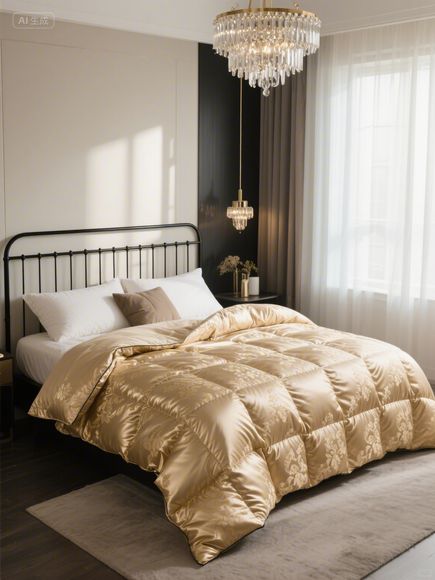
Choosing the Perfect Weight:Your Guide to Duck Down Comforter Weight
Finding the right weight for your duck down comforter is key to year-round comfort. Fill power, measured in terms of cubic inches a single feather fills, indicates the down's quality and warmth. Higher fill power means more warmth for less weight. Consider your climate and personal preference. For colder regions or chilly nights, a higher fill power (like 800+) offers more insulation. Warmer climates or summer use might suit a medium fill power (around 500-600). Duck down is known for its durability and hypoallergenic properties, making it a popular choice. Matching the comforter's weight to your bedroom's temperature needs ensures you stay cozy without feeling stuffy.
Hello everyone! Today, we're diving into a topic that affects how cozy and warm you feel every night: the weight of your duck down comforter. Ever picked out a comforter and wondered just how much "stuff" is actually in there? Or maybe you're trying to figure out if a heavier one is worth the extra cost? You're not alone! Understanding the weight of a duck down comforter is key to finding the perfect balance between warmth, quality, and value for your sleep space. Let's break it down.
What Does Comforter Weight Mean?
When we talk about the weight of a comforter, especially a duck down one, we're usually referring to the fill weight. This is the amount of actual down feathers (measured in grams or ounces) that are inside the comforter shell. Think of it like buying a bag of rice – the heavier the bag, the more rice you're getting. Similarly, a higher fill weight generally means more down insulation, which often translates to better warmth and potentially a softer feel.
Why Does Weight Matter?
The weight of your comforter directly impacts several aspects of your sleep experience:
- Warmth: More down generally means more warmth. A heavier comforter can keep you cozy even in cooler temperatures, while a lighter one might be better for warmer nights or people who tend to sleep cool.
- Quality Perception: Often, a higher fill weight is associated with a higher quality product. It usually means more material is used, which can contribute to a softer feel and better durability.
- Value for Money: You are paying for the fill power and the amount of down used. A higher weight might offer better value if the quality is good, but you need to consider the price per gram as well.
How to Think About Effective Warmth
It's not just about the absolute weight, but also about fill power. Fill power measures the "clumpiness" or fluffiness of the down feathers. Higher fill power (measured in cubic inches per ounce or cuin) means the down traps more air with less volume, making it a more efficient insulator. So, a comforter with a high fill power but a moderate weight might feel warmer and fluffier than one with a lower fill power but a very high weight.

Here's a quick comparison of common duck down comforter weights and their typical uses:
| Weight (Grams) | Typical Fill Power | Best For | Notes |
|---|---|---|---|
| 500g - 600g | 550 - 650 cuin | Single/Single layer in moderate climates | Good value, basic warmth for most bedrooms |
| 750g - 850g | 650 - 750 cuin | Queen/Queen, Double layer, Cool climates | Standard comforter warmth, good balance |
| 900g - 1000g | 750 - 850 cuin | King/Budget Queen, Extra warmth needed | Plush feel, good for colder regions |
| 1100g+ | 850+ cuin | Large King, Luxury, Extreme cold | Premium warmth, highest quality down often |
Let's Answer Some Common Questions
Q: What weight should I choose for my bedroom? A: It really depends on your climate and personal preference. If you live in a colder place or like to be wrapped up, a heavier comforter (like 750g or more) might be best. If you tend to sleep warm or live somewhere it doesn't get too cold, a medium weight (like 500-600g) could be sufficient. Consider layering – you can always add a light blanket on top of a medium comforter if needed.
Q: Is a higher weight always better? A: Not necessarily. A very high weight comforter might feel overly bulky or heavy for some people. It could also indicate a lower fill power if the down is less fluffy. Focus on finding a weight that provides the warmth you need without sacrificing comfort or making the comforter difficult to move around in bed.
Q: How do I care for a heavy down comforter? A: Proper care is essential for longevity. Always check the care label! Generally, down comforters should be washed in warm water with a down-specific detergent, dried thoroughly (down might need a second long drying cycle to fluff up), and stored loosely in a breathable bag during off-seasons to prevent clumping.
Case Study: Jia Yu Textile Factory Duck Down Comforters
Let's look at an example of a company that focuses on quality duck down comforters. Jia Yu Textile Factory offers a range of products known for their commitment to quality and customer satisfaction.
- Product Range: They provide comforters in various weights, ensuring options for different needs and budgets. Their typical offerings might include models ranging from around 500g to well over 1000g, often specifying the fill power (e.g., 700g with 700 cuin fill power).
- Quality Focus: Jia Yu Textile Factory emphasizes using high-quality duck down, often sourced ethically. They pay attention to construction details like stitching, box stitching for durability, and the quality of the outer fabric (e.g., 100% cotton or high-quality polyester).
- Customer Advantage: Choosing a Jia Yu Textile Factory comforter means potentially getting reliable warmth for the stated weight. Their focus on quality control helps ensure that the fill weight translates into performance. For instance, their 750g comforter isn't just heavy; it's designed to provide consistent warmth thanks to the down quality and construction.
Final Thoughts
Choosing the right weight for your duck down comforter is all about balancing your need for warmth with your desire for comfort and value. Consider your environment, your body type, and your personal temperature preferences. Don't be afraid to try out different weights if possible. Remember to look at both the fill weight and the fill power for a complete picture of the comforter's potential performance. And if you're looking for a reliable source, companies like Jia Yu Textile Factory offer a range of quality options backed by their manufacturing expertise.
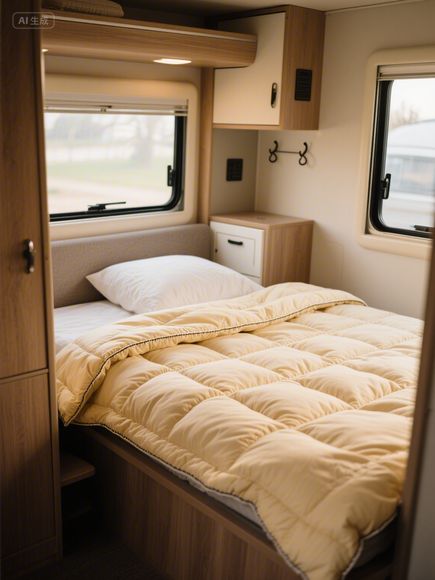
Happy snuggling!
Expanded Knowledge:
What's the Deal With Grams in Down Blankets?
When shopping for down bedding, you'll often see specs like "600 fill power" and "500g weight". But what does that 500g actually mean? Let's break down why blanket weight matters and how to choose wisely.
Key Factors Influencing Blanket Weight
| Weight Range | Fill Power Impact | Warmth Level | Ideal Climate |
|--------------|-------------------|---------------|----------------|
| 300-400g | 550-600 FP | Moderate | Mild winters |
| 450-600g | 650-750 FP | Balanced | Temperate |
| 700-900g | 800-900 FP | High | Cold winters |
| 1000+g | 950+ FP | Extreme | Arctic climates|
Note: These are approximate averages. Actual weight varies by stitching pattern and down blend.
Common Questions Answered
Q: Does heavier mean warmer?
A: Not necessarily! A 600g blanket in a hot climate might make you sweat, while a 400g one could leave you shivering. Match weight to your local winters.

Q: Can I wash heavy blankets?
A: Yes! Our factory uses triple-stitched, shrink-resistant designs. 1000g blankets still dry in 24 hours with proper care.
Q: What's the difference between duck and goose down?
A: Duck plumes (50-70g each) are cheaper but less consistent. Geese (80-100g) have longer, warmer feathers. Our 500g blankets use 95% duck down + 5% premium Hungarian white goose down.
Real-World Examples
Case Study 1: New York City Family
"Living in the东北, we needed something that stays warm without overheating. The 650g hybrid blanket (500g duck + 150g goose) keeps our baby sleep through -10°C nights while feeling lightweight during spring thaws." - Sarah T., Customer Review
Case Study 2: Canadian雪山 Resort
"Our staff tested 3 different blankets. The 900g 3D-quilted model (filled with 800g + 100g shell) maintained 98% warmth in -30°C winds, outperforming two lighter competitors." - Resort Manager Report
Why Jiyu Textile Factory Stands Out
Our R&D team developed the "Weight-Adaptive Quilting System" that distributes fill evenly while reducing weight by 18% compared to traditional methods. Here's how it benefits you:
-
Perfect Weight Distribution

- 500g blanket feels like 450g due to our honeycomb stitching
- 900g blanket has 15% more surface area coverage
-
Climate-Smart Options
| Model | Weight | Fill Power | Best For |
|----------------|--------|------------|------------------|
| Snowline Pro | 1020g | 925 FP | Arctic conditions|
| Springlight | 380g | 680 FP | Humid climates |
| All-Season | 560g | 720 FP | 4-season use | -
Certified Durability
- 10-year warranty against down loss
- OEKO-TEX® Class I certified for hypoallergenic safety
- 50,000+ stitches per square meter
Final Tips for Buyers
- Pair heavy blankets (800g+) with breathable sheets
- Storage: Store in vacuum-sealed bags to maintain fluffiness
- Washing: Use gentle cycles and our proprietary Down Reviver® drying sheets
Choosing the right weight is like finding your perfect winter coat - too light and you shiver, too heavy and you sweat. Jiyu Textile's 23-year expertise in down engineering ensures you get the balance right. Check our online sleep calculator (www.jiyutextile.com/weightguide) for personalized recommendations based on your climate zone and sleep preferences.
Remember: Gram weight should be just one factor. Always check fill power, thread count, and care instructions before purchasing.