Pure Wool vs.Polyester Fiber:Which One Reigns Supreme for Your Bedding?
Deciding between pure wool and polyester fiber for bedding involves weighing comfort, durability, and cost. Pure wool is prized for its natural temperature regulation, breathability, and luxurious feel, making it ideal for those seeking a premium, temperature-adaptive sleep experience. However, it can be more expensive and may require careful maintenance to prevent pilling or moisture issues. Polyester fiber, on the other hand, is a synthetic alternative known for its affordability, durability, and resistance to wrinkles and shrinking. It provides consistent softness and is easy to care for, but it may lack the natural breathability and can sometimes feel less luxurious or trap heat. Ultimately, the choice depends on your budget, preferred feel, and maintenance habits.
Alright, let's talk about bedding. More specifically, let's dive into the world of pure wool and polyester fiber. If you're shopping for a new comforter or duvet cover, you've probably come across both materials and wondered: which one is better? Well, the answer isn't always straightforward, as it depends on your priorities, climate, and personal preferences. But don't worry, we're here to break it down for you.
First off, let's understand what we're dealing with. Pure wool comes from sheep, and it's known for its natural warmth, breathability, and ability to regulate temperature. On the other hand, polyester fiber is a synthetic material, often used in blends, but sometimes found on its own. It's known for being soft, lightweight, and durable. But how do they stack up against each other?
Let's start with a quick comparison table to get a high-level overview:
| Feature | Pure Wool | Polyester Fiber |
|---|---|---|
| Warmth | Excellent, especially in cold weather | Good, can be very warm |
| Breathability | Superior, natural temperature regulation | Moderate, can trap heat |
| Moisture Wicking | Excellent, absorbs humidity without feeling wet | Good, repels moisture but doesn't absorb it |
| Durability | High, with proper care | Very high, resistant to wear and tear |
| Hypoallergenic | Generally yes | Yes, but may contain fillings that aren't |
| Pilling | Possible with rough handling | Common, especially with low-quality fibers |
| Care Requirements | Moderate, requires proper washing and drying | Easy, machine washable and dryable |
Now, let's explore each of these features in more detail.
Warmth: Pure Wool vs. Polyester Fiber
When it comes to warmth, pure wool is often the winner. Wool has a unique ability to trap air, which helps insulate your body and keep you warm even in cold temperatures. Plus, wool is a natural temperature regulator. If you're too hot, it allows your skin to breathe and cool down. If you're too cold, it provides insulation. This makes wool bedding a great choice for people who experience fluctuating temperatures during the night.
Polyester fiber, on the other hand, is designed to mimic the insulating properties of wool but does so in a different way. It’s a synthetic material that can trap air as well, but it doesn't have the same natural temperature-regulating capabilities. Polyester bedding is great for colder climates or for people who tend to sleep very cold. However, it can sometimes feel stuffy and may not allow as much airflow as wool.
Breathability: The Wool Advantage
Breathability is where wool truly shines. Because wool is a natural fiber, it can absorb up to 30% of its weight in moisture without feeling wet. This means it can wick away sweat and humidity from your skin, keeping you dry and comfortable throughout the night. Plus, wool’s natural structure allows for excellent air circulation, which helps prevent overheating.
Polyester fiber, while it does have some moisture-wicking properties, doesn't absorb moisture like wool does. Instead, it repels water, which can be a good thing in some situations, but it also means it doesn't handle humidity as effectively. If you live in a humid climate or tend to sweat a lot while sleeping, wool might be the better choice.
Durability and Longevity
Both pure wool and polyester fiber are durable materials, but they have different lifespans. Wool is a natural fiber that, with proper care, can last for many years. It’s resilient and can bounce back after compression. However, wool can be more susceptible to damage from rough handling, exposure to sunlight, and certain cleaning methods.
Polyester fiber is known for its durability and resistance to wear and tear. It doesn’t shrink or wrinkle easily, and it can withstand repeated washing and drying without losing its shape. This makes polyester bedding a great long-term investment, especially if you’re looking for something that’s easy to maintain.
Hypoallergenic Properties
If you suffer from allergies, you might be wondering which material is better for you. Wool is generally considered hypoallergenic because it’s a natural fiber that doesn’t trap dust mites, pollen, or other allergens. However, it’s important to note that not all wool is created equal. Some wool bedding may have treatments or finishes that could attract allergens, so it’s always a good idea to check the product specifications.
Polyester fiber is also hypoallergenic, but it’s important to be aware that some polyester bedding may contain fillings or dyes that could trigger allergic reactions. If you’re sensitive to synthetic materials, you might want to opt for a pure wool option or one that’s specifically labeled as hypoallergenic.
Pilling and Surface Wear
Pilling is that fuzzy ball of fibers that can appear on the surface of fabrics after repeated use and washing. Both wool and polyester can pill, but for different reasons. Wool pilling is often caused by rough handling or exposure to friction, while polyester pilling is more common with lower-quality fibers.
If you’re concerned about pilling, investing in high-quality wool or polyester bedding is the way to go. Higher-quality fibers are less likely to pill and will last longer. Additionally, proper care, such as avoiding rough surfaces and using a gentle cycle when washing, can help minimize pilling.
Care Requirements: What You Need to Know
Proper care is essential for extending the life of your bedding, regardless of whether it’s made from wool or polyester. Wool bedding requires a bit more attention. It should be washed in warm water with a wool-specific detergent and dried either by hanging or using a low heat setting. Avoid using bleach or fabric softeners, as these can damage the fibers.
Polyester fiber is much easier to care for. It can typically be machine washed and dried without any issues. However, it’s important to follow the care instructions on the label to ensure your bedding lasts as long as possible.
Real-World Examples
Let’s take a look at some real-world examples to see how pure wool and polyester fiber bedding perform in different scenarios.
Case Study 1: Cold Climate
In a cold climate, a family in northern Canada decided to switch from polyester to pure wool bedding. They found that the wool comforter kept them warm even during the coldest winter nights, and its temperature-regulating properties meant they didn’t wake up feeling too hot or too cold. The wool also absorbed any moisture from their sleep, keeping them dry and comfortable.
Case Study 2: Humid Climate
In a humid climate like Florida, a couple switched from wool to polyester bedding because they found that the wool comforter retained too much moisture, making them feel clammy and uncomfortable. The polyester bedding, however, wickled away moisture effectively and kept them cool and dry throughout the night.
Case Study 3: Allergy Sufferer
A person with severe allergies switched to pure wool bedding and noticed a significant reduction in allergy symptoms. The natural fibers didn’t trap allergens, and the bedding felt breathable and comfortable. They also appreciated the fact that wool is a natural, chemical-free material.
The Role of Jia Yu Textile Factory
Now, let’s talk about Jia Yu Textile Factory. They specialize in producing high-quality pure wool and polyester fiber products. Their pure wool bedding is crafted from the finest wool fibers, ensuring superior warmth, breathability, and durability. Each piece is meticulously processed to maintain its natural properties, making it an excellent choice for those seeking comfort and quality.
Their polyester fiber products, on the other hand, are designed to be soft, durable, and easy to care for. The factory uses advanced technology to produce polyester fibers that are resistant to pilling and wear, ensuring that their products last a long time.
Frequently Asked Questions (FAQs)
Q: Is pure wool bedding suitable for people with sensitive skin? A: Yes, pure wool is generally gentle on the skin. However, some people may experience irritation if the wool is not processed properly or if it contains coarse fibers. Look for extra-fine merino wool for the softest experience.
Q: Can polyester bedding be used in all seasons? A: Polyester bedding is best suited for colder months. In warmer climates or seasons, it can feel stuffy and may not provide the same level of breathability as wool.
Q: How often should I wash my bedding? A: It’s generally recommended to wash bedding every 1-2 weeks to keep it fresh and hygienic. However, this can vary depending on the material and your personal preferences.
Q: Is wool bedding more expensive than polyester bedding? A: Yes, pure wool bedding is typically more expensive than polyester bedding. However, wool is a more durable and long-lasting material, making it a better investment in the long run.
Conclusion
So, which one is better? Pure wool or polyester fiber? The answer really depends on your needs. If you prioritize natural temperature regulation, breathability, and hypoallergenic properties, pure wool is the way to go. On the other hand, if you need something durable, easy to care for, and great for colder climates, polyester fiber might be the better choice.
At Jia Yu Textile Factory, we pride ourselves on offering high-quality bedding options that cater to a variety of needs. Whether you choose pure wool or polyester fiber, you can be sure that our products are designed to provide comfort, durability, and value for money. So, go ahead and explore the world of pure wool and polyester fiber bedding—find the perfect match for your sleep needs!
Expanded Knowledge:
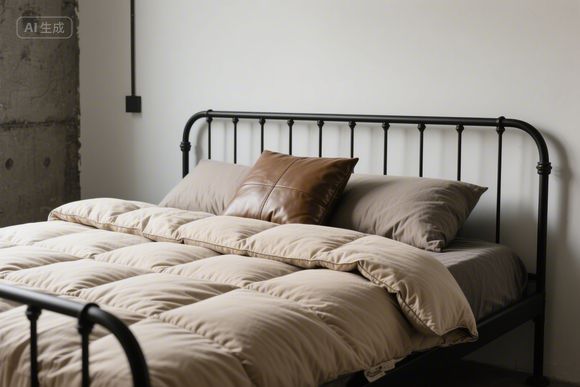
大家好,今天我们将探讨纯羊毛被和聚酯纤维这两种常见的床上用品,纯羊毛被以其天然、环保、舒适的特点备受青睐,而聚酯纤维则以其耐用、易清洗等优点受到广大消费者的喜爱,在佳羽纺织厂,这两种产品都有其独特的优势。
产品介绍
纯羊毛被
纯羊毛被主要由优质羊毛制成,具有以下特点:
(1)天然材质:纯羊毛被采用天然羊毛纤维,无化学添加,健康环保。
(2)保暖性能好:纯羊毛被具有良好的保暖性能,能够为睡眠提供舒适的温度。
(3)柔软舒适:纯羊毛被手感柔软,触感舒适,适合各种体型的人群使用。
聚酯纤维
聚酯纤维是一种合成纤维,具有以下优点:
(1)耐用性:聚酯纤维产品耐用性强,不易磨损,使用寿命长。
(2)易清洗:聚酯纤维产品易于清洗,方便快捷。
(3)多种款式选择:佳羽纺织厂提供多种款式和颜色的聚酯纤维产品,满足不同消费者的需求。
产品优势说明
佳羽纺织厂的产品在纯羊毛被和聚酯纤维方面具有以下优势:
-
纯羊毛被的优势在于其天然材质和舒适性,纯羊毛被采用优质羊毛纤维制作,无化学添加,健康环保,同时具有良好的保暖性能和柔软舒适的手感,纯羊毛被还具有很好的吸湿性,能够保持干爽舒适。
-
聚酯纤维的优势在于其耐用性和易清洗性,聚酯纤维产品具有较高的耐用性,不易磨损,使用寿命长,聚酯纤维产品易于清洗,方便快捷,可以满足消费者快速更换床品的需求,佳羽纺织厂还提供多种款式和颜色的聚酯纤维产品,以满足不同消费者的需求。
案例说明
在佳羽纺织厂,我们有许多成功的案例来展示纯羊毛被和聚酯纤维的优势,某消费者购买了一床纯羊毛被,使用了一段时间后反馈说这款被子的保暖性能非常好,让他睡得非常舒适,该消费者还表示这款被子的易清洗性也非常好,方便快捷地解决了更换床品的问题,我们还提供多种款式和颜色的聚酯纤维产品,满足不同消费者的需求,这些产品受到了广大消费者的喜爱和好评。
纯羊毛被和聚酯纤维都是优质的床上用品,各自具有独特的优势,在佳羽纺织厂,我们致力于提供高品质的产品和服务,以满足消费者的需求,我们相信,这些产品的优势能够为消费者带来更好的睡眠体验和舒适感。