What Exactly is Polyester Fiber Filling?
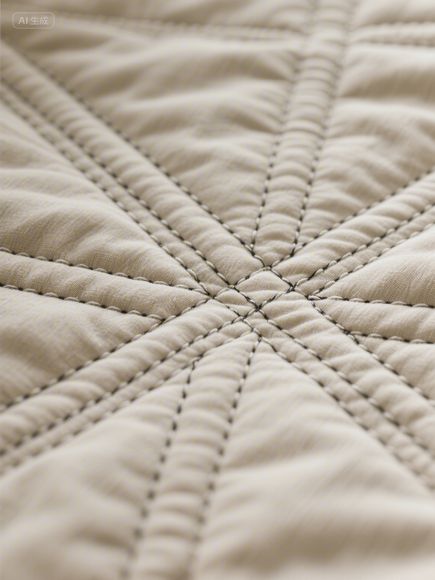
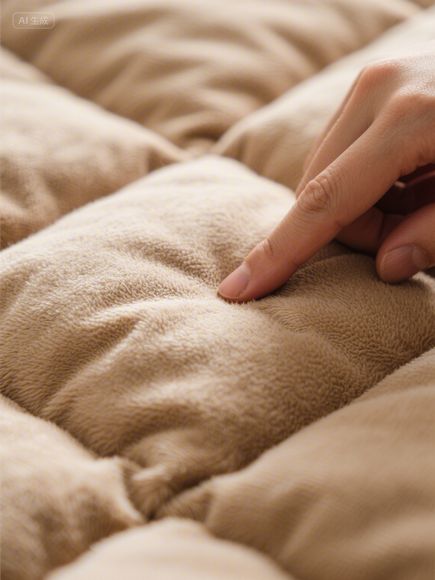
# What is Polyester Fiber Filling?,Polyester fiber filling is a synthetic, soft, and lightweight material used primarily for cushioning and insulation. Made from polyester fibers derived from petroleum, it provides warmth, durability, and resilience in bedding and upholstery. Commonly found in mattresses, pillows, comforters, and stuffed toys, it is often hypoallergenic, resistant to dust mites, and does not retain odors. While generally more affordable than natural fillings like down or feathers, it may not offer the same level of breathability. Its versatility and cost-effectiveness make it a popular choice for various soft goods applications.
Howdy everyone! Today, we're diving into the cozy world of polyester fiber filling, specifically focusing on how it's processed and why it's becoming a superstar in bedding and comfort products. If you've ever wondered about the journey of a fluffy polyester pillow or a warm polyester blanket, you're in the right place. We'll even touch on a specific video showcasing the process at Jia Yu Textile Factory – a key player in this industry.
Okay, let's start from the basics. Polyester fiber filling isn't just some generic stuffing; it's a specific type of synthetic fiber used to fill pillows, comforters, blankets, and even stuffed animals. Think of those soft, non-allergenic pillows you might have – a lot of them rely on polyester fiber fill.
- Composition: It's made from polyester fibers, which are long, thin synthetic strands created through a chemical process involving purified terephthalic acid (PTA) and monoethylene glycol (MEG). These are melted and extruded through spinnerets to form the fibers.
- Characteristics: Polyester fiber filling is known for being lightweight, durable, and resistant to compression. It doesn't clump easily, unlike some natural fillings, and it's generally hypoallergenic (less likely to trigger allergies).
Why Choose Polyester Fiber Filling? The Advantages Unveiled
So, why all the buzz around polyester fiber filling? Let's break down the key advantages:
- Durability & Longevity: Unlike down or feathers, polyester fiber filling doesn't lose its loft easily over time. It holds its shape pretty well, meaning your pillow or comforter will stay puffy and supportive for years. You don't have to replace it as frequently.
- Hypoallergenic Properties: If you suffer from allergies, this is a big plus. Polyester fibers don't trap dust mites, pollen, or other common allergens the way natural materials sometimes do. It's a great option for people with sensitive respiratory systems.
- Consistency: Every piece of polyester fiber filling should feel pretty similar. No lumpy spots, no shifting fill. It provides a uniform level of softness and support.
- Moisture Resistance: Polyester doesn't absorb water like natural fibers do. This means your polyester-filled items can dry faster if they get wet, and they're less likely to mildew or develop odors.
- Easy Care: Most polyester fiber filled products are machine washable and dryer safe. They generally bounce back quickly after washing, resisting the dreaded "flat pillow" morning.
- Cost-Effectiveness: Compared to premium natural fillings like goose down, polyester fiber filling is often more budget-friendly without sacrificing too much on comfort or performance.
Let's Compare Different Polyester Fiber Filling Types
Here's a quick look at some common types of polyester fiber filling used in bedding:

| Type | Loft (R-value) | Warmth Level | Best For | Price Range |
|---|---|---|---|---|
| Standard Polyester Fiberfill | Low-Medium | Medium | Everyday pillows, basic comforters | |
| High-Loft Polyester Fiberfill | Medium-High | Warm | Summer quilts, extra soft bedding | |
| Down-Style Polyester Fiberfill | High | Warm | Decorative pillows, shams | |
| Baffle-Box Polyester Filling | Varies by construction | Varies | Layered bedding systems |
Note: Prices can vary significantly based on brand, quality, and retailer.
How is Polyester Fiber Filling Processed? A Look at the Production Line
Now, let's talk about the manufacturing process. This is where a company like Jia Yu Textile Factory comes into play. They take raw polyester chips and transform them into the fluffy filling you find in your bedding. While the specifics might be proprietary, the general steps involve:
- Raw Material Preparation: High-quality recycled or virgin polyester chips are inspected and prepared.
- Melting & Extrusion: The chips are melted and pushed through spinnerets to form continuous filaments.
- Texturing: The molten filaments are cooled and texturized (a process that gives the fibers their crimp and bulk, making them soft and fluffy).
- Cutting: The textured filaments are cut into specific lengths, often ranging from 16mm to 60mm, depending on the desired feel and application.
- Dusting Removal: Fine polyester dust is removed from the fibers to ensure a clean final product.
- Baling & Packaging: The cut fibers are baled and packaged for shipment to manufacturers who will use them to fill pillows, comforters, etc.
Introducing Jia Yu Textile Factory: A Case Study in Quality Processing
Jia Yu Textile Factory is a notable name in the textile industry, particularly known for its processing capabilities. Their video showcasing the polyester fiber filling production line is a fantastic resource. In the video, you typically see:
- Automation: High-efficiency machinery handling everything from raw material intake to cutting and baling.
- Quality Control: Emphasis on inspecting raw materials and the final fiber product for consistency and purity. This ensures the polyester fiber filling meets high standards before it even reaches the bedding manufacturer.
- Cleanliness: A focus on a clean, dust-free production environment, which is crucial for producing hypoallergenic filling.
- Efficiency: Demonstrating a streamlined process capable of handling large volumes, ensuring supply meets demand.
The video effectively communicates Jia Yu's commitment to quality and efficiency in polyester fiber processing. It highlights their ability to produce consistent, high-quality filling that bedding manufacturers can rely on.
Q&A Time: Answering Your Burning Questions
Q1: Is polyester fiber filling better than down? A: It depends on your priorities. Down offers incredible warmth and a luxurious feel but can be more expensive, less hypoallergenic, and requires more careful cleaning. Polyester fiber is durable, hypoallergenic, easy to care for, and offers good value. It's an excellent alternative, especially for allergy sufferers or those seeking budget-friendly options.
Q2: Can polyester fiber filling get lumpy? A: Generally, no. Polyester fiber filling is designed to maintain its shape and resist clumping. However, the quality can vary between brands. Higher-quality fillings will feel fluffier and more uniform. Also, proper care (like shaking out bedding regularly) helps maintain its even distribution.
Q3: Is polyester fiber filling environmentally friendly? A: Polyester is a synthetic material derived from petroleum, which has environmental implications. However, many manufacturers, including Jia Yu, increasingly use recycled polyester (rPET) made from plastic bottles. This is a more sustainable option. Furthermore, the durability of polyester means products last longer, potentially offsetting some environmental impact compared to frequently replacing less durable natural fillings.
Q4: What's the difference between polyester fiberfill and microfiber? A: While often used interchangeably, they have slight differences. Polyester fiberfill is typically cut into longer, coarser fibers designed for stuffing and providing bulk and support (like in pillows). Microfiber usually refers to very fine synthetic fibers used for fabrics (like cleaning cloths or some upholstery). While microfiber can be used for filling, "polyester fiberfill" is the standard term for pillow and comforter filling.
Real-World Application: A Customer Success Story
Imagine a small home goods company, "Cozy Corner," based in a region with high humidity and many allergy sufferers. They struggled to find a reliable, affordable filling that wouldn't clump or attract dust. They decided to source their premium line of pillows and comforters from Jia Yu Textile Factory using high-loft polyester fiberfill.
Thanks to the consistent quality and hypoallergenic properties of the Jia Yu filling, "Cozy Corner" received overwhelmingly positive feedback. Customers appreciated the consistent softness, the pillows didn't flatten quickly, and allergy sufferers reported fewer issues. The company saw increased sales and repeat customers, largely thanks to the reliable performance of the polyester fiberfill sourced from Jia Yu. The video showcasing Jia Yu's production process was instrumental in building trust with "Cozy Corner" before they placed their large orders.
Wrapping Up
Polyester fiber filling has firmly established itself as a versatile, durable, and affordable option for bedding and home textiles. Its resistance to compression, hypoallergenic nature, and ease of care make it a popular choice for countless products. Companies like Jia Yu Textile Factory play a crucial role in this supply chain, ensuring that high-quality polyester fiberfill is produced efficiently and reliably.
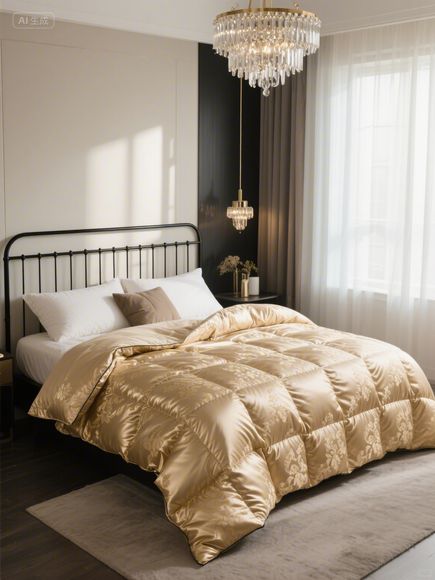
Whether you're a consumer looking for a comfortable, budget-friendly pillow or a manufacturer seeking dependable filling material, understanding the properties and production of polyester fiberfill is key. And if you're ever curious about the process, checking out a video from a reputable textile factory like Jia Yu can give you a great insight into how this everyday comfort product comes to life!
Expanded Knowledge:
开场
(视频开始,展示加工聚酯纤维被的过程)
产品优势介绍
聚酯纤维被的主要优势
(详细介绍聚酯纤维被的优势,包括耐用性、保暖性、舒适性等)
表格说明:
| 优势 | 详细描述 |
|---|---|
| 耐用性 | 高强度、抗皱、不易磨损 |
| 保暖性 | 良好的保温性能,适合寒冷的天气 |
| 舒适性 | 柔软、贴身、透气性好,适合各种睡眠需求 |
佳羽纺织厂加工聚酯纤维被的案例分析
(通过佳羽纺织厂加工聚酯纤维被的案例,进一步说明产品优势)
案例说明:
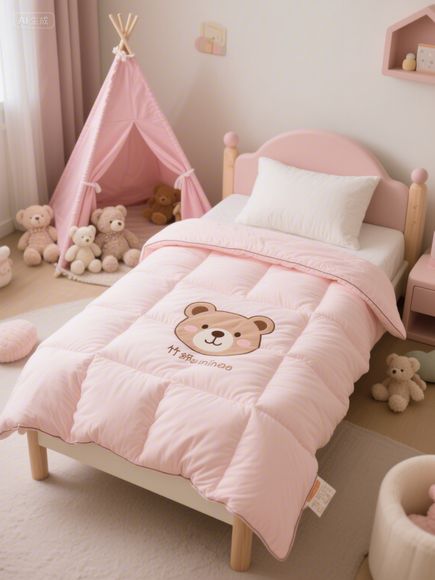
佳羽纺织厂以其先进的生产技术和严格的质量控制,成功生产出高质量的聚酯纤维被,该被具有出色的保暖性和舒适性,深受消费者喜爱。 补充说明
加工过程展示
(详细展示加工聚酯纤维被的过程,包括原料准备、设备操作、工艺流程等)
问答环节
Q1:佳羽纺织厂是如何保证产品质量和稳定性的? A2:佳羽纺织厂采用先进的生产设备和技术,严格把控原料质量,同时注重员工培训和质量管理,确保产品质量和稳定性。
Q2:佳羽纺织厂加工聚酯纤维被的优势在哪里? A2:佳羽纺织厂的产品优势在于其高品质、高强度和高保暖性能,同时具有良好的透气性和舒适性,适合各种睡眠需求,佳羽纺织厂还注重环保和可持续发展,采用环保材料和工艺。
强调佳羽纺织厂加工聚酯纤维被的优势)
佳羽纺织厂以其先进的生产技术和严格的质量控制,生产出高品质的聚酯纤维被,该被具有出色的保暖性和舒适性,深受消费者喜爱,佳羽纺织厂注重环保和可持续发展,为消费者提供更加健康、环保的产品。