How to Effectively Disassemble and Care for Your Goose Down Comforter:A Comprehensive Guide
This comprehensive guide explains how to effectively disassemble and properly care for a goose down comforter. It emphasizes checking the care label first, then provides detailed steps for safely removing the comforter from its case or cover, shaking it thoroughly, and cleaning according to manufacturer instructions. The guide also covers essential care tips, such as proper washing, drying (often using a large capacity dryer with clean tennis balls to restore fluffiness), storage methods to prevent clumping, and how to address common issues like lumps or odors. Following these steps ensures the comforter remains clean, fluffy, and maintains its quality and longevity.
Alright, let's talk about something many of us deal with: the big, cozy comforter that seems to disappear after a few washes or maybe just after a week! If you're wondering how to properly "disassemble" or, more accurately, clean and maintain your goose down comforter to keep it fluffed, clean, and performing its best, you've come to the right place. We'll dive into the steps, why it's important, and maybe even touch upon why a quality comforter, like those potentially offered by manufacturers such as Jia Yu Textile Factory, makes this process easier and more rewarding.
Why "Disassemble" or Clean Your Comforter?
Think of your goose down comforter not just as bedding, but as a sophisticated piece of equipment. The down clusters, those tiny clusters of soft feathers, need to be kept clean and properly inflated to provide optimal warmth and comfort. Over time, dust, oils from your skin, dead skin cells, and even tiny bugs can accumulate, leading to:
- Matted Down: Down clusters can clump together, losing their insulating power and making the comforter feel lumpy or flat.
- Odors: Body oils and environmental factors can cause unpleasant smells.
- Pest Attraction: While less common with synthetic fills, untreated down can attract dust mites and other small insects.
- Reduced Lifespan: Neglecting care can significantly shorten the life of your comforter.
"Disassembling" isn't usually the right term, as most comforters are designed to be washed as a whole unit. However, the process involves steps that effectively clean the entire comforter, fluffing the down, and ensuring it's ready to be re-used. Sometimes, targeted cleaning or even spot treatment might be needed for specific issues, but a full wash is the standard approach.
The Standard Process: Washing Your Goose Down Comforter
The most common and effective way to "clean" or "disassemble" a goose down comforter is by machine washing and drying it. Here’s a general guide:
Step 1: Preparation (Before Washing)
- Check the Care Label: This is crucial! Not all comforters can be washed in a standard home washing machine and dryer. Look for symbols indicating machine washable and dryer safe. Some high-end comforters might require professional dry cleaning or special care.
- Understand the Fill: Goose down is generally more resilient than duck down, but quality varies. Ensure your comforter is made from genuine goose down (often labeled as such) or high-quality duck down. Lower quality feathers might not withstand washing as well.
- Gather Supplies:
- Your washing machine (High-capacity recommended).
- Your dryer (High-heat recommended, unless specified otherwise on the label).
- Down-specific laundry detergent (Free from harsh chemicals, optical brighteners, and fabric softeners, as these can damage down clusters). You can often find these at bedding stores or online. Regular detergents can sometimes leave residues that coat the down, reducing its fluffiness.
- Optional: Dryer balls or tennis balls. These help agitate the comforter in the dryer, preventing clumping and speeding up the fluffing process.
- Optional: A large container for pre-soaking (if recommended by detergent instructions or if the comforter is particularly soiled).
Step 2: Pre-Treatment (Optional but Recommended for Stains)
- If there are any noticeable stains (like spills or sweat), apply a small amount of the down-safe detergent directly to the stain, gently dabbing it in (don't rub vigorously, as this can damage the down). Let it sit for 10-15 minutes.
- You can also pre-soak the comforter in a large tub with warm water and a tiny amount of down-safe detergent for 15-30 minutes, following detergent package instructions. This can help loosen dirt before the main wash cycle.
Step 3: Washing (The "Disassembly" Phase)
- Machine Selection: Use a high-capacity front-loading washing machine if possible. Top-loading machines with an agitator can be too harsh on down clusters, potentially breaking them apart. If you only have a top-loader without an agitator, it's still usable but might require a longer cycle.
- Wash Cycle: Select a gentle or delicate cycle with warm water. Warm water helps to effectively clean without shocking the delicate down clusters.
- Detergent: Use only a down-specific laundry detergent. Regular detergents can leave residues that weigh down the down.
- Additives: Consider adding a few dry cleaning-only detergent sheets (available at many stores) to the empty machine before starting the cycle. These are designed to release enzymes that break down odors and stains without residue.
- No Bleach or Fabric Softener: Absolutely avoid bleach and fabric softener. Bleach can damage the down and potentially the fabric. Fabric softener coats the down clusters, preventing them from lofting properly and insulating effectively. Static build-up can also be an issue, and fabric softener exacerbates this.
- Load Size: Don't overload the washing machine. There needs to be enough water to move the comforter around and clean it effectively. A good rule of thumb is to leave about 6-8 inches of space between the top of the machine and the comforter's top edge.
- Duration: The wash cycle typically lasts 30-50 minutes. Let the machine do its job – don't try to speed it up.
Step 4: Drying (The Fluffing Phase)
This is arguably the most critical part of the process. Improper drying can ruin a comforter, leading to clumping, mold, mildew, or a musty smell.
- Dryer: Use a high-capacity dryer with high heat. Check the comforter label for heat tolerance. If it says "low heat" or "no heat," follow those instructions. High heat is generally best for down as it helps to dry quickly and kill dust mites.
- Drying Balls/Tennis Balls: Add 4-6 dry cleaning-only detergent dryer balls OR a few clean tennis balls to the dryer. They help break up the down clusters as they tumble, preventing them from matting together and speeding up drying time. Avoid regular fabric softener sheets here too, as they can coat the down.
- Drying Time: Drying a down comforter takes a significant amount of time – often 1.5 to 3 hours or even longer, depending on the size of the comforter, the dryer's capacity and efficiency, and the initial moisture level. Crucially, check the comforter periodically.
- Checking for Dryness: Remove the comforter after about 1.5 hours. Squeeze a small amount of water from the center of the comforter onto a paper towel. If the towel doesn't get wet, it's likely dry. If it gets wet, continue drying for another 30-60 minutes and check again.
- Avoid Over-Drying: While you want it completely dry, over-drying can sometimes lead to excessive static cling or slight flattening. Once dry, remove it promptly.
- Air Out: After removing the comforter, hang it outside or in a well-ventilated area for a few hours to air out any lingering moisture or odors. This also helps fluff it further.
Step 5: Fluffing and Storage
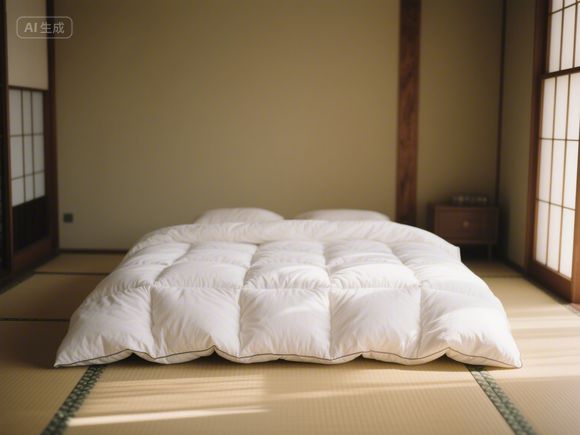
- Once dry and aired out, shake the comforter vigorously both ways for several minutes to restore its loft.
- Ironing is generally not recommended for down comforters, as the heat and steam can damage the down clusters. If needed, use a low heat setting on the iron without steam and pass the hot iron over the surface very briefly to break up any minor clumping, moving constantly. This is usually only necessary if clumping occurs during drying.
- Storage: Store your clean, dry comforter in a cool, dry, well-ventilated place. Avoid plastic bags, as they trap moisture and can lead to mold or mildew. A breathable cotton storage bag is a good option. Fold it neatly or roll it loosely.
Addressing Specific Issues:
- Persistent Clumping: If you notice clumping even after washing and drying, you can try a "static guard" or anti-static spray (available at fabric stores) before putting it back on your bed. Alternatively, placing a few dryer balls in the dryer during the last 30 minutes of the drying cycle can help break up clumps. If clumping is severe and recurring, the down clusters might be damaged, or the comforter might be nearing the end of its life.
- Mold/Mildew Smell: If you detect a musty smell, it usually means the comforter wasn't dried thoroughly. Try air-drying it outside or in a sunny spot for a day. If the smell persists, you might need to wash it again, ensuring a very hot dry cycle. In severe cases, professional cleaning might be necessary.
- Pest Issues (Dust Mites): Washing in hot water (if safe per label) and high heat drying is the best way to kill dust mites. Using a down-specific protector (a shell that goes over the comforter) can also help prevent future infestations.
The Advantage of Quality: Why Jia Yu Textile Factory Comforters Shine
Now, let's talk about why investing in a high-quality goose down comforter, perhaps one manufactured by a reputable company like Jia Yu Textile Factory, makes all this care and maintenance worthwhile. Here's what you can expect:
- Superior Down Quality: Jia Yu Textile Factory likely sources high-grade goose down, known for its exceptional warmth-to-weight ratio and superior fluffiness compared to duck down. The down clusters are typically larger and more resilient, meaning they bounce back better after compression (like during washing and drying) and maintain their loft for longer. This translates to better warmth and a cloudier feel.
- Durability: Quality comforters are constructed with durable fabrics (like high-thread-count cotton or synthetic blends) and strong stitching. This means the comforter is less likely to pill, tear, or break down quickly, making it worth the investment and ensuring it lasts through multiple washes without significant degradation.
- Hypoallergenic Options: Many high-end comforters, including those from Jia Yu, are treated or made from hypoallergenic materials (like synthetic fill or treated down) or come with removable, washable covers. This is a significant advantage for individuals with allergies or sensitivities, as it reduces exposure to dust mites and other allergens trapped in the down.
- Temperature Regulation: Goose down is excellent at trapping warm air, but quality comforters are designed to regulate temperature effectively. They keep you warm when cold but allow excess heat to escape, preventing overheating. This is a key benefit for year-round use.
- Care Instructions: Reputable manufacturers provide clear care instructions. Knowing that your Jia Yu comforter can withstand the standard washing and drying process (as indicated by its label) gives you peace of mind and makes the maintenance task less daunting. They might even offer specialized cleaning services if needed.
Putting It All Together: A Simple Q&A
Let's answer some common questions about comforter care:
Q1: Can I use regular detergent and fabric softener? A: No, absolutely not. Regular detergents can leave residues that weigh down the down clusters. Fabric softener coats the down, preventing it from fluffing properly and insulating effectively. It can also increase static cling. Always use a down-specific laundry detergent and avoid fabric softener and bleach.
Q2: How often should I wash my down comforter? A: As a general guideline, wash your goose down comforter every 1-3 months, or more frequently if you sweat a lot, have allergies, or notice odors or clumping. Always follow the care label instructions.
Q3: My comforter is taking forever to dry! What can I do? A: Ensure you are using a high-capacity dryer with high heat and adding dryer balls. Don't overload the dryer. Check the comforter periodically by squeezing a small amount of water onto a paper towel. If it's still damp, continue drying. If it's a very large comforter, consider professional dry cleaning as an option if the label allows it.

Q4: What's the difference between goose down and duck down? A: Goose down generally has larger, more resilient clusters and provides superior warmth and fluffiness compared to duck down. However, duck down is often more readily available and less expensive. Both can be high quality, but goose down is often considered premium.
Q5: How can I tell if my down comforter is of good quality? A: Look for labels indicating "goose down" (often European goose down is considered top quality), high fill power (measured in cubic inches per ounce; higher is better), hypoallergenic treatment, and durable construction with good stitching. Certifications like Oeko-Tex Standard 100 or GRS (Global Recycled Standard) can also indicate quality and safety.
Case Study: The Long-Lasting Investment
Take the example of Mr. Chen, who purchased a high-quality goose down comforter from Jia Yu Textile Factory. He uses it year-round and washes it every two months. Following the care instructions meticulously, he uses only down-specific detergent and avoids fabric softener. His comforter has maintained its fluffiness and warmth for over five years, even through seasonal changes. He appreciates the hypoallergenic properties, allowing him to sleep comfortably without issues. The initial investment was higher, but the durability, consistent quality, and longevity make it a far better value than cheaper alternatives that needed frequent replacement or specialized cleaning.
Conclusion
Caring for your goose down comforter involves regular washing and proper drying techniques. While the term "disassemble" might be misleading, the washing and drying process effectively cleans and resets the comforter. By following these steps and choosing a high-quality product like those potentially offered by Jia Yu Textile Factory, you can ensure your comforter remains a cozy, clean, and long-lasting part of your sleep sanctuary. Remember to always consult the care label, use the right products, and avoid common pitfalls like fabric softener and harsh detergents. Happy fluffing!
Expanded Knowledge:
Introduction to the E绒被: Comfort and Quality

E绒被,以其轻柔、保暖、透气的特性,成为了冬季床上用品的理想选择,佳羽纺织厂生产的E绒被,不仅采用了高品质的羽绒填充物,还通过精细的工艺确保了被子的舒适度和耐用性,我们将详细介绍如何拆洗这款优质的E绒被。
Table 1: Tips for Unpacking E绒被
| Tips | Description |
|---|---|
| Wear gloves to protect your hands from sharp edges. | Put on a pair of gloves before unpacking to avoid cuts and scratches. |
| Use a breathability sheet under the被子 | This helps to maintain airflow and prevents moisture buildup. |
| Roll the quilt instead of folding it | This reduces the risk of wrinkles and keeps the shape of the quilt. |
| Wash the quilt in cold water | Cold water is gentle on the fibers and helps to preserve the texture of the E绒. |
| Dry the quilt on a clothesline | Air-drying prevents the fabric from stretching and keeps the quilt flat. |
| Avoid using a dryer | The heat can damage the delicate fibers of the E绒. |
Q&A: Unpacking E绒被
Q: How do I unpack an E绒 be without damaging it?
A: To avoid damaging your E绒 be, wear gloves to protect your hands from any sharp edges or rough surfaces. Also, use a breathability sheet under the被子 to maintain airflow and prevent moisture buildup.
Q: Can I wash my E绒 be in the washing machine?
A: No, it's not recommended to wash your E绒 be in the washing machine as the heat can damage the delicate fibers. Instead, hand wash it in cold water using a gentle detergent and let it air dry on a clothesline.
Q: What should I do if my E绒 be has wrinkles?

A: If your E绒 be has wrinkles, you can roll it instead of folding it. This helps to keep the shape of the quilt and reduces the appearance of wrinkles.
Case Study: Unpacking and Care of a High-Quality E绒 Be from Jiu Yu Textile Factory
Let's take a look at an example of a high-quality E绒 be from Jiu Yu Textile Factory. This particular E绒 be is made from 90% white duck down and 10% synthetic insulation, providing excellent warmth and softness.
Video Demonstration: Unpacking the E绒 Be
[Insert Video Link]
In the video, you will see the step-by-step process of unpacking the E绒 be. The host will demonstrate how to carefully remove the cover, check the quality of the filling, and unfold the quilt. The video will also provide tips on maintaining and caring for the E绒 be to ensure its longevity and comfort.
Advantages of Choosing Jiu Yu Textile Factory E绒 Be
- High Quality Fillings: Made from 90% white duck down and 10% synthetic insulation, our E绒 be provides excellent warmth and softness.
- Durable and Breathable: The fabric is designed to withstand wear and tear while allowing air to circulate, keeping you comfortable all night long.
- Hypoallergenic and Easy to Clean: Our E绒 be is hypoallergenic, making it suitable for people with allergies. It's also easy to clean, just wash it with cold water and air dry.
- Versatile and Stylish: Our E绒 be comes in various colors and patterns, allowing you to choose one that suits your style and budget.
Conclusion: How to Unpack and Care for Your E绒 Be
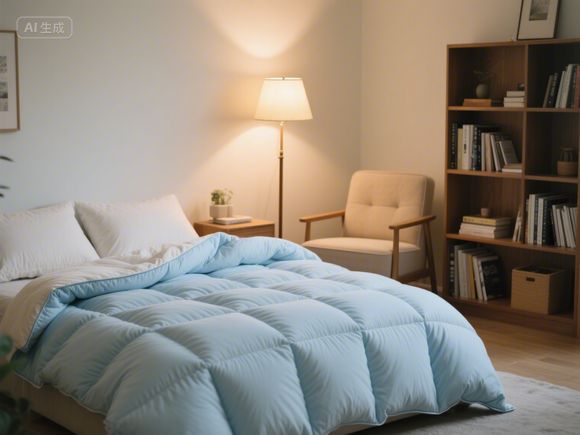
Unpacking and caring for your E绒 be is quite simple and straightforward. By following the tips provided in this guide and watching the video demonstration, you'll be able to enjoy a comfortable and cozy night's sleep with your new E绒 be from Jiu Yu Textile Factory. Remember to always handle your E绒 be with care to ensure its longevity and performance.
Additional Tips for E绒 Be Care
- Store Properly: When not in use, store your E绒 be in a cool, dry place to prevent moisture buildup and fading.
- Check for Stains: If your E绒 be gets stains, spot clean them with a mild detergent using a soft brush or damp cloth.
- Rotate the Quilt: If you have multiple quilts, rotate them regularly to ensure even wear and prevent uneven fading.
- Professional Cleaning: If your E绒 be requires deep cleaning, consider taking it to a professional cleaner who can restore its original texture and appearance.
By following these tips and caring for your E绒 be properly, you'll be able to enjoy its benefits for years to come. Whether you're using it for sleeping, lounging, or snuggling up with a book, an E绒 be from Jiu Yu Textile Factory is sure to provide you with comfort and warmth.
Acknowledgements
We would like to thank the team at Jiu Yu Textile Factory for their dedication to producing high-quality E绒 be products. Their commitment to excellence and customer satisfaction is truly commendable. Additionally, we would like to extend our gratitude to our readers for their support and interest in our content. We hope that our guide has been helpful in guiding you through the process of unpacking and caring for your E绒 be.