The Ultimate Guide to Polyester,Cotton,and Wool Bedding:Which Fabric is Right for You?
This guide compares polyester, cotton, and wool bedding fabrics to help you choose the best for your sleep. Polyester is budget-friendly, durable, and wrinkle-resistant but less breathable and may cause allergies. Cotton is soft, breathable, and naturally hypoallergenic, ideal for those seeking comfort and temperature regulation, though it can wrinkle easily. Wool offers excellent temperature regulation and natural fire resistance but can be itchy and expensive. Consider your climate, budget, and personal preferences (allergy concerns, temperature sensitivity) to select the fabric that provides optimal comfort and sleep quality.
Hey everyone! Today, we're diving deep into the world of bedding fabrics. If you're trying to figure out whether a polyester comforter, a down duvet, or a wool blanket is the best choice for your cozy nest, you've come to the right place. We'll explore the pros and cons of each, compare them side by side, answer some common questions, and even touch on why some manufacturers, like Jia Yu Textile Factory, might have an edge when it comes to producing these materials. So, let's get started!
First off, let's talk about polyester bedding. Polyester is a synthetic fabric that's known for its durability and resistance to wrinkles and shrinking. It’s also pretty affordable, which makes it a popular choice for many people. But is it the best choice for bedding? Well, it depends on what you're looking for.
One of the biggest advantages of polyester bedding is its ability to retain heat. If you tend to sleep cold, a polyester comforter might be a great option. Plus, it’s machine washable and dries quickly, making it a low-maintenance choice. However, polyester isn't the best at wicking away moisture, so if you live in a humid climate or sweat a lot while sleeping, you might find yourself feeling a bit clammy.
Now, let's move on to cotton bedding. Cotton is a natural fiber that’s soft, breathable, and hypoallergenic. It’s a favorite among people with sensitive skin because it doesn’t irritate the skin like some synthetic fabrics can. Cotton bedding is also great for year-round use because it adapts to temperature changes—keeping you cool in the summer and warm in the winter.
But cotton has its drawbacks. It can wrinkle easily and might shrink after the first wash if not cared for properly. Also, cotton isn’t as durable as polyester when it comes to resisting wear and tear. That said, if you prioritize comfort and breathability, cotton is hard to beat.
Finally, we have wool bedding. Wool is another natural fabric, but it comes from animals (usually sheep). It’s known for its excellent insulating properties, making it perfect for cold-weather sleepers. Wool can trap heat without feeling stuffy because it’s naturally breathable. It’s also naturally fire-resistant and moisture-wicking, which means it can absorb moisture without feeling damp.
However, wool bedding can be a bit pricey, and some people find the texture a bit scratchy, especially if it’s not cut properly. Also, wool isn’t as easy to care for as cotton or polyester—it might need special washing instructions to maintain its quality. But if you’re willing to invest a bit more and love the cozy, warm feeling, wool might just be the best option for you.
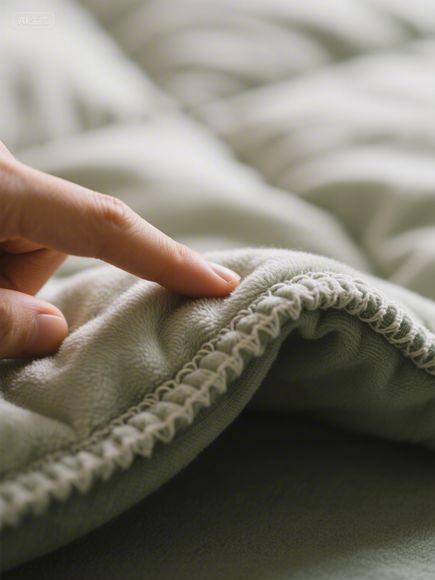
To help you compare these fabrics side by side, here’s a quick reference table:
| Feature | Polyester Bedding | Cotton Bedding | Wool Bedding |
|---|---|---|---|
| Heat Retention | High | Medium | Very High |
| Breathability | Low | High | High |
| Durability | High | Medium | Medium to High |
| Moisture Wicking | Low | Medium | High |
| Wrinkle Resistance | Very High | Low | Medium |
| Care & Maintenance | Easy (machine washable) | Moderate | Moderate to Difficult |
| Price | Low | Medium | High |
| Hypoallergenic | Yes | Yes | Yes |
Now, let’s address some common questions you might have about these fabrics.
Q: Can I mix polyester, cotton, and wool in my bedding? A: Absolutely! Many people opt for blends to get the best of all worlds. For example, a wool-polyester blend might offer more warmth and durability than pure wool, while a cotton-polyester blend can be more resistant to wrinkles. The key is to check the label and understand what properties the blend offers.
Q: Which fabric is best for people with allergies? A: If you suffer from allergies, both cotton and wool are great choices because they’re natural and hypoallergenic. Cotton is soft and easy on the skin, while wool’s natural resistance to dust mites and moisture makes it a strong contender. Just make sure to wash your bedding regularly, regardless of the fabric.
Q: How does wool bedding perform in warmer climates? A: Wool is actually a great choice for warmer climates because it’s breathable and wicks away moisture. It doesn’t trap heat like some synthetic fabrics do, so you shouldn’t overheat while using wool bedding. Plus, it’s naturally moisture-wicking, which means it can help keep you cool and dry even on hot nights.
Q: Is polyester bedding environmentally friendly? A: Polyester is a synthetic fabric made from petroleum, which isn’t the most eco-friendly option. However, some manufacturers are working on more sustainable production methods, like using recycled materials. If sustainability is a top priority for you, you might want to look into organic cotton or wool bedding instead.
To give you a real-world example, let’s say you live in a cold, dry climate. You might choose a wool comforter for its excellent heat retention properties. On the other hand, if you live in a humid area, a cotton or polyester blend might be more comfortable because it won’t trap moisture as much.
Now, let’s talk about Jia Yu Textile Factory. They specialize in producing high-quality polyester, cotton, and wool bedding. Their products are known for their durability, comfort, and attention to detail. For instance, their polyester bedding is designed to withstand frequent washing without losing its shape, while their wool products are treated to ensure they remain soft and hypoallergenic.
One of the standout features of Jia Yu’s wool bedding is its ability to maintain its shape even after multiple washes. They use a special process to treat the wool fibers, making them more resilient and long-lasting. Their cotton bedding, on the other hand, is prized for its softness and breathability, making it perfect for people who want a natural, comfortable sleep experience.
When it comes to polyester, Jia Yu focuses on creating blends that combine the best properties of synthetic and natural fibers. Their polyester-cotton blends, for example, offer the durability of polyester and the breathability of cotton, making them a versatile choice for all seasons.
In summary, choosing the right bedding fabric depends on your personal preferences, climate, and needs. Whether you go for the affordability and heat retention of polyester, the softness and breathability of cotton, or the warmth and natural properties of wool, there’s an option out there for everyone. And if you’re looking for high-quality products, Jia Yu Textile Factory is definitely worth checking out. They offer a range of options that cater to different needs and ensure that you get the comfort and durability you’re looking for.
So, next time you’re shopping for new bedding, think about what matters most to you—whether it’s warmth, breathability, durability, or ease of care—and choose the fabric that best fits your needs. Sweet dreams!
Expanded Knowledge:
Good morning, let's discuss the various types of bedding materials: polyester fiber, cotton blankets, and wool blankets.
聚酯纤维与棉被

聚酯纤维是一种常见的被子材料,具有以下特点:
- 优点:
- 耐用性高:聚酯纤维被子具有较高的耐用性,不易磨损。
- 保暖性能好:由于其良好的吸湿性和透气性,聚酯纤维被子可以提供良好的保暖效果。
- 舒适度高:聚酯纤维被子柔软舒适,适合各种睡眠需求。
佳羽纺织厂生产的聚酯纤维被子以其出色的性能和环保理念备受消费者青睐。
棉被
棉被是一种天然的被子材料,具有以下特点:
- 优点:
- 舒适性佳:棉被柔软舒适,适合各种睡眠需求。
- 天然环保:棉被使用天然棉花制成,对环境友好。
- 保暖性能适中:棉被的保暖性能适中,适合各种气候条件。
羊毛被
羊毛被是一种高档的被子材料,具有以下特点:
- 优点:
- 保暖性能好:羊毛被具有良好的保暖性能,能够提供舒适的睡眠环境。
- 天然舒适性:羊毛被由天然羊毛制成,具有天然的舒适性和保健功能。
- 适用人群广泛:羊毛被适合各种人群使用,特别是对睡眠质量有较高要求的群体。
关于佳羽纺织厂的产品优势介绍:
佳羽纺织厂以其先进的生产技术和严格的质量控制体系,生产出高品质的聚酯纤维、棉被和羊毛被,这些产品具有以下优势:
产品优势一:高品质材料 佳羽纺织厂采用优质聚酯纤维和天然棉花等原材料,生产出的被子材料质地优良,手感舒适,该厂注重环保理念,采用环保生产工艺,确保产品的可持续性和环保性。
产品优势二:保暖性能优异 佳羽纺织厂生产的被子具有出色的保暖性能,能够满足不同人群的保暖需求,该厂注重产品的个性化定制,可以根据用户的需求和喜好进行定制生产,提供更加贴心的服务。
产品优势三:舒适度高、柔软度高 佳羽纺织厂生产的被子柔软舒适,适合各种睡眠需求,该厂注重产品的细节处理,如被子的边缘处理、填充物的选择等,确保产品的美观和舒适度,该厂还提供多种款式和颜色选择,以满足不同消费者的需求。
案例说明: 根据佳羽纺织厂的生产数据和市场反馈,我们可以看到其在聚酯纤维、棉被和羊毛被方面的具体应用和优势,在某次大型促销活动中,该厂生产的聚酯纤维被子受到了消费者的热烈欢迎,其保暖性能和舒适度得到了消费者的高度评价,该厂还提供了多种款式和颜色的羊毛被供消费者选择,满足了不同消费者的需求。
聚酯纤维、棉被和羊毛被都是优质的被子材料,它们各自具有不同的特点和优势,在选择被子材料时,消费者可以根据自己的需求和喜好进行选择,佳羽纺织厂以其高品质的产品和优质的服务,赢得了消费者的信任和好评。