The Ultimate Guide to Polyester Fiber and Wool Core Filling:Choosing the Perfect Bed for You
This guide explores the benefits of polyester fiber and wool core filling for mattresses. Polyester fibers offer excellent durability, consistent support, and resilience, providing long-lasting comfort. Wool cores, conversely, excel in natural temperature regulation, breathability, and softness, contributing to a more adaptive and comfortable sleep surface. Choosing between these options depends on desired firmness, temperature control preferences, and budget. This guide helps navigate the features and performance characteristics to select the ideal mattress filling for a personalized sleep experience.
Hello everyone! Today, we're diving deep into the world of bedding fillings. Specifically, we're talking about two popular contenders: Polyester Fiber and Wool Core filling. Understanding the differences, advantages, and disadvantages of each is crucial if you're looking to invest in a new, comfortable, and durable mattress topper or duvet insert. At Jia Yu Textile Factory, we specialize in producing high-quality textiles, including these fillings, and we want to help you make an informed choice. Let's break it down!
First off, what exactly are we talking about? Polyester Fiber filling is a synthetic material made from plastic polymers. It's known for its softness, resilience, and ability to retain shape. Wool Core filling, on the other hand, is derived from the fleece of sheep. It's a natural product, prized for its excellent thermal regulation, breathability, and natural flame resistance.
So, which one is better? The answer really depends on your personal preferences, budget, and specific needs. Let's explore both options in detail.
Let's start with Polyester Fiber Filling.
What is it? Polyester Fiber filling is man-made. It's created by extruding plastic resin pellets into fibers, which are then cut and carded into batts or rolls for use in bedding. Common types include microfiber and standard polyester cut pile.
Characteristics and Advantages:
- Softness: Polyester is incredibly soft to the touch, making it a popular choice for those who prefer a plush feel.
- Durability & Resilience: It doesn't compress easily and maintains its loft (fluffiness) for a longer period compared to natural fibers like cotton or down. This often translates to a longer lifespan for the product.
- Hypoallergenic: Since it's synthetic, it doesn't attract dust mites, dust, or other common allergens. This is a significant advantage for people with allergies.
- Temperature Control: While it does trap heat initially, modern polyester fibers often incorporate technologies (like phase-change materials or cooling grids) to help regulate temperature better than older versions. However, it generally isn't as breathable as natural fibers.
- Cost-Effective: Polyester filling is generally more affordable than natural fillings like wool or down. This makes it an accessible option for many consumers.
- Easy Care: Most polyester fillings are machine washable and dryable, making them very convenient for cleaning and maintenance.
- Consistency: Mass-produced, polyester filling offers a very consistent feel throughout the product.
Potential Disadvantages:
- Heat Retention: Traditional, non-breathable polyester can feel stuffy and retain heat, especially in warmer climates or for hot sleepers.
- Lack of Natural Benefits: It doesn't offer the natural temperature regulation, moisture-wicking, or humidity control that natural fibers provide.
- Environmental Concerns: As a synthetic material, it's derived from non-renewable petroleum resources and isn't biodegradable. However, advancements are being made in recycled polyester (rPET) options.
Now, let's flip the page and look at Wool Core Filling.
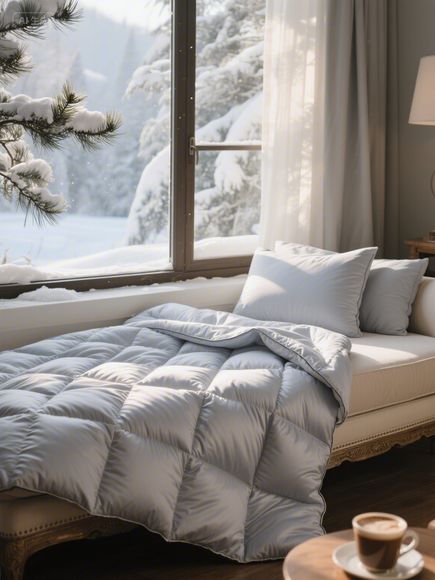
What is it? Wool Core filling comes from the fleece of sheep, primarily Merino. It's often used as a core layer within multi-layer toppers or quilts, sandwiched between other fillings like memory foam or down. Sometimes, it's used as a standalone filling, though less commonly for toppers due to its density.
Characteristics and Advantages:
- Exceptional Temperature Regulation: Wool is a natural temperature regulator. It keeps you warm when cool and cool when hot. It can absorb and release moisture vapor effectively, preventing you from getting too hot or sweaty.
- Natural Fire Resistance: Wool is inherently flame-resistant, meeting safety standards without the need for chemical treatments often required for synthetic fillings.
- Moisture Wicking & Humidity Control: Wool can absorb up to 30% of its weight in moisture without feeling damp. It then slowly releases this moisture, helping to maintain a comfortable sleeping environment.
- Durability & Resilience: High-quality wool filling is durable and maintains its shape well over time. It doesn't flatten quickly like some synthetic fibers.
- Natural Hypoallergenic Properties: While it can occasionally harbour dust mites if not properly cared for, wool itself is naturally resistant to dust mites, mildew, and bacteria.
- Softness & Plushiness: Merino wool, in particular, is incredibly soft and luxurious, often feeling silkier than you'd expect.
- Sustainability: Wool is a renewable, natural resource. Sheep need to be shorn annually for their coats, making it a sustainable cycle. Many producers focus on ethical sourcing and animal welfare.
Potential Disadvantages:
- Higher Cost: Wool filling is generally more expensive than polyester due to its natural origin, labor-intensive processing, and superior performance characteristics.
- Pilling & Shedding: Lower quality wool can pill (form small balls of fiber) or shed. High-quality Merino wool is less prone to this but can still shed some fibers initially.
- Weight: Wool can be heavier than synthetic fillings, which might be a minor consideration for some users.
- Care Requirements: Wool products often require more careful cleaning. They might need professional dry cleaning or specific washing instructions to maintain their quality and prevent shrinkage or felting. They can also be sensitive to high heat and humidity.
- Initial Odor: Some people find the natural smell of wool off-putting, although this usually fades with washing.
Let's put these characteristics side-by-side for a clearer comparison:
| Feature | Polyester Fiber Filling | Wool Core Filling |
|---|---|---|
| Source | Synthetic (Petroleum-based) | Natural (Sheep fleece) |
| Temperature Reg | Moderate (can feel hot) | Excellent (regulates warmth/sweat) |
| Breathability | Low (can trap heat) | High |
| Moisture Wicking | Low | High |
| Flame Resistance | Requires chemical treatment | Natural (Inherently flame-resistant) |
| Allergen Resistance | High (doesn't attract dust mites) | Moderate (can attract if not cared for) |
| Durability | High (maintains shape) | High (good shape retention) |
| Softness | Very Soft (Plush) | Very Soft (Luxurious, especially Merino) |
| Cost | Low - Moderate | High |
| Care Requirements | Easy (Machine washable/dryable) | Moderate - Specific care often needed |
| Environmental | Concerns (Non-renewable, non-biodegradable) | Generally Positive (Renewable, biodegradable) |
Now, let's answer some common questions:
Q: Is polyester fiber filling ever a good choice? A: Absolutely! Polyester is an excellent choice for many people. Its affordability, durability, hypoallergenic properties, and ease of care make it a practical and comfortable option, especially for budget-conscious buyers or those with severe allergies. Look for high-quality, high-fill-weight options for the best performance.
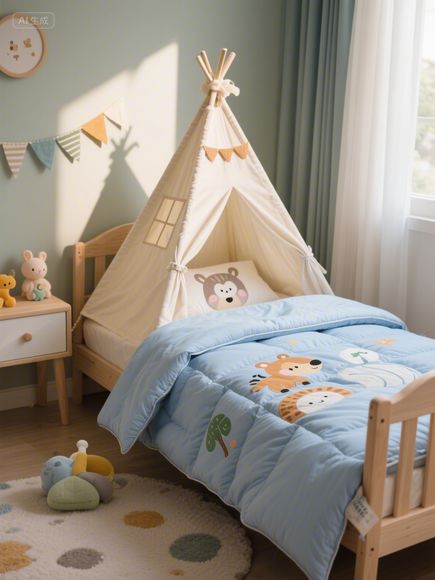
Q: What are the benefits of using wool core filling? A: Wool core offers superior temperature regulation, natural flame resistance, moisture-wicking ability, and a luxurious feel. It's ideal for people who sleep hot, live in humid climates, or simply want a more natural, breathable, and potentially more sustainable option, even if it comes at a higher price point.
Q: Can I use a wool core topper on an existing memory foam mattress? A: Yes, absolutely! A wool core topper is often used on top of memory foam mattresses. The wool core provides excellent temperature regulation, counteracting the heat retention often associated with memory foam, while the potentially softer outer layers (like cotton or bamboo) offer cushioning and comfort.
Q: How does Jia Yu Textile Factory ensure the quality of our polyester fiber and wool core fillings? A: At Jia Yu Textile Factory, quality is paramount. We implement strict quality control measures throughout our production process. For polyester fiber, we carefully select high-grade raw materials and monitor the extrusion, cutting, and baling processes to ensure consistent quality, softness, and performance. For wool core, we source from reputable suppliers who adhere to ethical practices, focus on high-quality Merino wool, and employ advanced carding and blending techniques to create a uniform, resilient, and soft core. We conduct rigorous testing for factors like fill power, resilience, flammability, and cleanliness to guarantee our products meet the highest standards.
Let's look at a real-world application:
Case Study: Jia Yu's Wool Core Topper for a Sleep Clinic
A sleep clinic was struggling with patients complaining about overheating and poor sleep quality on standard memory foam toppers. They partnered with Jia Yu Textile Factory to develop a custom wool core topper. The topper featured a high-quality Merino wool core for its exceptional temperature regulation and breathability, sandwiched between a cool-touch bamboo viscose outer layer and a soft organic cotton surface.

Feedback from patients was overwhelmingly positive. Sleepers reported feeling significantly cooler throughout the night, fewer night sweats, and an overall more comfortable and restful sleep experience. The clinic also appreciated the natural, hypoallergenic properties of the wool core, which benefited patients with sensitivities. This case highlights how Jia Yu's specialized wool core filling can solve specific comfort and performance issues.
In conclusion, both Polyester Fiber and Wool Core filling have their unique strengths.
- Choose Polyester Fiber if you prioritize affordability, durability, low maintenance, and a consistently soft feel, and if you don't mind potentially retaining heat or lack the breathability of natural fibers. It's a reliable, synthetic option.
- Choose Wool Core if you value superior temperature regulation, natural breathability, moisture-wicking, inherent flame resistance, and a luxurious feel, and are willing to invest a bit more for these benefits. It's a natural, high-performance core.
At Jia Yu Textile Factory, we pride ourselves on offering a wide range of filling options, including both high-quality synthetic and natural fibers. Our commitment is to provide you with products that enhance comfort, durability, and well-being. Whether you need a plush polyester topper or a temperature-regulating wool core solution, we have the expertise and quality control to meet your needs. We encourage you to consider your specific sleep environment, preferences, and budget when making your final decision. Happy sleeping!
Expanded Knowledge:
(一)开场白
大家好,今天我们将探讨聚酯纤维和羊毛被芯这两种常见的床上用品,它们各自具有独特的优势,为我们的生活带来舒适和温暖。

(二)产品介绍
聚酯纤维被芯:
聚酯纤维是一种高性能纤维,具有高强度、高耐磨、易清洗等优点,它具有良好的保暖性能,同时轻盈、耐用,适合各种睡眠需求的人群,聚酯纤维被芯通常采用高质量的原材料制作,经过特殊工艺处理,具有优良的保暖性和舒适性。
羊毛被芯:
羊毛被芯是一种天然的床上用品,以其柔软、舒适、保暖性能优良而受到广大消费者的喜爱,羊毛被芯通常由优质羊毛制成,经过特殊的处理工艺,使其具有天然的保暖性和舒适性,羊毛被芯还具有吸湿性、透气性等优点,能够保持舒适的睡眠环境。
(三)产品优势说明
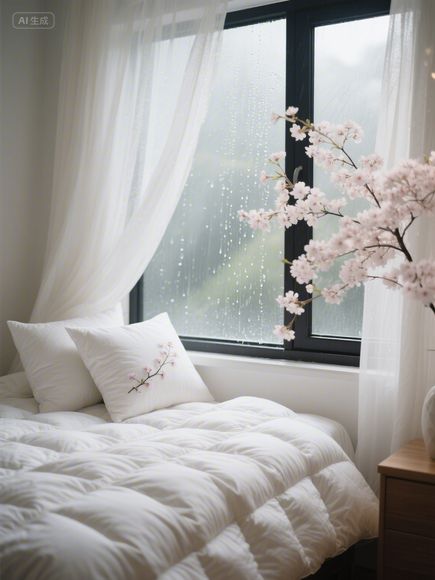
佳羽纺织厂的产品优势在于其采用高品质的聚酯纤维和羊毛被芯,具有以下优势:
- 高保暖性能:聚酯纤维被芯具有良好的保暖性能,能够为睡眠者提供足够的温暖和舒适感。
- 舒适性:羊毛被芯柔软、舒适,能够为睡眠者带来良好的睡眠体验。
- 环保可持续:佳羽纺织厂的产品采用环保可持续的材料制作,符合现代消费者的需求。
(四)案例说明
以佳羽纺织厂为例,展示聚酯纤维和羊毛被芯的使用场景:
某家庭选择使用佳羽纺织厂的聚酯纤维被芯和羊毛被芯作为他们的床上用品,这款产品不仅保暖性能好,而且柔软舒适,非常适合需要温暖睡眠的家庭。
某大型酒店也大量采购了佳羽纺织厂的聚酯纤维和羊毛被芯作为他们的床上用品,这款产品不仅符合高端市场的需求,而且具有良好的口碑和销售业绩。
(五)关于产品优势的英文介绍

佳羽纺织厂的产品优势在于其采用高品质的聚酯纤维和羊毛被芯,具有以下优势:
- 高保暖性能:采用先进的生产工艺和原材料制作,确保产品的保暖性能达到最佳效果。
- 舒适性:羊毛被芯柔软、舒适,能够为睡眠者带来良好的睡眠体验,产品还具有吸湿性、透气性等优点,能够保持舒适的睡眠环境。
- 环保可持续性:采用环保可持续的材料制作,符合现代消费者的需求和趋势,该厂注重产品的质量和安全,确保产品的使用效果和安全性。
就是关于聚酯纤维和羊毛被芯以及佳羽纺织厂产品的英文介绍,希望能够帮助大家更好地了解这些产品。