Downy Nights:Understanding and Choosing the Right Down Comforter
Downy Nights explores the world of down comforters, examining their exceptional warmth, light weight, and breathability. Understanding the benefits of down filling is key to appreciating why it's a popular bedding choice. The guide delves into factors crucial for selecting the right down comforter, including fill power (a measure of quality and warmth), construction (like quilting to prevent shifting), size, and budget. It also addresses common concerns such as pilling, cleaning requirements, and the difference between various down grades, empowering readers to make an informed decision for a cozy and comfortable sleep experience.
Down comforters are a staple in many wardrobes, offering warmth, lightness, and a luxurious feel. They trap heat efficiently while remaining surprisingly light, making them ideal for year-round use in many climates. However, navigating the world of down comforters can sometimes be confusing, especially when you hear terms like "feathers" or concerns about "hardness." In this guide, we'll delve into what makes a down comforter tick, address the common question of "Are down comforter feathers hard?", and help you find the perfect soft, cozy down solution for your sleep sanctuary.
What Exactly is Down?
First, let's clarify the terminology. When we talk about a "down comforter," we're primarily referring to the filling inside. This filling is made up of the soft, fluffy undercoating feathers found on a duck or goose. These are distinct from the outer, protective feathers (often called "feathers" colloquially, but technically "pin feathers" or "feather shafts").

- Down vs. Feather: Think of down as the soft, insulating clusters (clusters of filaments radiating from a central core) that provide warmth. Think of the outer, stiff, leathery feathers as the protective covering. A high-quality down comforter uses down clusters, not the outer feathers. Occasionally, some fillings might include a small percentage of feather clusters, but the bulk is down.
The Myth of the "Hard Feather"
The term "hard feather" often causes confusion. In reality, the feathers (pin feathers) used for the outer covering of jackets or the occasional inclusion in some fillings can feel stiff. However, the down itself – the soft clusters – should never feel hard or stiff. If you feel hard, rigid pieces inside your down comforter, you're likely dealing with either:
- Poor Quality Down: This could be down that hasn't been properly cleaned, processed, or treated. It might contain a high percentage of immature or lower-quality down clusters that are less fluffy and more dense, sometimes feeling slightly coarse.
- Dirty or Matted Down: Down clusters need to be kept clean and dry to fluff properly. If a comforter gets dirty or becomes damp (even from sweat or humidity), the down can clump together and lose its loft, potentially feeling less soft and more compact, which might be perceived as hard in certain areas.
- Incorrect Fill Material: Some products might use synthetic fill (often polyester) that mimics down. While soft, synthetic fill can sometimes feel less natural and might not have the same breathability or "drape" as genuine down. Sometimes, blends exist, but the synthetic component isn't "down."
- The Outer Cover: The shell (cover) of the comforter is usually made of fabric like cotton, linen, bamboo, or polyester. If the cover itself feels stiff or rough, that's the source of the hardness, not the down inside.
Why Does Down Loft (Fluff Up)?
Down clusters have incredible loft because they are filled with tiny air pockets. When you fluff a down comforter, you're encouraging these clusters to open up and fill with air, maximizing warmth. High-quality down clusters are resilient and can bounce back easily after compression. This is why down comforters are so warm and light.
Down Quality Matters

Not all down is created equal. The quality of the down used significantly impacts the comforter's feel, warmth, durability, and performance. Key factors include:
- Fill Power: This is the most important indicator of down quality. It measures the volume (in cubic inches) that one ounce of down occupies. Higher fill power means more loft, better warmth-to-weight ratio, and generally softer, fluffier down. Look for fill power ratings of 600, 700, 800, or even higher (up to 900 or 1000+ for premium goose down). Higher fill power down tends to be softer and more resilient.
- Source: Duck down is very common and generally good quality. Goose down, especially from colder regions, often has higher fill power and can be considered superior, though sometimes more expensive. However, both can be excellent depending on the specific cluster quality.
- Cleaning and Processing: Down must be thoroughly cleaned to remove any dirt, debris, or residual oils. Proper processing also helps maintain the integrity and loft of the clusters. Low-quality processing can damage the down.
- Treatments: Some down is treated with chemical or fluorocarbon-free (eco-friendly) treatments to enhance durability, resistance to clumping, and performance. These treatments don't necessarily affect the softness but can impact longevity.
Choosing a Soft Down Comforter
If you desire a down comforter that feels exceptionally soft and plush, focus on these aspects:
- High Fill Power: Aim for fill power ratings of 700 or higher. 800 fill power is often considered premium and offers excellent softness and warmth.
- Quality Materials: Choose comforters made from high-quality down (duck or goose) sourced from reputable suppliers. Look for clear information about the fill power and the source.
- Good Construction: A well-constructed comforter will have a tight, durable shell that prevents down from escaping and keeps the filling evenly distributed. This contributes to consistent softness.
- Avoid Clumping: Look for comforters treated with anti-clumping agents or designed to minimize shifting. Clumping can reduce loft and potentially make areas feel less soft.
- Shell Material: While the shell shouldn't feel like the down, a soft, breathable, and high-quality shell material contributes to overall comfort.
Here's a comparison of different down qualities:
| Down Quality Indicator | Description | Typical Fill Power | Warmth/Softness Level | Price Range |
|---|---|---|---|---|
| Standard Down | Common, widely available | 550-650 | Good, basic warmth | |
| Premium Duck Down | Higher quality duck down | 650-750 | Very good, soft feel | |
| High-Performance Goose Down | Often considered superior | 800+ | Excellent, luxurious feel | |
| Ultra-Premium Goose Down | Top-tier quality | 900+ | Exceptional warmth and softness |
Addressing the "Hardness" Concern Directly
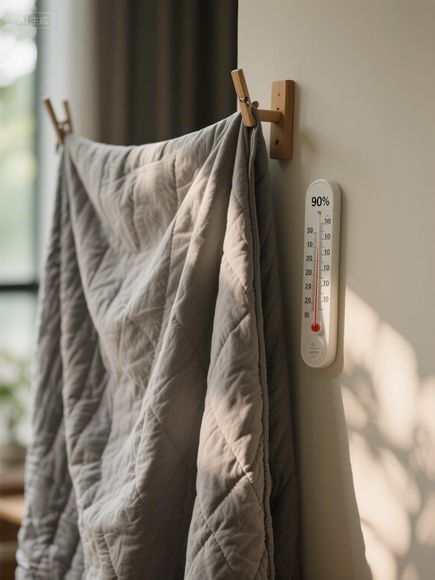
Q: Why does my new down comforter feel hard in some places? A: A new down comforter might feel slightly firm initially because the down clusters haven't yet fully fluffed out. Give it a good shake, toss it in the dryer with clean tennis balls for about 15-20 minutes, or simply fluff it by hand. It should soften significantly. If it remains hard, it could indicate lower quality down or improper filling.
Q: My down comforter feels lumpy or has hard spots. A: Hard spots or lumpiness usually occur when down clusters clump together, losing their loft. This can happen if the comforter gets wet, is compressed for long periods, or if the down quality is poor or it lacks anti-clumping treatment. Try air-drying it flat (if manufacturer allows) or using a clothes dryer on a low setting. If the problem persists, the comforter might need professional cleaning or could be defective.
Q: Is synthetic fill ever a good alternative to down? A: Yes, synthetic fill (like polyester) is a great alternative, especially for people with down allergies or those looking for budget-friendly options. It's generally hypoallergenic and doesn't require special care regarding moisture. However, synthetic fill tends to be less breathable than down, doesn't loft as well over time (it can flatten), and might not feel as naturally soft or "alive" as genuine down. It's often found in fill powers ranging from 300 to 800, but the performance is generally lower than comparable fill power down.
The Case for Jia Yu Textile Factory Down Comforters
At Jia Yu Textile Factory, we pride ourselves on delivering high-quality down comforters that prioritize comfort and performance. We understand the importance of softness and proper loft. Here’s why our down comforters stand out:

- Premium Down Selection: We source high-quality duck and goose down from reliable suppliers, ensuring a consistent product. Our down meets international quality standards.
- High Fill Power Guarantee: Many of our comforters feature down with fill powers ranging from 600 to 900+, guaranteeing excellent warmth and a plush, soft feel. Choosing a higher fill power means you get more warmth for less weight and bulk.
- Quality Processing & Treatment: Our down undergoes rigorous cleaning and processing to remove impurities and ensure resilience. We utilize advanced treatments (including eco-friendly options) to enhance durability, prevent clumping, and maintain loft wash after wash.
- Attention to Detail: We focus on constructing comforters with durable, breathable shells and ensuring even filling distribution. This meticulous construction contributes significantly to the overall softness and comfort experience.
- Customer Satisfaction: We are committed to providing products that meet and exceed customer expectations for quality and comfort.
Finding Your Perfect Down Comforter
Choosing the right down comforter involves understanding the difference between quality down and lower-grade fillings. Remember, the goal is to find down that feels soft, fluffy, and provides lasting warmth. By focusing on fill power, source quality, and construction, you can confidently select a down comforter that feels luxurious and meets your comfort needs. Avoid products that feel inherently hard or lumpy, as this is often a sign of inferior quality down. Invest in a Jia Yu Textile Factory down comforter for a truly soft and supportive sleep experience.
Expanded Knowledge:
I: Introduction
今天我们来探讨一款产品——佳羽纺织厂生产的鸭绒被,其羽毛硬的特点。
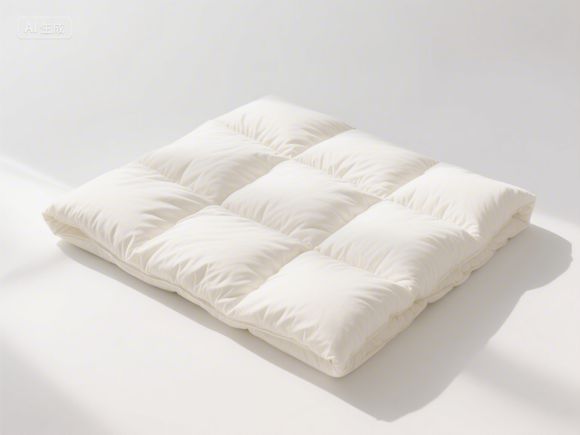
II: 产品介绍
佳羽鸭绒被采用优质鸭绒材料,经过精心制作而成,鸭绒被的羽毛硬特点主要体现在以下几个方面:
- 材料选择:佳羽选用的是高质量的羽绒材料,具有出色的保暖性能和柔软舒适度。
- 羽毛结构:羽绒被的羽毛结构紧密,不易变形,能够提供良好的保暖性能和舒适度。
- 产品优势:佳羽鸭绒被具有以下优势:
- 保暖性能卓越:羽绒被能够有效地抵御寒冷天气,为使用者提供舒适的睡眠环境。
- 柔软舒适度高:鸭绒被采用柔软的材质,让使用者感受到贴身舒适。
- 耐用性强:经过精心制作,鸭绒被具有较好的耐用性,使用寿命长。
III: 用例说明
佳羽纺织厂鸭绒被羽毛硬的优势案例
佳羽纺织厂生产的鸭绒被羽毛硬是其产品的一大亮点,这种特性使得鸭绒被在保暖性能和舒适度方面表现出色,使用这款产品,用户可以享受到温暖的睡眠环境,同时也能感受到贴身舒适,佳羽鸭绒被还具有耐用性强、易于清洗等特点,是一款值得推荐的产品。
表格补充说明:
| 特性 | 用例说明 |
|---|---|
| 材料 | 采用高质量羽绒材料 |
| 羽毛结构 | 紧密且不易变形 |
| 保暖性能 | 卓越,能够有效抵御寒冷天气 |
| 舒适度 | 贴身舒适度高,使用体验良好 |
| 耐用性 | 经过精心制作,具有较好的耐用性 |
| 易清洗 | 易于清洗,维护方便 |
IV: 产品优势说明
佳羽鸭绒被以其独特的羽毛硬特点,展现出卓越的产品优势,以下是关于产品优势的英文介绍:
佳羽鸭绒被以其优质的羽绒材料、紧密的羽毛结构和卓越的保暖性能而备受青睐,其羽毛硬特点不仅提升了产品的保暖性能和舒适度,还赋予了产品其他方面的优势,其柔软舒适的材质和良好的耐用性,使得这款产品成为消费者信赖的选择,佳羽还注重产品的环保和可持续性,选用环保材料制作,为消费者提供了更加健康和环保的产品。 佳羽纺织厂鸭绒被——羽绒材料优质、保暖性能卓越、羽毛结构紧密、产品优势显著