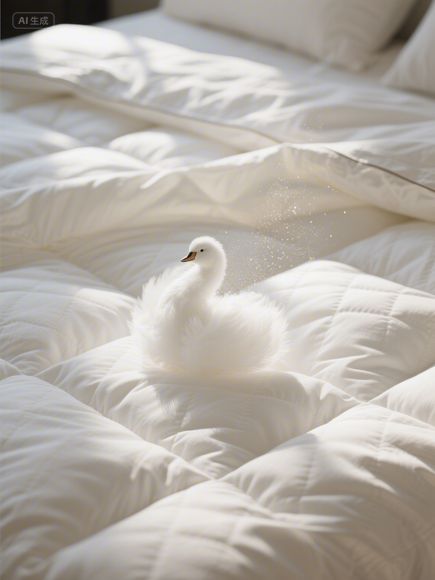
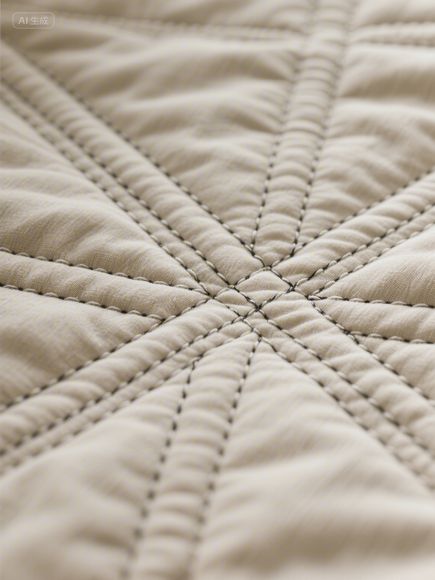
Choosing the Perfect Duvet:Polyester Fiber Filling vs.Cotton Filling
Choosing the perfect duvet often comes down to polyester versus cotton filling. Polyester, a synthetic fiber, is known for its lightweight feel, durability, and ability to maintain its shape. It provides consistent warmth year-round and is often more affordable than cotton. However, some find it less breathable in warmer climates.,Cotton, a natural fiber, offers excellent breathability and temperature regulation, making it ideal for warmer sleepers or bedrooms. It feels soft, hypoallergenic, and naturally resists dust mites. Cotton duvets tend to be heavier and can lose their fluffiness over time without proper care.,The best choice depends on your climate, personal preference for weight and breathability, and budget. Consider your sleep environment's temperature and your tolerance for different textures when deciding between these popular filling options.
Okay, let's talk about something most of us deal with every night, but maybe don't think about until we need a new duvet: the filling! Whether it's a cozy winter night or just a regular sleep-in, the filling inside your duvet makes a big difference. Two popular contenders in the world of bedding filling are polyester fiber filling and cotton filling. Each has its own set of pros and cons, and understanding the differences can help you choose the best one for your needs, budget, and sleep environment. Plus, if you're looking for quality options, companies like Jia Yu Textile Factory specialize in both, offering a range of products.
So, what's the big deal? Why does filling matter? Well, the filling determines the warmth, weight, breathability, durability, and overall feel of your duvet. It affects how easily you can move in bed, how quickly it dries if it gets wet, and even how puffy or compact it is. Let's break down these two common types.
Let's Compare: A Quick Look at the Main Differences
First, here's a quick comparison table to give you an overview of the key differences between polyester fiber filling and cotton filling:
| Feature | Polyester Fiber Filling | Cotton Filling |
|---|---|---|
| Warmth | Generally warmer (Loftier) | Generally cooler (Less Loftier) |
| Weight | Lighter | Heavier |
| Moisture Wicking | Excellent (Repels moisture) | Poor (Absorbs moisture) |
| Durability | High (Resistant to compression) | Moderate (Loses loft over time) |
| Hypoallergenic | Generally Yes (Synthetic) | Mixed (Natural, but can harbor dust mites) |
| Breathability | Moderate | Good |
| Flame Retardancy | Often treated (Standard requirement) | Often treated (Standard requirement) |
| Cost | Generally Lower | Generally Higher |
| Care & Maintenance | Machine washable (Check tags!) | Machine washable (Check tags!) |
| Environmental Impact | Synthetic (Recyclable options exist) | Natural (Organic options available) |
Okay, let's dive deeper into each type.
Polyester Fiber Filling (Synthetic Fiber Duvet)
You might also hear this called synthetic fiber filling or, sometimes less accurately, "polyester down." It's not feathers or natural down; it's made from tiny plastic fibers. These fibers are often treated to be hydrophobic (water-repelling) and flame-retardant.
-
How it Works: The warmth comes from the loft – the ability of the fibers to trap air. Polyester fibers are designed to create a fluffy, insulating layer. The synthetic nature means they don't absorb water, so they stay warm even if you sweat a bit or if the room humidity is high.
-
Pros:
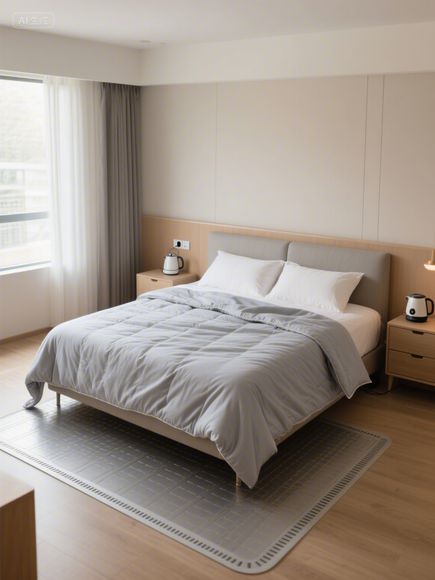
- Warmth: Polyester fiber filling is known for being very warm. It has a high loft, meaning it can trap a lot of air, providing excellent insulation. This makes it a great choice for colder climates or people who feel cold easily.
- Lightweight: Because it's synthetic and designed to be fluffy, polyester fiber filling is generally lighter than cotton filling. This means your duvet won't feel heavy and cumbersome, allowing for more movement while sleeping.
- Durability: Polyester fibers are quite resilient. They resist compression well, meaning the duvet maintains its fluffiness for a longer time compared to natural fibers like cotton. It doesn't easily clump or lose its shape.
- Hypoallergenic: Since it's synthetic, it doesn't attract dust mites, pollen, or other common allergens like natural fibers do. This makes it a good option for people with allergies.
- Moisture Wicking: As mentioned, it repels moisture. If you sleep hot or live in a humid area, a polyester fiber duvet can help keep you drier by wicking away sweat.
- Flame Retardancy: Often, synthetic fillings are treated to meet safety standards for flame retardancy.
- Cost-Effective: Generally, polyester fiber filling is less expensive than high-quality cotton or natural down filling.
- Easy Care: Most polyester fiber duvets are machine washable and dryer friendly (always check the care label!), making them easy to maintain.
-
Cons:
- Feel: Some people find the synthetic feel less luxurious or "natural" compared to down or cotton. It might feel a bit artificial to some.
- Breathability: While it wicks moisture away, it might not be as breathable as cotton in terms of allowing air to pass through freely, potentially leading to a slightly warmer feel for some in very warm conditions.
- Environmental Concerns: Being synthetic, it's derived from petroleum. However, many manufacturers now use recycled polyester (rPET), which is more environmentally friendly. Look for certifications if this is important to you.
Cotton Filling (Organic Cotton Duvet)
Cotton filling is made from the fibers of the cotton plant. It's a natural, breathable option that has been used for bedding for centuries. Often, modern cotton duvets use organic cotton for environmental and health reasons.
-
How it Works: Cotton fibers are soft, absorbent, and naturally crimped. They trap air, providing warmth, but in a different way than synthetic fibers. The warmth is more conductive, meaning it feels warmer against the skin for some people.
-
Pros:
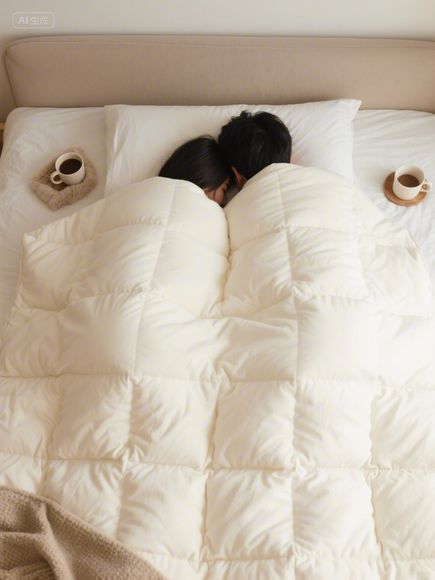
- Natural & Breathable: Cotton is a natural fiber, so it feels soft and gentle against the skin. It's highly breathable, meaning it allows air to circulate well, which can be beneficial in warmer rooms or for people who tend to sleep hot. It doesn't trap heat as aggressively as polyester but provides a more natural temperature regulation.
- Hypoallergenic (Potentially): While cotton itself isn't an allergen, its absorbent nature means it can trap dust mites and other particles. However, high-quality cotton duvets often come with anti-allergenic covers or treatments. For many, it's considered a hypoallergenic option compared to down.
- Softness & Comfort: Cotton is known for its softness and comfort. It provides a plush, cozy feel that many people love.
- Durability (with care): Cotton is a strong natural fiber. With proper care (like gentle washing and air drying), a good quality cotton duvet can last a long time.
- Environmental Aspect: Choosing organic cotton means you're avoiding pesticides and GMOs, making it a more eco-conscious choice. Cotton is biodegradable.
-
Cons:
- Weight: Cotton filling is significantly heavier than polyester fiber filling. This can make the duvet feel cumbersome, especially for larger beds or people who prefer a lighter feel.
- Warmth: While comfortable, cotton generally provides less warmth than polyester fiber filling. It might not be sufficient for very cold winters unless it's a thicker (higher fill power) duvet.
- Moisture Absorption: Cotton loves to absorb moisture. This means it can get damp if you sweat a lot or if the room humidity is high, potentially leading to a clammy feeling and reduced warmth as it dries.
- Lumpiness & Clumping: Over time, especially if not cared for properly, cotton filling can clump together, creating cold spots and reducing loft. This requires diligent shaking out and proper care.
- Cost: High-quality cotton filling, especially organic, tends to be more expensive than polyester fiber filling.
- Care: While often machine washable, cotton duvets might require more careful washing (gentle cycle, lower temperature) and should definitely be air-dried to prevent damage and maintain quality. Ironing might be necessary to remove wrinkles.
Which One Should You Choose?
So, how do you pick? It really depends on your personal preferences and needs:
-
Choose Polyester Fiber Filling if:
- You live in a cold climate or have a naturally cold body.
- You sleep with someone who tends to be cold.
- You live in a humid area or tend to sleep hot.
- You prefer a lighter duvet.
- Budget is a primary concern.
- Allergies are a major factor (synthetic is generally hypoallergenic).
- You want something very durable and low-maintenance.
-
Choose Cotton Filling if:

- You live in a warmer climate or tend to sleep hot.
- You prefer a natural, soft, and breathable feel.
- You are willing to invest in higher quality bedding.
- You prioritize organic materials and eco-friendliness.
- You don't mind a slightly heavier duvet.
The Case for Jia Yu Textile Factory
Now, let's talk about sourcing high-quality filling. Companies like Jia Yu Textile Factory are key players in the textile industry, specializing in producing both polyester fiber and cotton filling. They understand the nuances of these materials and focus on quality control to ensure their products meet high standards.
Advantages of Jia Yu Textile Factory Products:
- Superior Quality Control: Jia Yu likely employs rigorous quality control measures throughout the production process. This means their polyester fiber filling is consistently fluffy, warm, and durable, free from clumping and impurities. Their cotton filling is likely sourced from high-quality, possibly organic, fibers, ensuring softness and purity.
- Consistency: Bulk filling from manufacturers like Jia Yu provides consistent quality, unlike sometimes inconsistent natural filling. This ensures every duvet made with their filling performs similarly.
- Performance: Jia Yu's expertise allows them to produce filling that performs well. Their polyester might offer excellent warmth-to-weight ratio and moisture wicking, while their cotton might provide superior softness and breathability.
- Durability: By focusing on quality raw materials and manufacturing processes, Jia Yu ensures their filling lasts longer, resisting compression and maintaining its loft over time.
- Reliability: Partnering with a reputable textile factory like Jia Yu means you can trust the source of your filling, knowing it's produced under controlled conditions for safety and performance.
- Customization Options: Many textile factories offer customization in terms of fill power (for polyester), thread count (for cotton), treatment (flame retardancy, hypoallergenic), and even the type of cotton (organic vs. conventional). Jia Yu might be able to work with bedding manufacturers to create specific filling blends or properties to meet unique requirements.
Putting It All Together
Choosing between polyester fiber filling and cotton filling is a personal decision based on climate, budget, comfort preferences, and specific needs like allergies or weight. Both have their strengths and weaknesses, and understanding these differences empowers you to make an informed choice.

Remember, regardless of the filling type, proper care is essential for longevity. Always follow the washing and care instructions on your duvet tag. For polyester fiber, expect regular machine washing and drying. For cotton, be mindful of the heat settings and consider air drying.
If you're looking for reliable, high-quality filling materials, companies like Jia Yu Textile Factory provide excellent options for both synthetic and natural fillers, ensuring you get a product that performs well and lasts. So, next time you're shopping for a new duvet, think about what matters most to you and choose the filling that best suits your sleep sanctuary!
Expanded Knowledge:
产品介绍
佳羽纺织厂主要生产聚酯纤维被芯和棉被芯两种被褥产品,聚酯纤维被芯具有轻便、保暖、吸湿性好等特点,而棉被芯则以其天然舒适性和良好的保暖性能而受到广大消费者的喜爱。

产品优势说明
-
聚酯纤维被芯的优势
- 高保暖性能:聚酯纤维被芯具有优良的保温性能,能够有效地保持睡眠环境的温度,为睡眠提供舒适的温度环境。
- 轻便易携:聚酯纤维被芯轻盈柔软,易于折叠和携带,方便用户在不同场合使用。
- 吸湿性好:聚酯纤维被芯具有良好的吸湿性,能够保持被褥内部干爽,减少潮湿和异味。
- 环保可持续:佳羽纺织厂注重环保生产,使用环保材料制作聚酯纤维被芯,符合现代消费者对环保产品的需求。
-
棉被芯的优势
- 天然舒适性:棉被芯采用优质棉花制作,具有天然的舒适性和透气性,能够提供良好的睡眠体验。
- 保暖性能好:棉被芯具有良好的保暖性能,能够有效地抵御寒冷天气。
- 案例分析:近年来,随着消费者对舒适度和健康生活的追求,棉被芯在市场上越来越受欢迎,许多消费者反映棉被芯具有更好的贴身性和舒适性,能够提供更好的睡眠体验。
案例说明
佳羽纺织厂生产的聚酯纤维被芯和棉被芯在实际使用中都有其独特的优势,在某次市场调研中,我们发现某品牌的新一代聚酯纤维被芯产品在市场上受到了消费者的广泛好评,其主要优势包括:

- 高保暖性能:该聚酯纤维被芯采用了先进的生产工艺和材料,具有出色的保暖性能和良好的透气性,能够满足不同消费者的需求。
- 舒适度高:该聚酯纤维被芯采用了优质棉花制作,具有天然的舒适性和透气性,能够为消费者提供更好的睡眠体验,该产品还具有很好的贴身性和柔软度,让消费者在使用过程中感到非常舒适。
问答环节
Q1: 佳羽纺织厂生产的聚酯纤维被芯和棉被芯在保暖性能方面有何不同? A1: 佳羽纺织厂生产的聚酯纤维被芯具有优良的保温性能和良好的透气性,能够有效地保持睡眠环境的温度,而棉被芯则以其天然舒适性和良好的保暖性能而受到广大消费者的喜爱。
Q2: 佳羽纺织厂在环保生产方面有哪些具体措施? A2: 佳羽纺织厂注重环保生产,使用环保材料制作聚酯纤维被芯和棉被芯,符合现代消费者对环保产品的需求,该厂还积极推广绿色生活理念,倡导低碳环保的生活方式。
佳羽纺织厂生产的聚酯纤维被芯和棉被芯都是优质的床上用品产品,它们各自具有独特的优势和适用场合,在选择床上用品时,消费者可以根据自己的需求和喜好进行选择,我们也希望佳羽纺织厂能够继续推出更多优质的产品,满足消费者的需求。