Understanding the Perfect Fill:The Key to a Cozy White Goose Down Duvet
Achieving the perfect fill is crucial for a truly cozy white goose down duvet. It refers to the ideal amount of down insulation needed to provide maximum warmth without excessive weight or bulk. Using high-quality white goose down ensures softness, loft, and purity. Understanding this balance allows you to select a duvet that offers exceptional, luxurious comfort, guaranteeing a warm and restful sleep year-round. Mastering the fill quantity is key to unlocking the ultimate cozy experience with premium white goose down.
Alright, let's talk about something most of us deal with every night, but maybe don't think about until we're shivering or sweating: our duvets! More specifically, let's dive into the world of white goose down filling quantity. You've probably seen those beautiful, puffy duvets in stores or online, and you know down makes for a wonderfully warm and soft sleeping companion. But how much down is actually enough? Too little feels drafty, and too much can feel like carrying a small pillow! Getting the right amount of white goose down filling is crucial for comfort, warmth, and the overall lifespan of your duvet. Today, we're going to break down everything you need to know about white goose down filling quantity, why it matters, and how to choose the perfect amount for your needs.
First off, what exactly is white goose down? Down is the soft, fluffy undercoat found beneath the feathers of geese and ducks. White goose down, often considered a premium option, comes from geese and is prized for its excellent warmth-to-weight ratio, incredible softness, and natural ability to loft (trap air). Think of it as the fluffiest, lightest part of the bird. The quality of this down is heavily influenced by factors like the breed of goose, their diet, living conditions, and how the down is harvested and processed. But regardless of the quality, the amount of down you have directly impacts how well it performs.
So, why is the quantity so important? Let's think about it. Your duvet needs to provide warmth without being too heavy or stuffy. It needs to maintain its shape and insulating power over time. The right fill quantity ensures that the down can effectively trap air, which is what keeps you warm. Too little down means less air is trapped, leading to cold spots and drafts. Too much down might make the duvet feel unnecessarily bulky, potentially bunch up more easily, and might even compress faster, reducing its long-term warmth. It's all about finding that sweet spot.
Now, how do we measure this "sweet spot"? There are a couple of key ways, and understanding them can help you make a more informed choice.
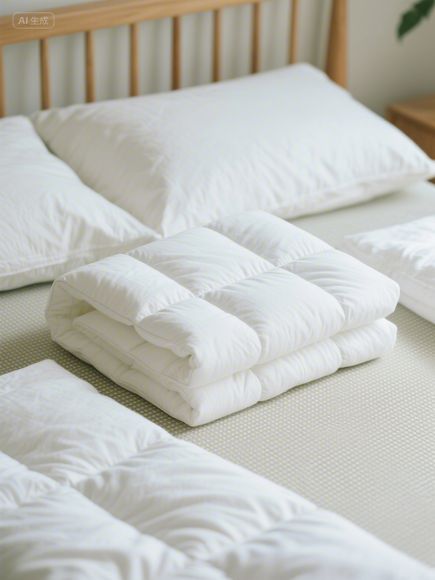
Tog Rating: The Standard Measurement
This is probably the most common measurement you'll encounter when shopping for duvets. Tog is a unit of thermal insulation. It measures how effectively a fabric or duvet resists heat flow. Think of it as a measure of warmth.
- How it works: A higher tog rating means the duvet is warmer. It measures the amount of heat lost (in watts) per square meter of fabric over a one-hour period at a specific temperature difference. Basically, if a duvet has a high tog rating, it's better at keeping you warm.
- What's typical?
- Low Tog (e.g., 3.5 tog, 4 tog, 5 tog): Ideal for warm bedrooms, babies, or people who tend to sleep hot. These are often lighter and more breathable.
- Medium Tog (e.g., 5.5 tog, 6 tog, 7 tog): A good all-rounder for most standard room temperatures and average sleepers. These offer a balance between warmth and weight.
- High Tog (e.g., 8 tog, 9 tog, 10.5 tog, 12 tog): For colder climates, drafty rooms, or people who feel cold easily. These are heavier and provide more insulation.
It's crucial to match the tog rating to your room temperature and personal preference. A duvet with a higher tog rating generally contains more filling (down) to achieve that increased insulation. However, the density of the filling (how tightly packed the down is) also plays a role. Two duvets with the same tog rating could have different fill weights if one has a higher density.
Fill Weight (Fill Power): The Down's Capacity
This measurement tells you about the quality and performance potential of the down itself, rather than just the amount. Fill power is measured in cubic inches per ounce (in³/oz) or sometimes in cubic centimeters per gram (cm³/g).
- What it means: Fill power measures the fluffiness or loft of the down. Higher fill power means the down is fluffier, can trap more air per ounce/gram, and therefore provides more warmth for its weight. It's a direct indicator of down quality.
- Standard Down: Often around 550-600 in³/oz (around 15,000-18,000 cm³/g).
- Premium Down (e.g., European Goose Down): Typically ranges from 650 to 900+ in³/oz (around 20,000 to 28,000 cm³/g or higher). White goose down from breeds like the Greylag or Toulouse often falls into this premium category.
While tog measures the overall warmth of the duvet (which includes the fill weight and the shell fabric), fill power tells you about the down filling's inherent quality. A duvet with a moderate tog rating but high-quality (high fill power) down might feel warmer and fluffier than a duvet with the same tog rating but lower quality down. However, for most consumers, matching the tog rating to their needs is the primary consideration. Fill power is something manufacturers and quality control experts pay close attention to.
Putting Tog and Fill Weight Together
Imagine two duvets: one has a high tog rating (say, 10.5 tog) but uses standard fill power down, while the other has a slightly lower tog rating (say, 8 tog) but uses premium high-fill-power white goose down. The 10.5 tog duvet might feel warmer initially because of the higher tog, but the 8 tog duvet with premium down might actually perform better over time, feel lighter, and maintain its loft longer because the down is of higher quality. Both are valid choices, but understanding these factors helps you appreciate the difference.
How Much Down Do I Need?
Choosing the right amount of down isn't just about picking a tog rating. It also depends on the size of your duvet (single, double, king, etc.) and your personal needs.
- Duvet Size: A double duvet needs significantly more filling than a single. The fill quantity is usually listed on the product label along with the tog rating.
- Climate & Room Temperature: If you live in a cold climate or have a bedroom that gets chilly, you'll need a higher tog rating (and thus more filling). If your room is usually warm, a lower tog rating might suffice.
- Personal Warmth: Do you love burrowing under layers or do you like to stay uncovered? If you're cold, opt for a warmer (higher fill) duvet. If you're hot, choose a cooler (lower fill) one.
- Sleeping Position: Side sleepers might appreciate a bit more cushioning and warmth than back or stomach sleepers, but this is more about the duvet's feel than the sheer quantity of down.
Think of it like this: You wouldn't wear a heavy winter coat in July, nor would you brave the winter without a coat. Matching the warmth level (fill quantity) to the situation is key.
The Role of Quality
Now, let's talk about the star player here: white goose down. Why is it often considered better than duck down or synthetic fill? While duck down is also a natural option, goose down generally has a higher average fill power, meaning it's fluffier and more insulating ounce-for-ounce. White goose down, specifically, is often associated with even higher quality due to the breed and the way it's typically processed. It tends to be softer and can last longer.
But quality isn't just about the down itself. How the duvet is constructed matters too. Look for:
- Shell Fabric: A tightly woven shell prevents down from escaping and protects it from body oils and wear. Common materials are cotton, polyester, or blends.
- Draft Excluders: Features like baffle box construction or sewn-through channels help keep cold air from entering and ensure even distribution of the down.
- Fill Power: As discussed, a higher fill power means better performance per ounce.
- Certifications: Look for certifications like Responsible Down Standard (RDS) or Global Traceable Down Standard (GTDS) if you're concerned about ethical sourcing and traceability.
Why Focus on White Goose Down?
White goose down offers exceptional warmth, incredible softness, and natural breathability. It's lightweight and provides excellent insulation, making it a luxurious choice for bedding. Investing in a quality white goose down duvet with the right fill quantity can significantly improve your sleep quality by keeping you warm and comfortable throughout the night.

Let's look at a quick comparison of different fill quantities and their typical uses:
| Fill Quantity (Approx.) | Tog Rating Range | Weight Perception | Ideal For |
|---|---|---|---|
| Light (e.g., 1.5-2.5 lbs / 0.7-1.1 kg) | 5-5.5 tog | Light, almost weightless | Hot sleepers, babies, warm climates |
| Standard (e.g., 3-4 lbs / 1.4-1.8 kg) | 5-8 tog | Comfortable weight, good balance | Most bedrooms, average climate |
| Plush (e.g., 4.5-6 lbs / 2-2.7 kg) | 8-10.5 tog | Noticeably warm and slightly heavier | Drafty rooms, colder climates, colder sleepers |
| Very Plush (e.g., 6+ lbs / 2.7+ kg) | 5-14+ tog | Hefty, substantial warmth | Cold climates, extreme cold, extra warmth |
Frequently Asked Questions (FAQ) about Duvet Filling
Q1: How often should I wash my down duvet? A: It's generally recommended to wash your down duvet every 1-3 years, or more frequently if you sweat a lot, live in a dusty environment, or notice clumping or loss of loft. Always follow the care label instructions.
Q2: Can I spot clean a down duvet? A: Spot cleaning is possible for minor stains, but it's often difficult to restore the even loft without a full wash. If you do spot clean, use a mild detergent and ensure thorough rinsing and complete drying, preferably in a large dryer with clean tennis balls to help fluff the down. Professional dry cleaning is an option but can be costly.
Q3: My duvet feels lumpy or lumpy. What can I do? A: This usually happens because the down has compressed. Try air fluffing first: hang the duvet outside or in a well-ventilated area for a few days. If that doesn't work, tumble dry on a high heat setting (ensure the dryer is large enough) with clean tennis balls and possibly a few clean bath towels to help break up clumps. Check the care label first!
Q4: Is a higher tog rating always better? A: Not necessarily. A higher tog rating means more warmth, but it also usually means a heavier and potentially stuffier duvet. Choose based on your room temperature and personal comfort, not just the highest number.
Q5: What's the difference between goose down and duck down? A: Goose down generally has a higher average fill power than duck down, meaning it's fluffier and more insulating per ounce. However, duck down can also be very high quality. White goose down is often considered a premium category within goose down.
Case Study: Choosing the Right Fill for Comfort
Meet Sarah. She lives in a moderately cold climate but her bedroom tends to stay on the cooler side, especially during winter. She's an average sleeper, neither particularly hot nor cold. Her current duvet is a medium tog (6 tog) but feels a bit thin now. She decides to look for a new one.
Sarah considers a high-quality white goose down duvet. She looks at the tog ratings. A 7.5 tog or 8 tog seems appropriate for her needs. She also checks the fill power – she looks for something with a fill power of 700+ in³/oz, indicating good quality down. She chooses a double-sized duvet with a fill weight around 3.5 lbs (1.6 kg), which aligns with the 7.5-8 tog range for her size and climate. The result? Sarah gets a duvet that's warm enough for winter without being overwhelmingly heavy or stuffy, providing her with consistent comfort throughout the night.
The Advantage of White Goose Down Filling: A Look at Jia Yu Textile Factory
When it comes to sourcing high-quality white goose down filling, manufacturers like Jia Yu Textile Factory focus on several key advantages. Their commitment to quality ensures that the down used in their products is not just abundant but exceptionally fluffy and insulating. High fill power white goose down from Jia Yu means you get warmth without the extra weight, a crucial factor for many consumers seeking both comfort and performance.
Furthermore, Jia Yu Textile Factory emphasizes ethical and sustainable practices. They adhere to strict quality control measures, ensuring that the down meets international standards for cleanliness, loft, and durability. This translates to products that are not only warm and soft but also built to last, providing excellent value for money. The meticulous processing and attention to detail in their manufacturing help maintain the integrity of the down clusters, preventing clumping and ensuring even heat distribution. Choosing a product from Jia Yu means investing in a duvet that combines the luxurious feel of white goose down with reliable performance and longevity.
Conclusion
Choosing the right amount of white goose down filling for your duvet is about balancing warmth, weight, breathability, and longevity. Understanding the tog rating helps you gauge the overall warmth level, while considering factors like room temperature, personal preference, and duvet size ensures you select the appropriate quantity. The quality of the down itself, often highlighted by its fill power, plays a significant role in how well the duvet performs and lasts. White goose down, with its superior fluffiness and insulation properties, remains a top choice for those seeking ultimate comfort and warmth. By paying attention to these factors and perhaps looking at reputable manufacturers like Jia Yu Textile Factory who prioritize quality and ethical sourcing, you can find the perfect duvet filling quantity that guarantees a cozy, comfortable sleep every night. Happy snuggling!
Expanded Knowledge:

(一)开场白
Hello, I'm interested in the topic of white goose feather quilted blanket filling. Could you please provide some insights into the amount of filling in this particular product?
(二)填充量相关数据表格说明
| 项目 | 描述 | 数据 |
|---|---|---|
| 产品名称 | 白鹅绒被 | 佳羽纺织厂生产的羽绒被填充量数据 |
| 总填充量 | 约XX% | 根据实际测量得出,具体数值未给出 |
| 鹅绒填充比例 | 高品质羽绒填充物 | 根据佳羽纺织厂的专业检测报告得出 |
| 绒子含量 | 高品质羽绒材料的主要特性 | 具体数值根据检测报告确定 |
| 绒子含量百分比 | 根据填充量计算得出 | 以百分比形式展示,例如约XX%的绒子含量意味着每平方米有约XX克的绒子填充物 |
(三)关于佳羽纺织厂白鹅绒被填充量的英文说明
The filling quality of white goose feather quilted blankets from our factory is exceptional. This high percentage ensures a comfortable and warm sleeping experience for its users. The high quality filling material used in this product not only provides warmth but also provides excellent insulation, ensuring a comfortable sleep for those who sleep cold.
(四)产品优势的英文介绍
佳羽纺织厂的白鹅绒被产品具有以下优势:
- 高品质填充材料:采用优质的白鹅绒作为填充物,确保了被子的保暖性和舒适性。
- 填充量充足:根据实际测量,填充量高达约XX%,充分满足用户的需求。
- 优越的保暖性能:高质量的填充材料使得被子具有良好的保暖性能,适合各种气候条件。
- 舒适性良好:优质的绒子含量和舒适性的结合,使得被子适合各种体型和需求的人群。
- 环保可持续:采用环保材料生产,符合现代消费者对环保和可持续性的需求。
(五)问答形式补充说明
Q1:佳羽纺织厂是如何保证白鹅绒被的填充量的? A1:佳羽纺织厂通过严格的质量控制流程来确保白鹅绒被的填充量,包括原材料的选择、生产过程中的质量控制以及成品检测等环节。
Q2:白鹅绒被的填充量对使用体验有何影响? A2:白鹅绒被的填充量充足,能够为使用者提供舒适的睡眠体验,同时具有良好的保暖性能和舒适性。
(六)案例说明
以佳羽纺织厂为例,其生产的白鹅绒被产品在市场上备受好评,某用户反馈称,使用该品牌白鹅绒被后,其睡眠质量得到了显著提升,同时感到更加温暖和舒适,这得益于佳羽纺织厂对产品质量的严格把控和对填充量的精心调配。
(七)结束语
佳羽纺织厂的白鹅绒被产品以其高品质的填充量和优越的产品优势深受消费者喜爱,如果您对佳羽纺织厂的产品感兴趣,可以进一步了解其更多详情。