Finding Reliable Sources for Custom Bedding:A Comprehensive Guide
Finding reliable sources for custom bedding can be challenging, but this comprehensive guide provides essential strategies. It emphasizes evaluating quality materials, precise measurements, and clear communication. Key factors include scrutinizing fabric content, understanding fillings, and verifying return policies. The guide also advises checking for certifications and customer reviews to gauge durability and satisfaction. Ultimately, it helps ensure a perfect fit and comfort for your specific needs, avoiding common pitfalls in sourcing.
本文目录导读:
- Research Local Textile Suppliers
- Explore Online Marketplaces
- Contact Industry Experts
- Visit Manufacturing Districts
- Use B2B Platforms
- Check Product Reviews and Testimonials
- Negotiate Terms and Conditions
- Build Relationships with Suppliers
- Case Study: Finding Reliable Sources for Custom Blankets at Jiayu Textile Factory
- Conclusion
So, you're looking to source custom-made quilts or comforters? Maybe you're starting a new home goods line, expanding your retail offerings, or simply need bulk custom bedding for a special project. Whatever your reason, finding the right manufacturer is key to ensuring quality, meeting deadlines, and keeping costs in check. But where do you even start? It can feel like navigating a maze, especially if you're new to the textile manufacturing game. Fear not! This guide will walk you through the ins and outs of finding reliable sources for custom bedding, with a special spotlight on Jia Yu Textile Factory as a potential partner.

Why Sourcing Custom Bedding Matters
Before diving into the sourcing methods, let's quickly touch on why sourcing custom bedding is a common and often necessary step for many businesses and individuals:
- Unique Designs: Standing out in a crowded market often requires unique designs or patterns that reflect a specific brand aesthetic.
- Specific Fillings/Fabrics: You might need specialized fillings (like down alternatives with specific properties, synthetic fills, wool blends) or unique fabric types (organic cotton, bamboo, performance fabrics) that aren't readily available in standard commercial quilts.
- Size and Configuration: Custom sizes (beyond standard twin, full, queen, king) or specific configurations (e.g., barn quilts, lap quilts with unique backing) might be required.
- Quality Control: Sourcing directly allows for closer control over the materials, construction, and finishing details.
- Cost Efficiency for Large Quantities: For very large orders, manufacturing in-house or sourcing directly can sometimes be more cost-effective than retail suppliers with high markups.
Methods to Find Custom Bedding Manufacturers
There are several avenues you can explore to find manufacturers capable of producing custom quilts and comforters. Here are some of the most common and effective ones:
Online B2B Marketplaces
- What they are: Platforms like Alibaba, Made-in-China, 1688 (Chinese marketplace), or newer B2B aggregators connect buyers globally with a vast network of manufacturers.
- Pros:
- Extensive Choice: You can find manufacturers specializing in everything from basic quilts to high-end luxury bedding.
- Convenience: Easy to search, compare quotes, and potentially communicate directly.
- Global Reach: Access to manufacturers from different regions, potentially offering competitive pricing.
- Cons:
- Due Diligence Required: You MUST verify manufacturer credentials, check for verified members, read reviews carefully, and request samples before committing. Beware of scams and low-quality producers.
- Communication Barriers: Language and cultural differences can sometimes lead to misunderstandings.
- Quality Control: Ensuring consistent quality can be challenging without physical samples and factory audits.
- How to Use Effectively:
- Use specific keywords: "custom quilt manufacturer," "luxury comforter producer," "down alternative factory," etc.
- Filter by location if you prefer certain regions (e.g., China, Vietnam, Turkey, India).
- Look for manufacturers with clear portfolios, certifications (Oeko-Tex, WRAP, BSCI), and detailed production capabilities.
- Always request multiple quotes and samples.
Industry Directories and Trade Association Websites
- What they are: Organizations like the American Apparel Association (AAA), the Textile Exchange, or regional industry bodies often maintain directories or resources listing member manufacturers.
- Pros:
- Targeted Results: You can find manufacturers specializing in specific types of textiles or manufacturing processes.
- Credibility: Members are often vetted, potentially offering more reliable options.
- Cons:
- Limited Scope: May not list all manufacturers, especially smaller or non-member ones.
- Membership Fees: Access to the most comprehensive directories might require membership or a fee.
- How to Use Effectively:
- Identify the relevant association for your target market or product type.
- Browse their member lists and websites to find potential factories.
- Attend any industry events they host if possible.
Attending Textile and Home Furnishings Trade Shows
- What they are: Events like the drapery, bedding, and window covering (DBX) shows, or broader home furnishings expos gather manufacturers, suppliers, and buyers in one place.
- Pros:
- Face-to-Face Interaction: You can directly engage with manufacturers, see samples, and get a feel for their capabilities and reliability.
- Discover New Innovations: Great place to see the latest fabrics, technologies, and manufacturing trends.
- Networking: Opportunity to meet other buyers and potentially find complementary suppliers.
- Cons:
- Cost: Can be expensive (travel, booth fees, registration).
- Time-Consuming: Requires dedicated time and effort to research and connect.
- How to Use Effectively:
- Plan ahead and identify which exhibitors to prioritize based on your needs.
- Bring business cards, product spec sheets, and a clear brief to guide conversations.
- Follow up with potential manufacturers after the show.
Referrals and Networking
- What they are: Recommendations from trusted colleagues, mentors, or existing suppliers.
- Pros:
- High Reliability: Referrals from people you trust are often the most accurate and lead to strong partnerships.
- Insider Knowledge: The recommended manufacturer might already be known for reliability and quality.
- Cons:
- Limited Pool: Relies on your existing professional network.
- How to Use Effectively:
- Ask colleagues, mentors, and suppliers: "Have you worked with any reliable manufacturers for custom quilts/bedding?"
- Join relevant online forums or LinkedIn groups related to textiles or home goods manufacturing.
Direct Contact with Manufacturers
- What they are: Reaching out proactively to textile factories known for bedding production.
- Pros:
- Targeted Approach: You're contacting potential partners directly, saving time on irrelevant searches.
- Control: You initiate the conversation and can clearly state your requirements upfront.
- Cons:
- Rejection is Likely: Many factories receive numerous inquiries and may not respond.
- Requires Proactive Effort: You need to research and compile a list of potential factories first.
- How to Use Effectively:
- Research factories online (using marketplaces, directories, or search engines).
- Identify their areas of expertise (do they mention custom quilting?).
- Craft a professional email introducing yourself, stating your specific needs (size, filling, fabric, quantity), and asking for information on their capabilities and minimum order quantities (MOQs).
Evaluating Potential Manufacturers

Once you've identified potential manufacturers, thorough evaluation is crucial. Here are key factors to consider:
| Evaluation Factor | What to Look For/Ask About | Why It Matters |
|---|---|---|
| Portfolio & Samples | Examples of previous custom work, physical fabric swatches, sample quilts/comforters. | To assess quality, stitching, filling feel, fabric feel, and construction methods. Essential before committing. |
| Minimum Order Quantity (MOQ) | Lowest quantity you can order without incurring excessive costs or setup fees. | Determines if you can start production immediately or if you need to plan for larger initial orders. |
| Production Capacity | Monthly or weekly production volume, ability to handle peak seasons. | Ensures they can meet your required timelines, especially for larger orders. |
| Lead Time | Time from order confirmation to delivery. | Critical for your supply chain planning and meeting market demands. |
| Quality Control (QC) | Processes they use (e.g., pre-shipment inspection, in-process checks). | Ensures consistency and reduces the risk of receiving defective products. |
| Certifications | Oeko-Tex Standard 100, WRAP, BSCI, ISO certifications. | Often indicate adherence to certain social, environmental, and quality standards. |
| Pricing & Payment Terms | Cost breakdown, MOQ pricing, accepted payment methods (e.g., T/T, LC), deposit requirements. | Ensures cost-effectiveness and clarity on financial obligations. |
| Communication & Support | Responsiveness, clarity of communication, technical support available. | Facilitates smooth collaboration and problem-solving throughout the process. |
| Location & Logistics | Factory location, shipping ports, freight forwarder recommendations. | Affects shipping costs, transit time, and potential language/cultural barriers. |
Case Study: Finding the Right Partner
Let's consider a hypothetical company, "Cozy Corner Upholstery," which specializes in high-end home textiles. They wanted to offer custom-sized quilts for their unique furniture pieces. They explored several options:
- They started on Alibaba, finding many potential factories but struggled with inconsistent sample quality and communication.
- They attended a local home furnishings trade show and connected with a representative from a smaller, family-run textile mill known for quality craftsmanship. They were impressed by the mill's attention to detail and willingness to discuss specific requirements.
- After some follow-up, they decided to request samples directly from this mill. The samples exceeded their expectations in terms of fabric quality and stitching.
- They also checked the mill's certifications (they had Oeko-Tex) and discussed MOQs and lead times, finding them reasonable for their projected needs.
- Cozy Corner Upholstery chose to partner with this smaller mill, valuing the quality, communication, and collaborative approach over potentially lower prices from a larger, less flexible factory.
Introducing Jia Yu Textile Factory: A Potential Source for Custom Bedding
Now that you understand the sourcing landscape, let's introduce Jia Yu Textile Factory as a potential source for your custom quilt and comforter needs. While this example is hypothetical, it illustrates the kind of information you might look for in a manufacturer's profile.
What is Jia Yu Textile Factory?
Jia Yu Textile Factory is a textile manufacturer specializing in the production of quilts, comforters, duvet covers, and related bedding accessories. They pride themselves on offering custom solutions tailored to client specifications.
Product Advantages (Jia Yu Textile Factory)
- High-Quality Materials: Jia Yu Textile Factory sources premium quality raw materials, including:
- Down & Feather Alternatives: High-loft, hypoallergenic synthetic fills (e.g., polyester fiberfill, Primaloft, WarmlyYarn) ensuring warmth and durability.
- Natural Fibers: Luxurious options like cotton, bamboo viscose, wool, silk, and blends for eco-conscious or premium markets.
- Performance Fabrics: Water-repellent, stain-resistant, temperature-regulating, and fire-retardant fabrics for specialized applications.
- Customization Capabilities: They excel in meeting specific client needs, such as:
- Exact Dimensions: Custom sizes beyond standard bed sizes.
- Unique Designs: Specific quilting patterns, appliqué work, or decorative stitching.
- Color Matching: Matching specific fabric colors or Pantone codes.
- Special Requests: Incorporating specific trims, buttons, or closure types.
- Competitive Pricing & Efficient Production: Leveraging their manufacturing expertise and economies of scale, Jia Yu Textile Factory aims to offer competitive pricing without compromising on quality. They focus on efficient production processes to meet deadlines.
- Reliable Quality Control: Implementing strict quality checks throughout the production process ensures consistency and minimizes defects. They understand the importance of delivering a product that meets client expectations.
- Customer Service Focus: Providing clear communication, prompt responses, and support before, during, and after production. They strive to build long-term partnerships with their clients.
How to Get Started with Jia Yu Textile Factory (Hypothetical)
- Visit their Website/Contact them: Find their contact information (email, phone, inquiry form) on their official website.
- Send an Inquiry: Clearly state your requirements, including:
- Desired product (e.g., Queen-sized down alternative comforter).
- Specific materials (e.g., 100% organic cotton shell, high-loft synthetic fill).
- Exact dimensions and configuration (e.g., continuous fill, box spring fill).
- Quantity needed.
- Any specific design or color requirements.
- Your target delivery date.
- Request a Quote & Samples: Based on your inquiry, Jia Yu Textile Factory will provide a detailed quote outlining costs and MOQs. They will also offer the option to request physical samples to assess the materials and construction.
- Discuss Terms: Negotiate MOQs, pricing, lead times, payment terms, and shipping arrangements.
- Place Order: Once all details are finalized and samples are approved, you place the formal order.
- Production & QC: Jia Yu Textile Factory manufactures your order according to the agreed specifications. Quality checks are performed at various stages.
- Logistics & Delivery: Arrange shipping and track the delivery of your custom bedding.
Frequently Asked Questions (FAQ)
Q1: What is the typical lead time for custom quilts and comforters? A: Lead times vary significantly based on the complexity of the design, the size of the order, the availability of materials, and the manufacturer's production capacity. Simple custom orders might take 2-3 weeks, while more complex or larger orders could take 4-8 weeks or even longer during peak seasons. Always confirm the estimated lead time with the manufacturer after placing your order.
Q2: How do I ensure the quality of the custom bedding I order? A: Quality control is paramount. Reputable manufacturers implement QC processes, but it's your responsibility to ensure quality. The best practice is to request and thoroughly inspect physical samples before mass production begins. These samples should match the specifications in your order. You can also inquire about their QC procedures and potentially request pre-shipment inspections if you have significant concerns.
Q3: Can I change my order once production has started? A: Changes are generally more difficult and costly once production is underway. It's crucial to finalize all details (design, materials, size, quantity) and obtain written confirmation from the manufacturer before production starts. Minor adjustments might be possible, but significant changes could lead to delays, additional costs, or even order cancellation.
Q4: What should I do if I receive a batch of defective custom bedding? A: A well-managed manufacturer will have a clear process for handling quality issues. Upon receiving your order, inspect it immediately. Document any defects (take photos, list specifics). Contact the manufacturer promptly, providing details of the issue. A good partner will investigate, offer a solution (e.g., replacement, discount, return), and work with you to resolve the problem. Check your contract or purchase order for any agreed terms regarding quality issues.
Conclusion
Finding the right source for custom quilts and comforters requires research, diligence, and clear communication. By exploring online marketplaces, industry directories, trade shows, and seeking referrals, you can build a list of potential manufacturers. Evaluating them based on quality, price, capacity, and communication is key. Remember to request samples and understand the terms before committing. Companies like Jia Yu Textile Factory offer specialized capabilities in custom bedding, potentially providing high-quality materials, unique design options, and reliable production. Whichever path you choose, taking the time to find the right partner will ultimately lead to better products and more successful outcomes for your business or project. Good luck!
Expanded Knowledge:
Introduction
In the world of textiles, finding high-quality materials for custom blankets is crucial for businesses and individuals alike. Whether you're looking to add a personal touch to gifts or require specific materials for your projects, having a reliable source for your custom blankets is essential. This guide will help you navigate through the process of finding货源 for custom blankets, with a special focus on Jiayu Textile Factory.
Understanding Custom Blankets
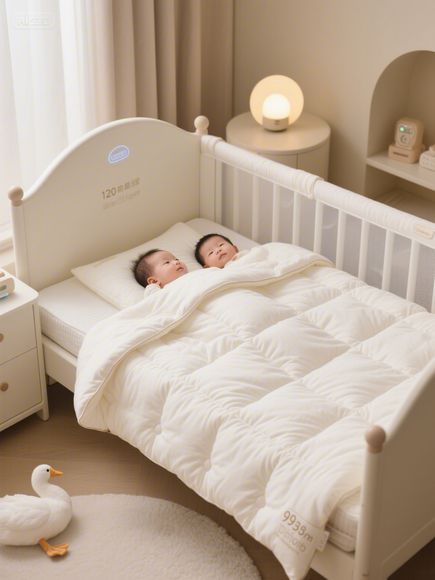
Before diving into the search for sources, it's important to understand what custom blankets are and why they are important. Custom blankets are essentially blankets that can be customized according to specific requirements. They can be made from various materials such as cotton, wool, silk, and more. They are widely used in industries like hospitality, healthcare, and fashion.
Why Choose Jiayu Textile Factory?
When it comes to custom blankets, Jiayu Textile Factory stands out as a top choice due to several reasons:
-
Quality Assurance: Jiayu Textile Factory is known for its commitment to quality. They use high-quality materials and employ skilled artisans to ensure that every blanket they produce meets the highest standards.
-
Customization Options: The factory offers a wide range of customization options, allowing customers to choose colors, patterns, and sizes according to their preferences.
-
Fast Turnaround: Jiayu Textile Factory prides itself on its fast turnaround times. They understand the importance of deadlines and strive to deliver orders on time, every time.
-
Competitive Pricing: While maintaining high quality, the factory also offers competitive pricing. This makes it an attractive option for both small businesses and large corporations.
How to Find Reliable Sources for Custom Blankets?
Now that you know the importance of quality and customization, let's discuss how to find reliable sources for custom blankets. Here are some tips and advice:
Research Local Textile Suppliers
Local textile suppliers are a great starting point. They often have a wide range of products and can provide valuable insights into the local market. To find local suppliers, you can:

- Use online directories like Alibaba or Thomasnet.
- Ask for recommendations from other businesses or industry contacts.
- Visit local trade shows or exhibitions to network with suppliers.
Explore Online Marketplaces
Online marketplaces offer a vast array of options for finding custom blankets. Some popular platforms include:
- Alibaba: A global online marketplace that connects buyers and sellers from all over the world.
- Amazon: A popular online retail platform that also offers a range of textiles and accessories.
- eBay: Another popular online marketplace where you can find a variety of custom blankets.
When using these platforms, make sure to read reviews from other customers and check the quality of the products before making a purchase.
Contact Industry Experts
Industry experts, such as fashion designers or industry consultants, can provide valuable advice on where to find reliable sources for custom blankets. They may have connections with suppliers or can offer insights into the latest trends and best practices in the industry.
Visit Manufacturing Districts
Manufacturing districts are often home to a variety of textile manufacturers and suppliers. Visiting these areas can help you connect with potential suppliers and learn more about the local market. Some popular manufacturing districts include:
- Suzhou, China: Known for its thriving textile industry.
- Hangzhou, China: Another major manufacturing hub that offers a range of textile products.
- New York, USA: Home to many top-tier textile manufacturers and suppliers.
Use B2B Platforms
B2B platforms are online marketplaces specifically designed for business-to-business transactions. They allow businesses to list their products and services, making it easier to find reliable sources for custom blankets. Some popular B2B platforms include:
- Alibaba: A global platform that connects buyers and suppliers from all over the world.
- Made-in-China: A specialized B2B platform focused on Chinese manufacturers and suppliers.
- Global Sources: Another popular B2B platform that offers a wide range of products and services.
Check Product Reviews and Testimonials
Before finalizing your purchase, it's important to check product reviews and testimonials from other customers. This will give you a better understanding of the quality and reliability of the supplier. You can find reviews on various platforms like Amazon, Alibaba, and Yelp.
Negotiate Terms and Conditions
When negotiating terms and conditions with suppliers, make sure to clarify all details, including payment terms, delivery schedules, and return policies. This will help prevent any potential issues down the line and ensure a smooth transaction.
Build Relationships with Suppliers
Building strong relationships with suppliers can lead to better collaboration and higher quality products. Make sure to communicate clearly with your suppliers, provide feedback, and work together to achieve the best results.
Case Study: Finding Reliable Sources for Custom Blankets at Jiayu Textile Factory
To illustrate how to find reliable sources for custom blankets, let's take a closer look at a real-life example. Suppose you are looking for a supplier to produce custom blankets for your business. Here’s how you can find a reliable source at Jiayu Textile Factory:
Step 1: Research Local Textile Suppliers
First, you need to research local textile suppliers. You can use online directories like Alibaba or Thomasnet to find suppliers in your area. Once you have a list of potential suppliers, you can narrow down your search based on factors such as location, quality, and pricing.

Step 2: Contact Industry Experts
Next, you can contact industry experts for advice. For example, if you are in the hospitality industry, you can reach out to hotel owners or general managers who may have experience working with custom blankets. They can provide valuable insights into where to find reliable sources and help you make an informed decision.
Step 3: Visit Manufacturing Districts
If you don’t have access to local suppliers, you can visit manufacturing districts to explore your options. As mentioned earlier, manufacturing districts like Suzhou and Hangzhou are home to many top-tier textile manufacturers and suppliers. Visiting these areas can help you connect with potential suppliers and learn more about the local market.
Step 4: Use B2B Platforms
Another effective way to find reliable sources is by using B2B platforms like Alibaba, Made-in-China, or Global Sources. These platforms allow businesses to list their products and services, making it easier to find suppliers who meet your requirements. When using these platforms, make sure to read reviews from other customers and check the quality of the products before making a purchase.
Step 5: Check Product Reviews and Testimonials
Once you have identified a few potential suppliers, make sure to check product reviews and testimonials from other customers. This will give you a better understanding of the quality and reliability of the supplier. You can find reviews on various platforms like Amazon, Alibaba, and Yelp.
Step 6: Negotiate Terms and Conditions
When negotiating terms and conditions with suppliers, make sure to clarify all details, including payment terms, delivery schedules, and return policies. This will help prevent any potential issues down the line and ensure a smooth transaction.
Step 7: Build Relationships with Suppliers
Finally, building strong relationships with suppliers can lead to better collaboration and higher quality products. Make sure to communicate clearly with your suppliers, provide feedback, and work together to achieve the best results.
Conclusion
Finding reliable sources for custom blankets can be a challenging task, but by following these tips and advice, you can easily identify high-quality suppliers. At Jiayu Textile Factory, we are committed to providing top-notch products and exceptional service, making us a trusted choice for businesses and individuals alike. Whether you need custom blankets for gifts, projects, or other purposes, we have the resources and expertise to meet your needs.
By exploring local textile suppliers, online marketplaces, industry experts, manufacturing districts, B2B platforms, and checking product reviews, you can find a reliable source for custom blankets that meets your requirements. Remember to negotiate terms and conditions clearly and build strong relationships with suppliers to ensure a smooth and successful transaction.
In conclusion, finding reliable sources for custom blankets is essential for achieving high-quality results. At Jiayu Textile Factory, we are here to help you navigate through the process and provide you with the best possible products and services. Don’t hesitate to reach out to us if you have any questions or need further assistance. We look forward to working with you!


